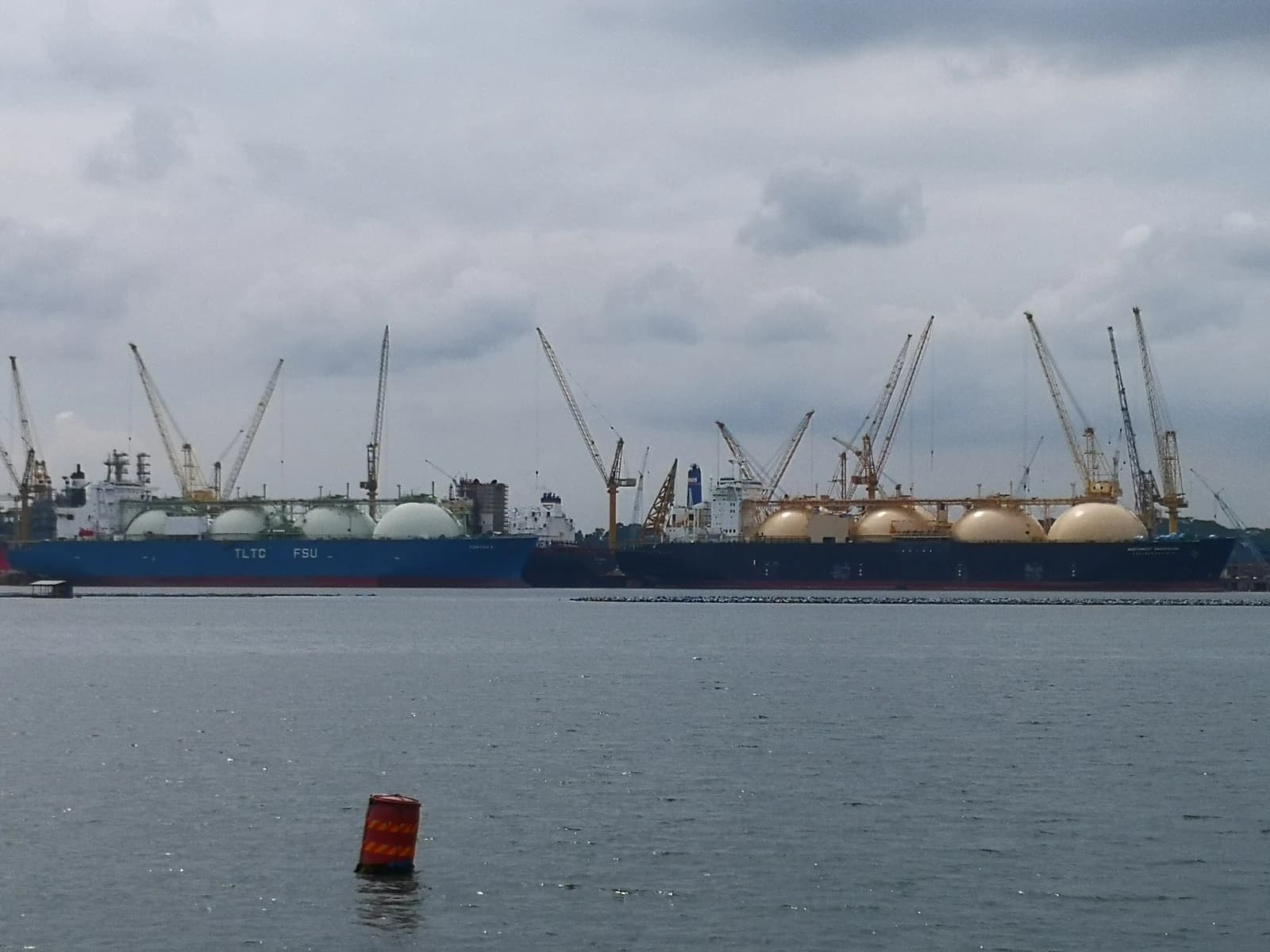
QatarEnergy’s plan to bring new LNG capacity online has been pushed into the next phase of uncertainty by the crisis in the Strait of Hormuz, a chokepoint that is now delaying equipment deliveries and raising the risk that one of the world’s biggest gas projects slips further behind schedule.
QatarEnergy LNG expansion delayed by Hormuz crisis
That matters because Qatar is not just adding supply for itself: it is a central swing supplier to Europe and Asia, and any delay to its North Field expansion tightens an LNG market already vulnerable to geopolitical shocks. The interruption also comes as Qatar is still repairing damage to Ras Laffan, which the company said wiped out 17% of the country’s LNG capacity, underscoring how the same regional conflict is hitting both future growth and current output.
QatarEnergy chief executive and energy minister Saad al-Kaabi said the first train of the North Field East project is still expected to start production in the first half of 2027, but the timing of additional trains depends on how long the Strait of Hormuz disruption lasts. He said equipment for the expansion cannot reach Qatar because of the blockage, while several trains under the project are due to start during 2027 and the North Field South expansion is slated for 2028.
The comments highlight a practical constraint that is easy to underestimate in a crisis dominated by military headlines: LNG mega-projects are built on long supply chains, specialized engineering and precise delivery schedules. A prolonged disruption in the waterway can slow installation work even if the field itself remains operational, pushing back revenues for Qatar and delaying expected supply relief for global buyers.
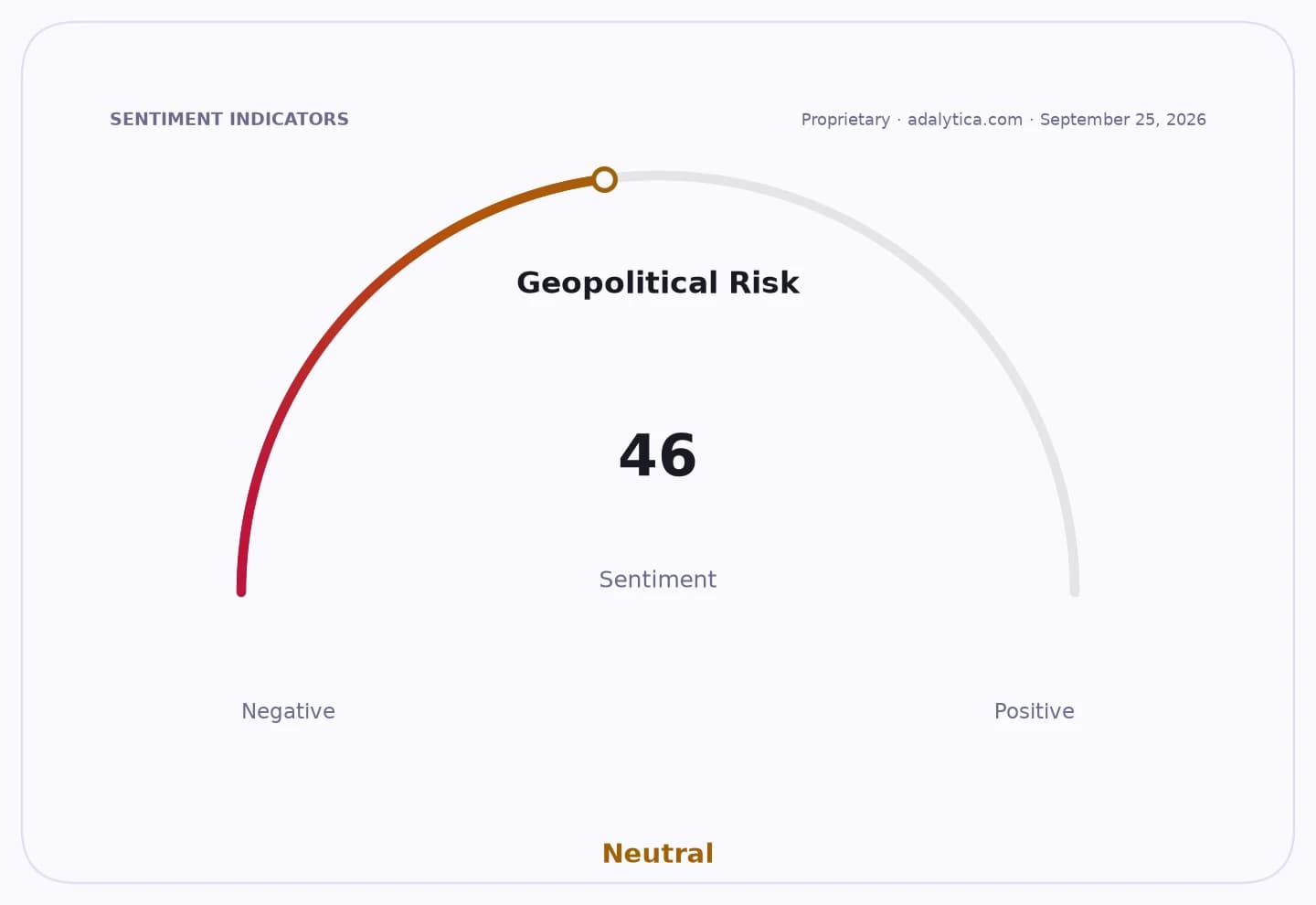
Geopolitical Risk — 30-day sentimentadalytica.com
Explore this data interactively — full history, time series and cross-market comparisons.Open AlphaPulse
For gas markets, the risk is not only Qatar’s own timetable. Qatar has long been one of the few countries able to scale LNG exports meaningfully, and any delay in its expansion removes a key source of future supply growth at a time when importing countries are still trying to replace Russian gas and manage volatile demand. That dynamic helps keep pricing power with exporters and leaves buyers more exposed to weather, outages and shipping disruptions.
Kaabi said Qatar would be able to resume normal gas operations within weeks once the Strait of Hormuz reopens, but he also acknowledged that QatarEnergy is producing very little LNG at present. He added that repairs to two damaged LNG trains could take three years, while a gas-to-liquids plant damaged in the attacks is expected to be fixed in the first quarter of 2027.
The company is trying to offset some of that lost production through trading and overseas projects. Kaabi said QatarEnergy will become “the largest LNG trader in the world by far” and said the second and third trains at Golden Pass in Texas, its joint venture with Exxon Mobil, are expected to be fully operational in 2027. Golden Pass shipped its first cargo in April after starting production in March and is expected to reach 18 million metric tons a year when complete.
Investors will read the situation in two ways. The bull case is that Qatar remains a strategically indispensable LNG supplier with a large resource base and a portfolio that can eventually restore growth. The bear case is that geopolitics has now become a direct constraint on Qatar’s export engine, limiting volumes, delaying cash flow and increasing execution risk across the country’s flagship energy strategy.
The immediate takeaway is that the Strait of Hormuz is no longer just a transit risk for shipments already at sea; it is now interfering with the build-out of new capacity that markets had counted on to ease LNG tightness later this decade. Until the route stabilizes, the global gas market is likely to remain more exposed to supply shocks than planned, and Qatar’s expansion schedule will remain hostage to events far beyond its control.
| Entity | Gains | Losses |
|---|---|---|
| QatarEnergy trading arm | ▲More market opportunity | ▼Less near-term export certainty |
| LNG buyers/importers | ▲Potential diversification via trading | ▼Delayed new supply |
| Global LNG exporters | ▲Stronger pricing power | ▼Weaker demand for rival volumes |
| Strait of Hormuz stability | ▲Reopening would restore flows | ▼Ongoing conflict and blockages |