LNG buyers are rushing to widen their supplier base after the Iran war exposed how quickly a Gulf chokepoint can ripple through global gas markets, tighten freight and force utilities, traders and governments to pay up for security of supply.
LNG Buyers Seek More Suppliers After Gulf Disruption

That shift matters because liquefied natural gas is no longer just a commodity trade; it is becoming a strategic infrastructure market. When shipments through the Strait of Hormuz are at risk, the price of relying on a single basin rises sharply, and the winners are the producers, traders and project developers that can offer multiple origins, routes and offtake options.
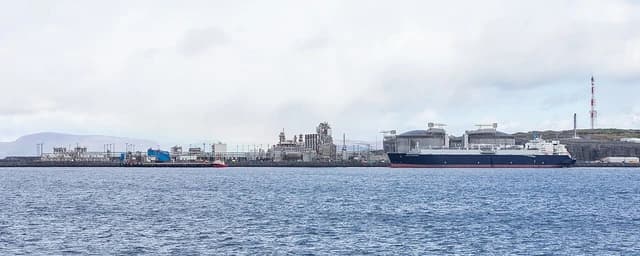
At the Gastech conference, Asian importers and producers said they are seeking cargoes from West Africa to Indonesia, while governments are increasingly focused not just on supplier diversification but on route diversification. That is the right response to a war that has already disrupted Gulf shipments, damaged Qatar’s Ras Laffan gas facility and delayed equipment deliveries for QatarEnergy’s North Field East expansion.
QatarEnergy now expects the first train of North Field East to start in the first half of 2027, but chief executive Saad al-Kaabi said additional trains will depend on how the Strait of Hormuz crisis is resolved. He also said some damaged LNG assets could take years to repair, underscoring that even a temporary reopening of the waterway would not instantly restore full supply security.
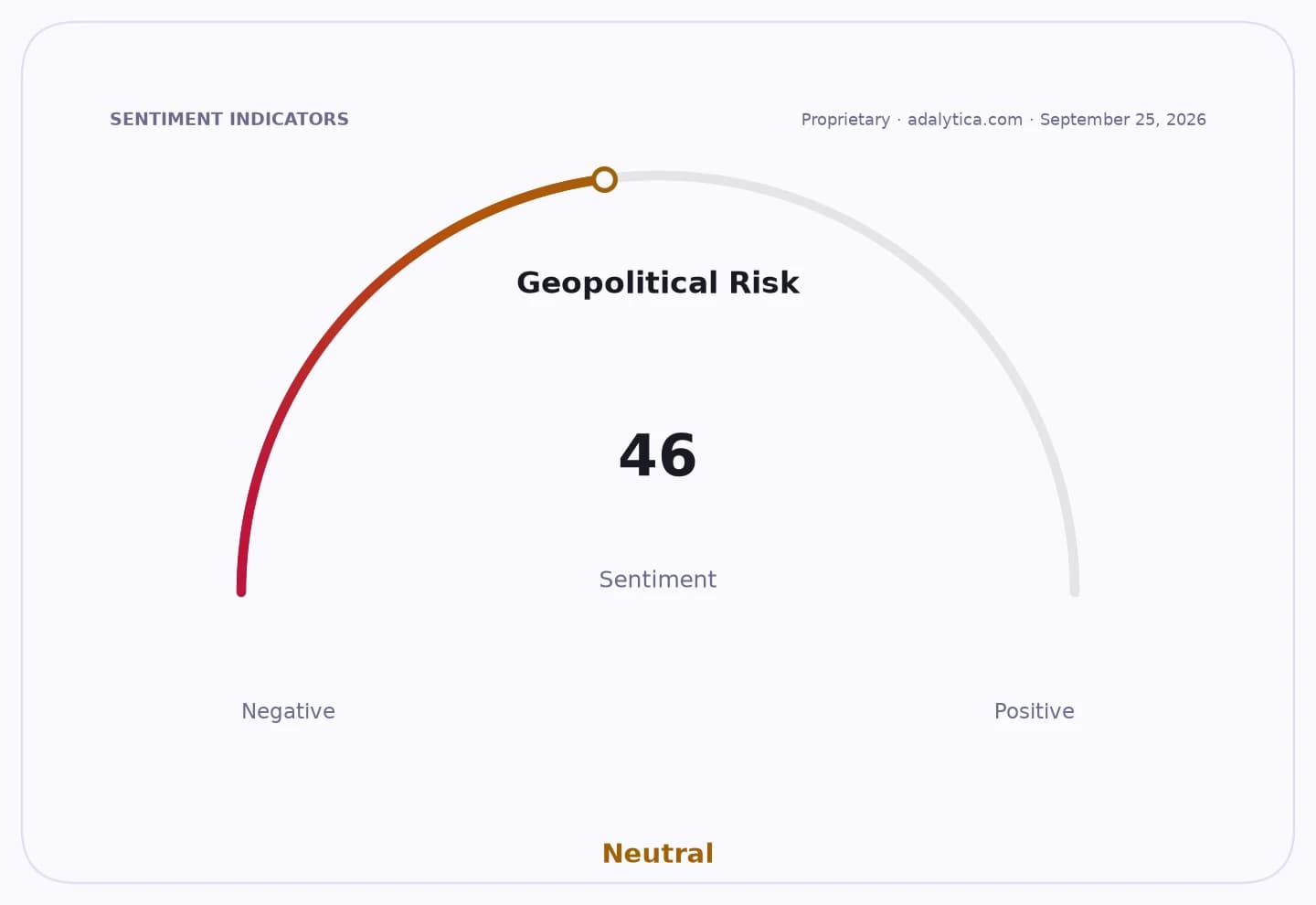
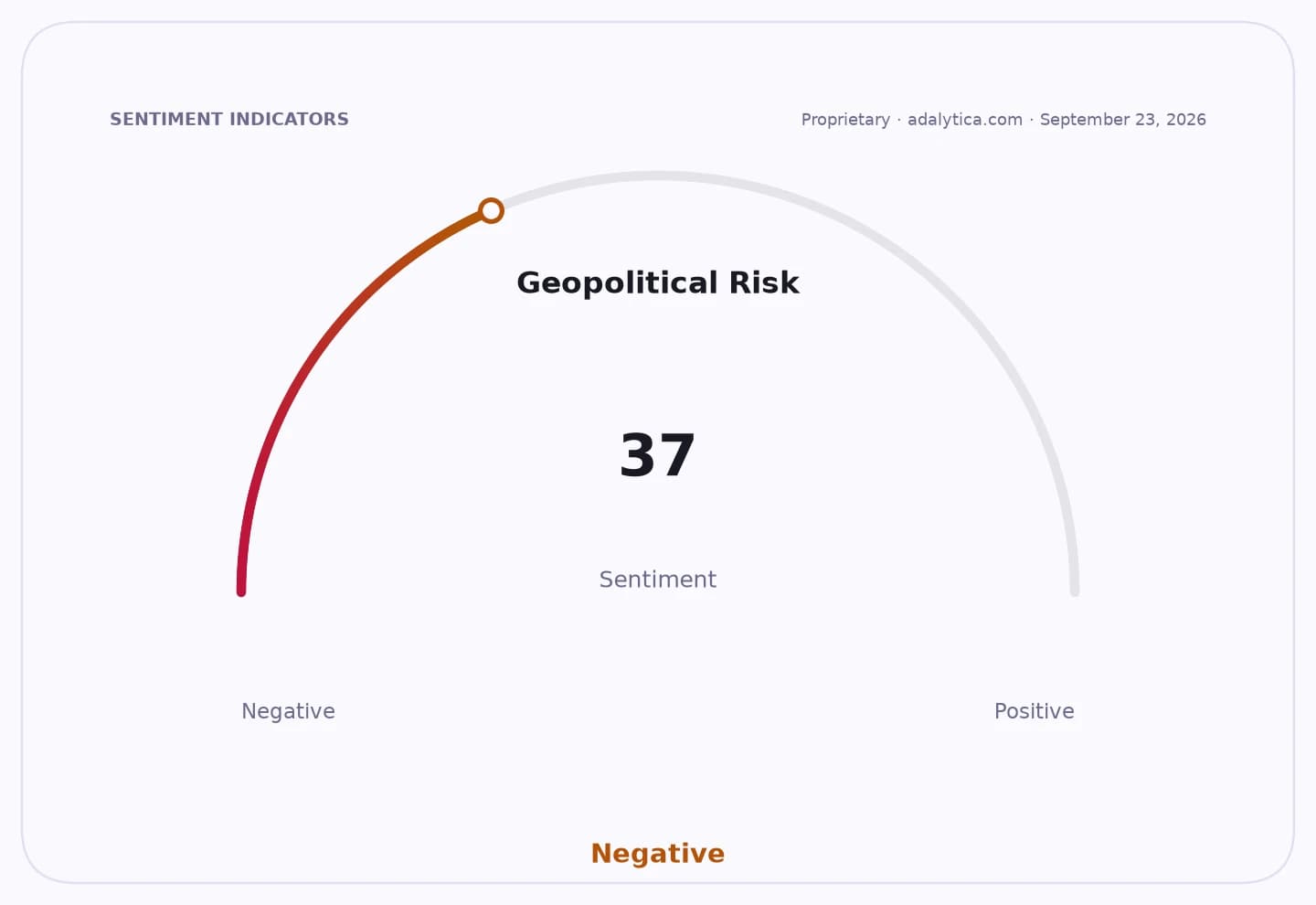
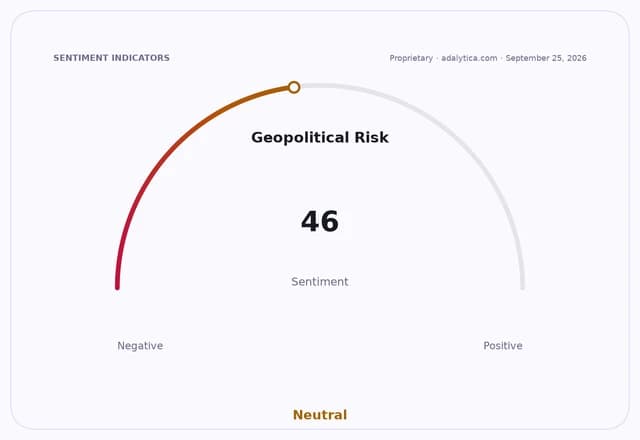
Geopolitical Risk — 30-day sentimentadalytica.com
Explore this data interactively — full history, time series and cross-market comparisons.Open AlphaPulse
For investors, the message is clear: the market is underpricing the second-order beneficiaries of this geopolitical shock. LNG developers with exposure outside the Gulf, shipping and midstream firms with flexible infrastructure, and integrated majors with global portfolios should gain pricing power as buyers pay for optionality. That includes names such as Shell, Chevron and Cheniere, alongside regional infrastructure plays tied to new receiving terminals and storage.
The broader backdrop is even more supportive. Global diesel and jet fuel shortages have already shown how wars in the Middle East and Ukraine can keep energy markets tight well into next year, while crude has oscillated on headlines without removing the underlying supply risk. A firmer dollar and profit-taking may knock commodities around day to day, but they do not fix the structural problem: too much of the world’s energy still moves through too few lanes.
The investable thesis is to favor resilience over headline beta. I believe this crisis will accelerate a secular reallocation toward diversified LNG supply chains, where the real upside sits not just in gas itself but in the toll roads of the trade — liquefaction, shipping, storage, regasification and long-term supply contracts. Buy the companies that can sell certainty when the market is forced to price uncertainty.
| Entity | Gains | Losses |
|---|---|---|
| LNG exporters outside Gulf | ▲Higher demand for flexible cargoes | ▼Less captive buyer base |
| Integrated majors | ▲Pricing power on diversified supply | ▼Exposure to transit shocks |
| QatarEnergy / Gulf sellers | ▲Potential premium for scarce supply | ▼Delays, asset damage, route risk |
| LNG importers / utilities | ▲More sourcing optionality | ▼Higher near-term procurement costs |