Brent crude slid to $100.34 a barrel on Monday as traders priced in a better chance of US-Iran diplomacy just as Saudi Arabia began restoring more disrupted shipments, easing fears of an immediate supply crunch in the world’s most sensitive oil corridor.
Brent crude falls on Iran talks and Saudi flows

The November Brent contract settled $3.53 lower, down 3.4%, while WTI for October delivery fell $4.52, or 4.51%, to $95.78 ahead of expiry. Both benchmarks hit their lowest levels in 12 days, underscoring how quickly the market is unwinding the geopolitical premium that had built into prices.
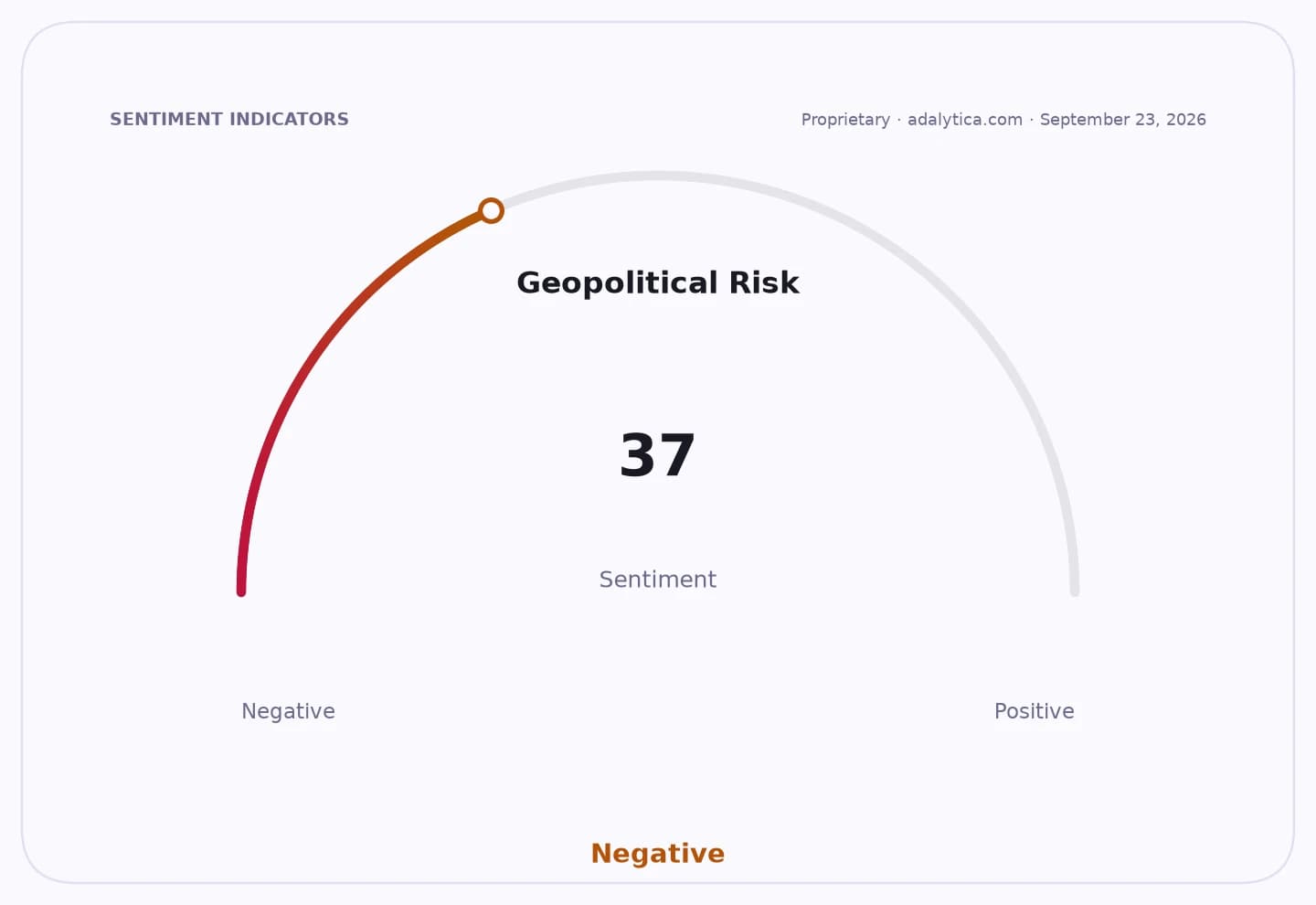
Sentiment IndicatorsⓘProprietary · adalytica.com · September 26, 2026
This is a snapshot — live sentiment, awareness and momentum for 130+ markets update continuously in the dashboard.Open AlphaPulse

For investors, the move matters because crude remains the key transmission mechanism from Middle East risk to inflation, shipping costs and the earnings outlook for energy producers. Cheaper oil helps refiners, airlines and other fuel users, but it can also trim cash flow expectations for producers and pressure shares of oil-linked assets after a strong run earlier in the month.
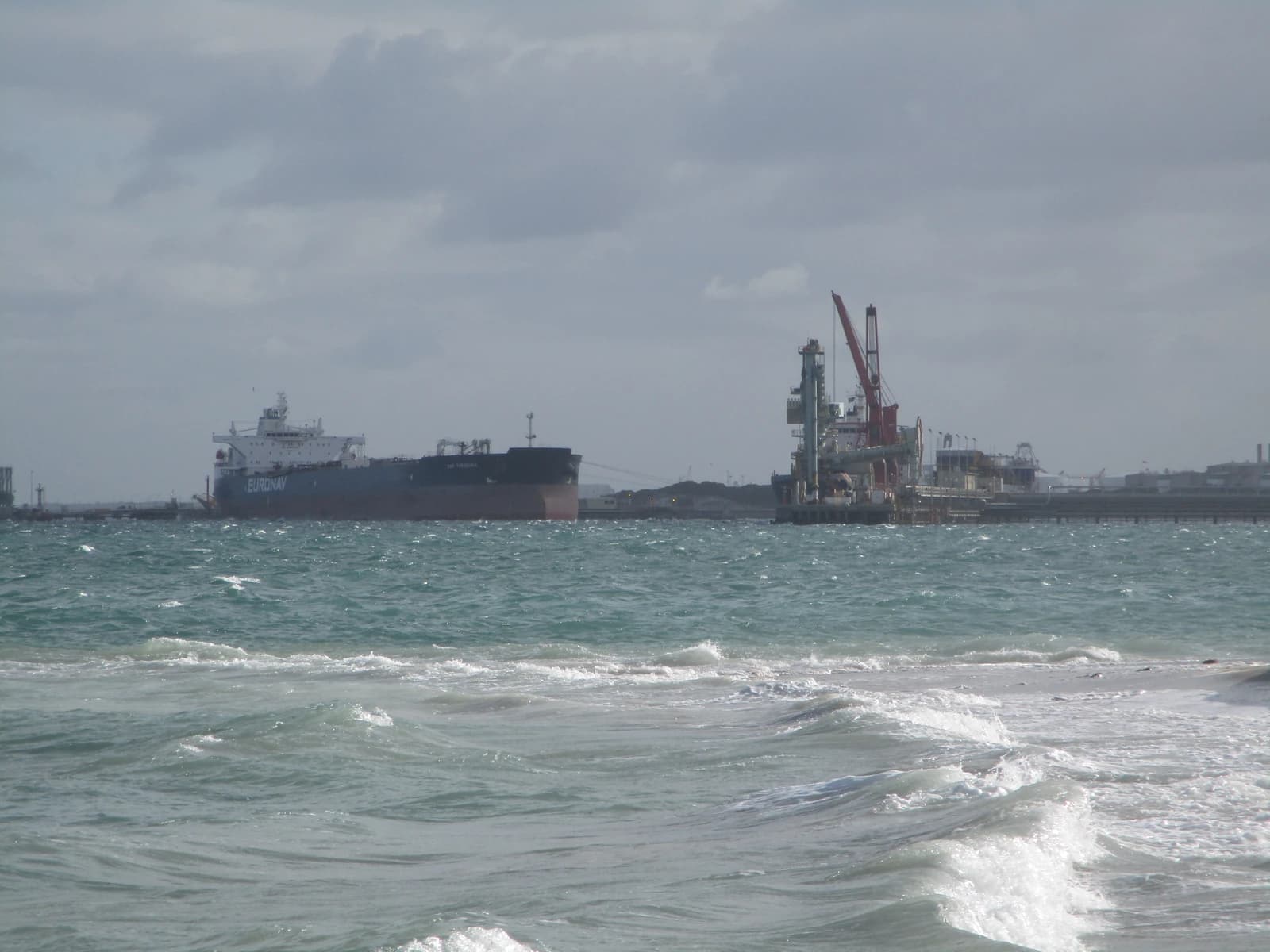
The latest decline was driven by a combination of diplomacy and supply. Saudi Aramco loaded about 14 million barrels onto seven supertankers in the Gulf on Sunday, tanker-tracking data showed, while satellite data indicated Saudi shipments through the Strait of Hormuz averaged 2.9 million barrels a day over the six days covered, up sharply from 700,000 barrels a day in August.
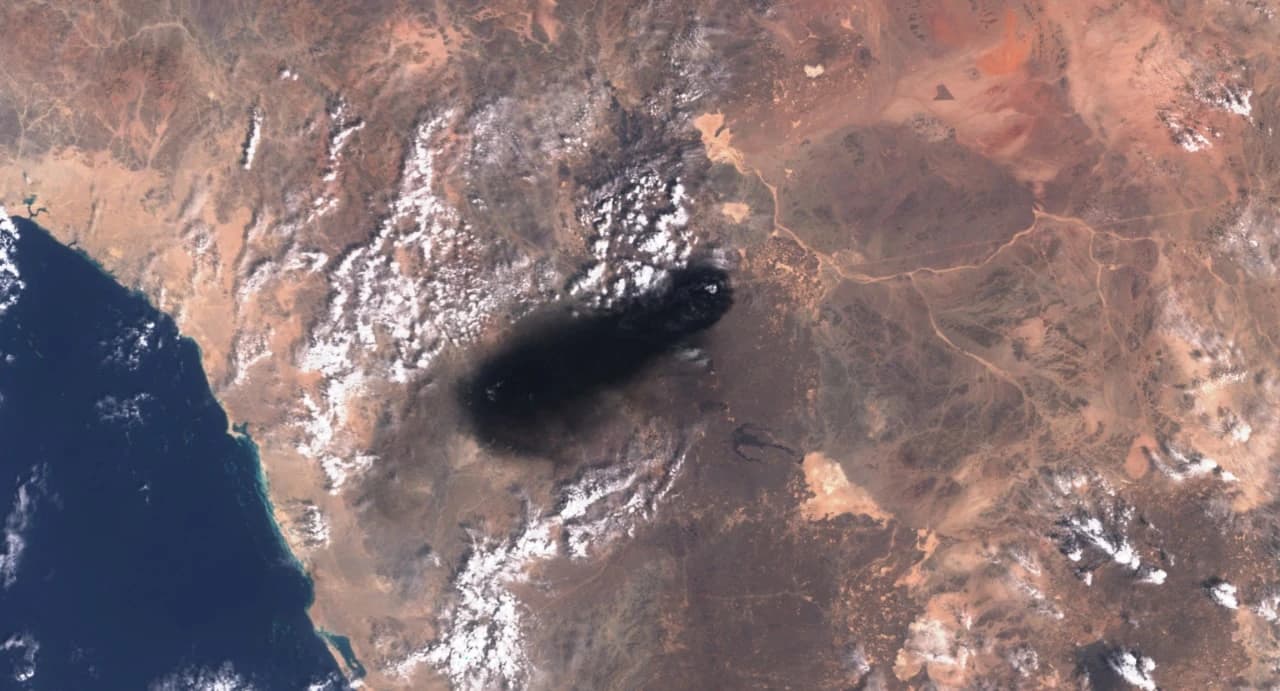
That recovery in flows followed Houthi attacks on Saudi infrastructure that had forced some shipments away from the Red Sea route, helping reassure the market that at least part of the disrupted supply could return. At the same time, President Donald Trump said he would be willing to meet Iranian President Masoud Pezeshkian, and Iranian officials said conditions had been conveyed to mediators for resuming negotiations.
The prospect of talks came as both sides traded fresh threats, but traders appeared more focused on the chance of de-escalation around the United Nations General Assembly in New York. “Investors were hoping for a breakthrough in peace talks,” said Tamas Varga of PVM Oil Associates, while Mizuho’s Bob Yawger said the idea of progress looked “a move in the right direction.”
Still, the market is not pricing in a clean resolution. Yemen’s Iran-backed Houthis said they had struck “sensitive” sites in Riyadh and a Saudi Aramco facility in Yanbu, and China reportedly asked Iran to help restrain the group after Saudi Arabia appealed to Beijing, keeping a risk premium in place even as prices fell.
Libya added a separate layer of supply uncertainty after its National Oil Corporation said output at the Sharara field had been partially reduced. For now, though, the dominant market message is that diplomacy and resuming Saudi barrels are outweighing the threat of escalation, a shift that could keep crude volatile heading into the UN talks and Tuesday’s expiry of the October WTI contract.
| Entity | Gains | Losses |
|---|---|---|
| Oil consumers | ▲Lower fuel costs | ▼Less hedge against inflation |
| Airlines/refiners | ▲Better margins | ▼— |
| Oil producers | ▲— | ▼Softer crude prices |
| Geopolitical risk sellers | ▲— | ▼Lower conflict premium |