Brent crude slipped below $100 a barrel and was down almost 4% on Monday, marking a sharp pullback as traders bet that Middle East tensions may not translate into a lasting supply disruption.
Brent crude falls below $100 on easing risk premium
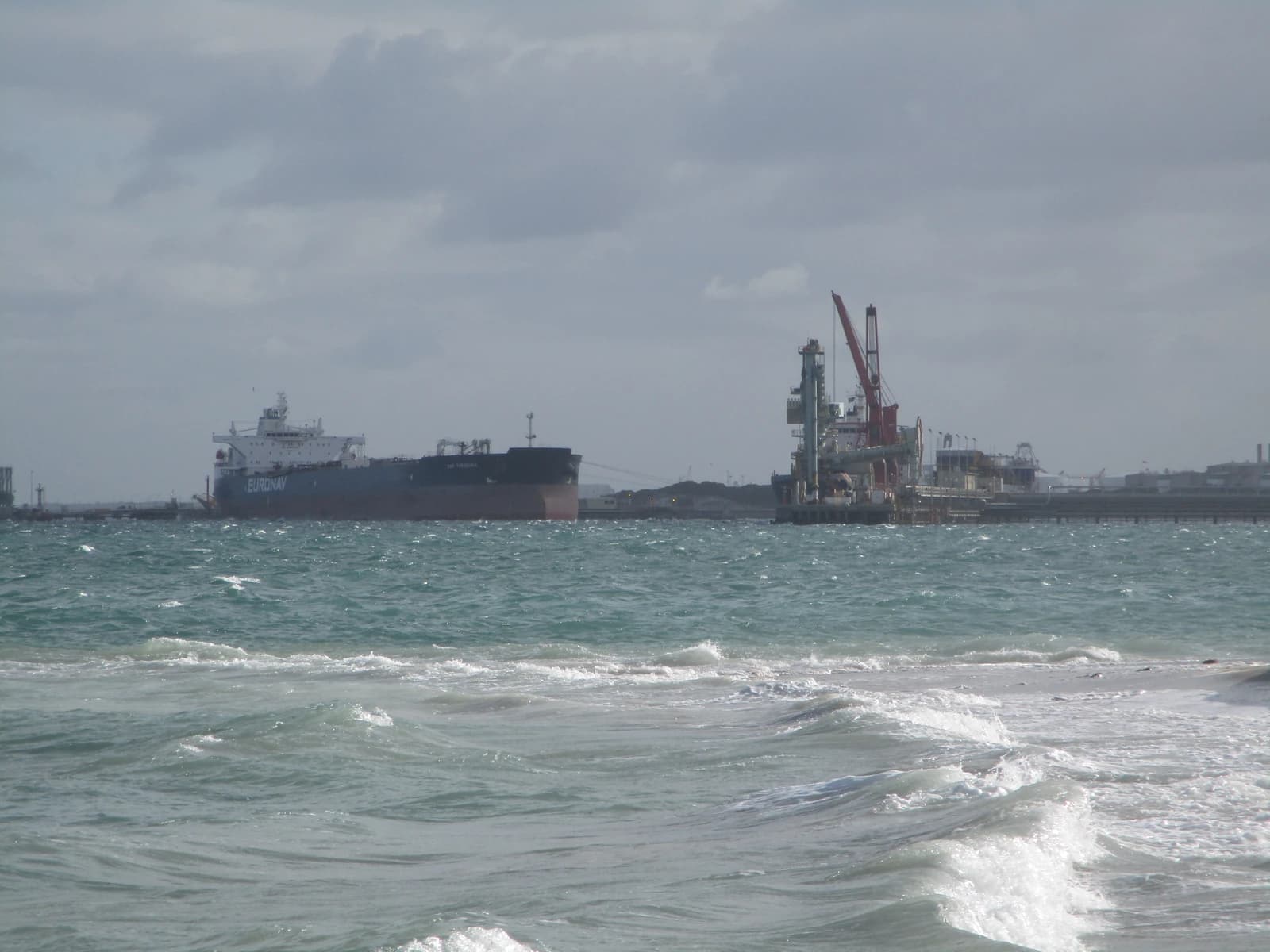
The benchmark for November delivery last traded at $99.99 around 1600 GMT, the lowest in nearly two weeks, after touching an intraday low of $99.53. The move puts Brent on course for a fourth straight decline, extending a slide that began after French President Emmanuel Macron called a G7 energy meeting to assess a possible release of oil from the International Energy Agency’s reserves.
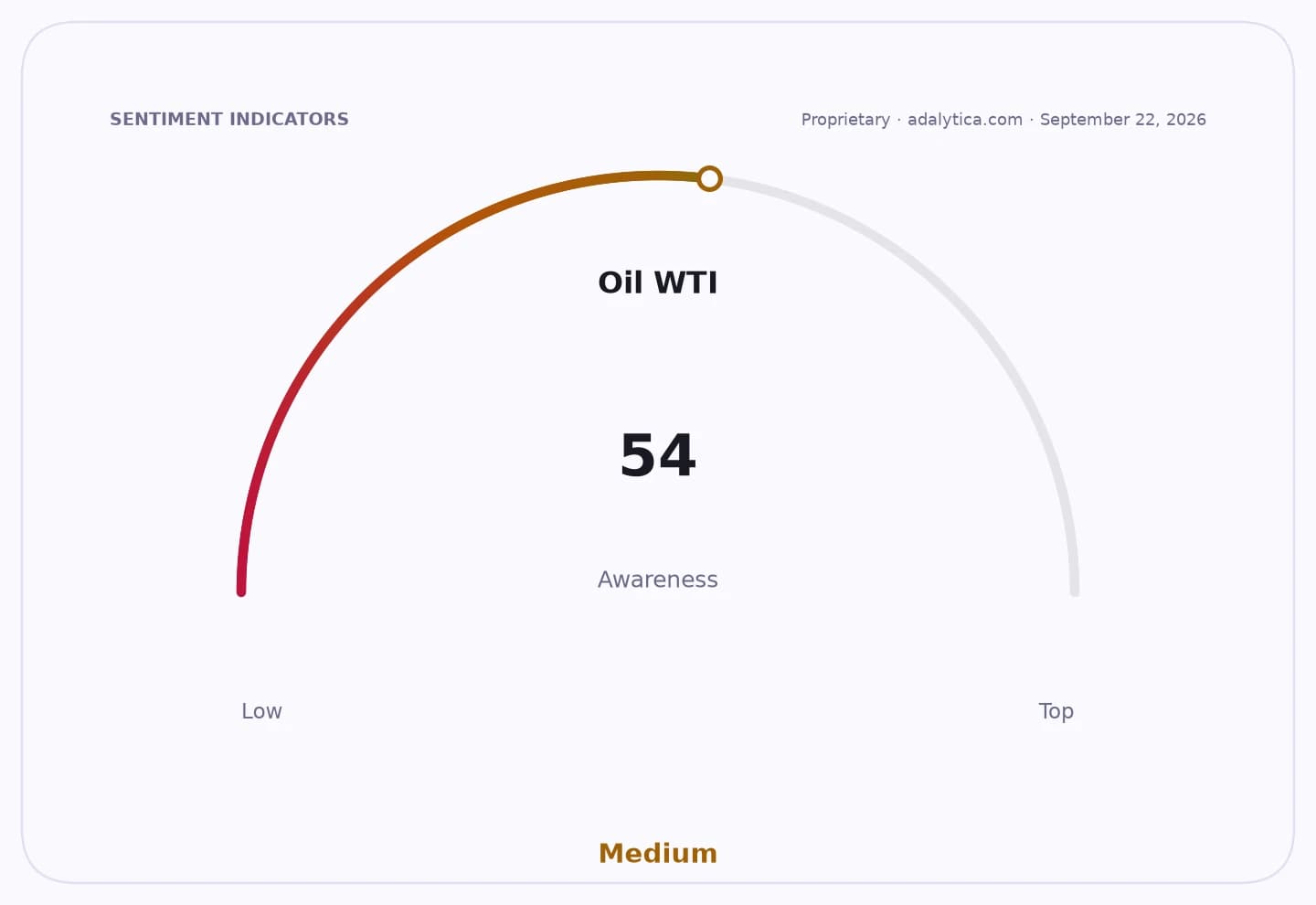
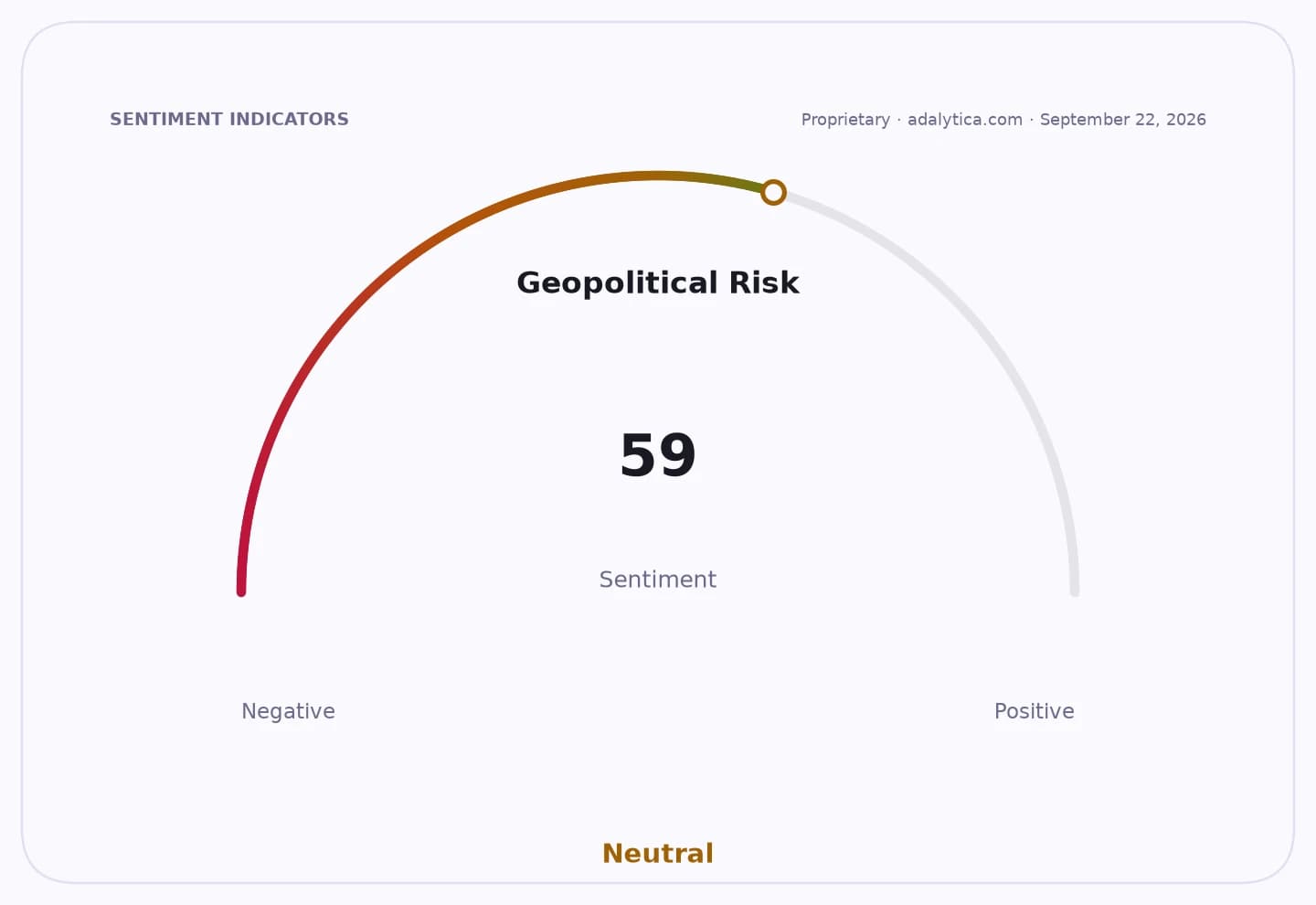
Sentiment IndicatorsⓘProprietary · adalytica.com · September 25, 2026
This is a snapshot — live sentiment, awareness and momentum for 130+ markets update continuously in the dashboard.Open AlphaPulse

West Texas Intermediate fell 4.52% to $95.77, underscoring that the selloff is broad-based rather than isolated to one benchmark. The drop comes even as geopolitical risks remain elevated, with Iranian military leaders warning the U.S. of “devastating” strikes on regional bases if attacked.
For investors, the retreat matters because oil remains one of the market’s fastest-moving macro inputs, feeding directly into inflation expectations, central-bank policy, airline costs, refining margins and broader equity sentiment. Lower crude prices can ease pressure on consumers and importers, but they also hit energy producers and can trim cash flow for major integrated oil companies after a year of volatile gains.
The decline also suggests the market is focusing less on worst-case supply shock scenarios and more on the possibility of diplomatic de-escalation, including signs that Saudi Arabia is moving to restore part of the East-West pipeline’s capacity and comments from Donald Trump that he is open to meeting Iranian President Masoud Pezeshkian. That combination is easing the risk premium that had pushed prices higher.
Energy shares and oil-linked exchange-traded funds are likely to stay sensitive to any further headlines from the U.N. General Assembly and the Qatar Economic Forum, where any signs of progress or confrontation could quickly reverse the move. Technical indicators also show the U.S. oil ETF USO cooling from overbought levels, with its relative strength index easing to 57.3 from 91.0 last week as the fund pulled back from recent highs.
| Entity | Gains | Losses |
|---|---|---|
| Oil importers | ▲Lower input costs | ▼Less protection from inflation |
| Consumers | ▲Cheaper fuel outlook | ▼— |
| Energy producers | ▲— | ▼Softer crude revenues |
| Oil bulls | ▲— | ▼Risk premium unwinds |