France’s talks with Donald Trump are part of a broader push to steady one of the world’s most important energy chokepoints, with Paris seeking U.S. backing for a new U.N. Security Council resolution on freedom of navigation in the Strait of Hormuz.
France seeks U.N. backing on Strait of Hormuz

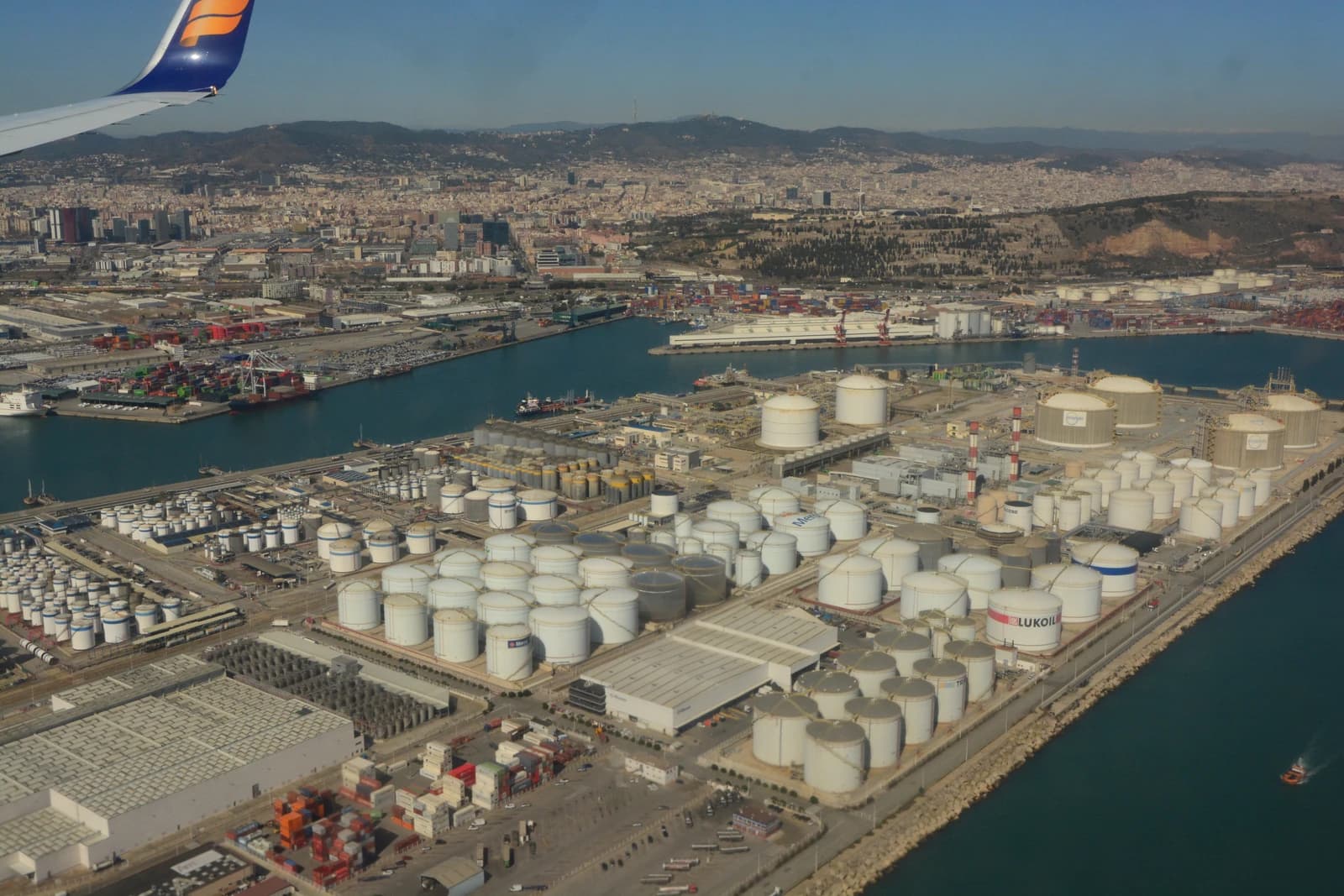
That matters because the narrow waterway carries a huge share of global oil and fuel flows, making any threat to shipping instantly relevant for inflation, central banks and company margins. When tensions rise there, energy prices can move fast, and investors tend to reprice everything from airlines and chemicals to broader risk appetite.
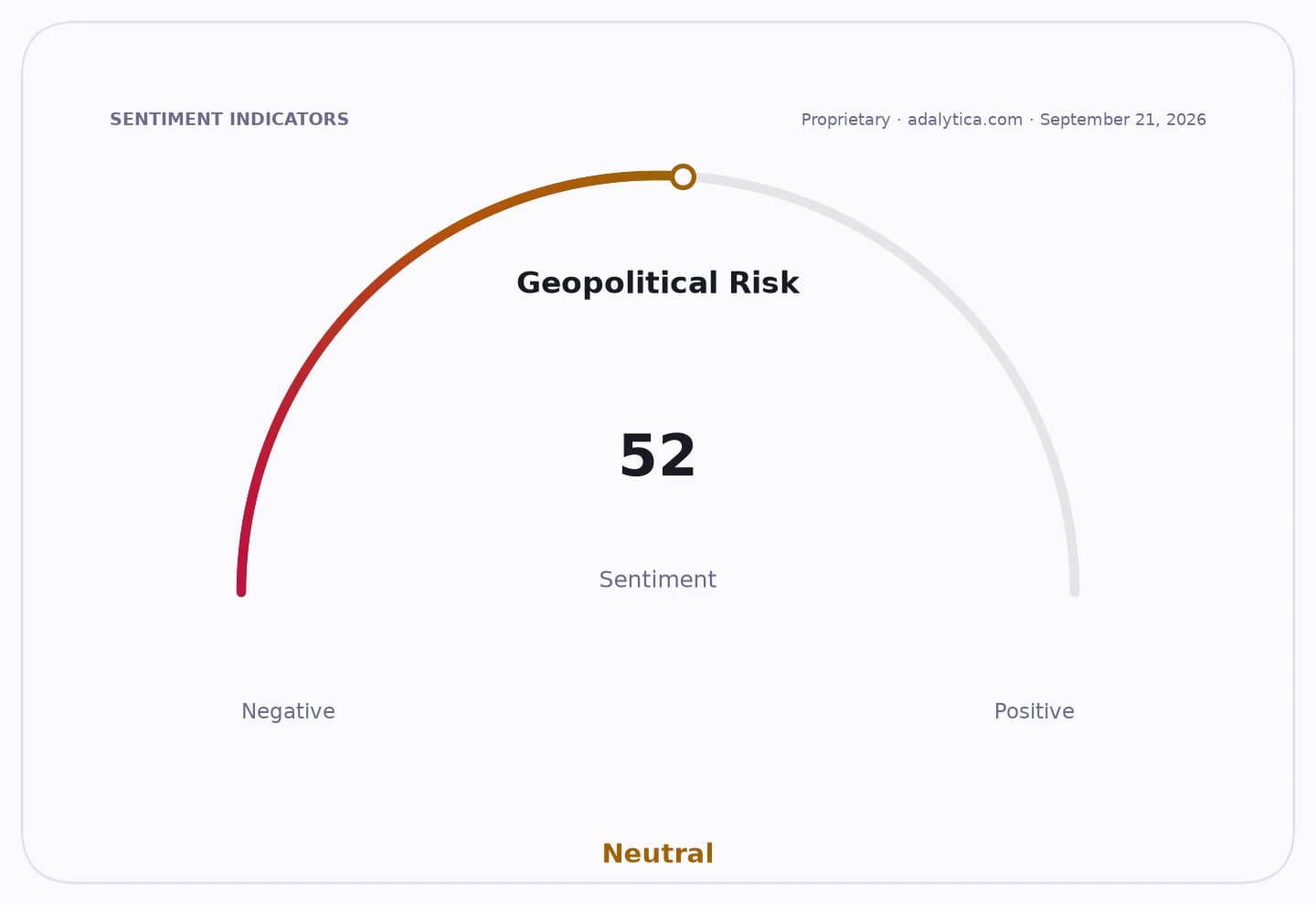
Sentiment IndicatorsⓘProprietary · adalytica.com · September 26, 2026
This is a snapshot — live sentiment, awareness and momentum for 130+ markets update continuously in the dashboard.Open AlphaPulse
Emmanuel Macron said his discussion with Trump in New York was “very good” and “constructive,” and the two leaders also touched on the war in Ukraine and security in the Red Sea. But the Hormuz issue is the one that speaks most directly to markets: France is trying to build a compromise text that could win wider support from China and Russia, a reminder that geopolitical de-escalation still depends on great-power dealmaking.
For investors, that makes this less about one bilateral meeting and more about whether diplomacy can reduce a source of recurring energy volatility. Any credible steps toward protecting shipping would be welcomed by oil consumers and import-dependent economies, while producers and tanker markets could see a more mixed response depending on how much risk premium is taken out of crude.
The backdrop is already telling. Oil has eased a bit from its recent highs, while broader risk sentiment remains fragile. In that kind of environment, headlines out of New York can move markets not because they guarantee peace, but because they can shift the odds of supply disruption.
The longer-term takeaway for investors is simple: geopolitical stability around key trade routes is an economic input, not just a foreign-policy talking point. If Macron can keep Trump engaged and bring enough of the Security Council along, that could be a modest but real support for global growth, lower shipping costs and calmer energy markets. It is worth watching, especially for long-term investors who know that the biggest gains often come from avoiding the shocks that rattle others.
| Entity | Gains | Losses |
|---|---|---|
| France | ▲Diplomatic leverage | ▼Little, if talks stall |
| U.S. and Trump | ▲Image of dealmaking | ▼Pressure to back multilateralism |
| Oil importers | ▲Lower supply-risk premium | ▼Less benefit from tight-crude spikes |
| Oil producers/tanker bulls | ▲Stability if disruption fades | ▼Higher war-risk premiums |