Oil tanker charter rates have hit an all-time high of more than $1.2 million a day, a brutal reminder that the most important price in this war may not be crude itself, but the cost of moving it.
Oil tanker rates hit record above $1.2 million a day
That matters because energy markets run on logistics as much as barrels. When shipping costs explode, refiners, traders and importers have to decide whether they can still make money moving oil at all. In other words, a geopolitical shock in the Middle East is now showing up as a direct tax on global fuel supply.
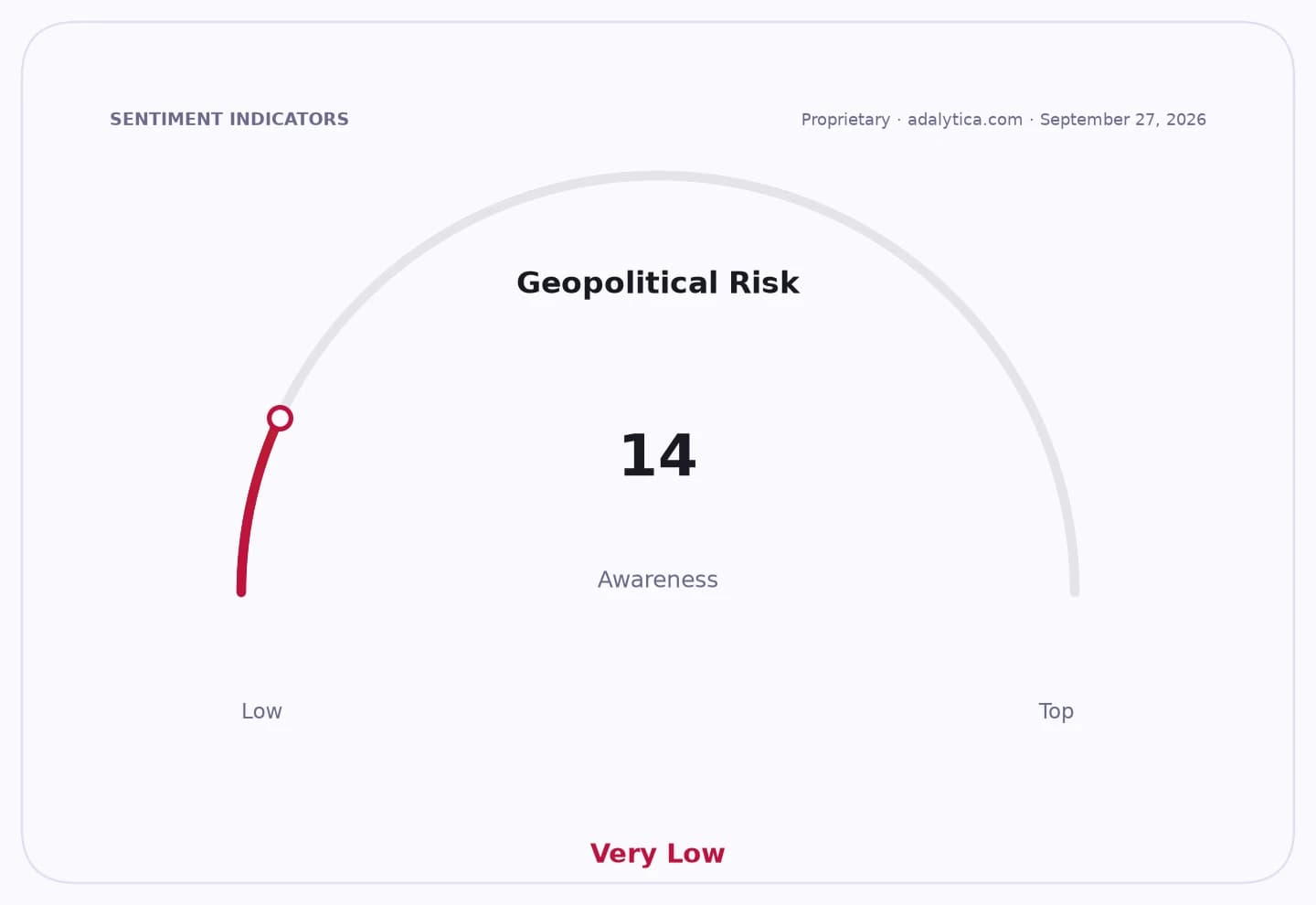
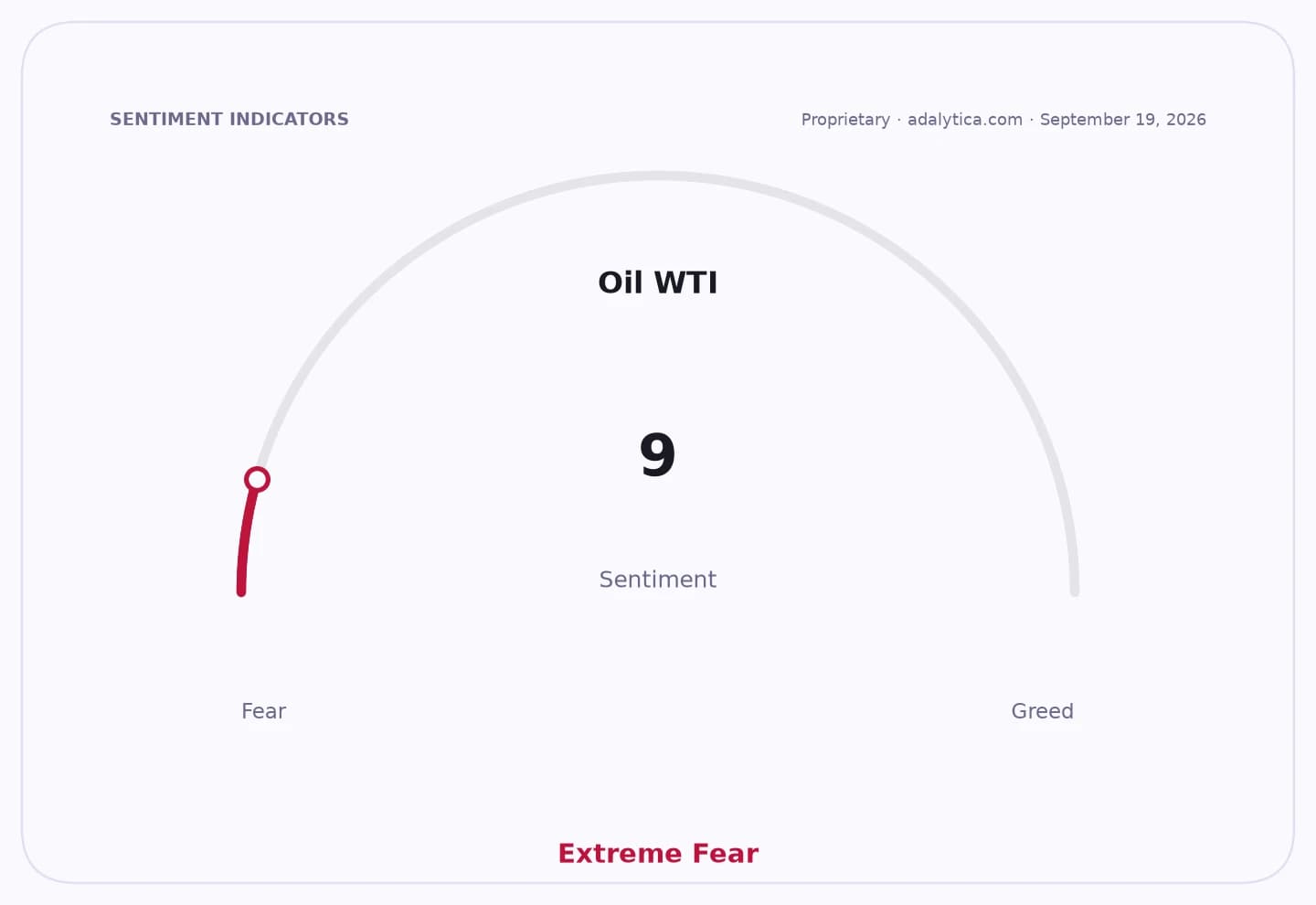
Sentiment IndicatorsⓘProprietary · adalytica.com · September 27, 2026
This is a snapshot — live sentiment, awareness and momentum for 130+ markets update continuously in the dashboard.Open AlphaPulse
The spike reflects a dangerous squeeze in tanker capacity after Middle East conflict disrupted normal routing through the Strait of Hormuz. With vessels forced into longer detours and ship-to-ship transfers piling up near the Gulf of Oman, available tonnage has thinned fast. Rates for very large crude carriers on the Middle East-China route have more than doubled since late August, while Brazil-to-China freight has also jumped sharply.
That is a big deal for investors because it changes who captures the upside from the oil trade. Higher crude prices are only part of the story. When freight costs soar, refiners’ margins get squeezed, some cargoes become uneconomic, and supply can tighten even if oil itself is available. For consumers, the pressure may be felt most clearly in diesel and other refined products, where transport bottlenecks can feed through to prices faster than headline crude benchmarks.
For tanker owners, this is the kind of dislocation that can reshape earnings in a matter of weeks. Shares of tanker operators such as Natco and broader energy shipping funds have already benefited from the freight surge, and the technical picture in market proxies for the sector shows strong momentum as investors chase the scarcity trade. But these moves also reflect stress, not health: when rates reach extreme levels, they often signal that the system is operating with very little slack.
The broader risk is that prolonged disruption could force more refiners to cut runs or delay purchases, which would drag on physical oil demand even as transport bottlenecks support shipping earnings. That tension is why this story matters well beyond the tanker market. It is about the fragility of global energy supply chains when geopolitics collide with limited fleet capacity.
For long-term investors, the lesson is simple: in a world of recurring geopolitical shocks, infrastructure and transport chokepoints can create outsized winners and losers. Tanker owners may enjoy a windfall, but consumers, refiners and oil-importing economies are paying the price. This is a market worth watching closely, especially if the conflict keeps tanker supply tight and freight rates elevated.
| Entity | Gains | Losses |
|---|---|---|
| Tanker owners | ▲Record freight income | ▼Higher operating risk |
| Oil exporters | ▲Limited pricing power on cargoes | ▼Longer transit times |
| Refiners | ▲— | ▼Squeezed margins |
| Fuel consumers | ▲— | ▼Higher diesel and transport costs |