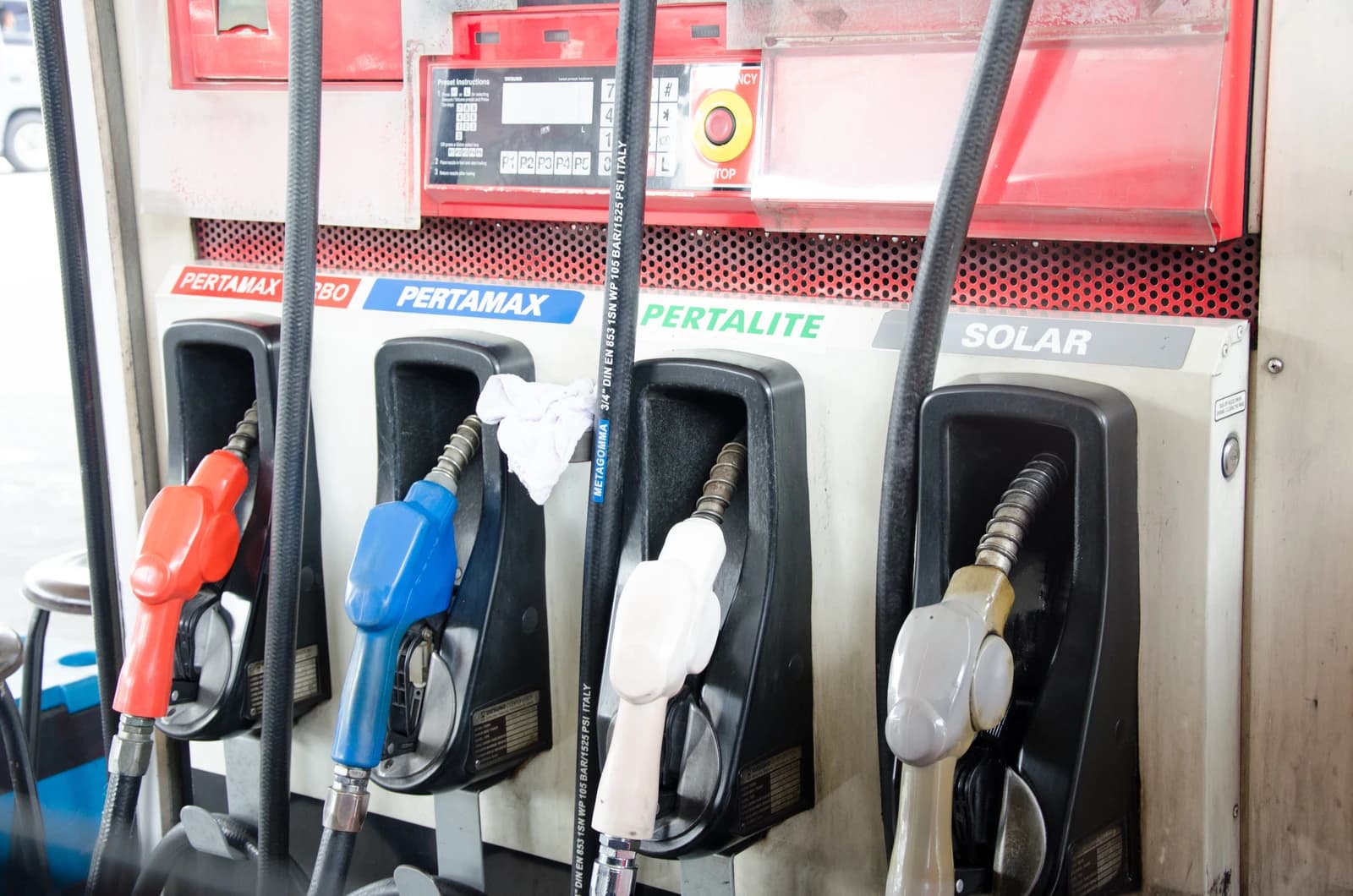
Fuel prices are climbing again in Georgia, with gasoline up as much as 7 tetri and diesel rising as much as 20 tetri at some branded stations in the past week, a move that keeps transport costs under pressure and adds a fresh inflationary impulse to households and businesses.
Georgia Fuel Prices Rise Again
The timing matters because this is not a one-off adjustment. Prices had already risen in earlier waves, with gasoline and diesel both marked up repeatedly over the past few weeks. That kind of back-to-back pricing usually reflects a tighter global fuel market, not just local retail behavior, and it quickly filters through an economy where trucking, delivery and public transport depend heavily on imported petroleum products.
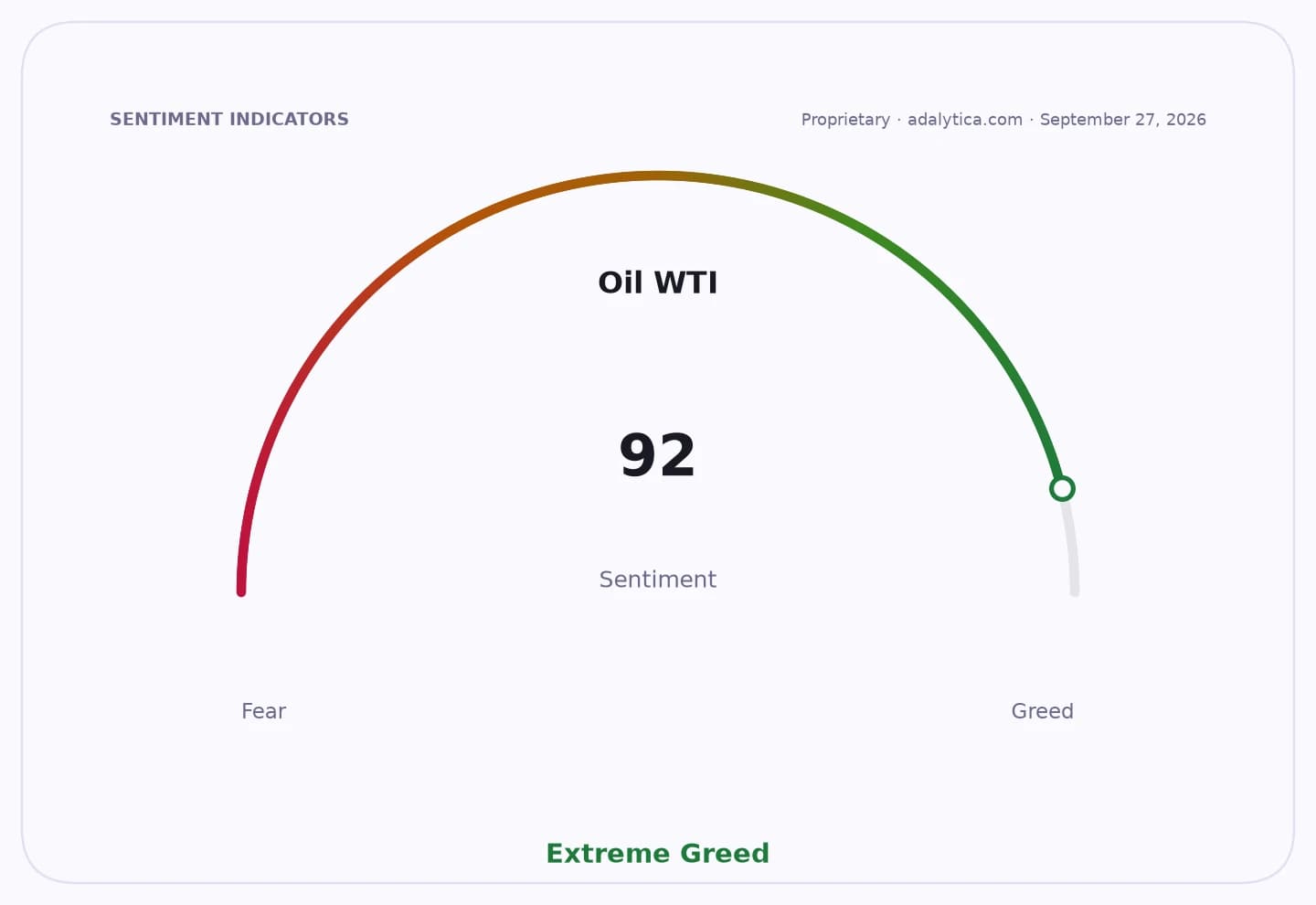
Sentiment IndicatorsⓘProprietary · adalytica.com · September 28, 2026
This is a snapshot — live sentiment, awareness and momentum for 130+ markets update continuously in the dashboard.Open AlphaPulse
That broader oil backdrop is still firm. The U.S. Oil Fund, which tracks crude, has been trading far above its 50-day and 200-day moving averages, and Adalytica’s Oil WTI Trade Signals show “Extreme Greed,” a sign that traders remain heavily positioned for strength even after recent swings. In other words, the market is still treating oil as a scarcity trade, and pump prices in smaller import-dependent economies tend to follow that direction with a lag.
For investors, the story splits cleanly into winners and losers. Refiners and fuel marketers such as Marathon Petroleum, Valero and Phillips 66 benefit when product prices rise faster than input costs, especially if gasoline and diesel cracks stay wide. Marathon Petroleum’s latest filings already showed refining margins running well above year-ago levels, while Valero said higher gasoline and distillate margins drove a major jump in refining income. Integrated producers also get support from firmer crude, though downstream profits can offset volatility.
The losers are more obvious: consumers, freight operators, logistics firms and any business that cannot pass on fuel costs immediately. Higher diesel is especially important because it hits the backbone of the real economy — trucking, agriculture, construction and distribution — and can push up prices beyond the forecourt. Gasoline increases are more visible politically, but diesel is often the more economically sensitive input.
That is why this latest round of increases matters more than a simple sticker shock at the pump. If oil stays elevated, Georgia’s fuel market is likely to keep transmitting global energy stress into local inflation, leaving policymakers with less room to breathe and businesses with slimmer margins. For investors, the cleanest trade remains to own the beneficiaries of tight fuel markets — refiners, energy equities and oil-linked funds — while staying cautious on transport and fuel-intensive operators that will feel the squeeze next.
| Entity | Gains | Losses |
|---|