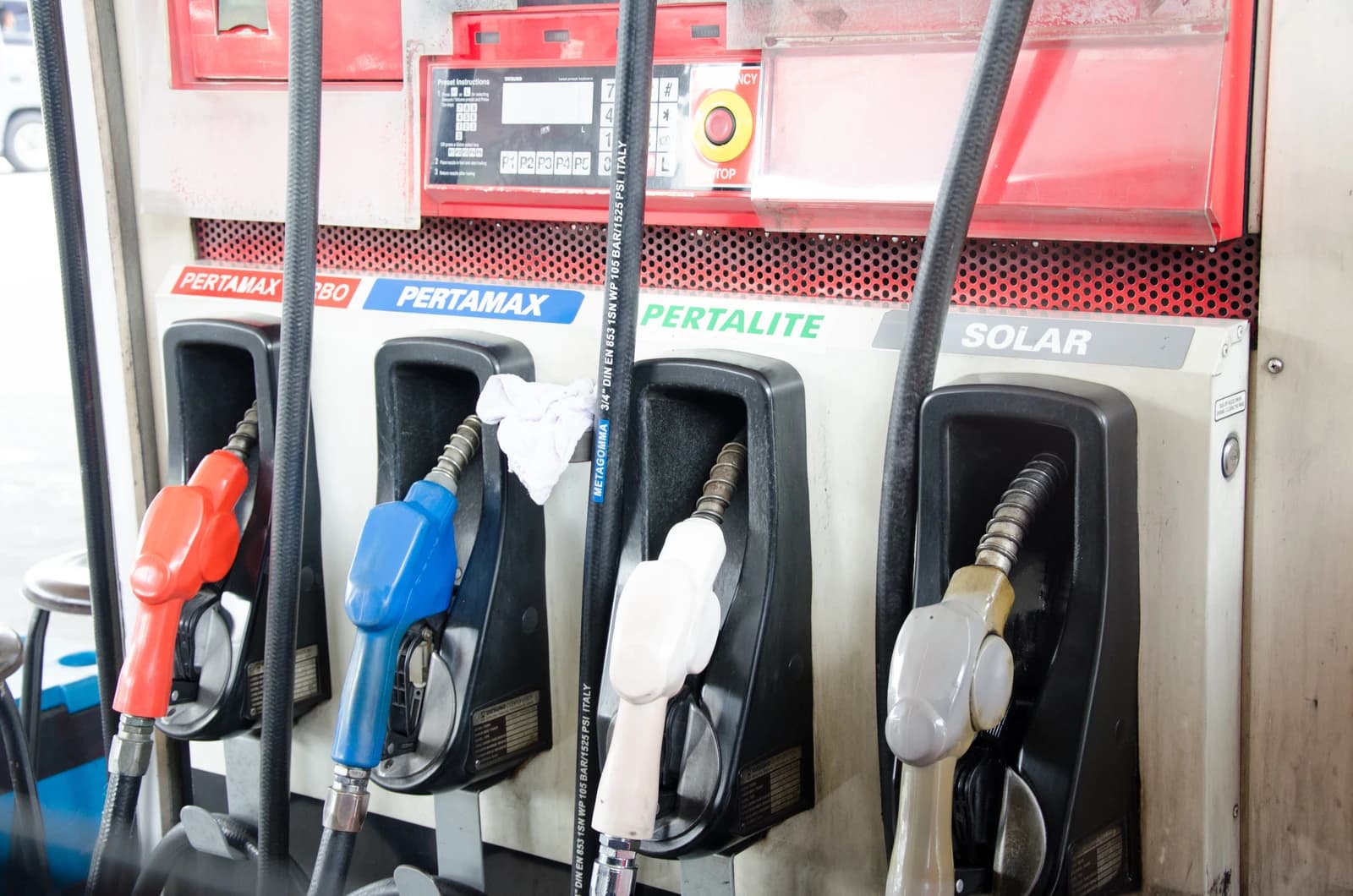
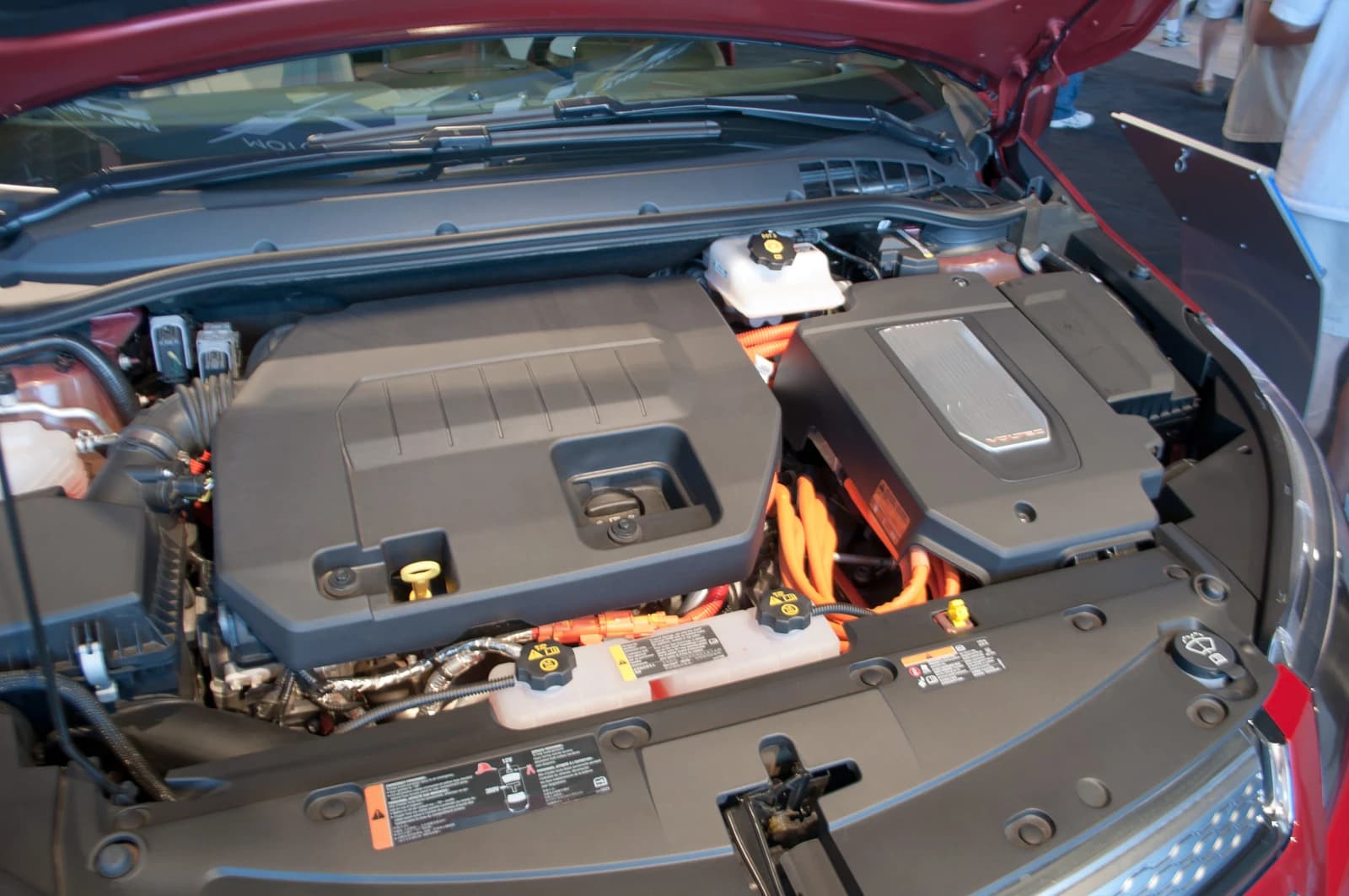
Oil’s latest move back toward $100 a barrel is putting the same argument front and center again: Americans and European drivers may grumble about fuel economy when gasoline is cheap, but the higher the pump price climbs, the faster the market swings back toward smaller vehicles, hybrids and electric cars.
Oil Near $100 Raises EV Demand and Auto Mix Pressure
That matters because fuel costs remain one of the quickest channels through which crude prices hit household spending, inflation and vehicle demand. Brent-linked benchmarks have been volatile for weeks, and U.S. West Texas Intermediate was forecast at $94.13 a barrel on Sept. 23 after touching $101.44 on Sept. 18. Even after easing to $96.41 on Sept. 22, crude remains high enough to squeeze commuters and fleet operators, while reintroducing inflation pressure just as consumer budgets are already strained.
Sentiment IndicatorsⓘProprietary · adalytica.com · September 27, 2026
This is a snapshot — live sentiment, awareness and momentum for 130+ markets update continuously in the dashboard.Open AlphaPulse
The impact is visible in the auto market. Tesla shares have been under pressure below their 200-day moving average, but the stock has still recovered above its 50-day average, suggesting investors are weighing both oil-driven EV demand and broader valuation concerns. General Motors and Ford, meanwhile, are trading near their own shorter-term averages, reflecting a market split between beneficiaries of truck demand and firms exposed if consumers finally trade down on fuel economy. GM’s full-size pickups and SUVs remain core profit drivers, yet the same oil rally that supports demand for efficient vehicles can also expose how dependent Detroit still is on large, high-margin trucks when gasoline is cheaper.
The wider economic backdrop reinforces the point. U.S. consumer prices have risen sharply over the long cycle, leaving transportation costs more sensitive than ever to fuel shocks. In Europe, the strain is even more immediate: diesel prices have climbed enough to hit commuters, pensioners and small businesses, while electric vehicle sales there rose more than 50% in August as high fuel costs pushed buyers toward lower running costs. That is the same behavioral loop the seed headline captures — drivers object to fuel efficiency when gasoline is benign, then rush back to it when fuel turns expensive.
Adalytica’s oil trade signals show sentiment at “Extreme Greed,” which is consistent with a market that has moved quickly from complacency to concern. But the bigger investor takeaway is not the sentiment reading itself. It is that expensive fuel can reshape auto demand faster than most corporate product cycles. For Tesla, that can support volume and pricing power at the margin. For GM and Ford, it increases the pressure to prove that EVs, hybrids and software revenue can offset the cyclicality of truck sales.
If oil stays elevated, the next leg of the story is likely to be policy and product mix: more EV adoption, more hybrid demand, and more scrutiny on the profitability of gas guzzlers. If crude falls again, the old pattern returns — consumers drift back to bigger vehicles, and the industry resumes the rinse-and-repeat cycle that has long defined auto demand.
| Entity | Gains | Losses |
|---|---|---|
| Tesla | ▲stronger EV demand | ▼higher input-cost volatility |
| GM | ▲pickup/SUV pricing power | ▼weaker small-car mix |
| Ford | ▲truck profit center | ▼fuel-sensitive buyers |
| Drivers | ▲fuel-efficient options | ▼gasoline budgets |