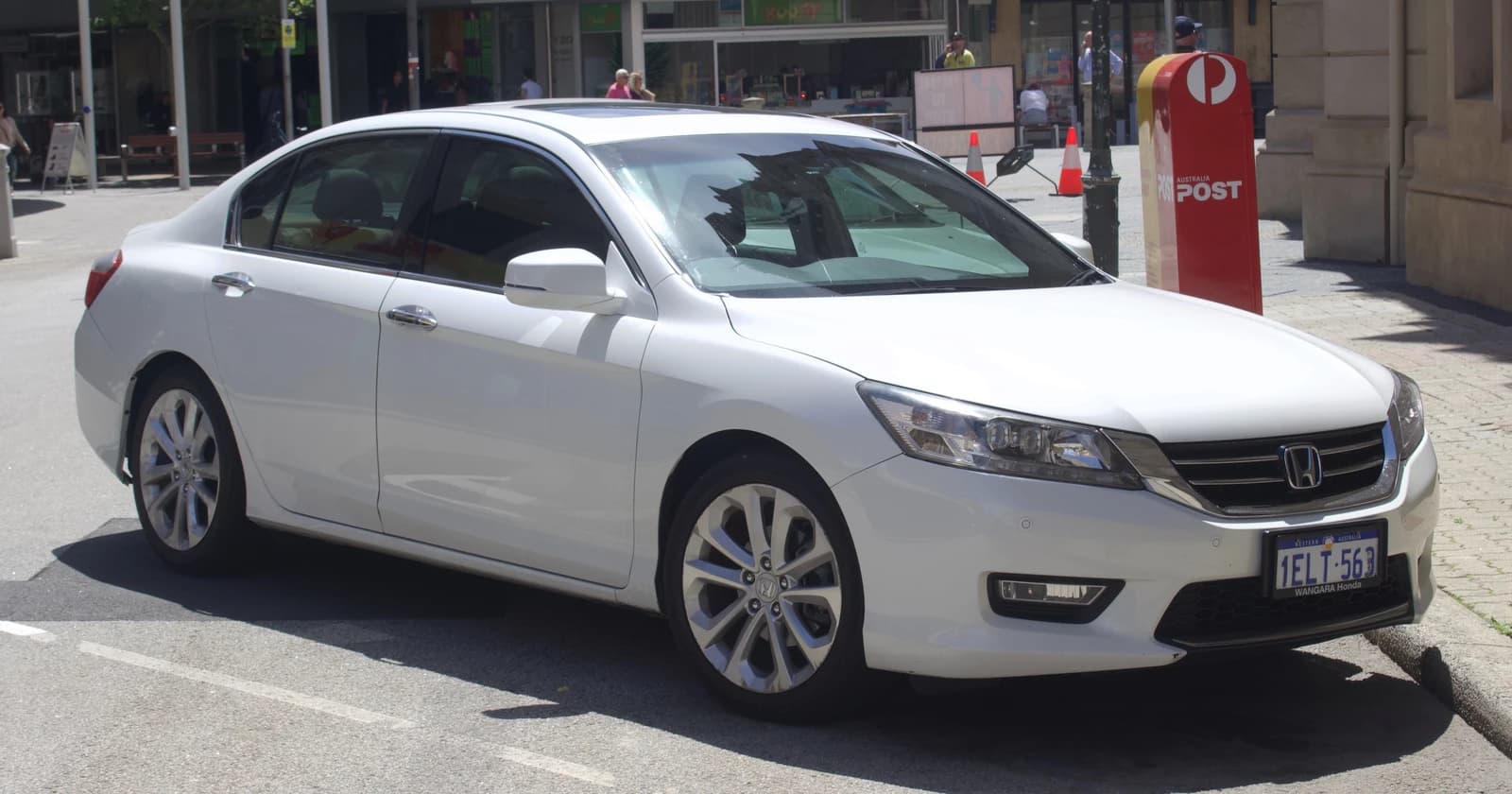
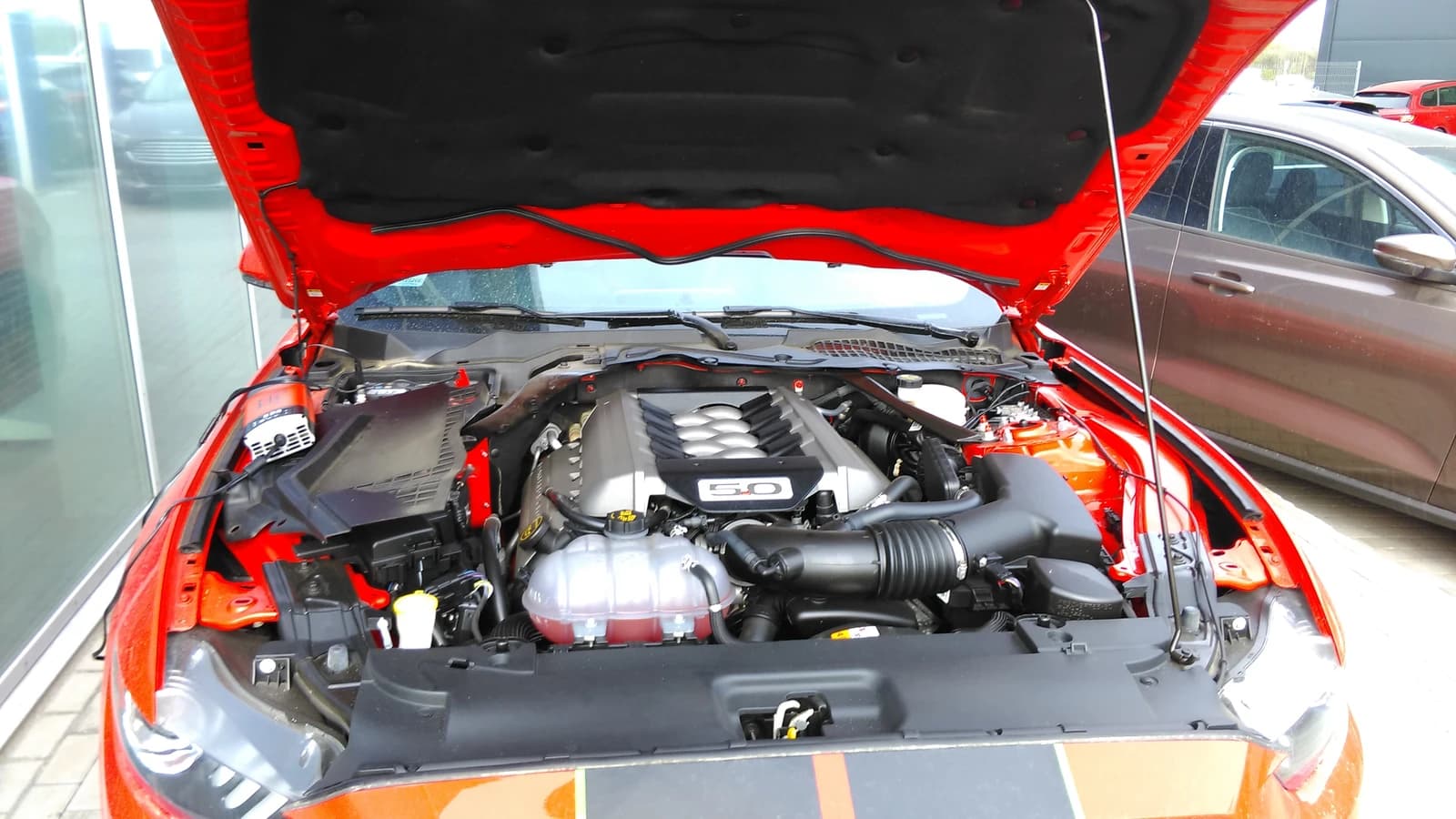
Hybrid powertrains are becoming the auto industry’s most practical answer to slower-than-hoped pure-EV adoption, as manufacturers seek to preserve electric driving while sidestepping battery cost, charging gaps and resale worries that have made some buyers cautious.
Hybrids Gain as EV Demand Cools
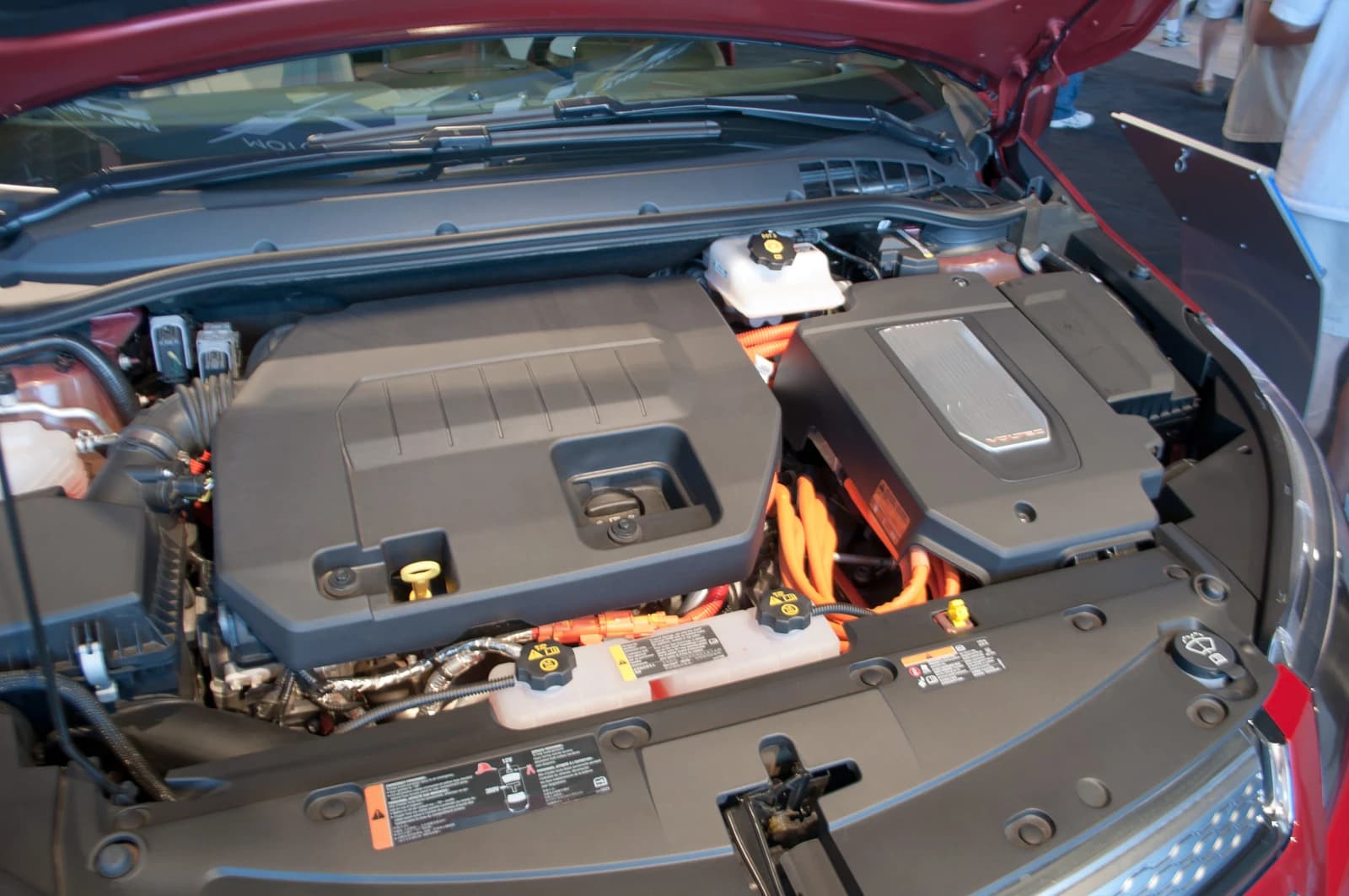
The shift matters because it reflects a market where the economics of electrification are changing faster than the marketing narrative. A plug-in hybrid or extended-range EV typically costs less to position than a long-range battery-only model, can be sold into regions with thin charging networks, and reduces the need for expensive battery packs that have pressured margins across the industry. For buyers, the appeal is straightforward: more usable range without depending entirely on public charging. For automakers, it can mean a better balance between compliance, affordability and profitability.
Sentiment IndicatorsⓘProprietary · adalytica.com · September 6, 2026
This is a snapshot — live sentiment, awareness and momentum for 130+ markets update continuously in the dashboard.Open AlphaPulse
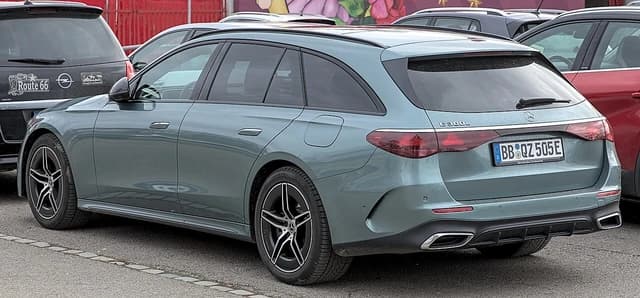
That calculus is showing up alongside a broader cooling in EV enthusiasm. U.S. unemployment remains relatively low at 4.1%, but higher financing costs still weigh on monthly payments for expensive new vehicles. Treasury yields are also elevated, with the 10-year around 4.8% and the 2-year near 4.4%, keeping auto loans costly versus the ultra-low-rate environment that helped fuel EV demand earlier in the cycle. In that backdrop, a gas engine as backup looks less like a step backward than a sales tool.
Tesla, the pure-EV bellwether, closed at $354.08 on Sept. 4, below its 200-day moving average of about $399.56, a technical sign of fading momentum even as the stock remains above its 50-day average. GM finished at $87.76, with both its 50-day and 200-day averages trending below the price, while Ford closed at $14.62, slightly above both its 50-day and 200-day averages. The mixed stock action underscores the market’s split view: investors still value scale and optionality, but they are no longer rewarding EV purity on its own.
The industry’s turn toward hybrid systems also fits a policy reality. Governments still want cleaner fleets, but consumers are demanding lower upfront cost and fewer compromises. That is helping traditional automakers that can spread development costs across internal combustion, hybrids and EVs. It is also a challenge for newer EV-only players, which must defend higher battery costs and continue spending heavily on software, charging access and manufacturing efficiency.
For investors, the key question is no longer whether EVs will grow, but what mix of powertrains will deliver that growth profitably. Carmakers that can sell gas-assisted EVs and hybrids may be better placed to protect volume and margins while the charging buildout catches up. Pure-play EV makers face a tougher test: prove that battery-only vehicles can still win customers without forcing discounts or sacrificing returns.
The next catalyst is likely to be product launches and pricing, especially in the mid-market segment where range concerns remain most acute. If gas-assisted EVs accelerate, they could extend the industry’s transition rather than derail it — but they also signal that the race to full electrification is becoming more incremental, and more commercially disciplined, than the sector once promised.
| Entity | Gains | Losses |
|---|---|---|
| Carmakers with hybrid portfolios | ▲Higher sales flexibility | ▼Pure-EV-only rivals |
| Buyers in weak charging markets | ▲Longer usable range | ▼Buyers seeking lowest EV purity |
| Legacy automakers | ▲Better margins and compliance | ▼Battery-only startups |
| Battery suppliers | ▲Steadier demand from hybrids | ▼Long-range pack demand |