Peugeot is filling out its electric light-commercial lineup as Europe’s van market shifts toward zero-emission fleets, with the new e-Partner joining the already-launched e-Expert and e-Boxer to give the brand a full battery-electric range from compact to large utility vehicles.
Peugeot Adds e-Partner and Expands EV Van Lineup
That matters because commercial vehicles are among the hardest segments to decarbonize: operators need usable payload, charging speed and range, not just lower emissions. Peugeot is trying to meet that brief with vans that keep diesel-like practicality while allowing fleet buyers to comply with tightening urban emissions rules and corporate carbon targets.
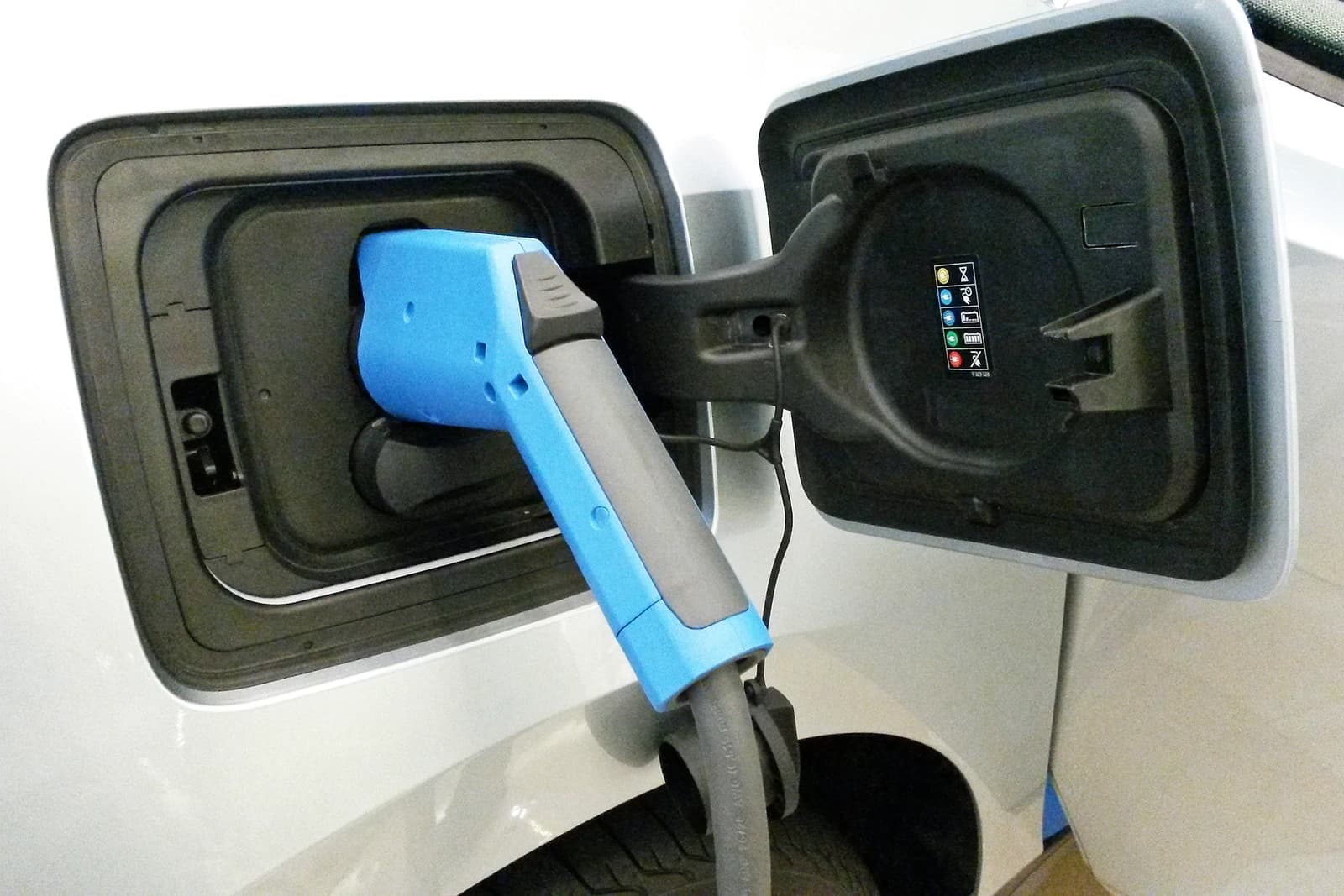
The e-Partner is the most commercially important addition. Peugeot said the model, which has been sold in more than 100 countries and produced in 2 million units since 1996, is now available as a fully electric version based on the EMP2 multi-energy platform. It uses a 136-horsepower motor and a 50-kWh battery offering up to 275 kilometers of WLTP range, with the ability to recharge to 80% in 30 minutes on a 100-kW fast charger. Payload is listed at up to 800 kg, with cargo volume of up to 4.4 cubic meters, matching the combustion version.
The larger e-Boxer extends that logic into heavier-duty use. Peugeot’s electric version of the big van comes with a 122-horsepower motor, battery options of 37 kWh or 70 kWh and range of up to 340 kilometers, while payload can reach 1,890 kg depending on version. Fast charging to 80% takes about an hour on a 50-kW terminal, and the model retains the same load volumes as the internal-combustion version, at up to 17 cubic meters.
For investors, the significance is twofold. First, the launch underscores how rapidly European carmakers are being forced to electrify commercial fleets, a market where buyers are more sensitive to total cost of ownership than badge value. Second, it shows Stellantis, Peugeot’s parent, pushing scale across the utility segment rather than treating electric vans as niche compliance products. That can support pricing power and protect market share against newer rivals, including Kia’s newly unveiled PV7, which is aimed at the same zero-emission commercial-vehicle demand.
The bull case is that Peugeot’s range breadth and familiar van nameplates should help it win fleet contracts as cities and regulators tighten emissions standards. The bear case is that range and charging figures remain only part of the equation: buyers will still judge residual values, uptime, dealer support and battery degradation, while competition in electric vans is likely to intensify.
With e-Partner production set for Vigo in Spain and e-Boxer already on sale, Peugeot now has a coherent electric-commercial offering across sizes — a necessary step as the van segment becomes one of the clearest tests of whether Europe’s auto groups can turn electrification into volume business, not just engineering showcase.
| Entity | Gains | Losses |
|---|---|---|
| Peugeot | ▲fuller EV van lineup | ▼fewer gaps in offer |
| Fleet buyers | ▲lower-emission options | ▼less diesel dependence |
| Rivals in electric vans | ▲tougher competition | ▼share pressure |
| Diesel van makers | ▲slower transition tailwind | ▼demand erosion |