Germany’s plan to let electric cars feed power back into the grid is colliding with a major industry backlash that could slow one of the most promising ways to make EVs cheaper to own and more useful to the energy system.
Germany EV bidirectional charging rules face backlash
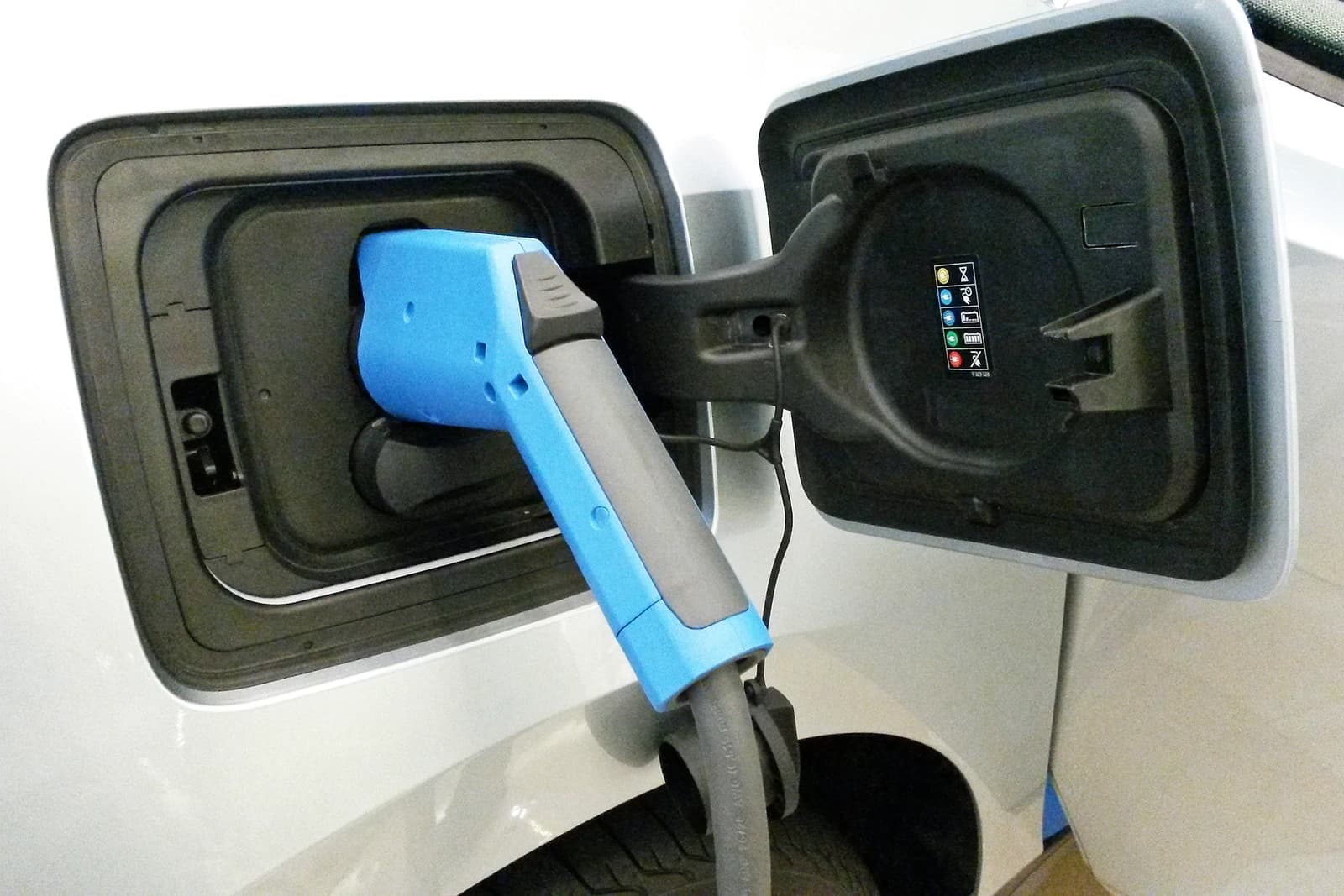
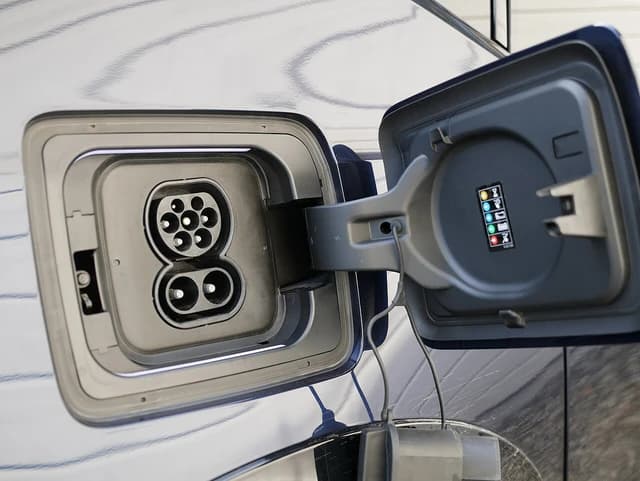
The fight matters because bidirectional charging, or vehicle-to-grid, could turn millions of parked cars into flexible storage assets at a time when power prices, grid strain and renewable volatility are reshaping the economics of transport and energy. If regulators set the rules too tightly, the market may never get past the pilot stage — and a technology that could save consumers and utilities billions could instead become a stranded opportunity for automakers.
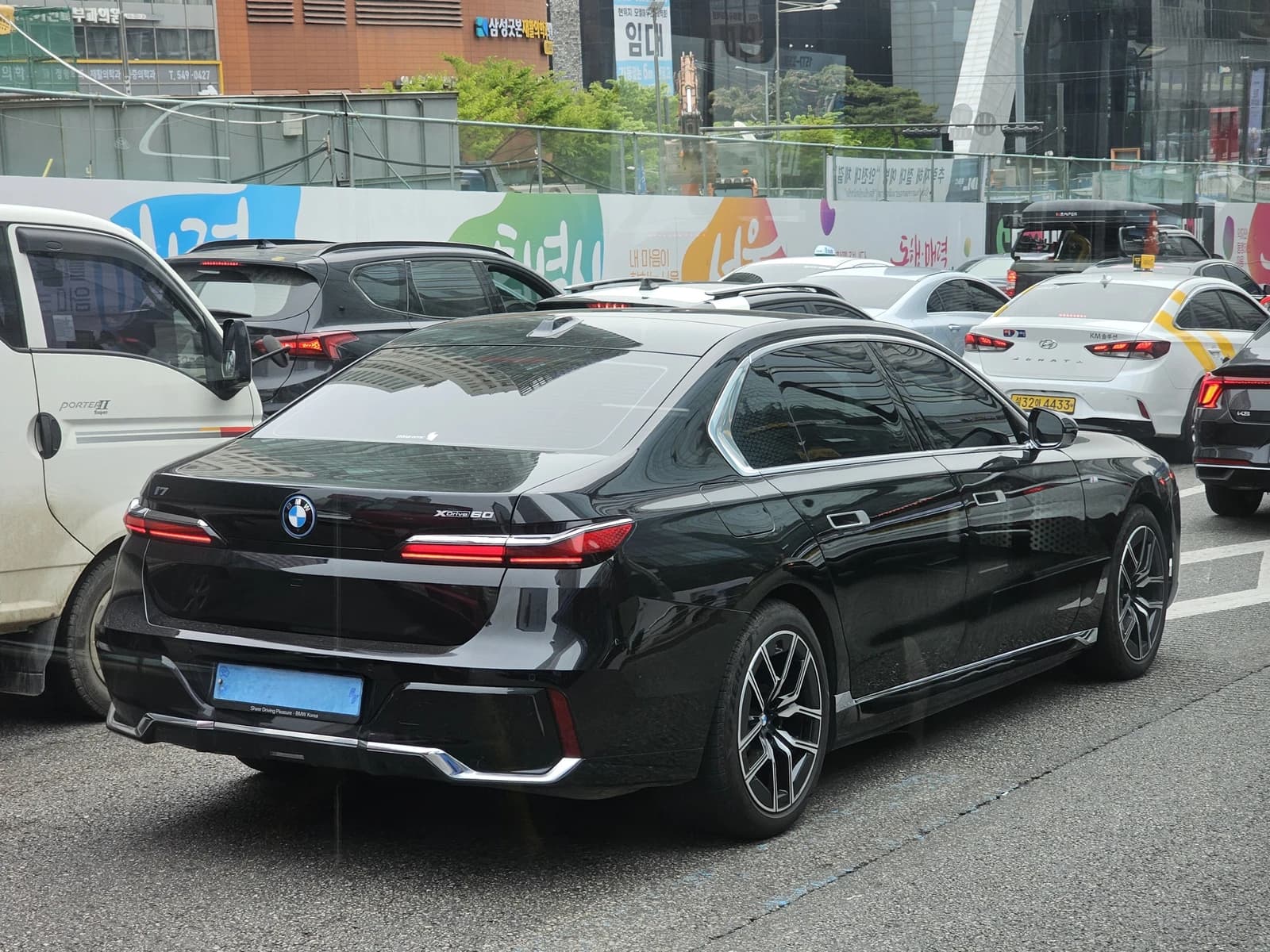
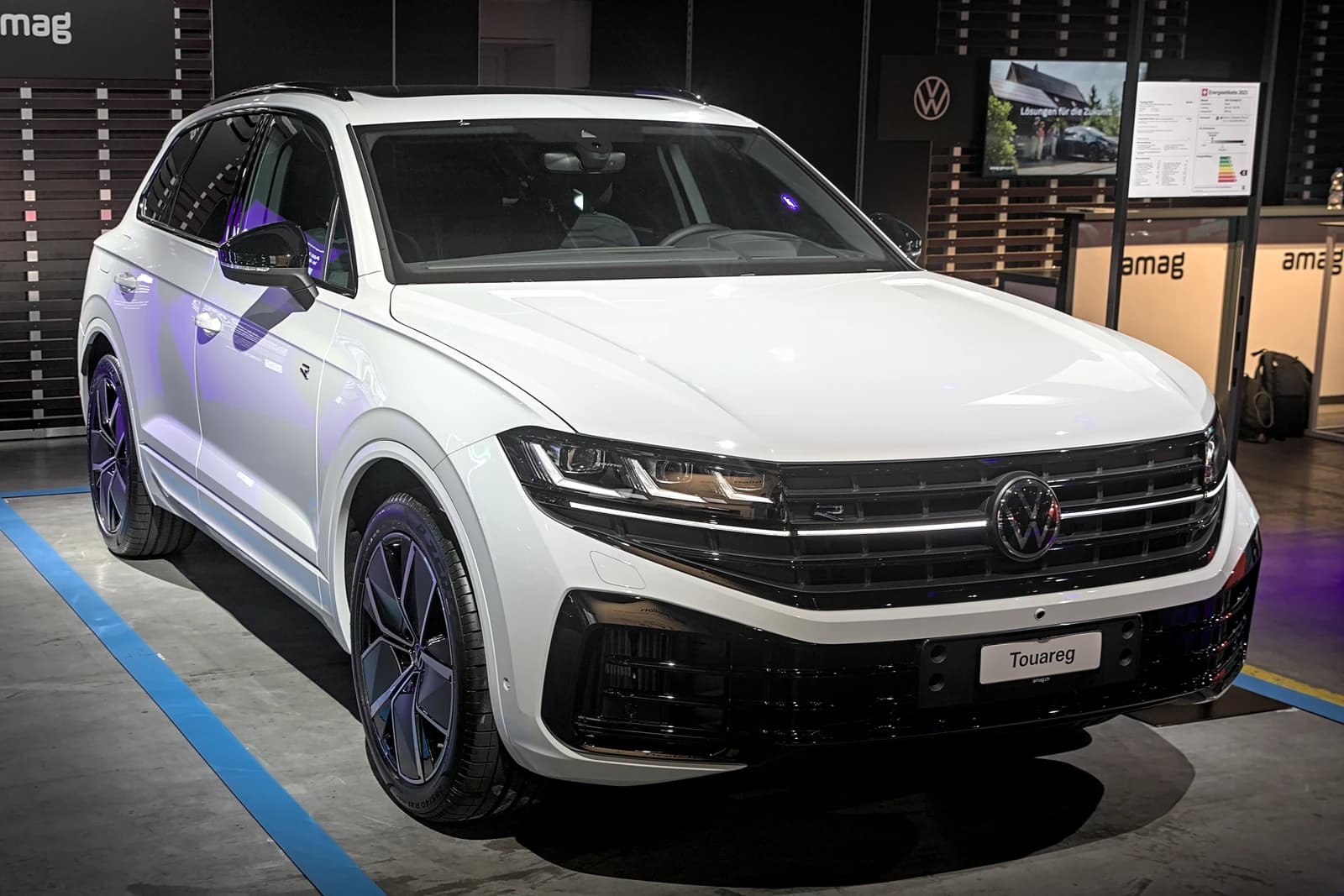
The Bundesnetzagentur’s proposed rules for the market integration of storage and charging points, known as Mispel, are being attacked by BMW, Volkswagen, Ford and the German auto lobby, which says the draft would make bidirectional charging uneconomic. VDA lobbyist Loic Geipel said the plan would “prevent the mass market” from developing. For an industry that has already poured hundreds of millions of euros into the technology, the prospect of regulation killing the rollout before it scales is a direct commercial hit.
That is why this is more than a technical debate over grid rules. Germany has been trying to protect a domestic lead in a field that could become strategically important as China’s EV makers push deeper into Europe. If Berlin gets the framework wrong, the beneficiary is not just slower EV adoption — it is also foreign competitors that may move faster on software, charging ecosystems and grid-connected services while European manufacturers watch a potentially high-margin add-on slip away.
For investors, the message is straightforward: the biggest winners in the EV transition may not be the automakers selling the cars, but the companies owning the charging infrastructure, grid hardware, software and energy management layer around them. Bidirectional charging is a classic toll-road opportunity if regulation enables it. If not, capital will keep migrating toward more visible winners in the electrification stack — grid equipment, utility software, stationary storage and the firms best positioned to monetize flexibility without relying on automakers to build a new consumer market from scratch.
The stock tape already reflects how unforgiving the market can be when a promising theme loses policy support. Volkswagen shares have slid to around 8.03 euros, below both its 50-day and 200-day moving averages, while Ford’s U.S.-listed stock has fallen to $12.60, also below those levels and under pressure by a weak RSI reading. That does not mean these names are broken on this issue alone, but it does show how quickly sentiment can unravel when a secular growth story runs into regulation.
Tesla, meanwhile, remains a key name to watch because any credible bidirectional-charging regime would reinforce the case for electric vehicles as energy assets, not just transport. Adalytica’s Tesla earnings sentiment gauge is still in Greed territory at 85, even as awareness sits in Fear, underscoring how investors are leaning into the long-term platform story while remaining cautious on execution and policy risk.
My view is that the market underestimates the second-order effect here: the real prize is not simply allowing cars to export power, but creating a regulated framework that makes EVs part of the grid’s operating system. If Europe gets there, the upside for infrastructure suppliers and software platforms is substantial. If it does not, the EV thesis becomes more dependent on price cuts, subsidies and hardware margins — a much weaker investment case. The next catalyst is regulatory wording, and that is where the opportunity, or the damage, will be decided.
| Entity | Gains | Losses |
|---|---|---|
| Grid software and utility tech | ▲Flexibility demand | ▼Regulatory delay |
| Battery and charging infrastructure firms | ▲New revenue streams | ▼Weaker rollout |
| BMW, VW, Ford | ▲None yet | ▼Monetization of EVs |
| Consumers and power grids | ▲Lower costs, more storage | ▼Fewer savings |