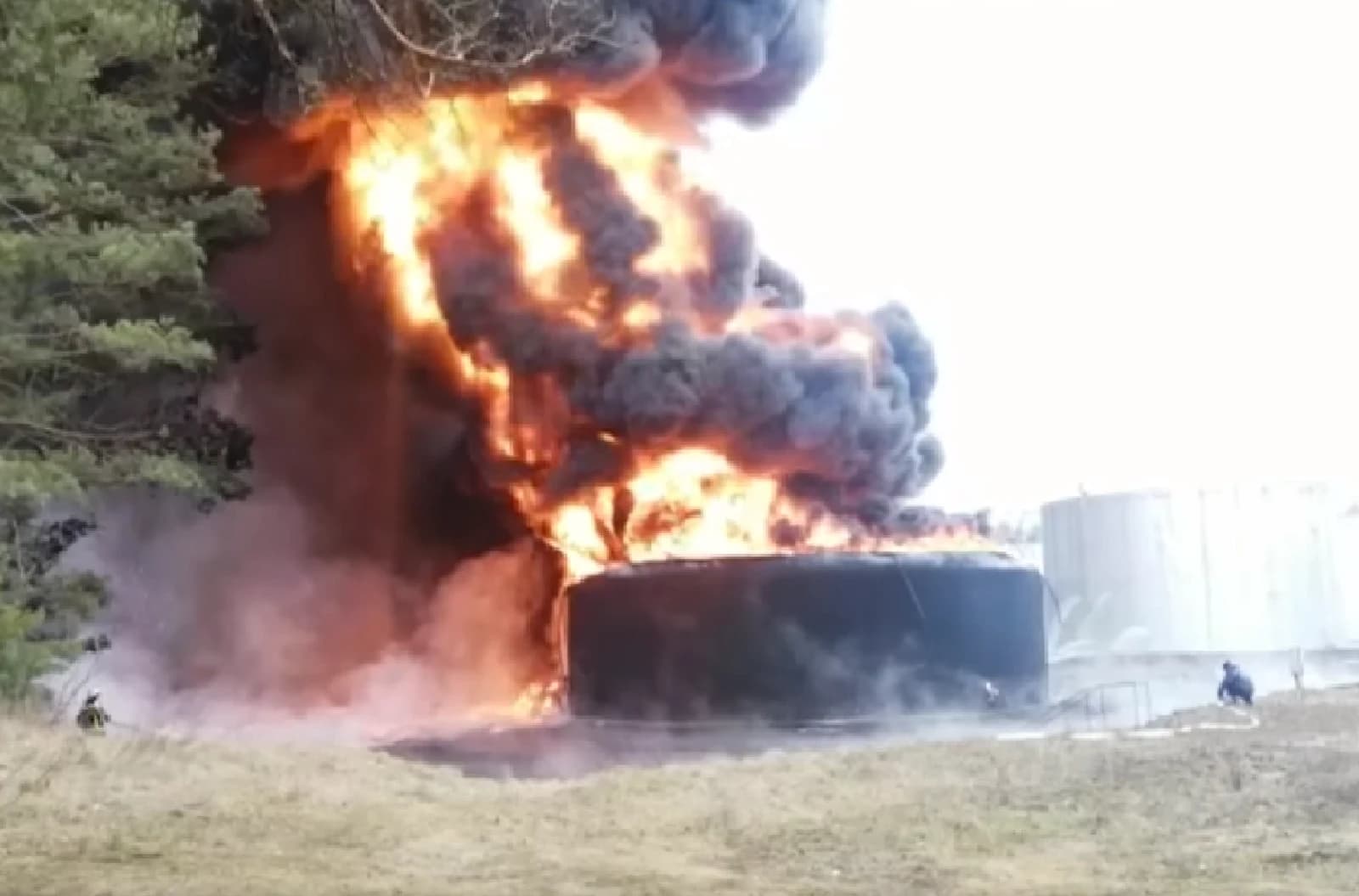
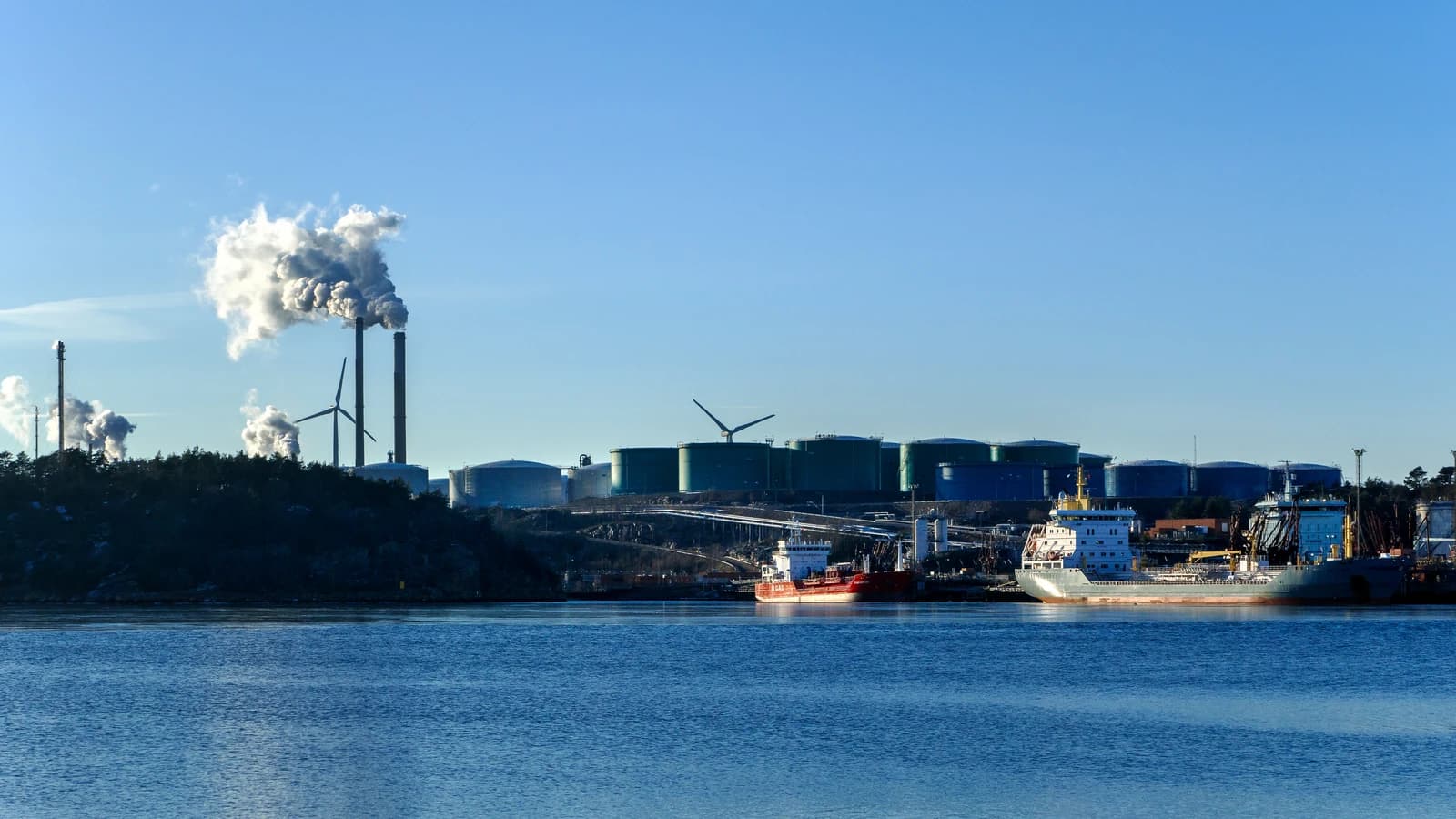
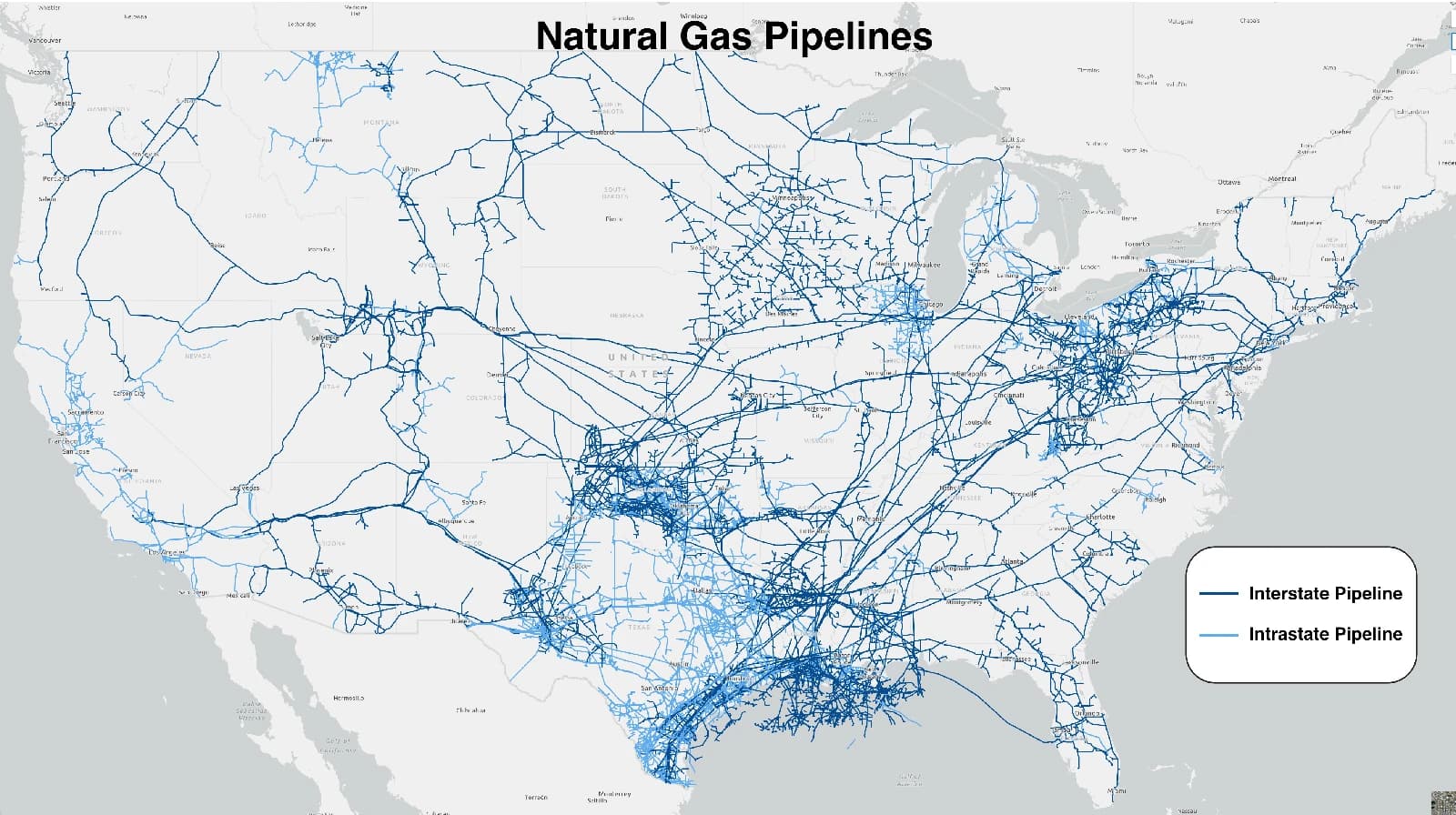
Oil producers are burning away about $1.2 million a day in gas at fields where the fuel could be captured, sold or used to power operations, Centla Energy said, putting a hard dollar figure on one of the industry’s most stubborn sources of waste.
Oil Producers Lose $1.2 Million Daily to Gas Flaring
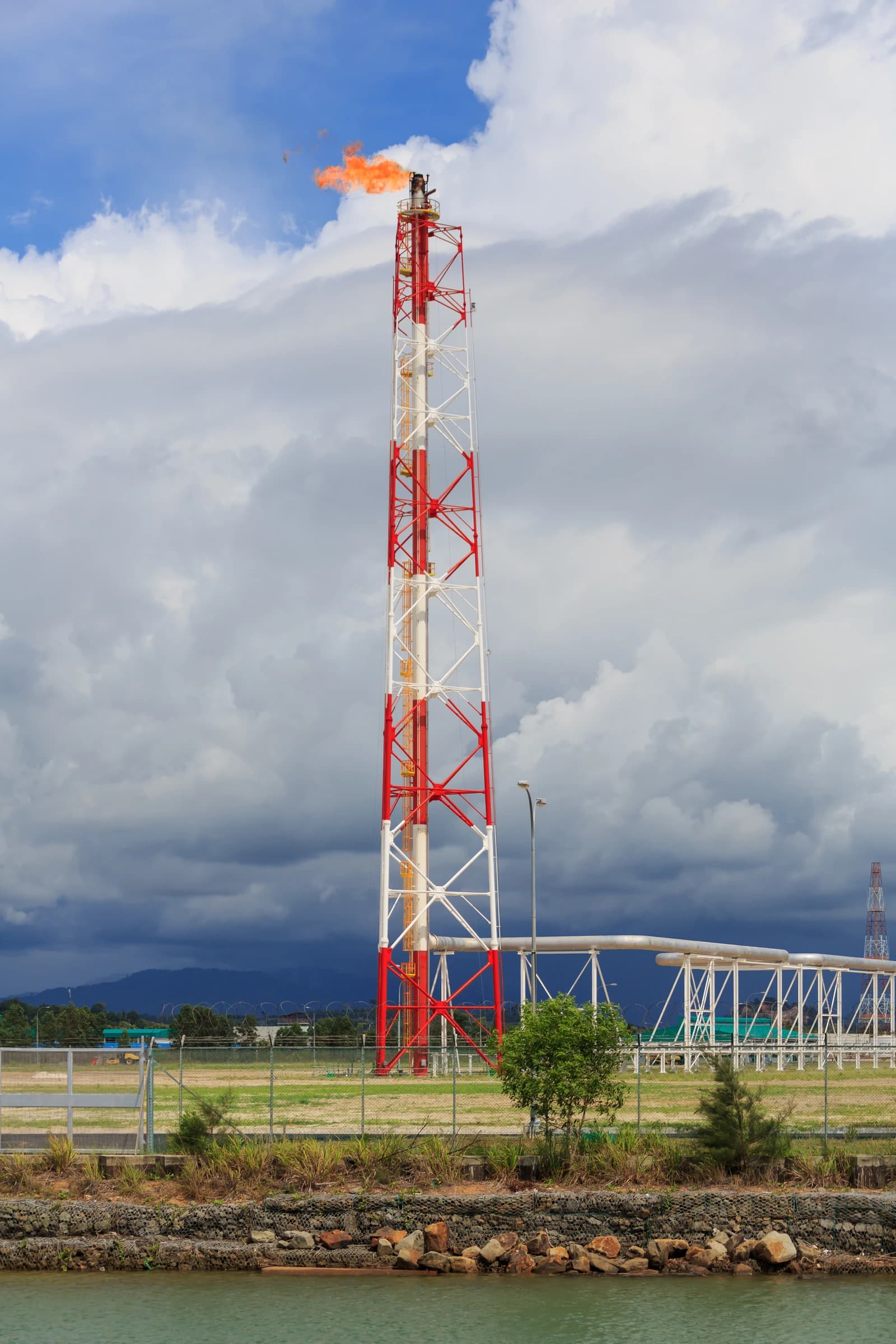
That matters because flaring is no longer just an environmental talking point. When oil prices are elevated and natural gas remains a valuable commodity, every cubic foot burned off at the wellhead is money left on the ground. For producers, the lost gas can squeeze margins, especially in basins where gathering, compression and pipeline access are still limited. For investors, the issue is a reminder that operational efficiency increasingly drives free cash flow just as much as headline production growth does.
Sentiment IndicatorsⓘProprietary · adalytica.com · September 25, 2026
This is a snapshot — live sentiment, awareness and momentum for 130+ markets update continuously in the dashboard.Open AlphaPulse
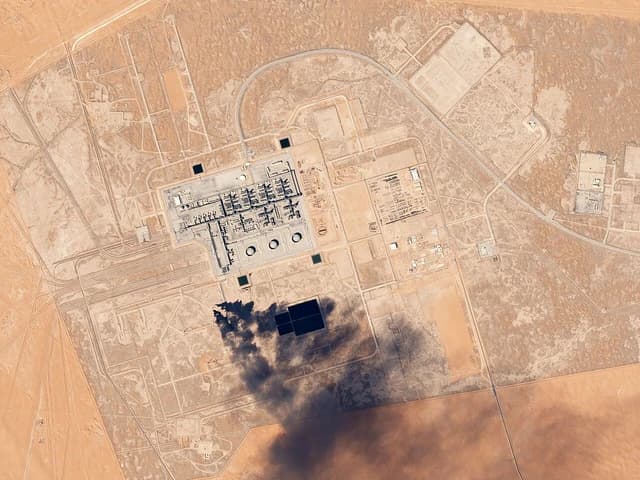
The broader energy backdrop makes the cost of flaring even more visible. U.S. oil futures, reflected in West Texas Intermediate, are trading around $92 a barrel, while the 50-day and 200-day moving averages on the broad oil ETF USO remain firmly supportive of the uptrend. That tells you the market is still rewarding energy scarcity and disciplined supply. But it also raises the bar for producers: when prices are strong, investors expect companies to convert barrels and gas molecules into cash, not smoke.
The risk is not only economic. Methane and flaring emissions are facing tighter scrutiny from regulators, lenders and shareholders, and that can translate into higher compliance costs, permit delays and reputational damage. Chevron, ConocoPhillips and Exxon Mobil all flag flaring- and emissions-related rules in their filings, underscoring that this is now part of the cost of doing business in upstream oil and gas.
For the sector, the opportunity is equally clear. Companies that can reduce flaring through better infrastructure, electrification, gas capture and processing capacity can protect margins and improve returns without drilling more wells. That is especially important in a market where oil prices can remain volatile but the long-term reward goes to producers that can harvest more value from the same asset base.
Investors should view the $1.2 million-a-day figure as more than an industry quirk. It is a leakage problem, and leakage problems eventually get solved by capital spending, regulation or both. The winners are the operators that capture and sell more gas; the losers are those still treating flared volumes as a cost of doing business. For long-term shareholders, the best energy stocks are the ones that turn wasted molecules into repeatable cash flow.
| Entity | Gains | Losses |
|---|---|---|
| Gas-capture operators | ▲Higher revenue | ▼Lower waste |
| Oil producers with high flaring | ▲Little | ▼Lost cash flow |
| Regulators and communities | ▲Cleaner air | ▼Emissions burden |
| Energy investors | ▲Better margins at efficient firms | ▼Value leakage at laggards |