US diesel prices at the pump have climbed to a record nominal high of $6.29 a gallon, and the market risk is that they stay elevated long enough to feed through freight, food and heating costs just as the broader inflation fight looks fragile.
US diesel prices hit record $6.29 a gallon

That matters because diesel is the bloodstream of the real economy. When the fuel that powers trucking, rail and farm equipment becomes more expensive, the cost of moving almost everything rises. The US Energy Information Administration said elevated crude prices, higher refining margins and tight global distillate supplies have combined to keep retail prices at record levels, while inventories remain well below normal.
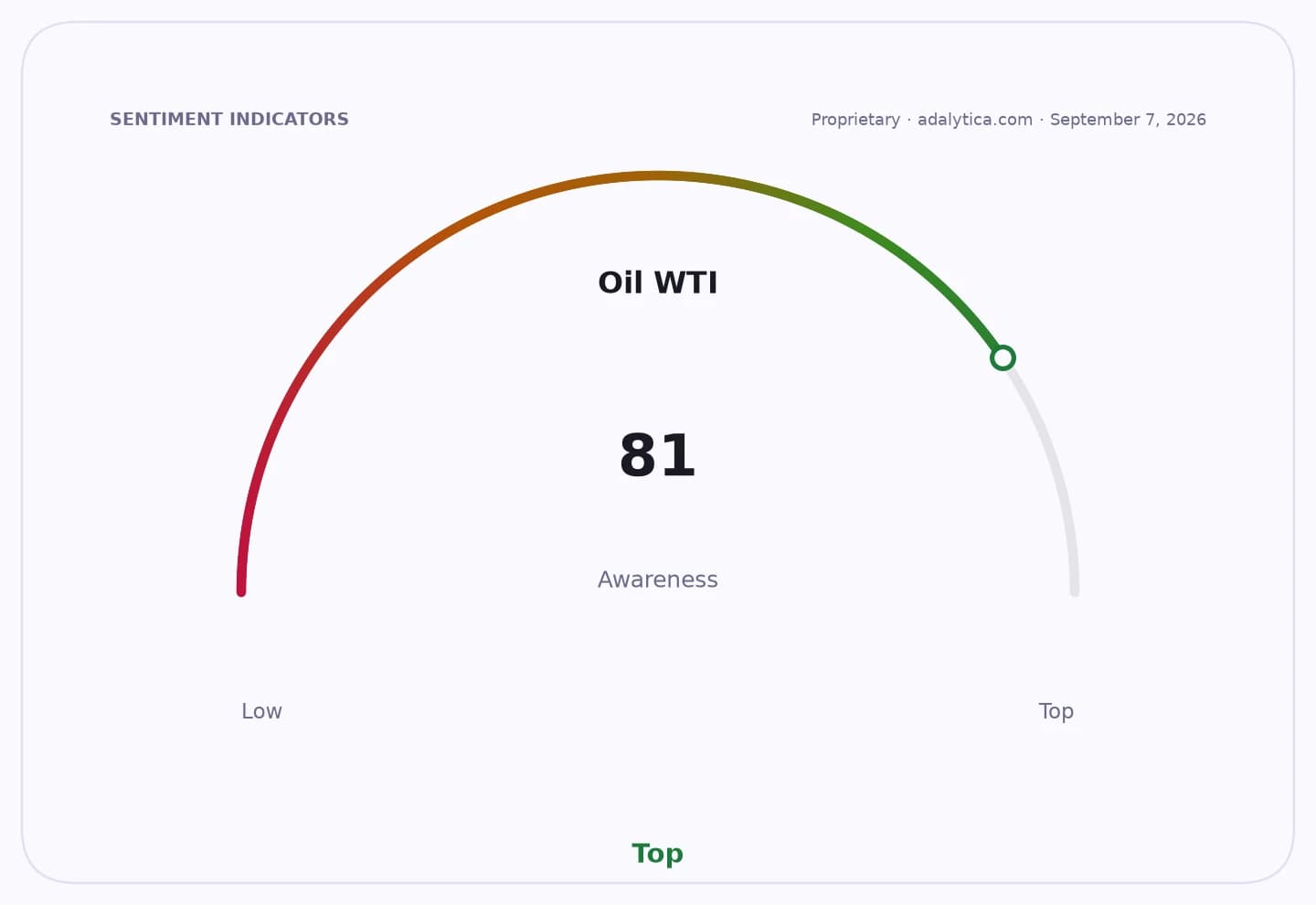
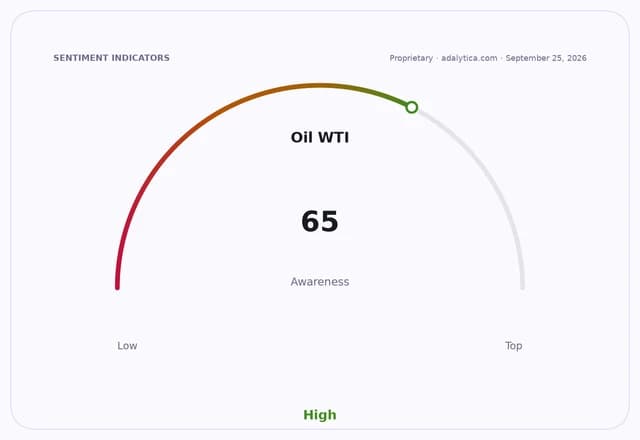
Sentiment IndicatorsⓘProprietary · adalytica.com · September 25, 2026
This is a snapshot — live sentiment, awareness and momentum for 130+ markets update continuously in the dashboard.Open AlphaPulse
The EIA said distillate inventories were 15.8 million barrels in the week ended Sept. 11, about 13% below the five-year seasonal average, even as US refinery utilization ran near 97%. In other words, the system is already stretched. US distillate production averaged 5.1 million barrels a day from January through August, the highest since 2019, yet stocks have barely budged. That is the classic setup for persistent pricing pressure: refineries are near max, supply is tight, and there is little buffer for any disruption.
For investors, the implication is broader than just higher fuel bills. Persistent diesel inflation can squeeze margins across trucking, logistics, agriculture and heavy industry, while reinforcing upside in energy producers and refiners. It also raises the odds that policymakers and markets keep treating fuel costs as an inflation problem rather than a temporary shock. Treasury yields have already been sensitive to energy-driven inflation scares, and consumer sentiment can sour quickly when transport and food costs jump.
The market is also starting to price that reality. USO, the crude ETF, has been volatile but remains elevated, while energy equities have outperformed the broader market this year, reflecting a view that tight supply conditions can last longer than consensus expects. Adalytica’s oil trade signals show sentiment jumping to “Greed,” underscoring how quickly traders are leaning into the energy trade as supply anxiety intensifies.
The real opportunity here is not simply to chase crude higher. It is to position for the second-order winners of a diesel squeeze: refiners with exposure to distillate cracks, energy infrastructure names with volume leverage, and logistics operators able to pass through fuel surcharges. The losers are the businesses that cannot reprice fast enough.
If global distillate production stays below last year’s levels, as the EIA expects, this is not a one-week spike but a margin regime change. That makes the diesel story an inflation story, a freight story and an energy stock story all at once. The market underestimates how quickly one record fuel print can ripple through the economy.
| Entity | Gains | Losses |
|---|---|---|
| Refiners | ▲wider crack spreads | ▼tighter public scrutiny |
| Energy producers | ▲firmer fuel prices | ▼demand volatility |
| Trucking and rail shippers | ▲fuel surcharges | ▼margin pressure |
| Consumers and manufacturers | ▲higher pass-through costs | ▼lower purchasing power |