U.S. drivers faced the most expensive Labor Day on record at the pump, a jump that matters well beyond holiday travel because it feeds directly into consumer inflation, freight costs and corporate margins just as the summer driving season winds down.
U.S. Gas Prices Hit Labor Day Record
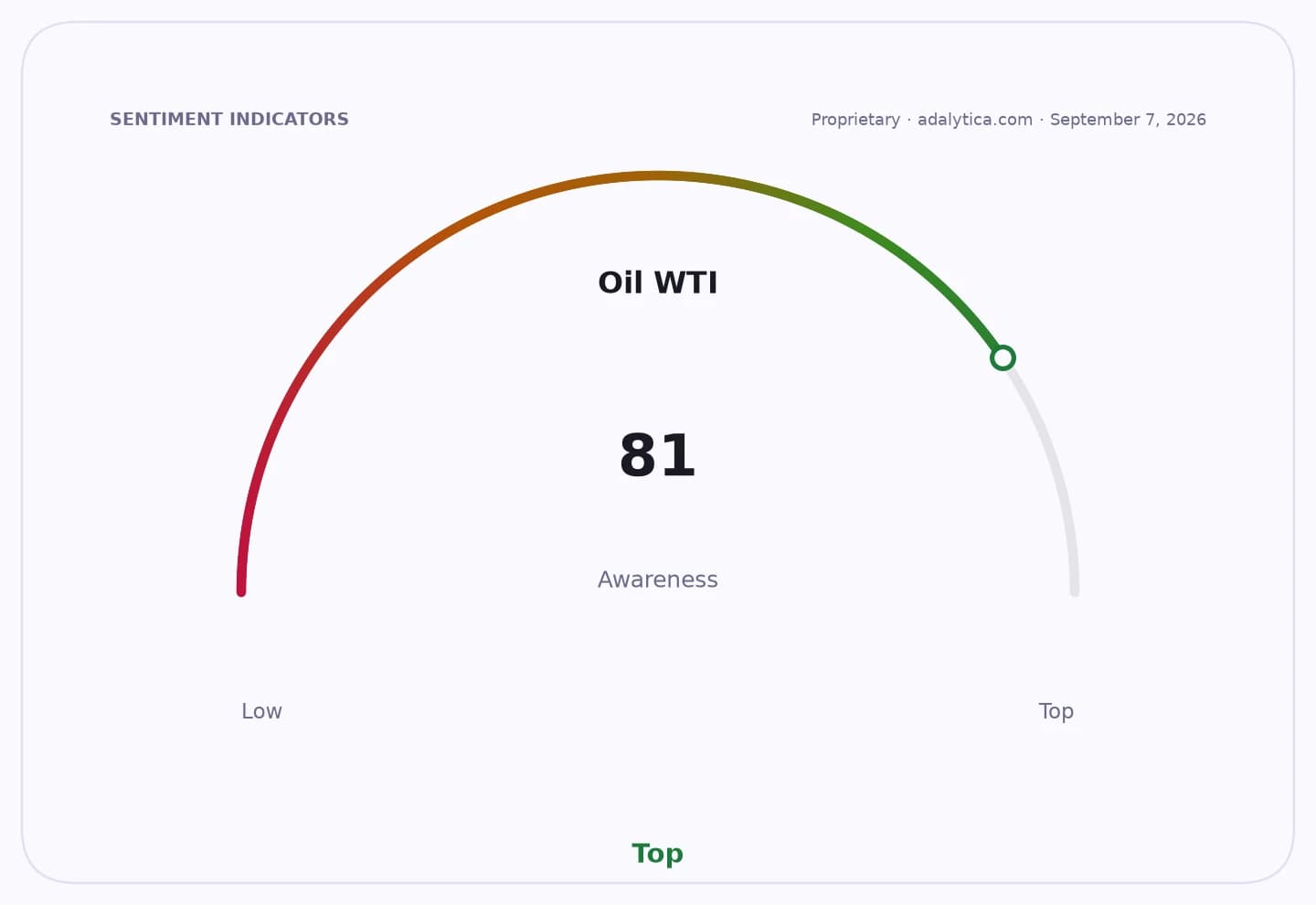
The national average for regular gasoline was $4.15 a gallon on Labor Day, according to AAA, above the prior Labor Day weekend record of $3.82 in 2012 and nearly a dollar higher than a year ago. Diesel reached an all-time high of $5.90 a gallon, a more economically consequential move because it is the fuel of trucking, delivery networks and much of the industrial supply chain.
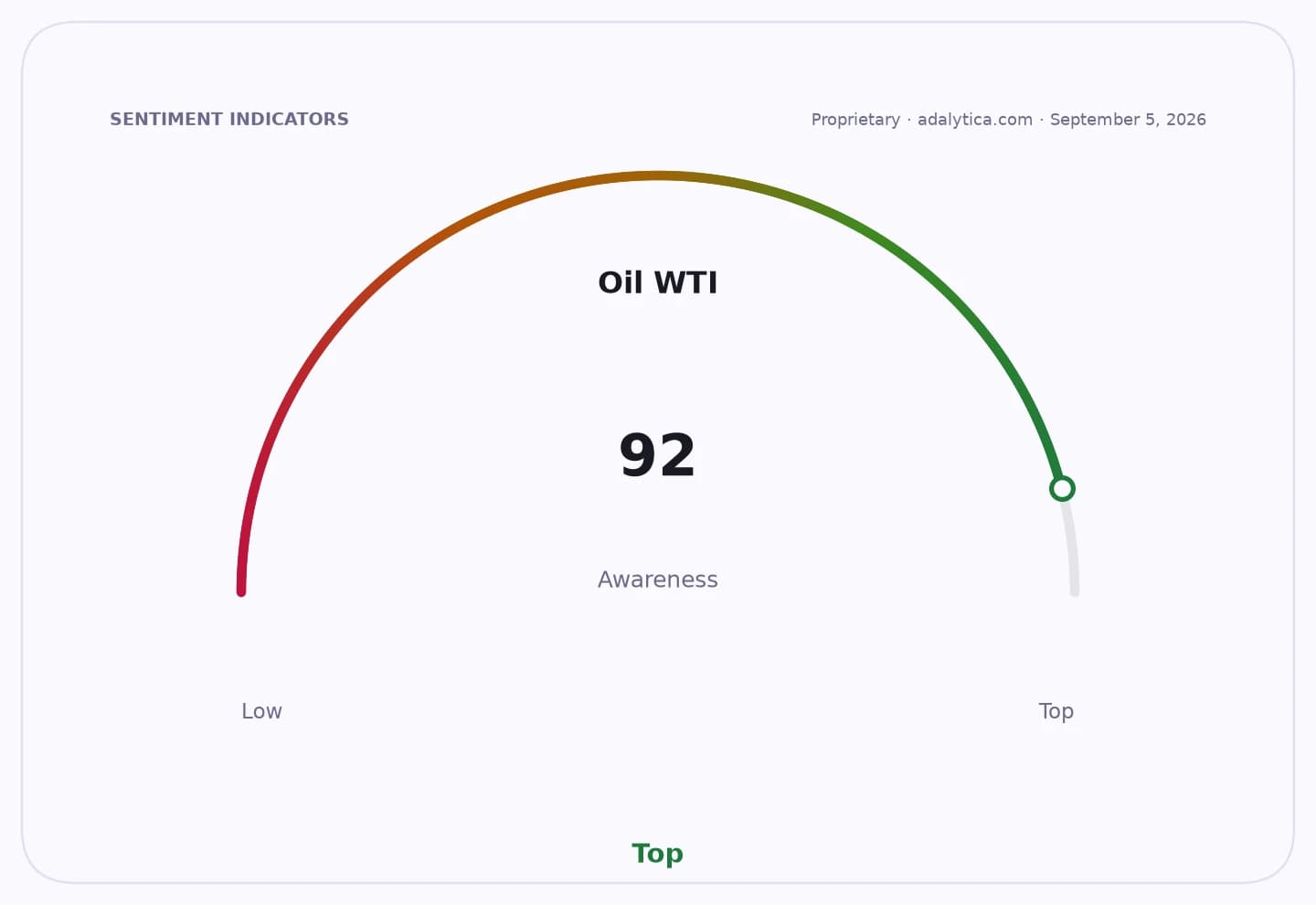
Sentiment IndicatorsⓘProprietary · adalytica.com · September 7, 2026
This is a snapshot — live sentiment, awareness and momentum for 130+ markets update continuously in the dashboard.Open AlphaPulse
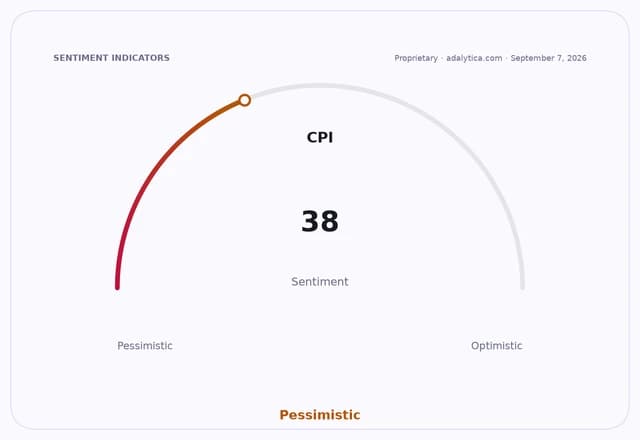
That combination raises the near-term cost of moving goods across the economy. Higher diesel prices are typically passed through to shoppers through grocery bills, package delivery charges and other transportation-sensitive prices, making fuel a persistent inflation irritant even as headline price pressures have eased from their post-pandemic peaks. Brown University’s tracker says Americans have already absorbed more than $741 per household in added costs since the start of the Iran war, underscoring how quickly energy shocks spread through the real economy.
The price spike is being driven by a mix of geopolitical and supply factors rather than a single demand surge. Market participants point to the Iran conflict and reduced traffic through the Strait of Hormuz, a key route for global crude flows. At the same time, U.S. refineries are running at about 98% capacity, leaving little room for outages, while Ukrainian drone attacks on Russian refineries and weaker Chinese refinery output are tightening diesel supply further. Those constraints help explain why prices have not followed the usual post-summer pattern of seasonal declines.
For investors, the immediate read-through is mixed. Energy producers and refiners stand to benefit from firmer product prices and wider margins, while transportation, logistics and consumer companies face higher input costs. Shares tied to the sector have already reflected the move: the USO oil fund has surged, and energy stocks have outperformed broader markets as crude and refined products jumped. Refiners such as Marathon Petroleum and peers can see near-term support from stronger crack spreads, though the upside depends on throughput remaining uninterrupted and demand not being damaged by sustained price stress.
The macro risk is that gasoline acts like a tax on households at a moment when spending is still carrying the U.S. economy. The benefit to producers is immediate; the cost to consumers is diffuse but cumulative. If the geopolitical backdrop stays tight and refineries remain stretched, the usual autumn relief at the pump may be smaller than normal, leaving inflation and margins both more sensitive to every move in oil.
| Entity | Gains | Losses |
|---|---|---|
| Oil producers | ▲Higher crude prices | ▼Demand destruction risk |
| Refiners | ▲Wider product margins | ▼Outage/throughput risk |
| Truckers and logistics firms | ▲None | ▼Higher diesel costs |
| Consumers | ▲None | ▼Higher fuel and goods prices |