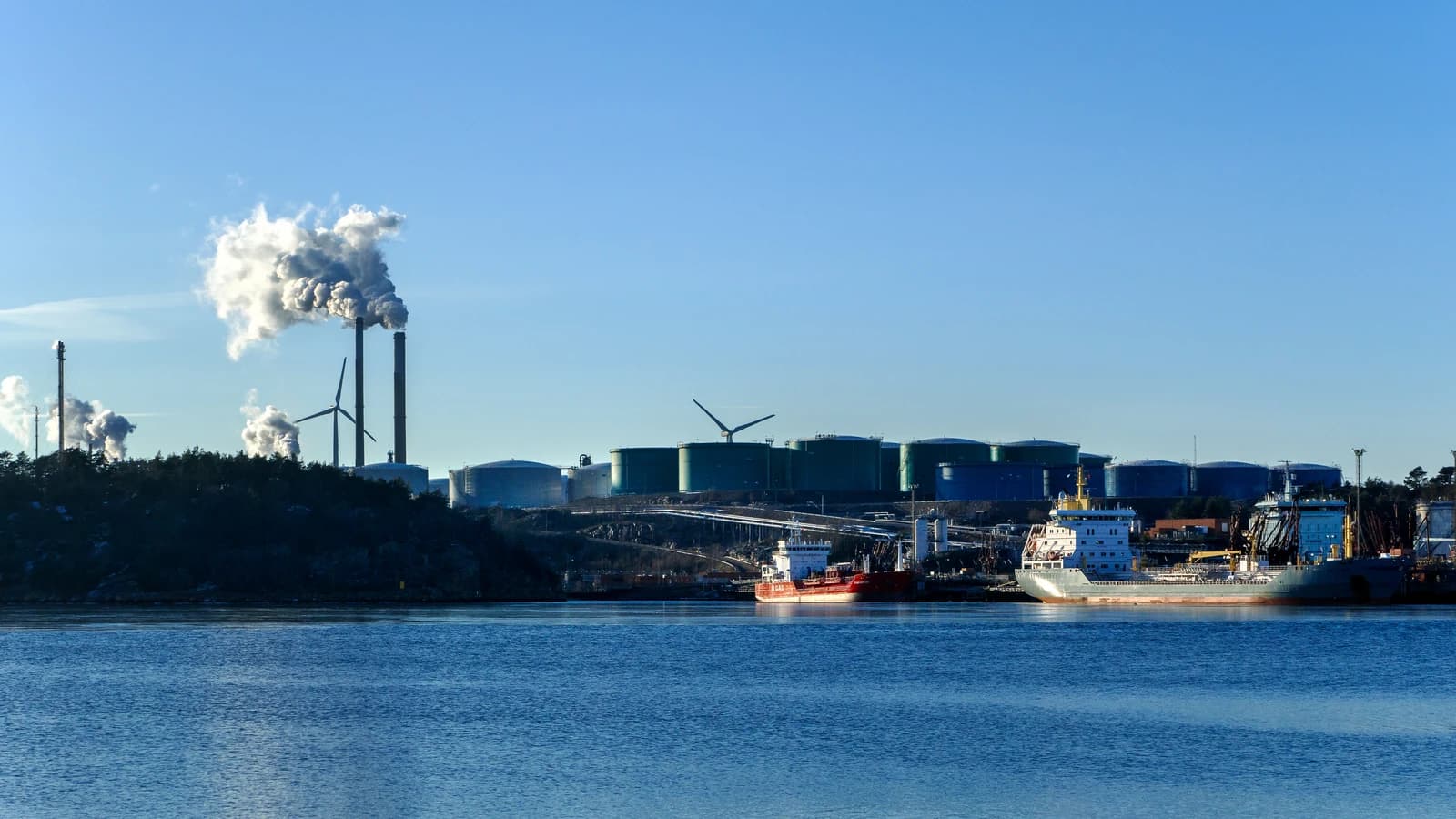
Gasoline queues are returning in parts of the market because the shortage is being driven less by crude supply and more by constrained refining capacity, a mismatch that is lifting pump prices even as oil itself has not surged back to peak levels.
Refinery bottlenecks lift gasoline prices and refiners
That distinction matters economically because refinery bottlenecks transmit faster into consumer inflation than crude benchmarks do. When fuel production cannot keep up with demand, gasoline and diesel prices rise, transportation costs spill into food and goods distribution, and governments face a choice between rationing, subsidies or politically risky price controls. The result is a broader inflationary tax on households and businesses at a time when policymakers are trying to protect growth.
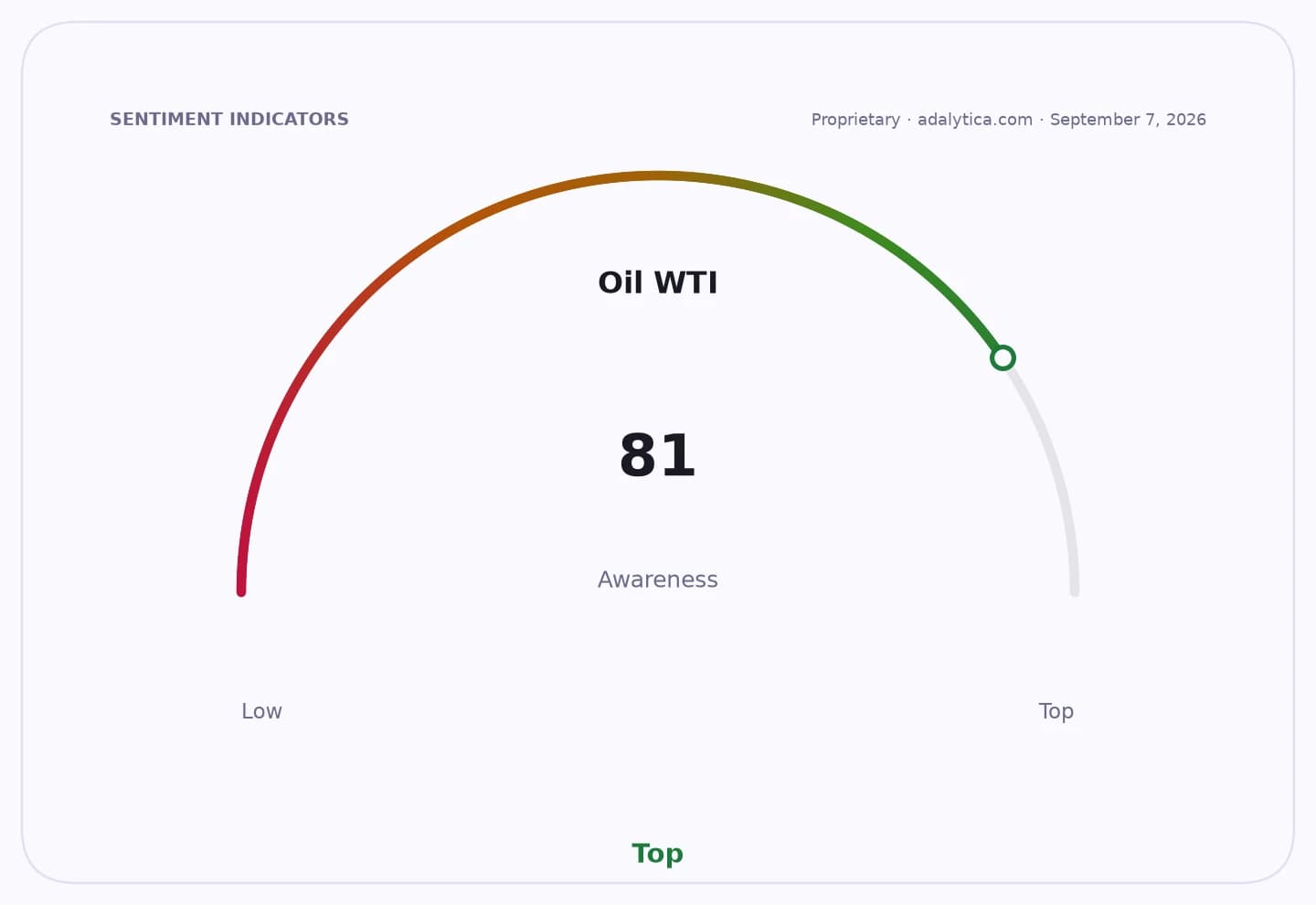
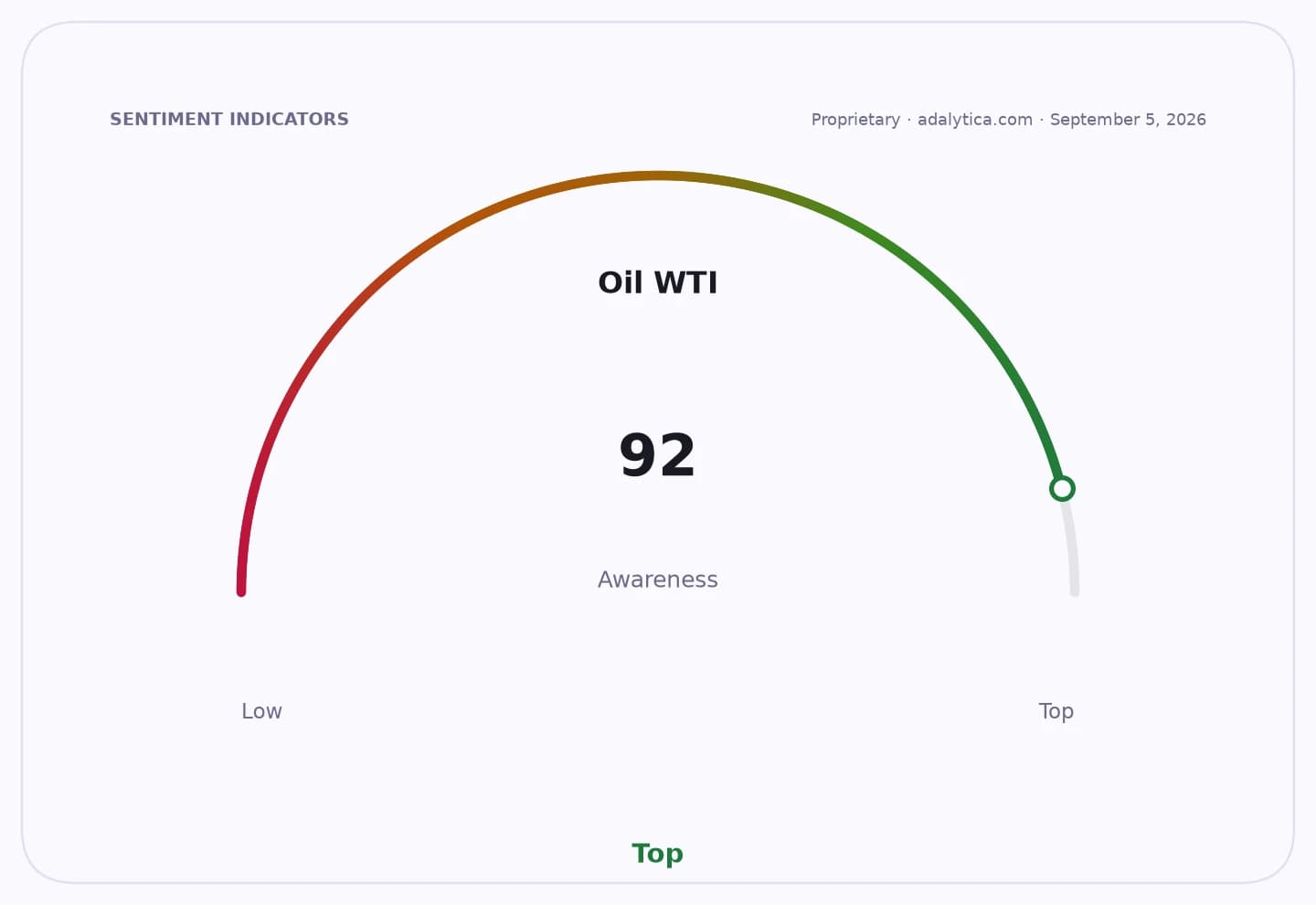
Sentiment IndicatorsⓘProprietary · adalytica.com · September 5, 2026
This is a snapshot — live sentiment, awareness and momentum for 130+ markets update continuously in the dashboard.Open AlphaPulse
The latest oil data underscore the pressure. WTI crude was around $91.75 a barrel in the next-session forecast after trading at $91.48 on Sept. 1, up from $84.57 just days earlier. Even so, the headline crude move tells only part of the story: the market problem is the scarcity of refined products, especially diesel, which has forced authorities in some regions to introduce new sales schemes and crack down on independent stations over pricing. Reports of queues in places including Nizhny Novgorod and Crimea show how quickly a downstream shortage becomes a visible consumer problem.
For investors, the crisis is a mixed bag. Refiners are the clearest beneficiaries because tighter product supply tends to widen margins. Exxon Mobil, Chevron and Marathon Petroleum have all shown strong share performance alongside firmer refining economics, with their stocks trading well above 50-day and 200-day moving averages in recent sessions. Exxon closed at $159.47 on Sept. 4, Chevron at $208.60 and Marathon Petroleum at $388.90, levels that reflect the market’s willingness to pay for downstream exposure when fuel balances are tight.
The bullish case is that the shortage persists long enough to keep crack spreads elevated and downstream earnings robust into year-end. Chevron’s recent filing said U.S. downstream earnings rose mainly on higher margins on refined product sales, while Exxon noted global industry refining margins were sharply above the 10-year average amid reduced refining capacity and inventory releases. Marathon, with its more refining-heavy profile, looks especially leveraged to any sustained dislocation.
The bear case is that the gain is politically and operationally fragile. Governments can intervene with export limits, price caps or forced sales rules, and any successful rerouting of imports or storage build-out would ease the squeeze. Oil itself is not in a classic supply shock, which limits how far crude can carry the trade. That leaves refiners exposed to the risk that margins normalize faster than investors expect once emergency shipments arrive and demand is managed down.
The broader message is that the fuel crisis is an inflation story as much as an energy story. If refinery capacity remains the constraint, queues and local shortages can persist even in a world where crude prices are merely high rather than extreme. That keeps pressure on consumers, complicates policy, and supports downstream oil equities until there is clear evidence that product supply has caught up.
| Entity | Gains | Losses |
|---|---|---|
| Refiners | ▲Wider margins | ▼Policy intervention risk |
| Consumers | ▲Short-term relief from imports | ▼Higher pump prices |
| Oil majors with downstream exposure | ▲Stronger earnings | ▼Slower volume demand |
| Governments | ▲Opportunity to manage supply | ▼Inflation and public anger |