U.S. diesel prices climbed to a new high of $5.85 a gallon, topping the peak set in mid-2022 as oil’s latest surge and disruption fears around the Strait of Hormuz bleed into shipping, trucking and grocery costs.
U.S. diesel prices hit record $5.85 a gallon
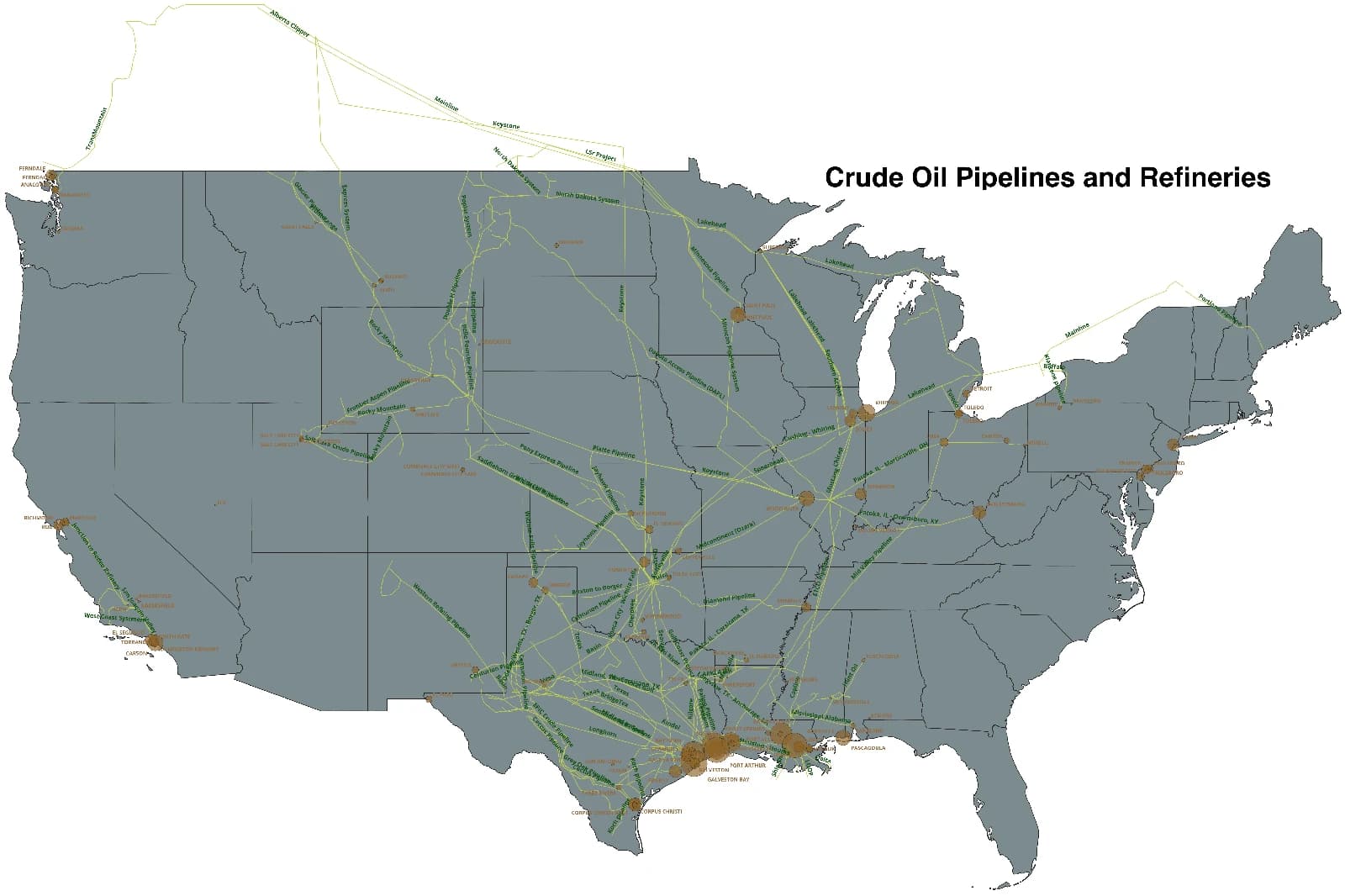
The move matters because diesel sits at the center of the U.S. logistics chain: trucks, trains, cargo vessels and farm equipment all run on it, so a sustained jump quickly feeds into freight rates and the price of food and consumer goods. The increase has been especially sharp, with diesel up 56% since the conflict with Iran entered a critical phase at the end of February, according to the source report.
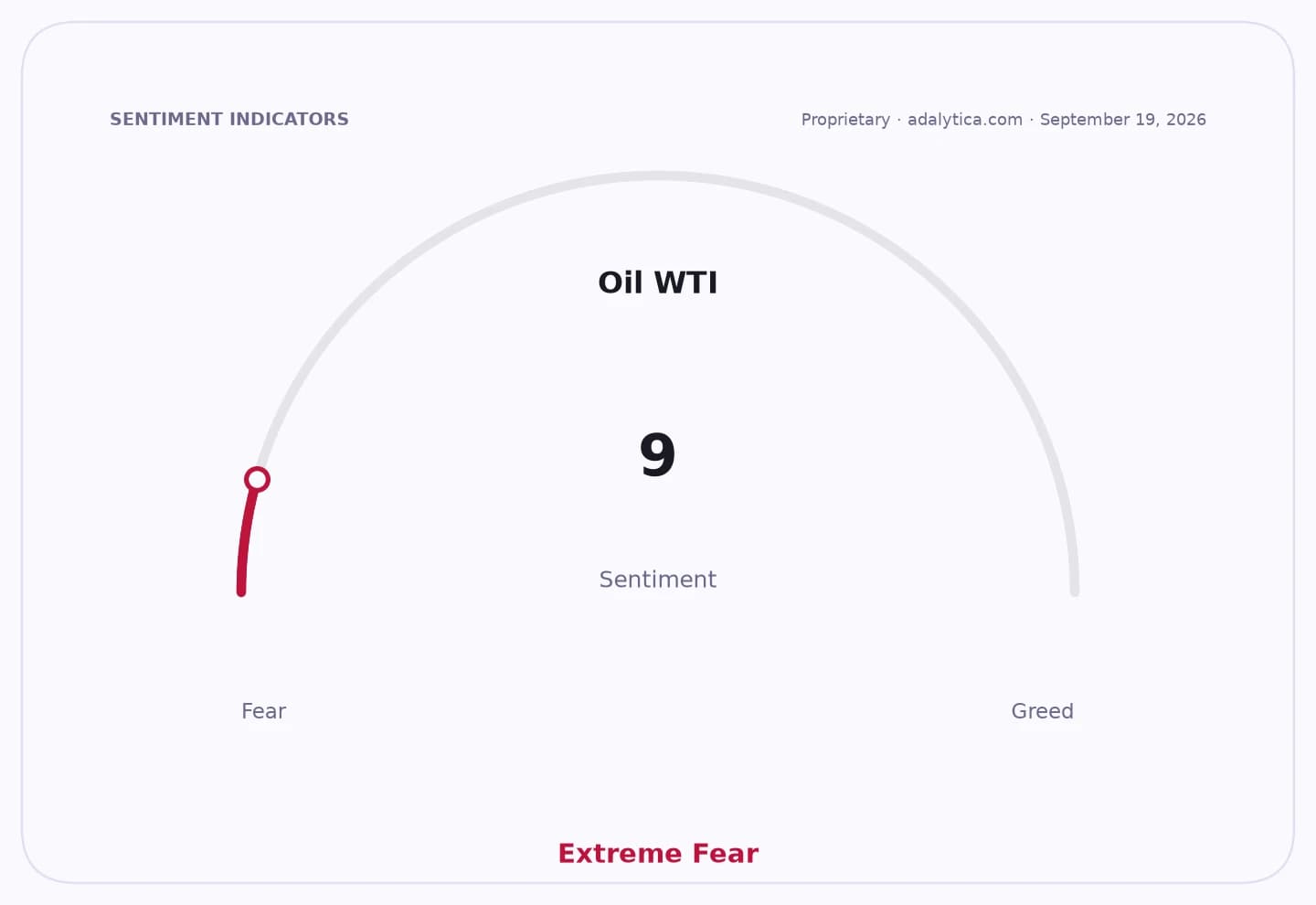
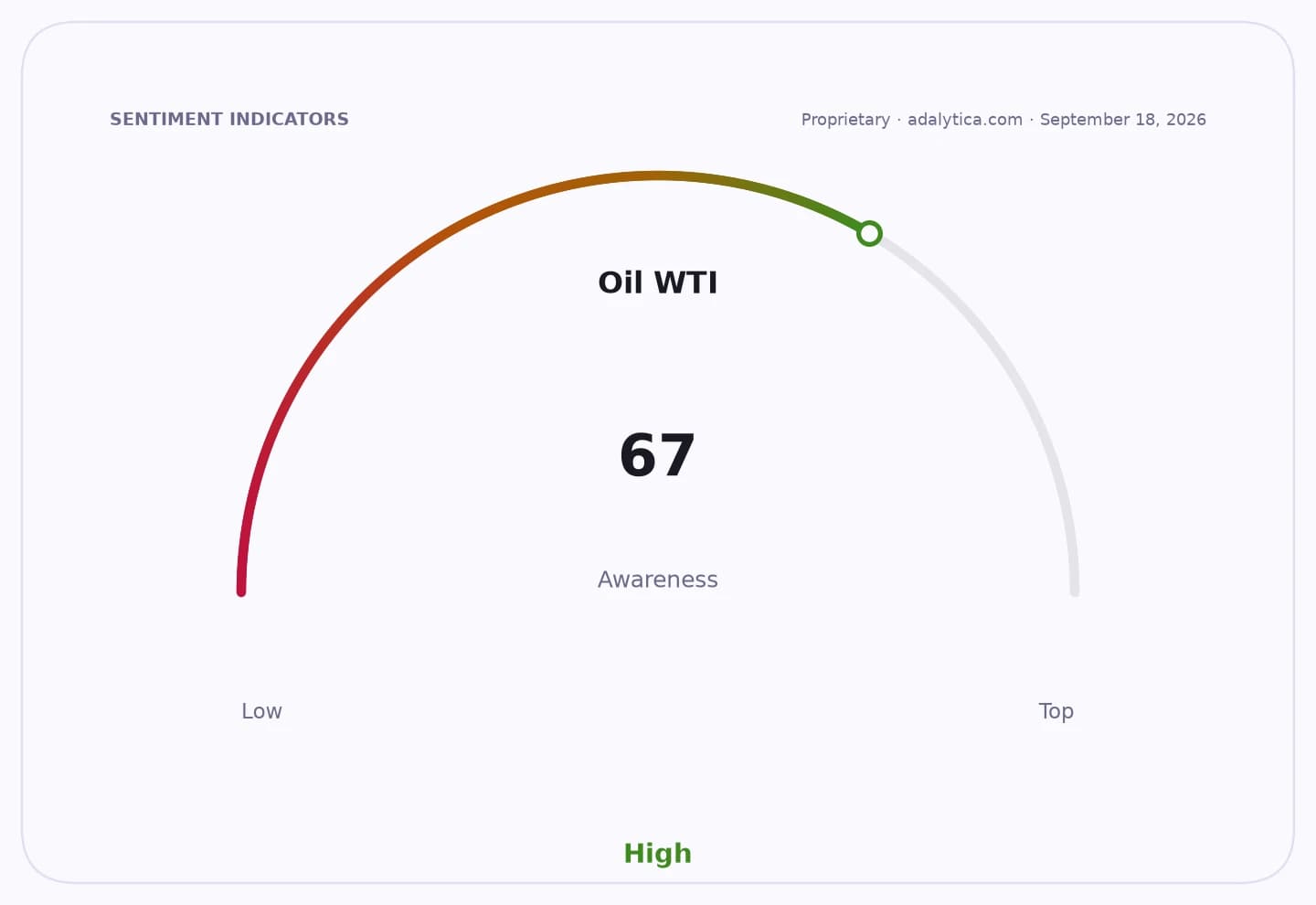
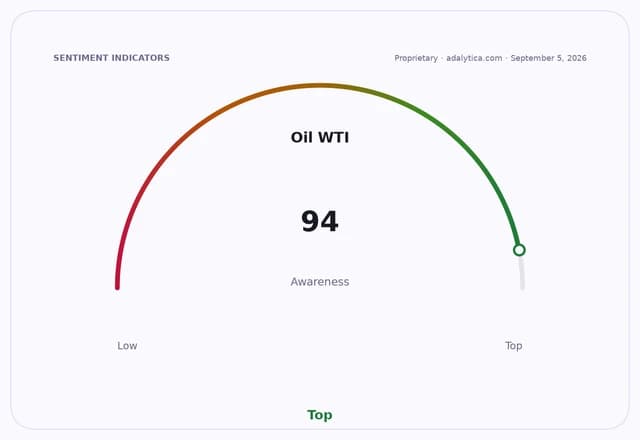
Sentiment IndicatorsⓘProprietary · adalytica.com · September 5, 2026
This is a snapshot — live sentiment, awareness and momentum for 130+ markets update continuously in the dashboard.Open AlphaPulse

Brent crude has pushed above $95 a barrel as reduced tanker traffic and tighter operating conditions in the Strait of Hormuz threaten global energy flows. That chokepoint handles a large share of the world’s oil shipments, and any sustained squeeze there tends to show up first in refined products like diesel, where inventories are already tight.
The pain is now moving through the economy. The Independent Grocers Alliance estimates fuel accounts for 15% to 30% of total food costs, which means perishables such as dairy, meat and fresh fruit are among the first items exposed to higher transport bills. Amazon, FedEx, UPS and the U.S. Postal Service have all imposed extra fuel and logistics surcharges, a sign that higher pump prices are becoming embedded in distribution costs rather than staying at the refinery gate.
Gasoline is rising too, with regular fuel at $4.15 a gallon, its highest Labor Day reading on AAA records. The broader energy complex is also bid: U.S. Oil Fund shares have surged, and the ETF’s latest closing price of 141.96 is well above its 50-day average, while an RSI reading near 70 points to a technically stretched move.
For investors, the immediate winners are oil producers and refiners with pricing power, while transportation, retail and other fuel-heavy businesses face margin pressure if surcharges lag costs. Higher diesel also carries a macro risk: it can add to inflation just as households are already strained, making it harder for policymakers and consumer companies to absorb the shock if supply from the Middle East stays tight.
| Entity | Gains | Losses |
|---|---|---|
| Oil producers | ▲Higher crude realizations | ▼Consumer demand pressure |
| Refiners | ▲Stronger product spreads | ▼Tight inventories risk |
| Trucking, parcel and rail operators | ▲Fuel surcharges | ▼Margin compression |
| Consumers and grocers | ▲— | ▼Higher transport and food costs |