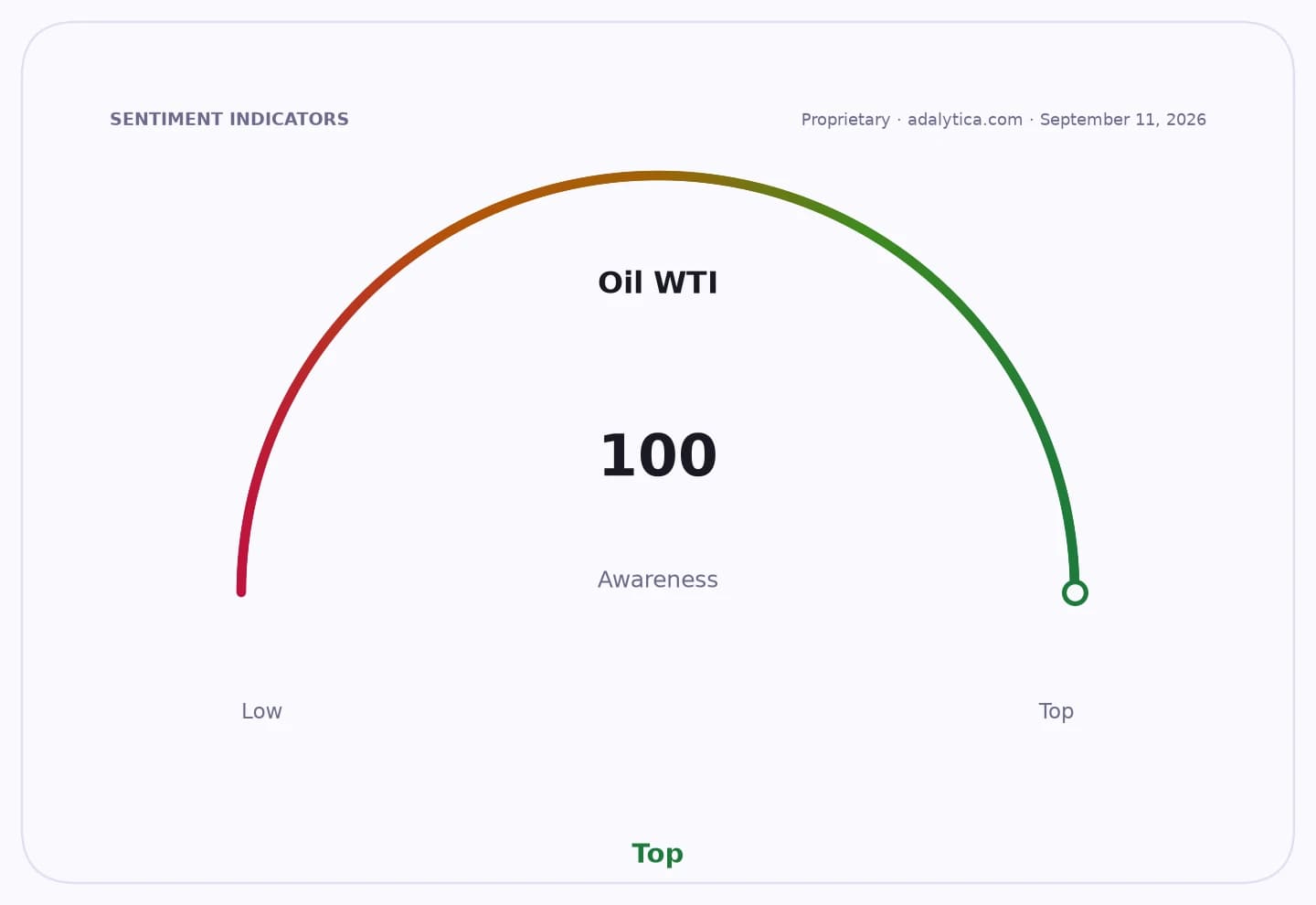
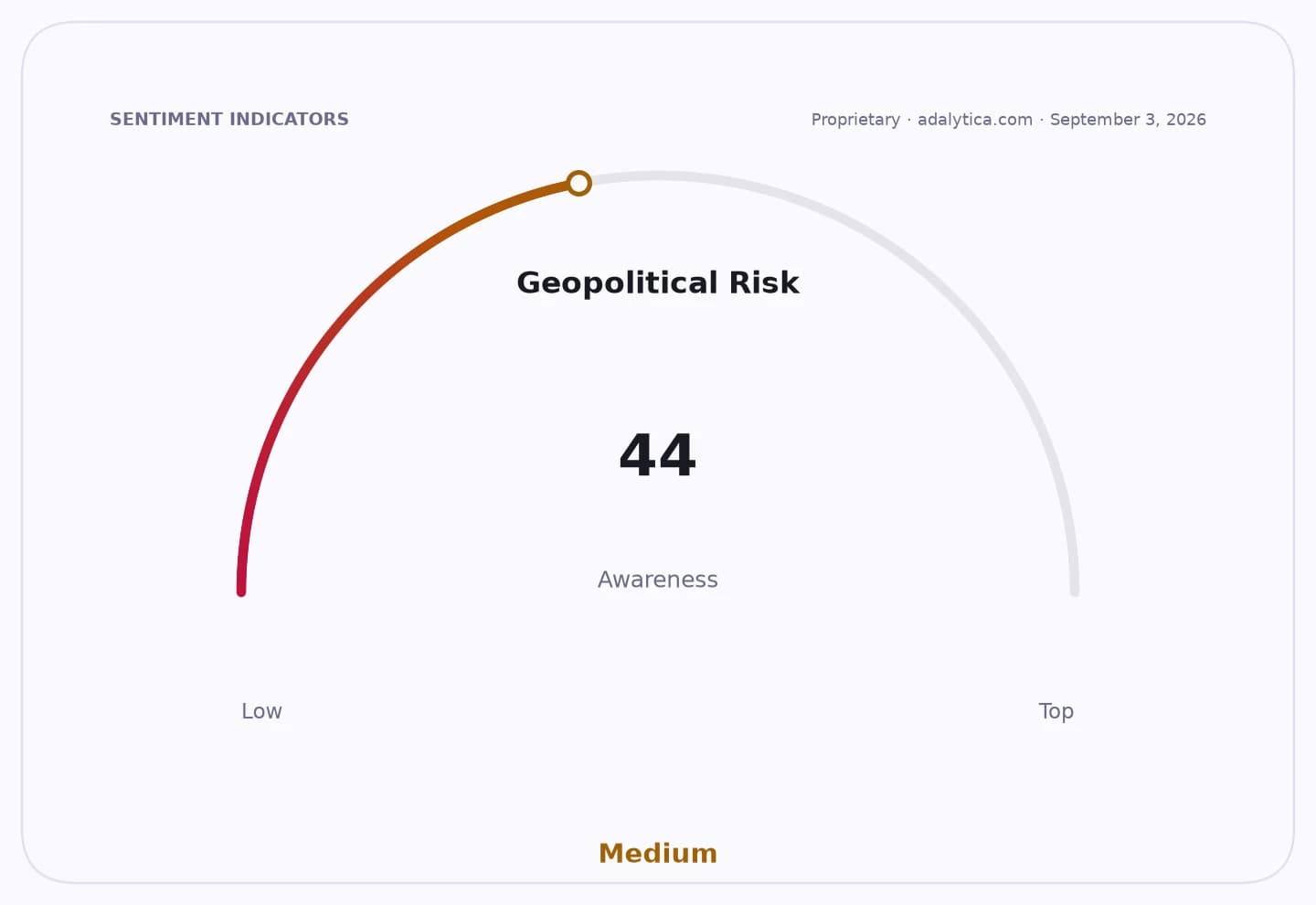
Gasoline prices in Montreal surged 3.5% in a single day Thursday, a reminder that geopolitics is still the biggest force driving fuel costs and household inflation.
Montreal gasoline prices rise on oil supply fears
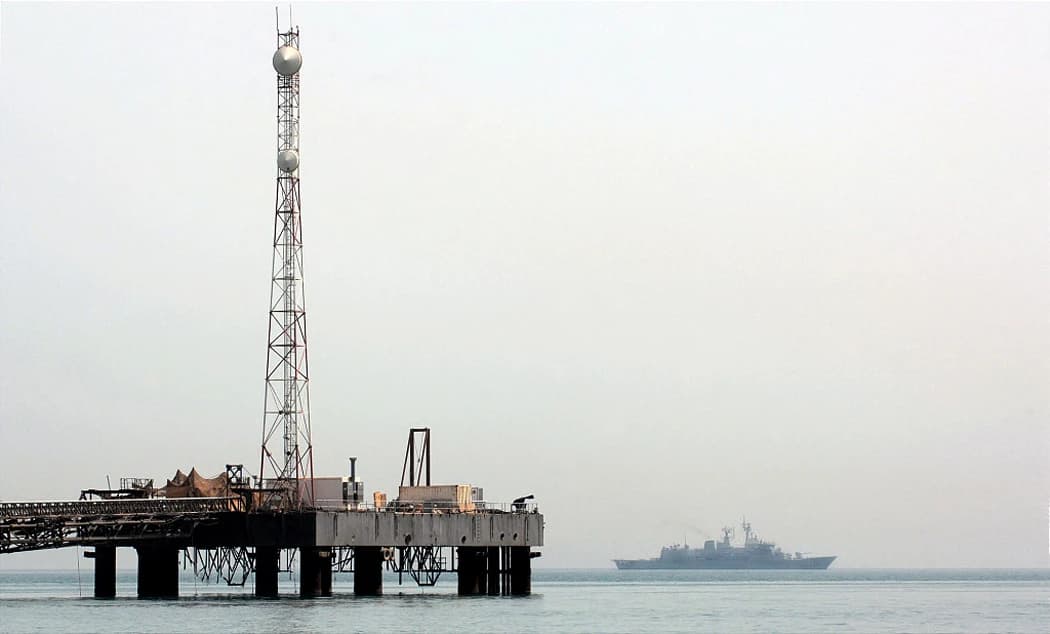
The average price at the pump in Montreal climbed to C$2.07 a liter, according to Quebec’s energy regulator, as fighting in the Middle East and Ukraine added fresh pressure to global oil supplies. That is not just a nuisance for drivers. Higher gasoline prices feed directly into transportation costs, delivery charges and, eventually, the price of goods and services across the economy.
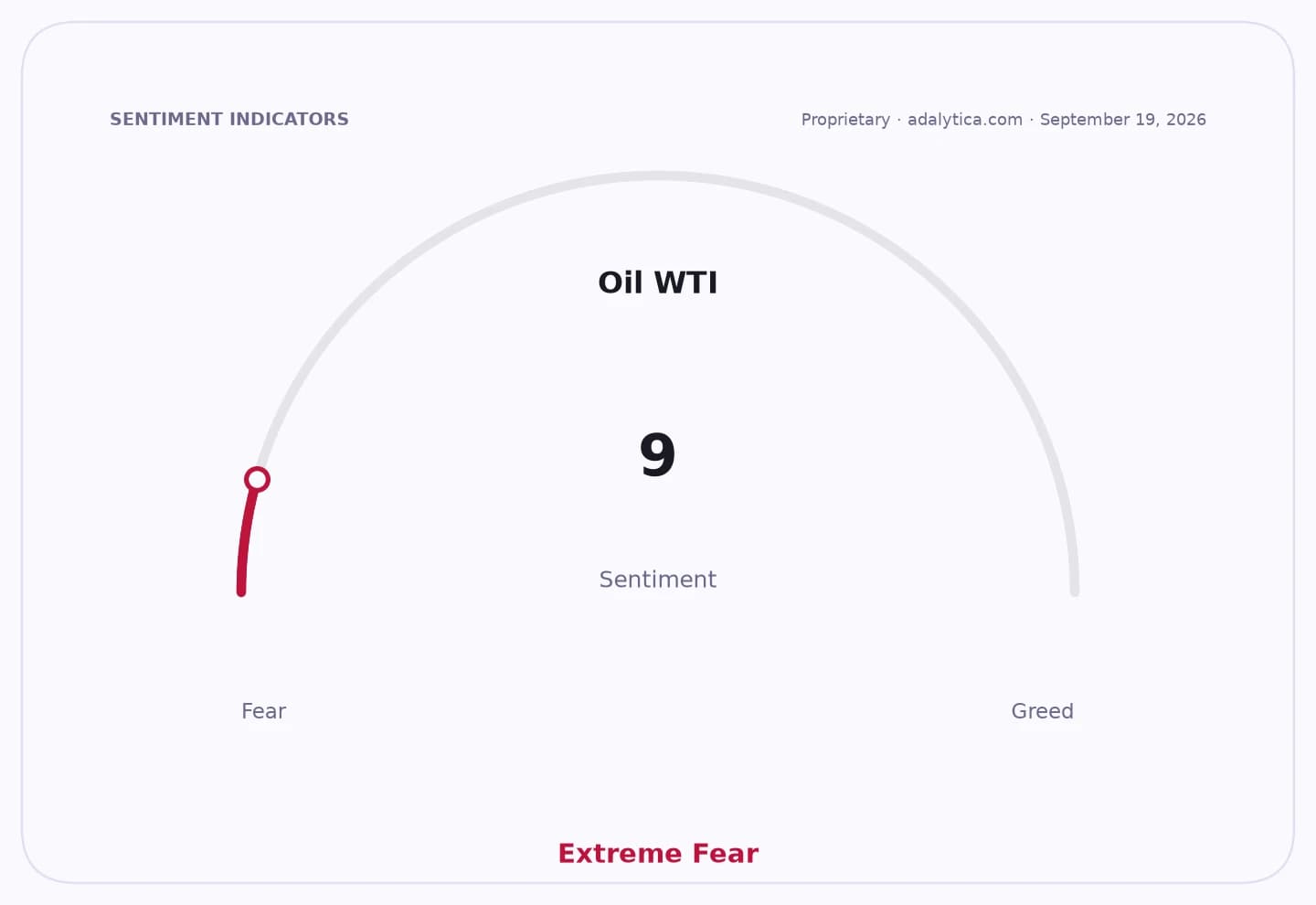
Sentiment IndicatorsⓘProprietary · adalytica.com · September 19, 2026
This is a snapshot — live sentiment, awareness and momentum for 130+ markets update continuously in the dashboard.Open AlphaPulse
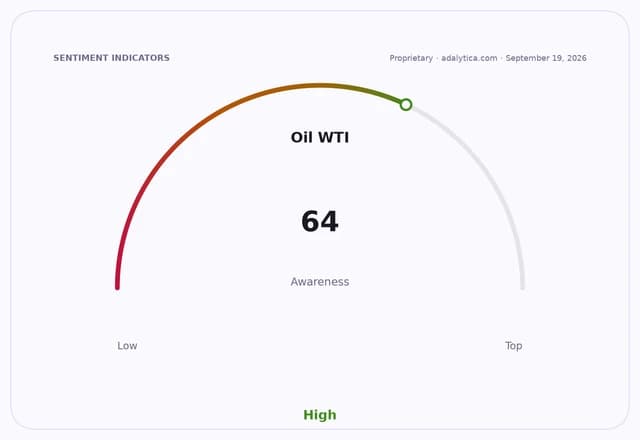
The latest move shows how quickly the market can react when supply fears intensify. Houthi advances in Yemen and attacks in the Red Sea are complicating Saudi oil exports, while Ukrainian strikes on Russian refineries are tightening the outlook for refined products. For consumers, that means the relief at the pump can disappear fast. For businesses, especially trucking, logistics and retail, a few cents more per liter can become a real margin issue when fuel bills are multiplied across fleets and supply chains.
Investors should also pay attention to the way energy markets are transmitting this risk. U.S. oil ETF USO remains elevated, with the fund closing at 153.82 on Sept. 18 and trading well above both its 50-day and 200-day moving averages. Its RSI reading of 75.4 suggests the move has been strong, though also stretched. Energy stocks have benefited too: the Energy Select Sector SPDR Fund, XLE, closed at 64.31, near its recent highs. Chevron, meanwhile, finished at 209.51, underscoring how integrated oil producers can act as partial hedges when crude prices climb.
The longer-term investor takeaway is simple: gasoline spikes are usually a symptom, not the story itself. The real story is the fragility of global oil supply in a world where wars, shipping disruptions and refinery attacks can still move prices overnight. Montreal drivers may get some short-lived relief if the switch to winter-grade gasoline brings prices down by about C$0.10 a liter, as some forecasters expect, but the broader backdrop remains volatile. For investors, energy exposure can help balance a portfolio, but the better lesson is to stay diversified and think in years, not days.
| Entity | Gains | Losses |
|---|---|---|
| Oil producers | ▲Higher realized prices | ▼None immediate |
| Montreal drivers | ▲Possible winter-blend relief | ▼Higher fuel bills |
| Energy stocks | ▲Inflation hedge appeal | ▼Volatile sentiment |
| Transport businesses | ▲None | ▼Rising operating costs |