Rising geopolitical tensions are sharpening calls for closer international cooperation on energy and critical minerals, with traders and policymakers warning that the world’s transition away from fossil fuels is colliding with fragile supply chains and a more volatile security backdrop.
Energy security focus rises on mineral supply risks
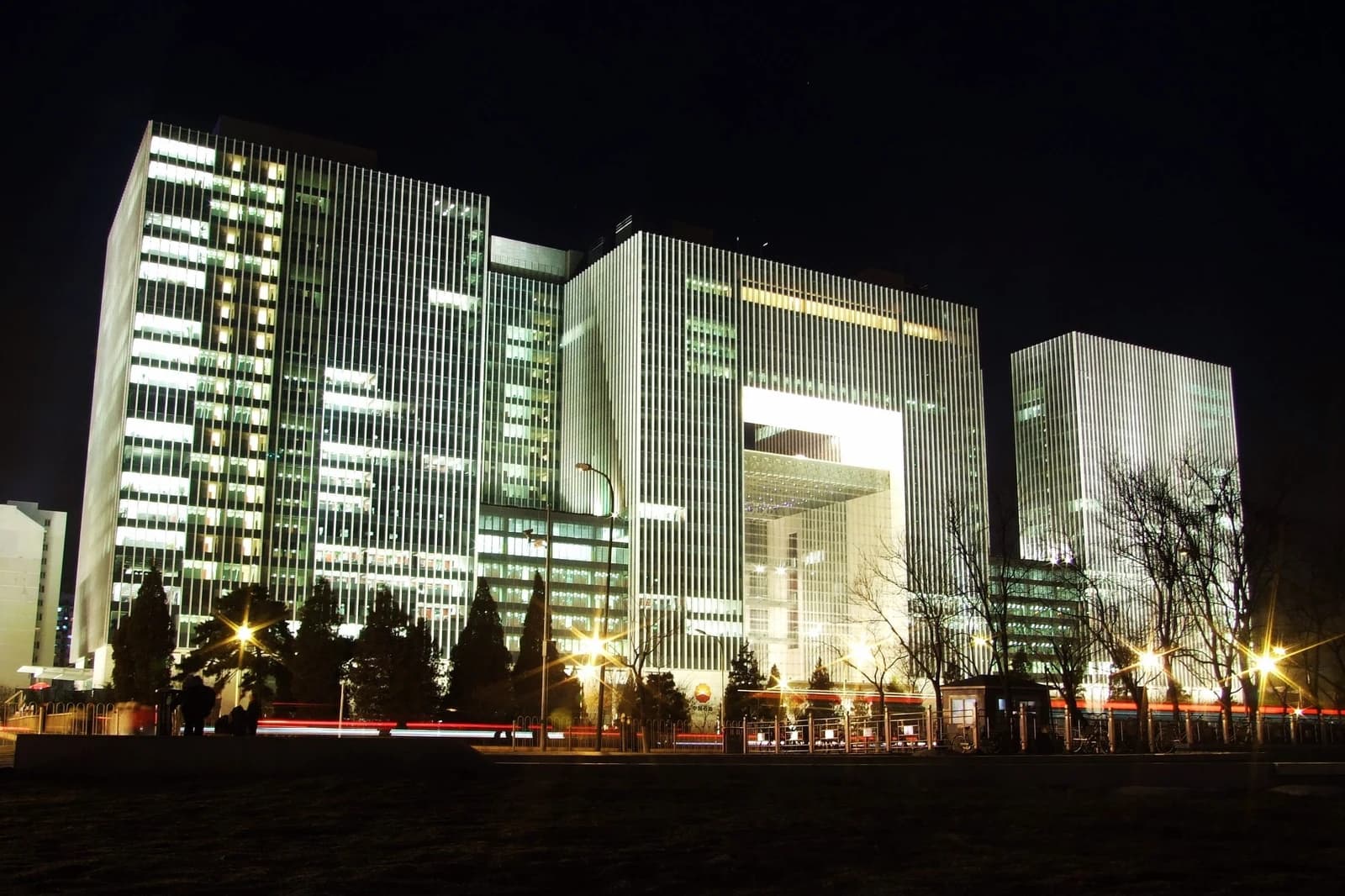
That message dominated the China Development Forum, where speakers said energy security and the energy transition now depend on deeper collaboration across borders. The urgency is not just diplomatic: the International Energy Agency says total global metal demand will rise sixfold by 2050, while lithium and cobalt demand could jump nearly fortyfold, underscoring how dependent the shift to renewables and electrification remains on mining, refining and shipping networks concentrated in a handful of countries.
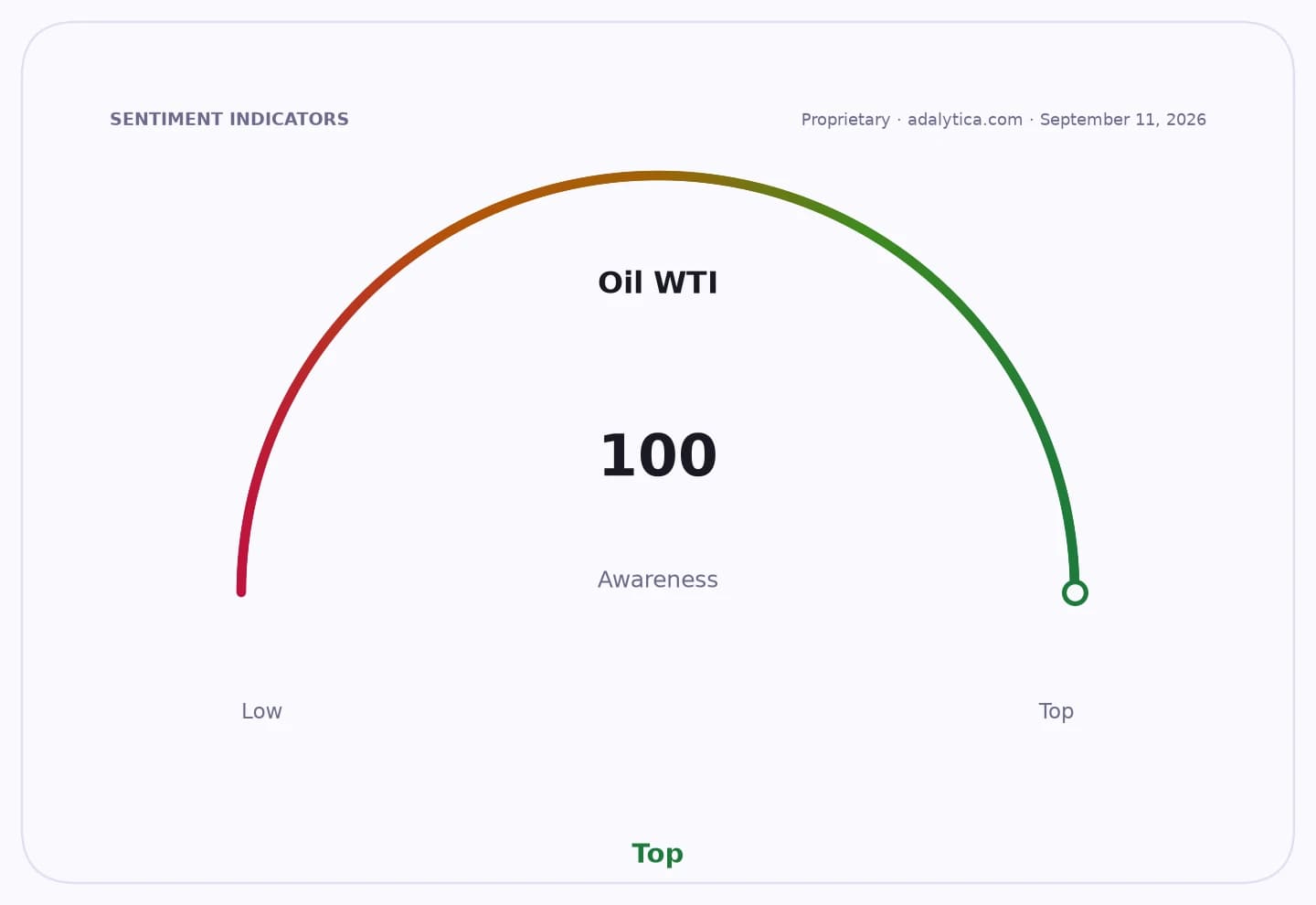
Sentiment IndicatorsⓘProprietary · adalytica.com · September 11, 2026
This is a snapshot — live sentiment, awareness and momentum for 130+ markets update continuously in the dashboard.Open AlphaPulse
Jeremy Weir, chairman of Trafigura, warned that supply shortages for key minerals are already a real risk. He said global copper demand is expected to grow 40% by 2035, but existing mines and committed projects will cover only about half of that increase — a gap that could slow everything from power grids and electric vehicles to data centers and industrial expansion.
The supply squeeze matters because the energy transition is becoming a capital-intensive race for raw materials, not just a race for wind farms and solar panels. Copper is essential for transmission lines, EVs and charging infrastructure, while lithium and cobalt remain central to batteries. If project pipelines lag demand, input costs can stay elevated, forcing utilities, manufacturers and automakers to pay more and complicating government plans to decarbonize at scale.
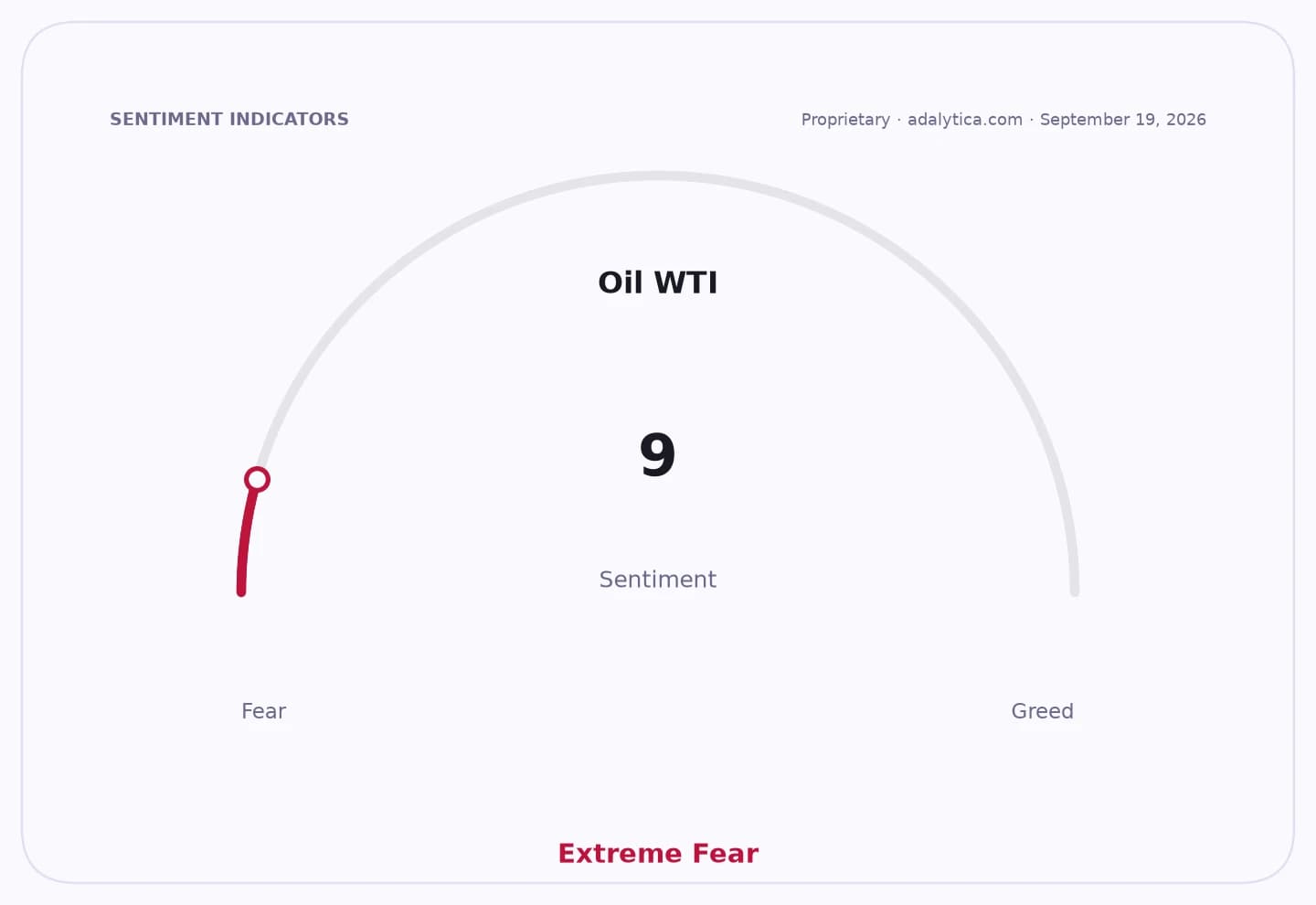
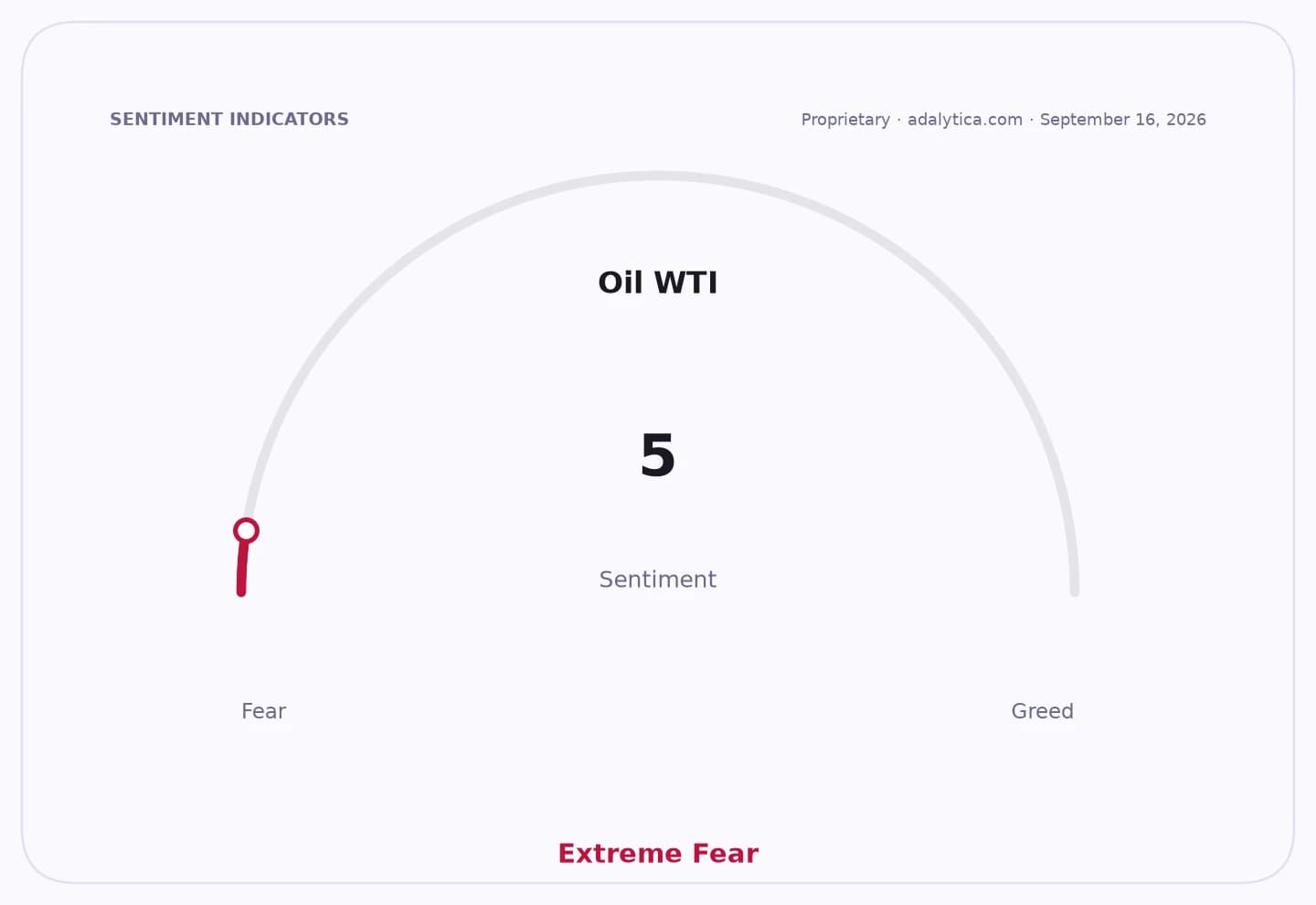
Markets are already treating geopolitical risk as an energy price catalyst. USO, the oil fund, closed at $158.38 on Sept. 10, up from $146.03 two days earlier, while Brent-linked fears and broader Middle East tensions have kept traders on edge. XLE, the energy sector ETF, finished at $64.93, near its recent highs, reflecting how oil and gas producers benefit when disruption risk lifts prices and cash flow expectations.
Natural gas has also stayed sensitive to geopolitical shocks and weather-driven volatility. UNG, the U.S. natural gas fund, was little changed at $10.19 on Sept. 10 after a stretch of choppy trading, showing that investors still see gas as a tactical hedge when supply security becomes the dominant theme.
The split in winners and losers is becoming clearer. Miners, commodity traders and integrated energy producers gain when supply fears push up prices and raise the value of secure assets, while import-dependent manufacturers, airlines, utilities and clean-energy developers face higher input costs and more uncertainty around project timelines. For investors, that means the next catalyst will likely be further conflict, OPEC discipline, metal supply announcements or policy steps aimed at widening cooperation on critical minerals and energy infrastructure.
| Entity | Gains | Losses |
|---|---|---|
| Oil and gas producers | ▲Higher prices, stronger cash flow | ▼None |
| Metal miners and traders | ▲Tighter supply, better margins | ▼Downstream cost pressure |
| EVs and grid builders | ▲Long-term demand growth | ▼Near-term input cost spikes |
| Airlines and importers | ▲None | ▼Higher fuel and freight costs |