Brazil’s household fuel bill edged higher in early September as cooking gas rose back to R$114 per 13-kilogram cylinder, while diesel was unchanged and gasoline dipped, underscoring a split market in which consumer costs remain uneven even as some transport fuel prices soften.
Brazil cooking gas rises as gasoline dips
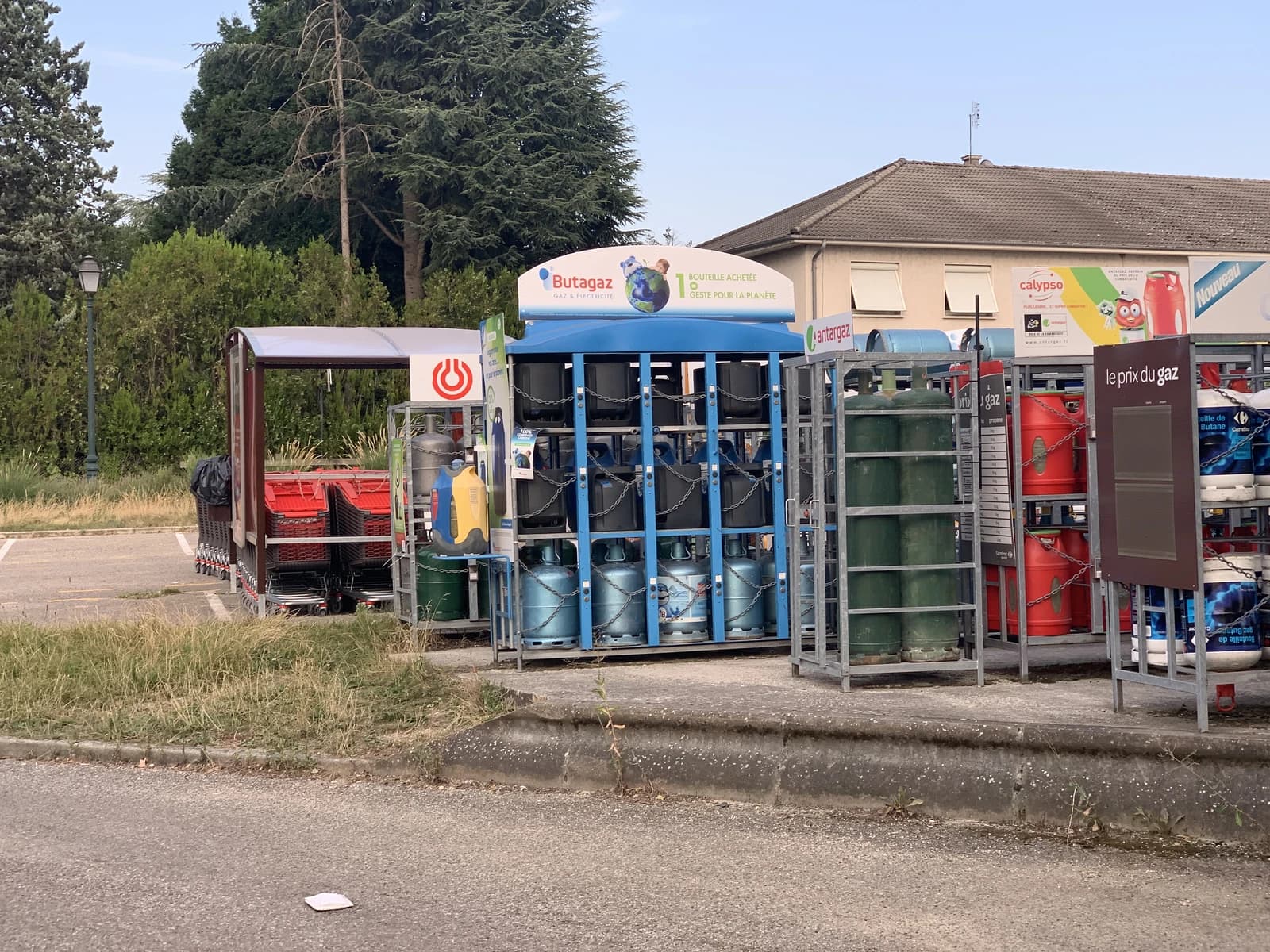
The National Petroleum Agency’s latest survey shows the average cooking gas price climbed 0.2% from the previous week, reversing late-August declines. Diesel S-10 held steady at R$6.88 a liter, and gasoline fell 0.3% to R$6.53. The divergence matters economically because cooking gas is a core household expense, while diesel feeds freight, agriculture and industry, and gasoline shapes broader consumer inflation and discretionary spending.
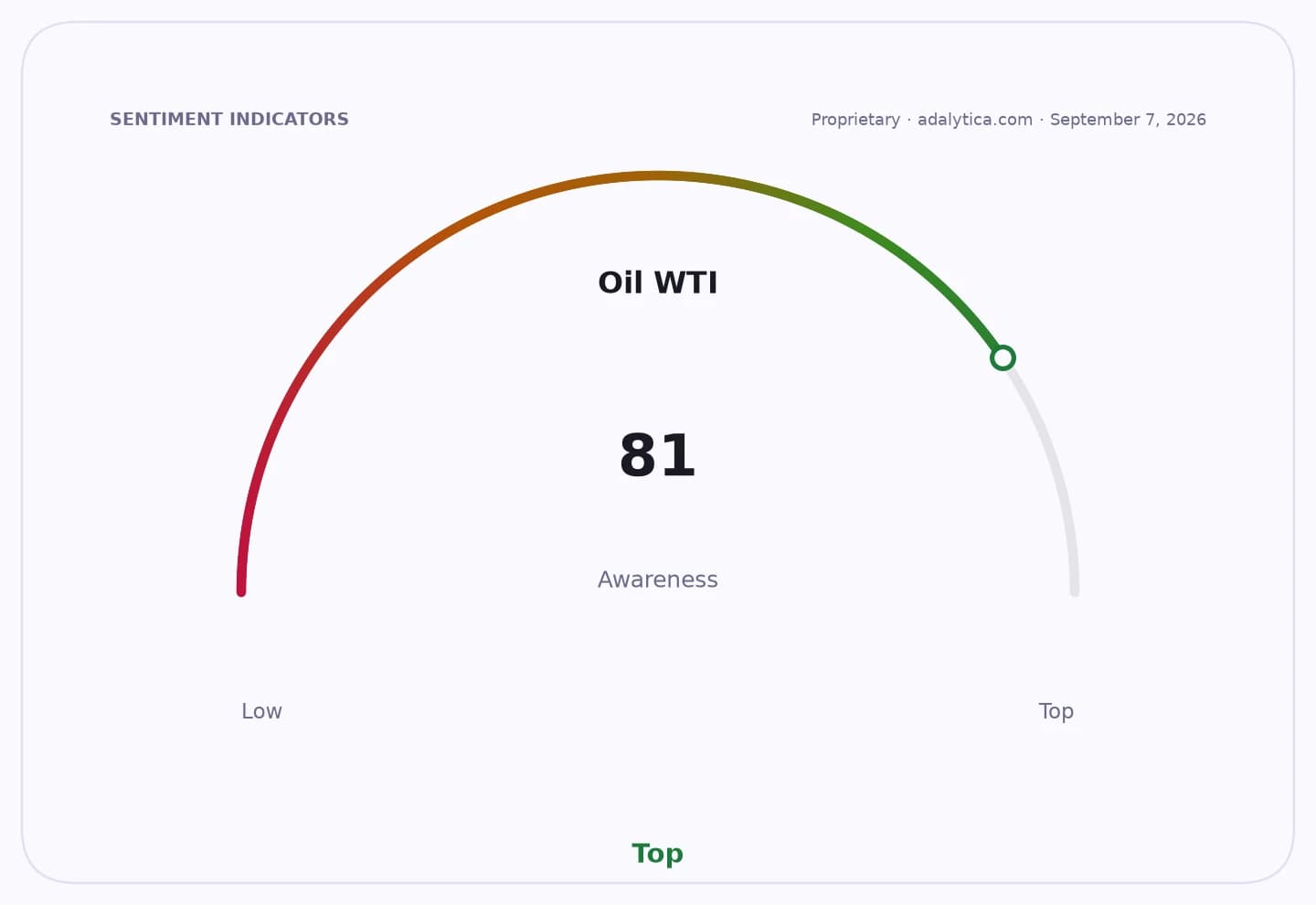
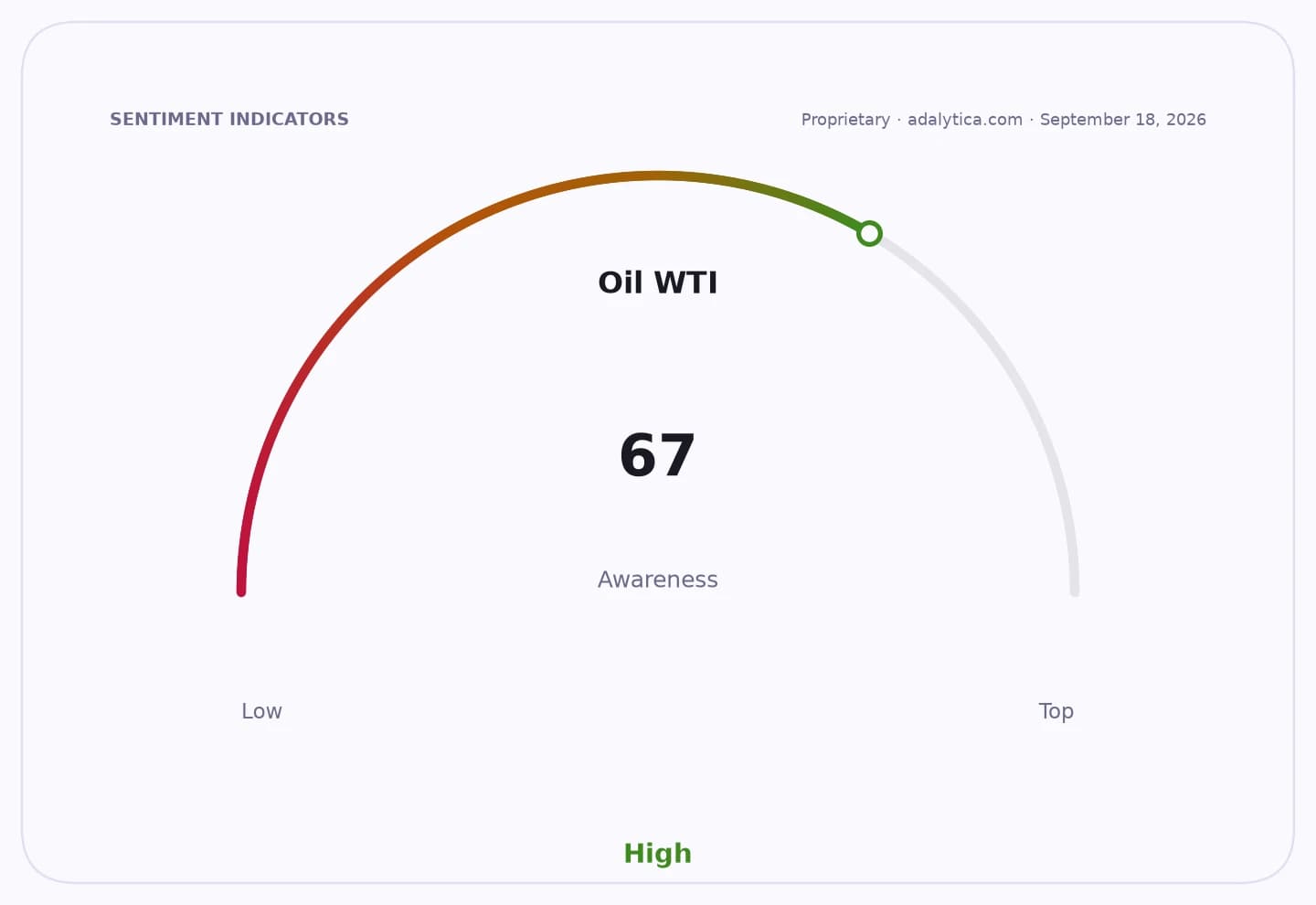
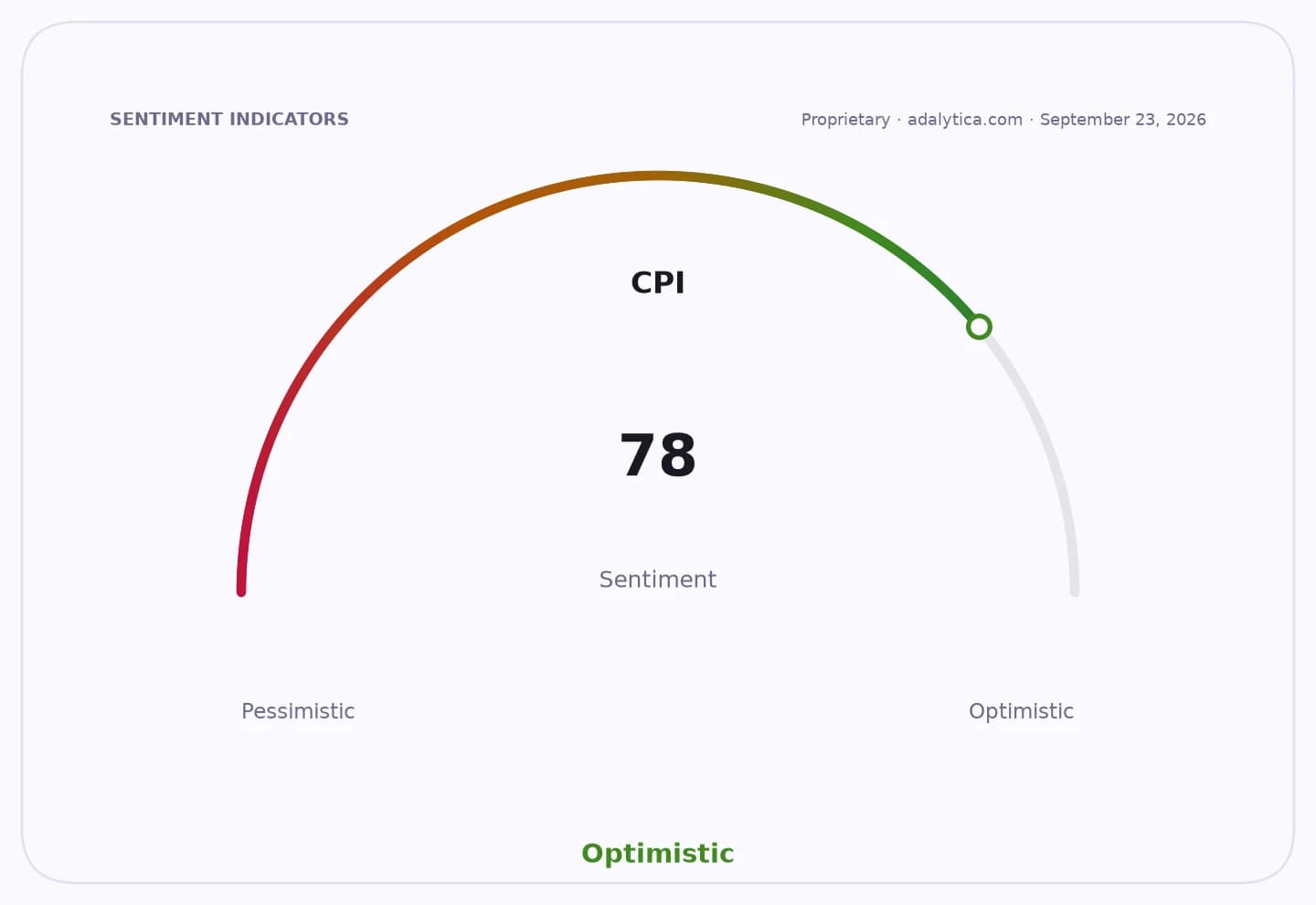
Sentiment IndicatorsⓘProprietary · adalytica.com · September 5, 2026
This is a snapshot — live sentiment, awareness and momentum for 130+ markets update continuously in the dashboard.Open AlphaPulse
For inflation, the readthrough is mixed but still constructive. The stability in diesel suggests limited immediate pressure on logistics costs, which can help restrain pass-through into food and goods prices. The slight decline in gasoline is also helpful for monthly consumer-price dynamics, though the rebound in cooking gas keeps pressure on lower-income households, which spend a larger share of income on energy. In Brazil, that makes the ANP basket a useful window into both headline inflation and real purchasing power.
Regional gaps remain wide, highlighting persistent distribution and tax effects across the country. In the South, cooking gas averaged R$161 a cylinder, well above the national mean, while the North posted the highest diesel and gasoline prices at R$9.25 and R$8.99 a liter, respectively. Those differences matter for retailers, transport operators and local inflation, especially in regions where fuel is a larger share of operating costs and where weaker competition or longer supply chains can amplify price shocks.
For Petrobras and fuel distributors, the report points to a market still balancing imported price dynamics, domestic competition and regional logistics. A steadier diesel print can support freight margins and temper inflation complaints, but a firmer cooking-gas market keeps the political sensitivity around household energy intact. Investors will be watching whether gasoline’s modest decline extends into a broader trend, and whether diesel remains stable enough to prevent a new round of cost pressure in transport and industry.
The bigger narrative is that Brazil’s fuel market is not moving in lockstep. Household energy is firming again, diesel is paused, and gasoline is easing, leaving policymakers with a more nuanced inflation picture and investors with fewer clean signals on demand, margins and pricing power.
| Entity | Gains | Losses |
|---|---|---|
| Consumers using gasoline | ▲Lower fuel bills | ▼Less incentive for pump retailers |
| Freight and logistics firms | ▲Stable diesel costs | ▼Limited relief if later pass-through rises |
| Households buying cooking gas | ▲None | ▼Higher kitchen fuel spending |
| Fuel retailers/distributors | ▲Margin opportunity in regional spreads | ▼Pressure on volumes if prices stay high |