Indonesia’s flagship Pertamax gasoline stays unchanged at Rp15,950 a liter on Sept. 21, but most non-subsidized fuel grades from Pertamina, BP-AKR, Vivo and Shell have been raised, underscoring how higher crude costs are feeding through to retail pumps.
Indonesia fuel prices rise as crude stays elevated
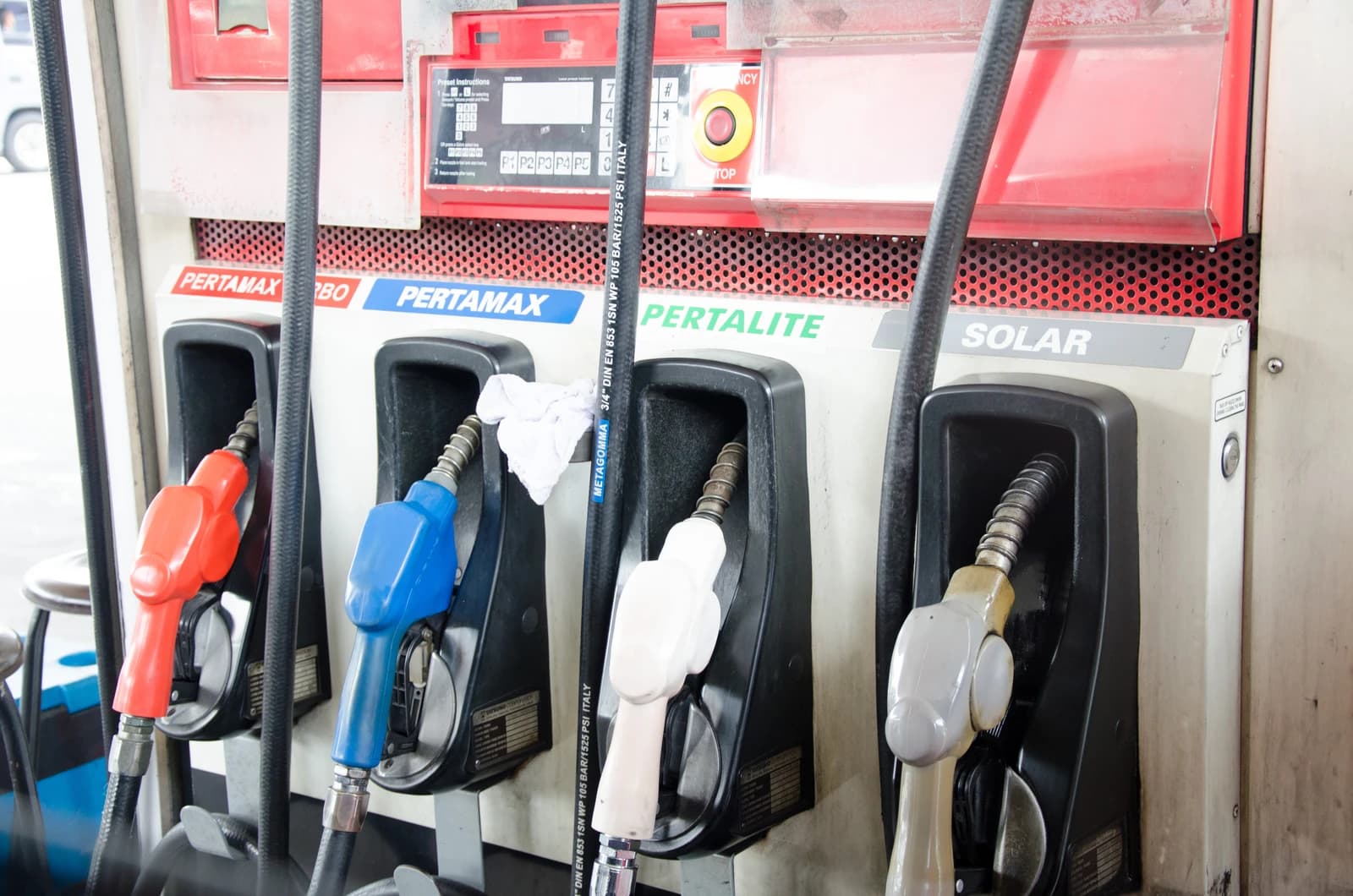
The biggest increases are in diesel, where Pertamina Dex has climbed to Rp25,200 a liter from Rp21,150 in August and Dexlite has risen to Rp23,700 from Rp19,700. BP Ultimate Diesel, Vivo’s Diesel Primus and Shell V-Power Diesel are all priced at Rp25,420 a liter, up Rp3,510 from the previous month. Higher-octane gasoline is also more expensive, with Pertamax Green 95 now at Rp19,150, BP Ultimate and Vivo’s Revvo 95 at Rp19,330, and Pertamax Turbo at Rp19,600.
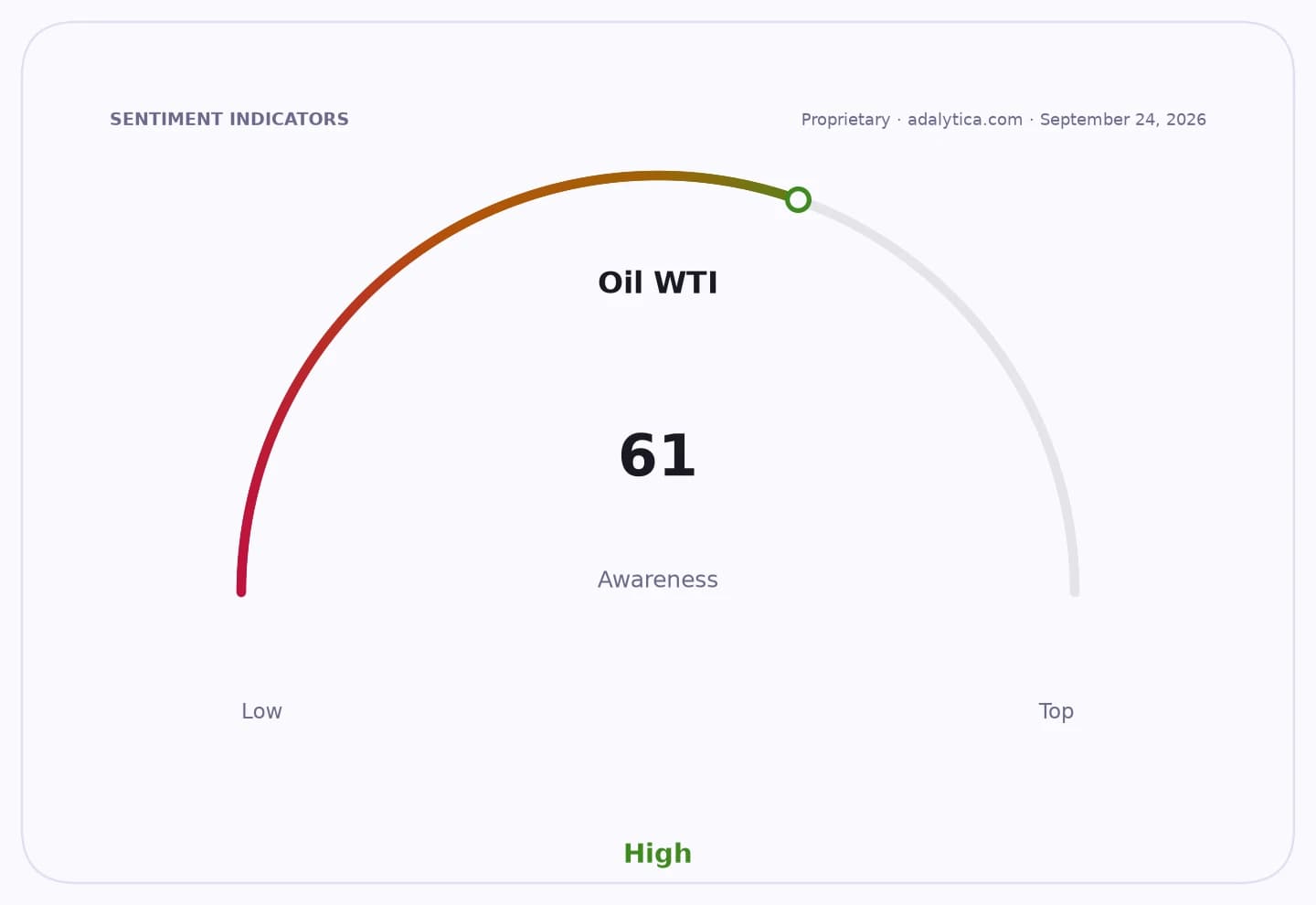
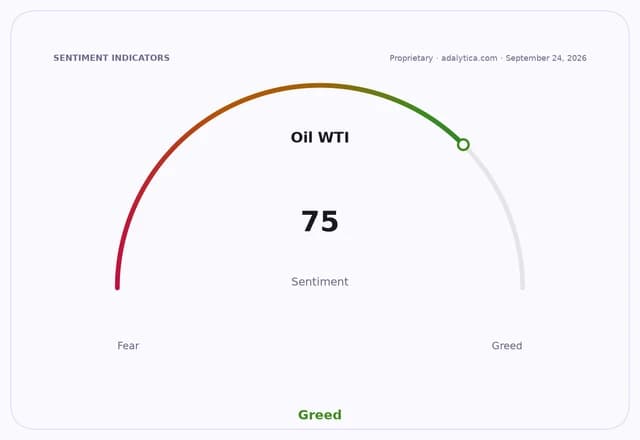
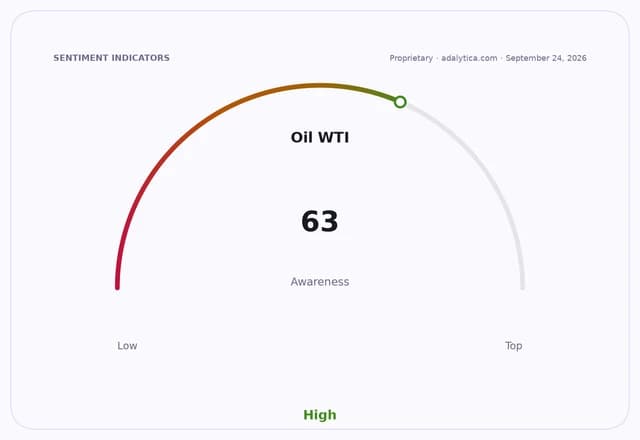
Sentiment IndicatorsⓘProprietary · adalytica.com · September 24, 2026
This is a snapshot — live sentiment, awareness and momentum for 130+ markets update continuously in the dashboard.Open AlphaPulse
The only mass-market prices that remain frozen are Pertalite at Rp10,000 and subsidized diesel Biosolar at Rp6,800. That split matters because it keeps the immediate inflation hit contained for lower-income households, while still pushing up transport and logistics costs for businesses that rely on higher-grade fuel and diesel.
The pricing move comes as global crude remains elevated around the mid-$90s a barrel, after trading near $97 on Sept. 22, and U.S. oil benchmarks have also stayed well above their summer lows. For refiners and fuel retailers, that keeps input costs firm and leaves little room to absorb margin pressure without passing it on to consumers.
DCOILWTICO vs CPIAUCSL — macro contextadalytica.com
Explore this data interactively — full history, time series and cross-market comparisons.Open AlphaPulse
For investors, the update is a reminder that Indonesia’s fuel market remains highly sensitive to global energy swings and currency pressure. It also keeps attention on inflation, consumer spending and transport costs heading into the next round of economic data, while energy producers and fuel distributors watch whether crude’s latest pullback sticks.
If oil prices stabilize or fall further, the next pricing reset could ease pressure on retail fuel costs; if they rebound, more increases are likely across premium gasoline and diesel products.
| Entity | Gains | Losses |
|---|---|---|
| Fuel retailers | ▲Wider pass-through pricing | ▼Demand risk if prices stay high |
| Oil producers | ▲Stronger revenue backdrop | ▼Potential demand destruction |
| Indonesian consumers | ▲Subsidized fuel stability | ▼Higher transport and logistics costs |
| Businesses reliant on diesel | ▲No immediate benefit | ▼Rising operating expenses |