Indonesia’s plan to make gasoline from coal is moving from concept to execution, a shift that could reshape its fuel import bill, support domestic coal demand and deepen the government’s drive for energy self-sufficiency.
Indonesia plans coal-to-gasoline project
Energy and mineral resources minister Bahlil Lahadalia’s readiness to execute the project matters because Indonesia remains heavily exposed to global oil prices and foreign refining supplies. A successful coal-to-liquid program would not eliminate that dependence, but it could reduce pressure on state fuel subsidies and lower vulnerability to crude price spikes that feed directly into inflation, the current account and fiscal accounts.
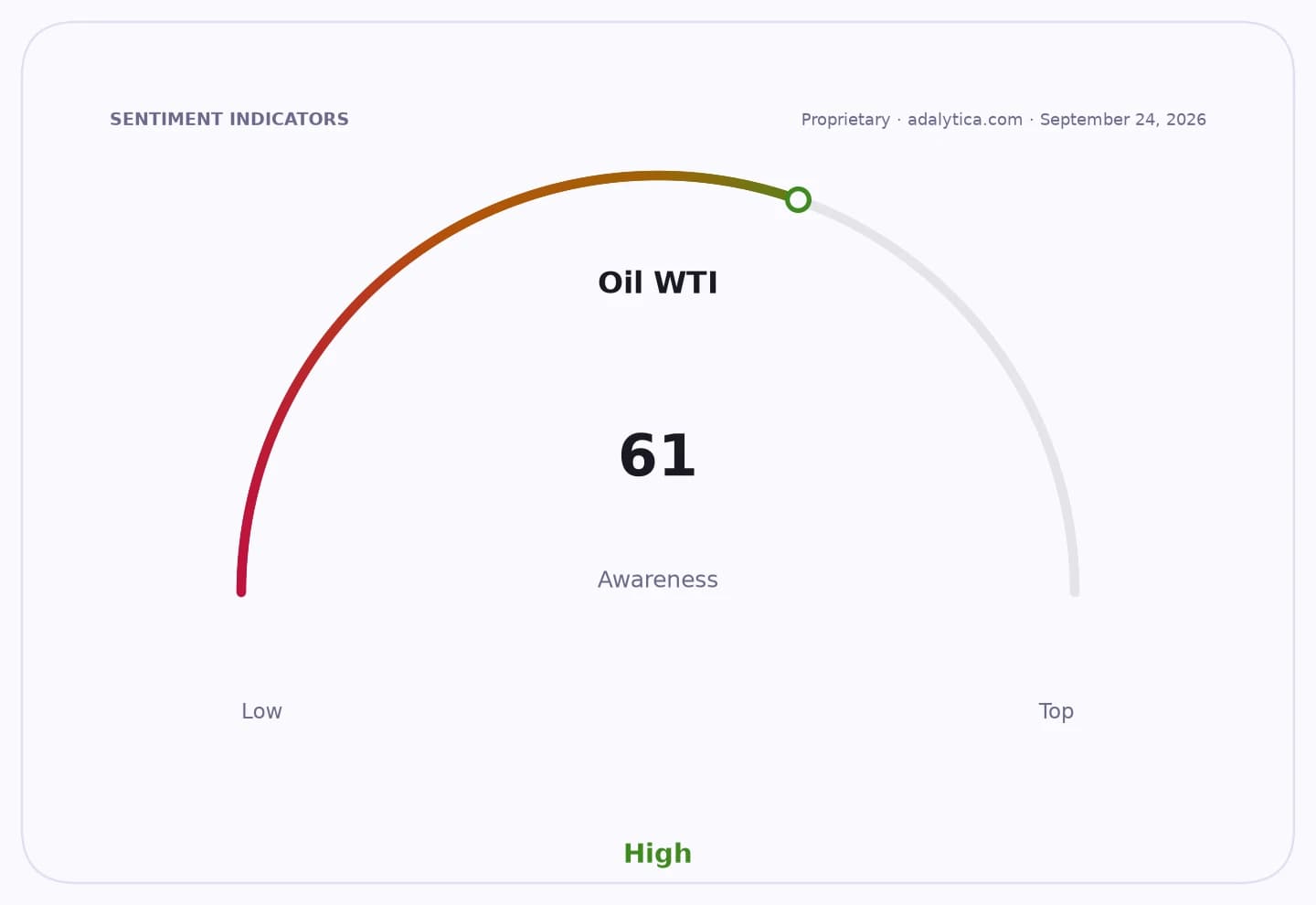
Sentiment IndicatorsⓘProprietary · adalytica.com · September 24, 2026
This is a snapshot — live sentiment, awareness and momentum for 130+ markets update continuously in the dashboard.Open AlphaPulse
The proposal also fits Jakarta’s broader industrial policy. Indonesia is trying to turn its vast coal reserves into higher-value products rather than exporting raw materials. For policymakers, that means jobs, investment and a strategic hedge against oil volatility. For investors, it raises the prospect of a new domestic demand stream for coal producers and engineering contractors, while also creating questions about capital intensity, environmental costs and project economics.
Those economics are the central issue. Coal-to-liquids plants are expensive, energy-intensive and typically viable only with policy support, cheap feedstock and long operating runs. That makes the project attractive in a country keen to use its natural resources but risky if global oil prices soften or financing costs stay high. The buildout would also sit uneasily alongside Indonesia’s climate commitments, potentially inviting scrutiny from lenders and trading partners.
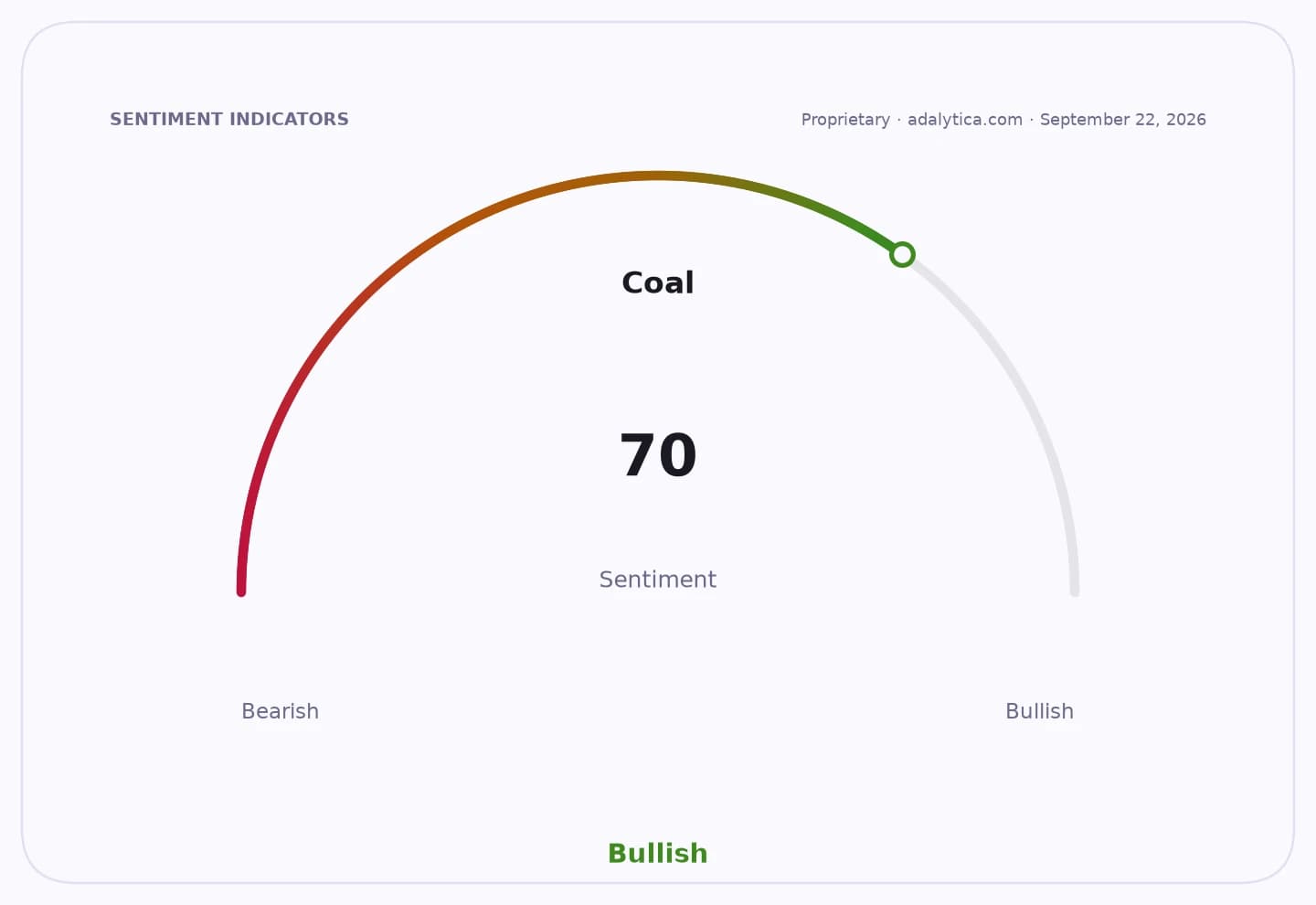
Market signals underscore the tension. Oil prices, as reflected by the U.S. Oil Fund, have remained elevated and volatile, while coal sentiment has improved sharply, with Adalytica’s Coal Fear & Greed Index rising to 81 from 70 two days earlier. That does not make coal-to-gasoline a tradeable certainty, but it does show how policy headlines can keep fossil-fuel-linked assets bid when supply security becomes the dominant theme.
For investors, the bullish case is straightforward: the project could create a protected domestic market for coal, reduce fuel import exposure and strengthen the earnings visibility of related industrial and logistics players. The bear case is just as clear: high upfront costs, execution risk, environmental pushback and the possibility that cheaper imported fuel or a lower oil price environment undermines returns.
The next catalyst will be whether the government moves from political endorsement to concrete financing, partner selection and timeline disclosure. Until then, the story is less about immediate output than about Indonesia’s willingness to spend capital on energy security at a time when the cost of oil dependence remains politically and economically visible.
| Entity | Gains | Losses |
|---|---|---|
| Indonesian government | ▲Energy security | ▼Fiscal flexibility |
| Coal producers | ▲New domestic demand | ▼ESG scrutiny |
| Fuel importers | ▲— | ▼Potential market share |
| Oil-linked assets | ▲Higher policy premium | ▼Demand substitution risk |