Indonesia’s government is moving to accelerate fuel blending and squeeze more output from idle oil wells as President Prabowo Subianto tries to cut the country’s exposure to imported fuel amid volatile geopolitics and elevated oil prices.
Indonesia Plans E20 and More Oil Well Output
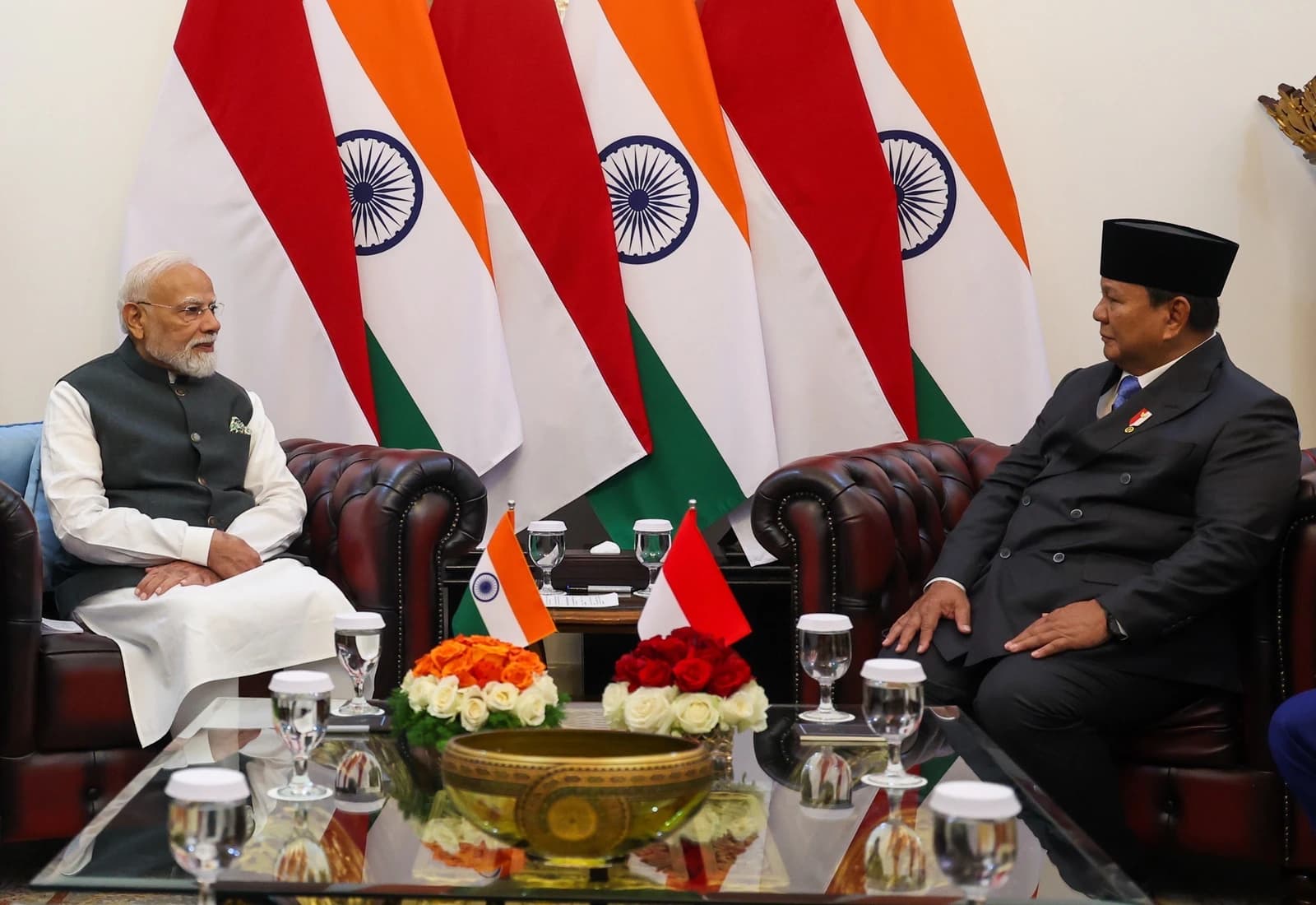
The push matters because Indonesia remains structurally dependent on external energy supplies, leaving the economy vulnerable to swings in crude prices, shipping disruptions and a stronger dollar. By asking the National Energy Council to prepare a path to E20 and eventually E50 — 20% and 50% ethanol blends — Prabowo is signaling that Jakarta wants to use domestic biofuels and mature oil assets to soften the import bill and strengthen energy security.
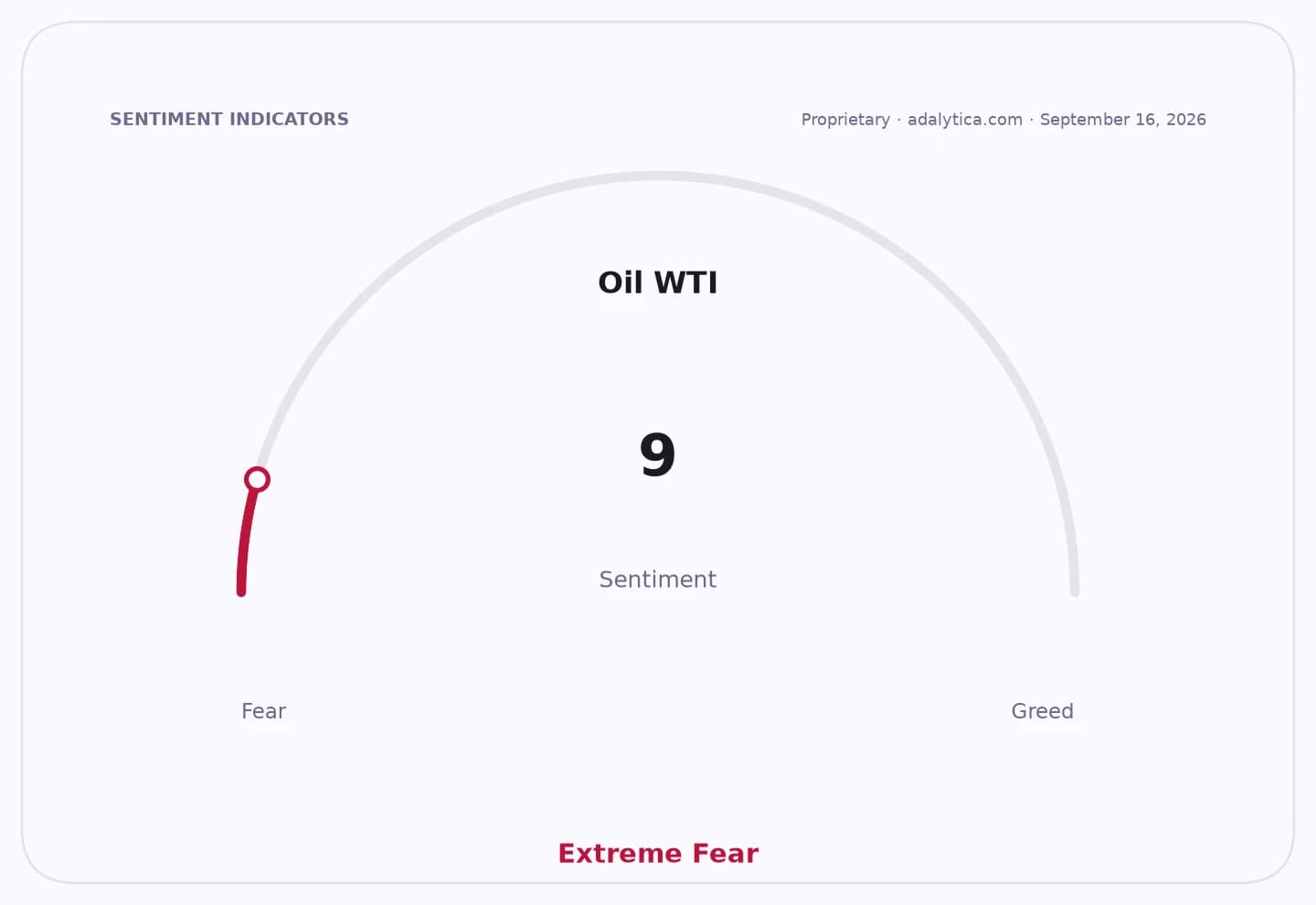
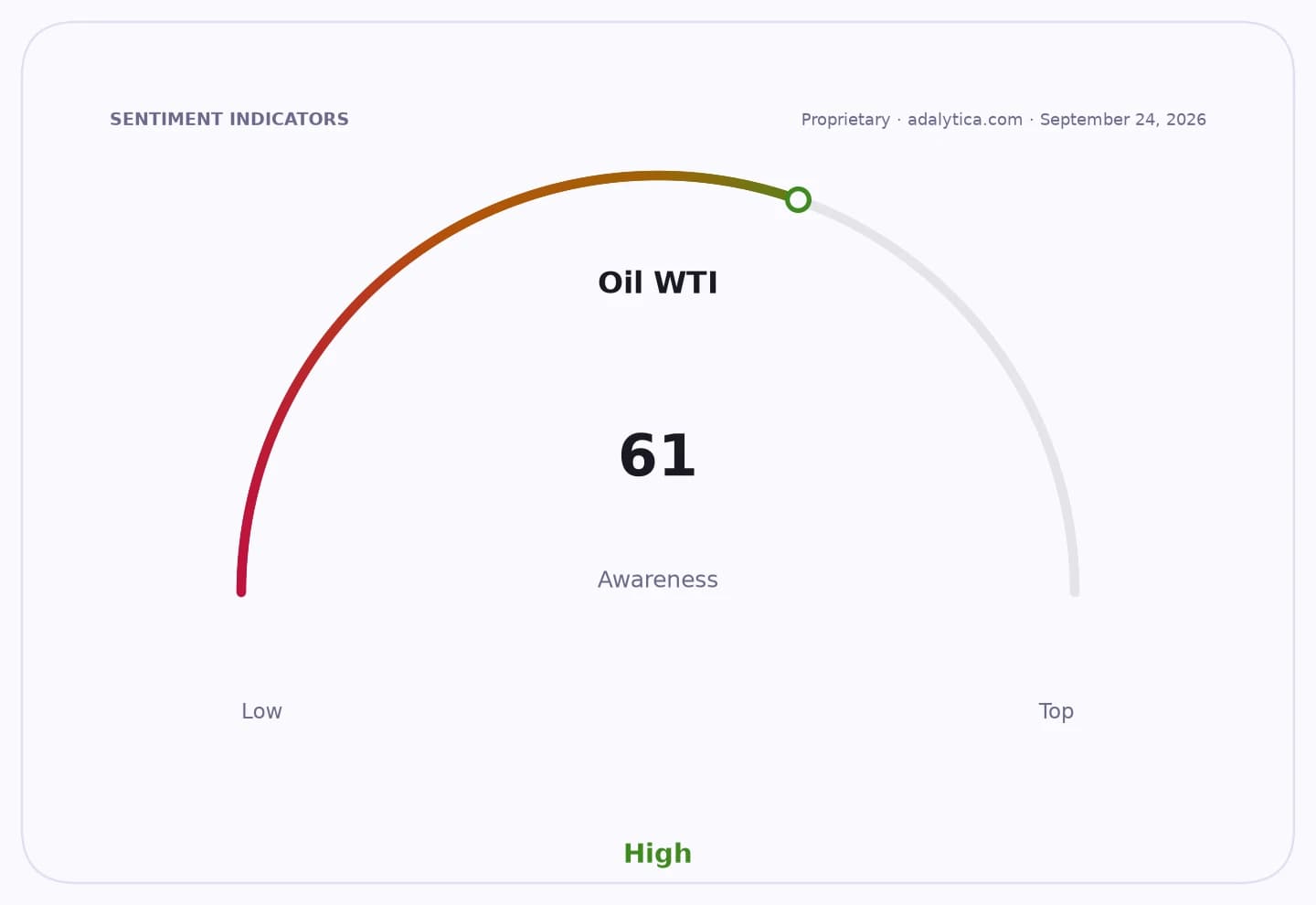
Sentiment IndicatorsⓘProprietary · adalytica.com · September 19, 2026
This is a snapshot — live sentiment, awareness and momentum for 130+ markets update continuously in the dashboard.Open AlphaPulse
Energy Minister Bahlil Lahadalia said the president wants the council to map out the steps needed to reach the higher blends, while also optimizing 45,000 oil wells and advancing a revised oil and gas law. The strategy is meant to increase domestic fuel availability and reduce reliance on imported petroleum products, a politically sensitive issue for a large consumer economy that has repeatedly had to balance affordability, subsidies and supply security.
The timing is important for markets. Global crude has remained expensive by historical standards, with WTI recently trading around $101 a barrel and oscillating sharply this year, reinforcing the economic case for substitution and local supply. Indonesia is also operating in an environment where the US dollar remains firm and energy importing nations face tighter financing and higher trade costs. For Jakarta, even modest gains in domestic fuel production or blending can help improve the current account, cushion inflation and ease pressure on fiscal subsidies.
For investors, the policy points in several directions at once. It is supportive for local biofuel and agricultural supply chains if ethanol blending expands, but it also raises questions about feedstock availability, refinery compatibility, pricing mechanisms and implementation risk. The 45,000-well program could benefit domestic upstream service companies and state-linked producers if regulatory hurdles are removed, though many of those wells are likely to be marginal and costly to revive. In contrast, refiners and fuel importers could face slower demand growth for imported products if the plan advances.
The broader message is that Jakarta is trying to build a more self-reliant energy system without waiting for global markets to become more stable. That fits with a wider Indonesian strategy that also includes LNG integration, overseas upstream investments and clean-energy development. The key question for investors is whether the government can turn policy ambition into infrastructure, supply-chain and pricing arrangements fast enough to matter. If it can, the result would be a lower import burden and a sturdier macro backdrop; if not, the announcement may remain more of a strategic signal than an immediate market shift.
| Entity | Gains | Losses |
|---|---|---|
| Indonesian state | ▲Lower fuel import dependence | ▼Execution risk |
| Biofuel producers | ▲Higher ethanol demand | ▼Feedstock constraints |
| Domestic upstream firms | ▲More well-revival activity | ▼Marginal well costs |
| Fuel importers/refiners | ▲Slower import growth | ▼Lost volume share |