Indonesia is preparing to turn low-grade coal into gasoline and other fuels, a move that could reshape the country’s energy mix, reduce reliance on imported petroleum products and open the door to new investment in domestic refining and conversion technology.
Indonesia Plans Coal-to-Fuels Push
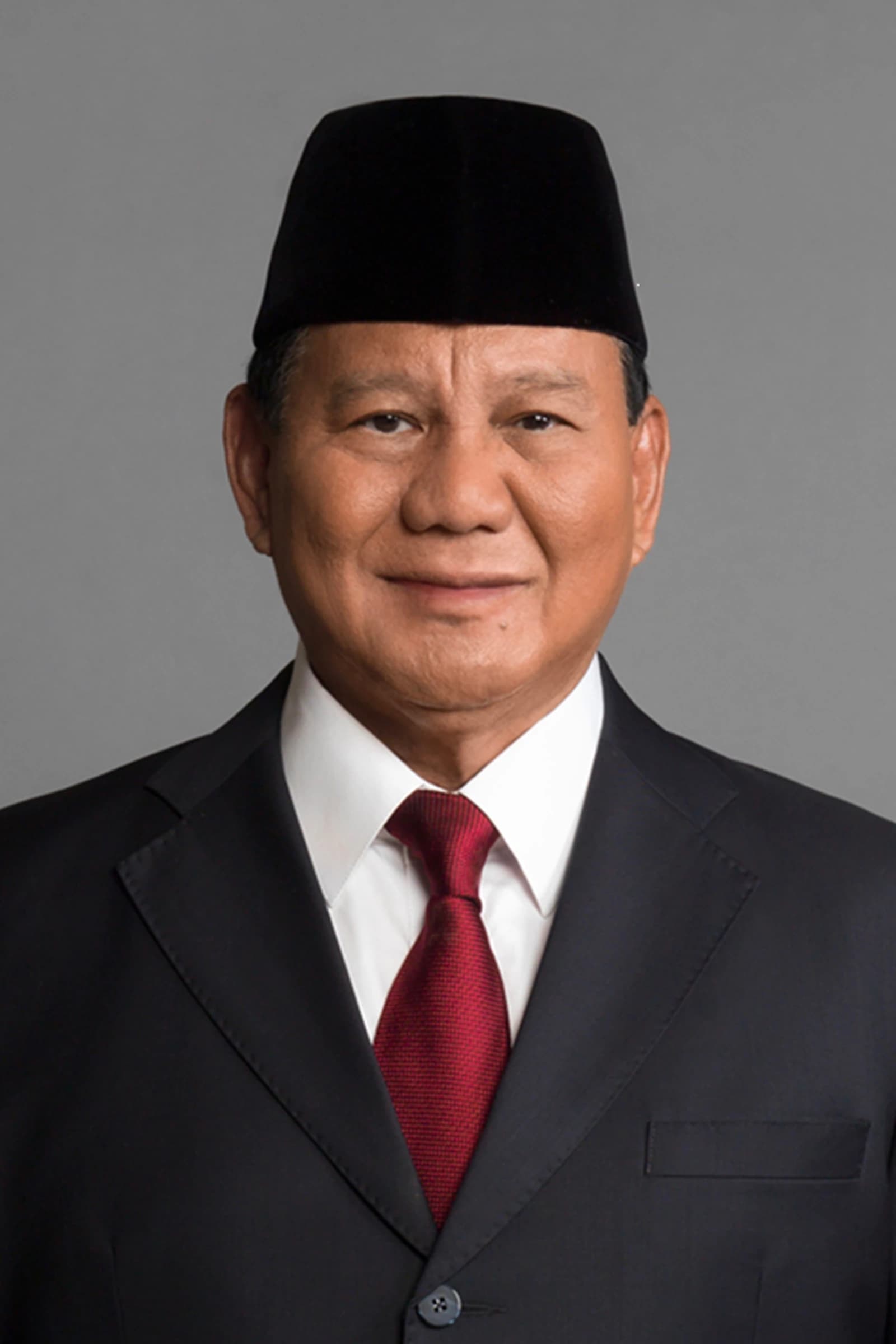
Energy Minister Bahlil Lahadalia said several companies have already offered to work with the government on processing low-calorie coal into oil and gas products, after President Prabowo Subianto called for Indonesia to maximize local energy resources amid a volatile geopolitical backdrop. Bahlil said the plan is tied to a broader push for energy self-sufficiency, with the government also advancing ethanol-blended fuels.
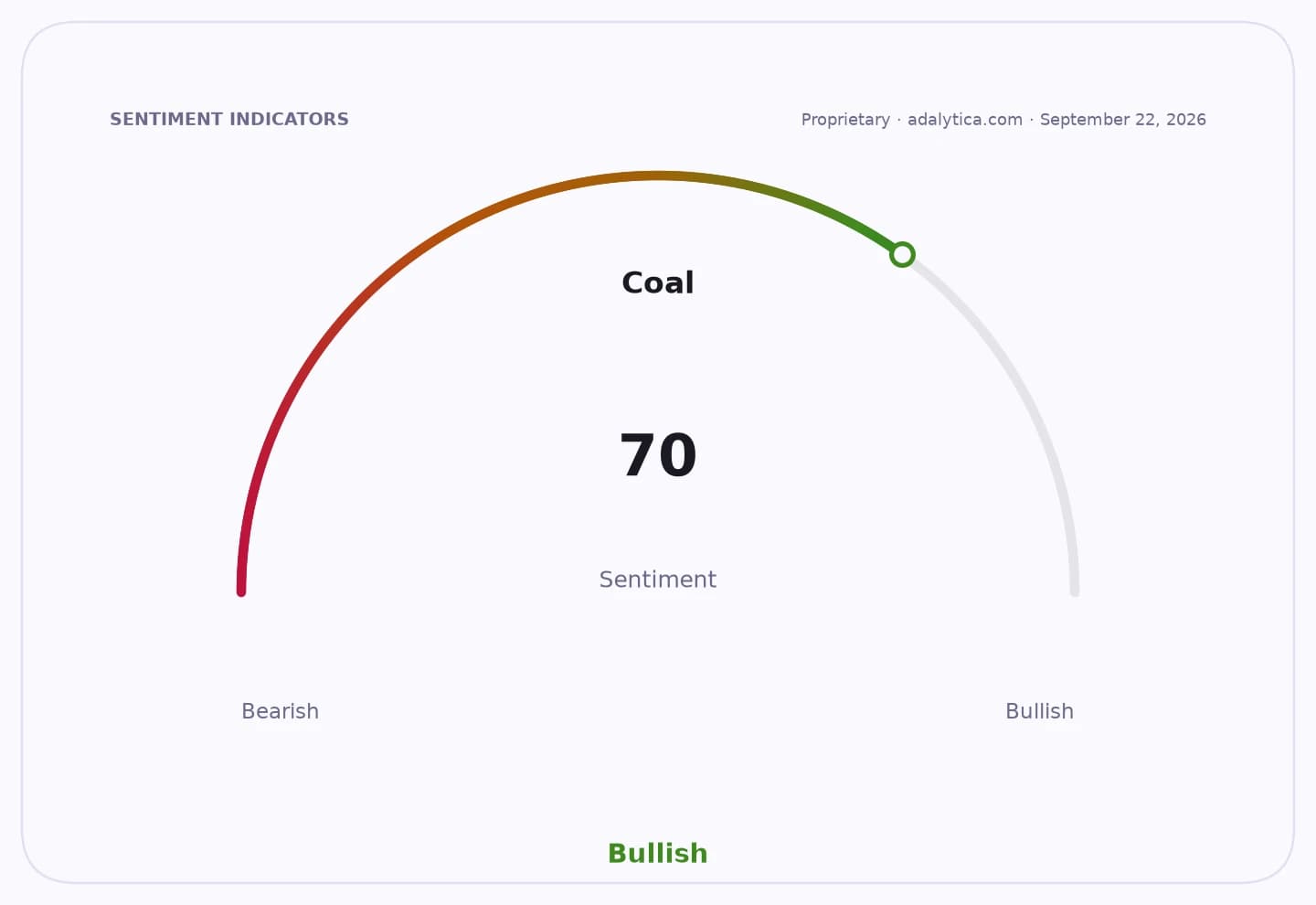
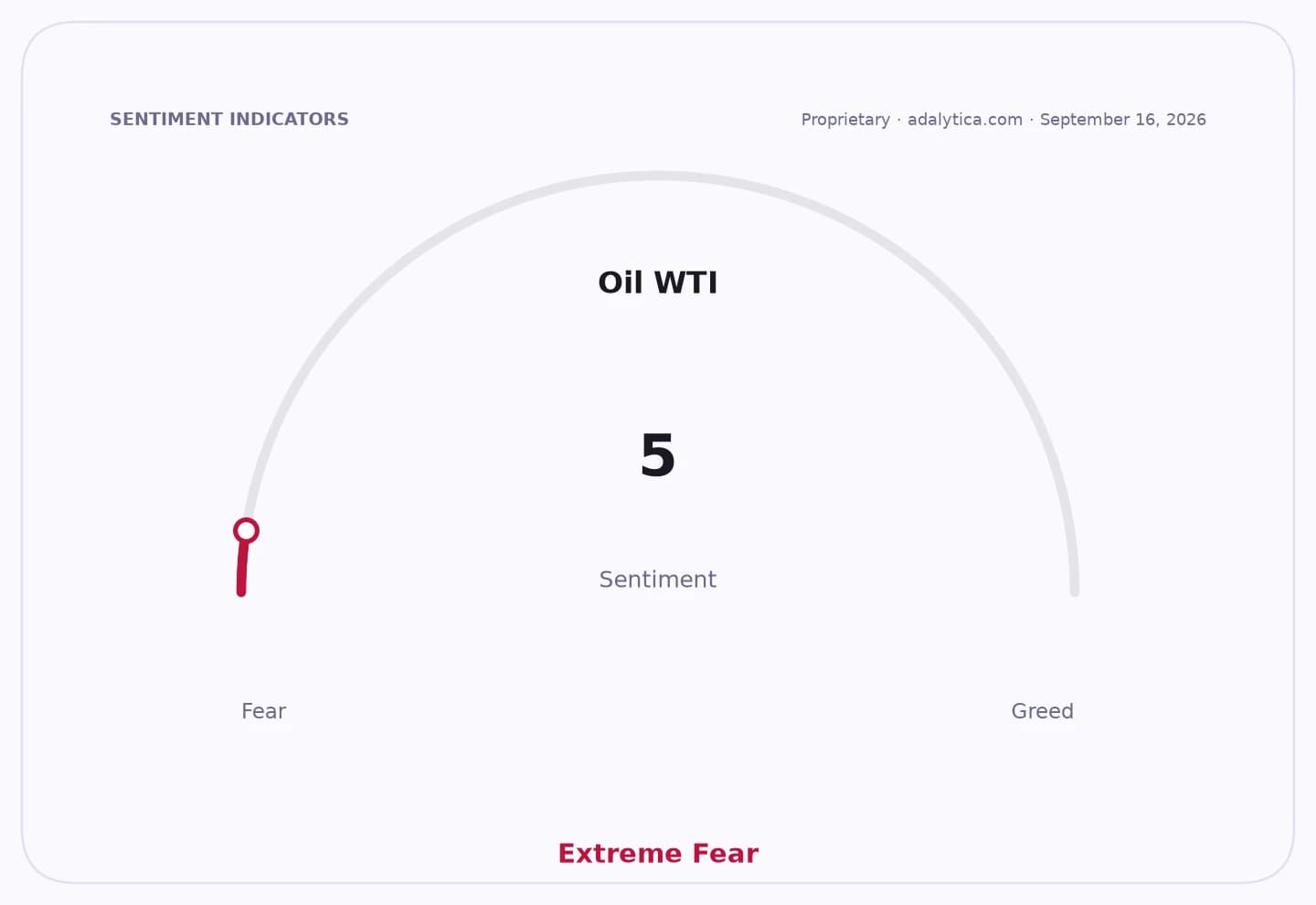
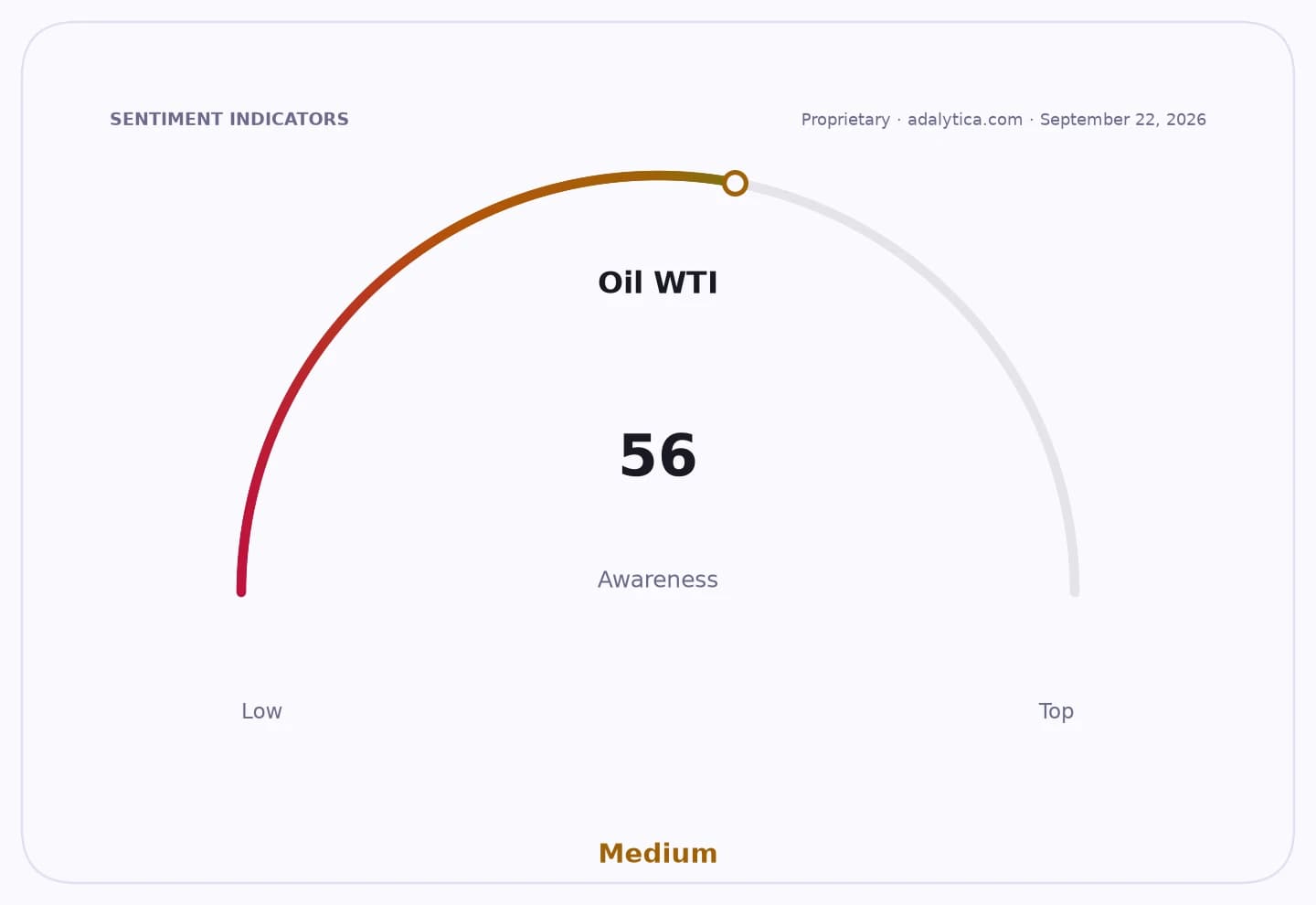
Sentiment IndicatorsⓘProprietary · adalytica.com · September 25, 2026
This is a snapshot — live sentiment, awareness and momentum for 130+ markets update continuously in the dashboard.Open AlphaPulse

The economic logic is straightforward: Indonesia imports a meaningful share of its transport fuel, so any domestic substitute could ease the trade bill and improve supply security. Coal-to-liquids projects are expensive and technically demanding, but they appeal to resource-rich countries that want to keep more value at home rather than exporting raw material and buying back finished fuel.
Prabowo has framed the initiative as part of a wider swath of homegrown energy options, including palm oil-based diesel and future gasoline made from palm oil. That makes the coal plan less of an isolated industrial idea than a policy shift toward using Indonesia’s commodity base to insulate the economy from oil shocks and external supply disruptions.
For investors, the headline matters because it points to potential winners across coal miners, industrial contractors, and fuel infrastructure operators if the government turns rhetoric into projects. It also raises questions for refiners and fuel importers, who could face pressure if domestic alternative fuels gain political backing and budget support.
Bahlil said development would be phased over the next two years, with a 2027 target for E10 and a 2028 push for E20, while stressing that any ethanol blending must be backed by local production to avoid swapping one import dependency for another. That leaves execution risk high, but the policy direction is clear: Jakarta wants to turn domestic commodities into transport fuel before foreign energy markets force its hand.
| Entity | Gains | Losses |
|---|---|---|
| Coal miners | ▲New domestic demand | ▼Less export-only dependence |
| Fuel importers | ▲Supply stability | ▼Lower import volumes |
| Refiners / project builders | ▲Potential new contracts | ▼Higher capex risk |
| Consumers / Indonesia | ▲Better energy security | ▼Project delay risk |