Indonesia’s approval of an additional 15 million to 20 million tons of coal mining quota for Bayan Resources is the immediate catalyst investors should watch, because it removes a supply bottleneck that had already forced the miner to declare force majeure and could restore lost volumes in a market where coal remains central to Asia’s power security.
Bayan Resources Gets 15M-20M Ton Coal Quota Boost
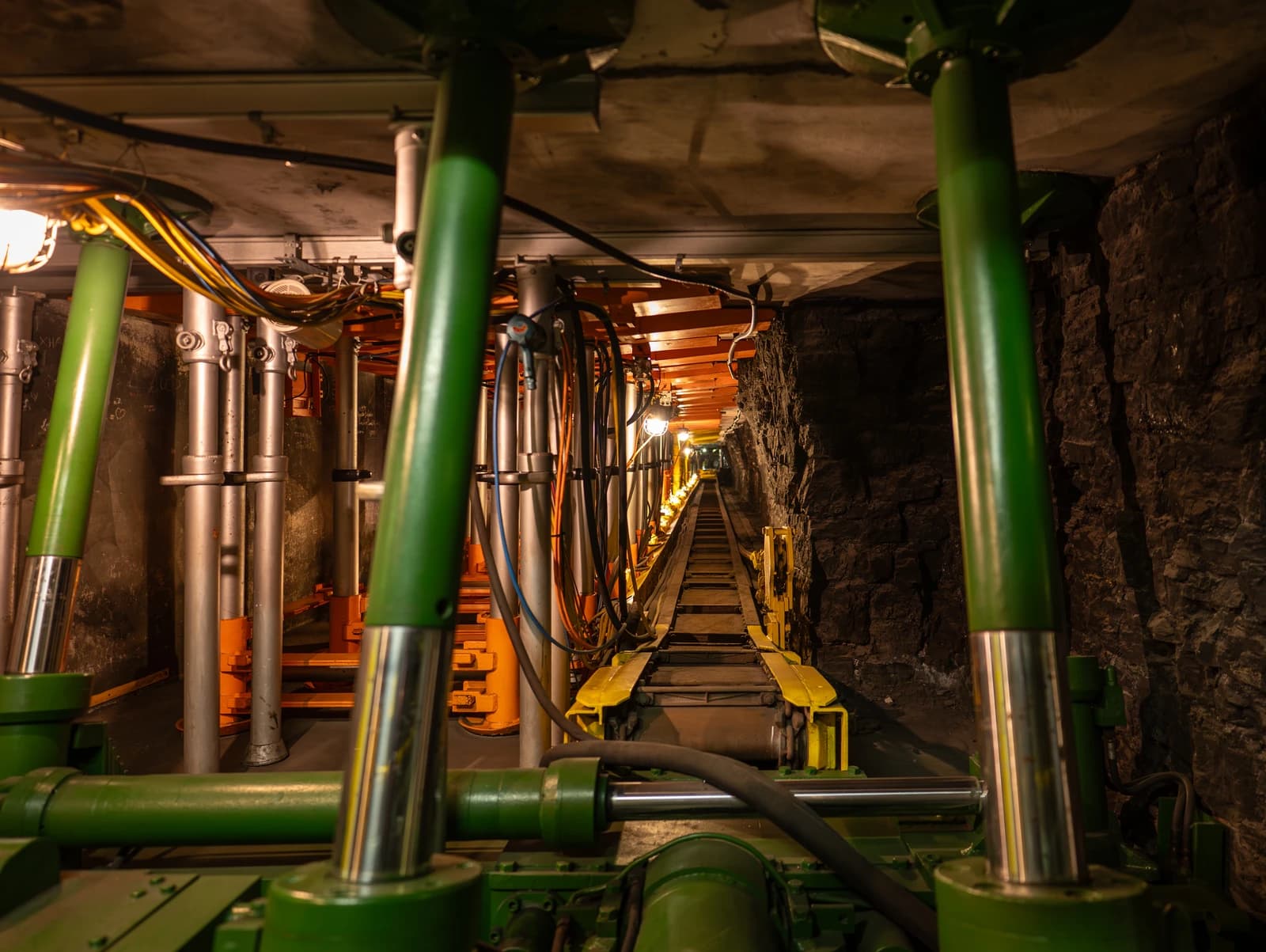
The quota increase, granted to three Bayan subsidiaries — PT Tiwa Abadi, PT Tanur Jaya and PT Fajar Sakti Prima — matters because production approvals are not just paperwork in Indonesia’s coal sector; they directly determine how much coal can reach export customers and domestic utilities. Bayan said last week it could not meet supply obligations without the ministry’s sign-off, underscoring how regulatory delays can translate almost overnight into revenue risk, delivery shortfalls and contract uncertainty.
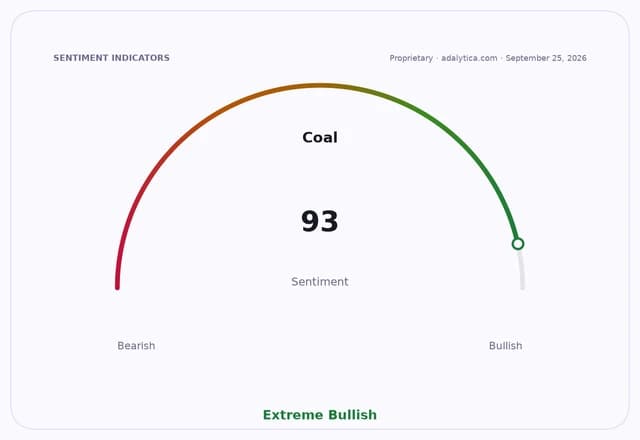
Sentiment IndicatorsⓘProprietary · adalytica.com · September 25, 2026
This is a snapshot — live sentiment, awareness and momentum for 130+ markets update continuously in the dashboard.Open AlphaPulse
For investors, the biggest implication is that Bayan’s earnings base may be less impaired than the force majeure notice suggested. Restored output should help stabilize cash generation, support export shipments and reduce the risk of penalties or customer churn. The move also reinforces the investment case for Indonesian coal names more broadly: in a market still driven by Asian electricity demand, supply discipline is often as important as demand growth.
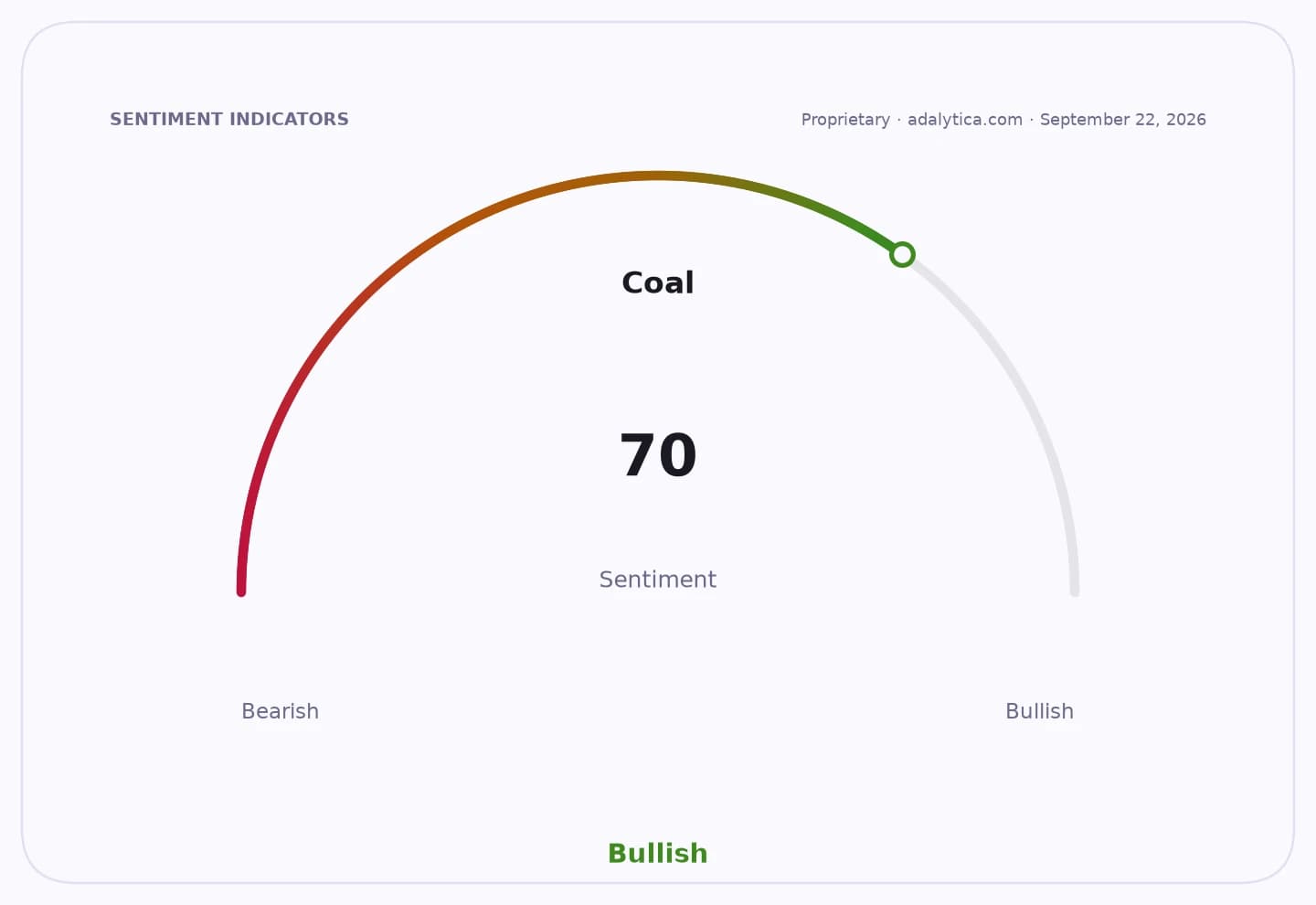
The timing is notable. Coal sentiment remains elevated by the energy-security trade, with thermal coal still benefiting from tight inventories in parts of Asia and India’s recurring fuel-stock stress. In that environment, any Indonesian miner that can convert quota approvals into actual tonnage gains pricing power and bargaining leverage. That is why the market has to separate short-term headline risk from long-term operating capacity: the real value in coal equities lies in who can reliably mine, ship and sell when policy opens the gate.
Bayan’s shares had also been in focus after its controlling shareholders agreed to sell 10 billion shares to PT Jhonlin Baratama, owned by tycoon Haji Isam. The energy ministry said the quota decision had nothing to do with that transaction, but investors will still read the two developments together as a sign that the company remains in the middle of a larger ownership and operating reset.
The key takeaway is simple: Bayan is no longer boxed in by a production ceiling, and that is bullish for output, earnings and sentiment. For investors seeking exposure to the coal supply chain, the better trade remains the producers with approved quotas, export optionality and the ability to turn regulatory relief into cash flow.
| Entity | Gains | Losses |
|---|---|---|
| Bayan Resources | ▲Higher output, restored sales | ▼Force majeure pressure eases |
| Indonesian regulators | ▲Energy security flexibility | ▼Less control over supply tightness |
| Coal buyers | ▲More reliable supply | ▼Less leverage on constrained volumes |
| Rival miners without quotas | ▲Higher benchmark visibility | ▼Relative competitiveness falls |