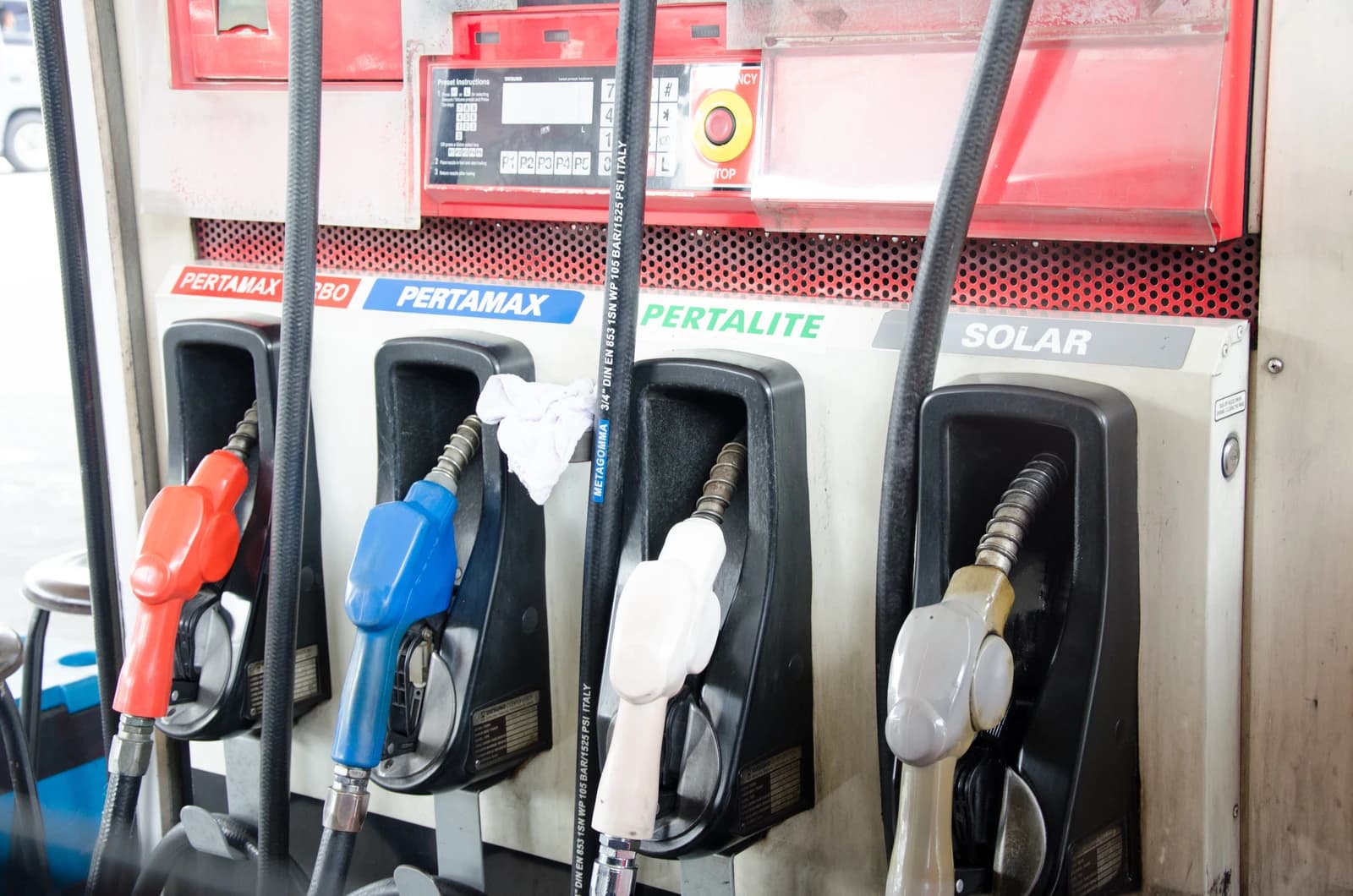
Goldman Sachs says the global fuel market is still too tight to absorb a meaningful recovery in demand, warning that diesel, gasoline and jet fuel prices may stay elevated well into 2027 as refinery closures outpace new capacity.
Goldman Sees Tight Fuel Market Through 2027
That matters because the market is no longer dealing with a short-lived post-pandemic dislocation. Goldman analyst Nikhil Bhandari argued that refiners must keep margins high enough to restrain consumption and slow restocking, otherwise demand will outstrip the industry’s ability to supply product. In practical terms, expensive fuel is becoming the mechanism that balances a structurally undersupplied system.
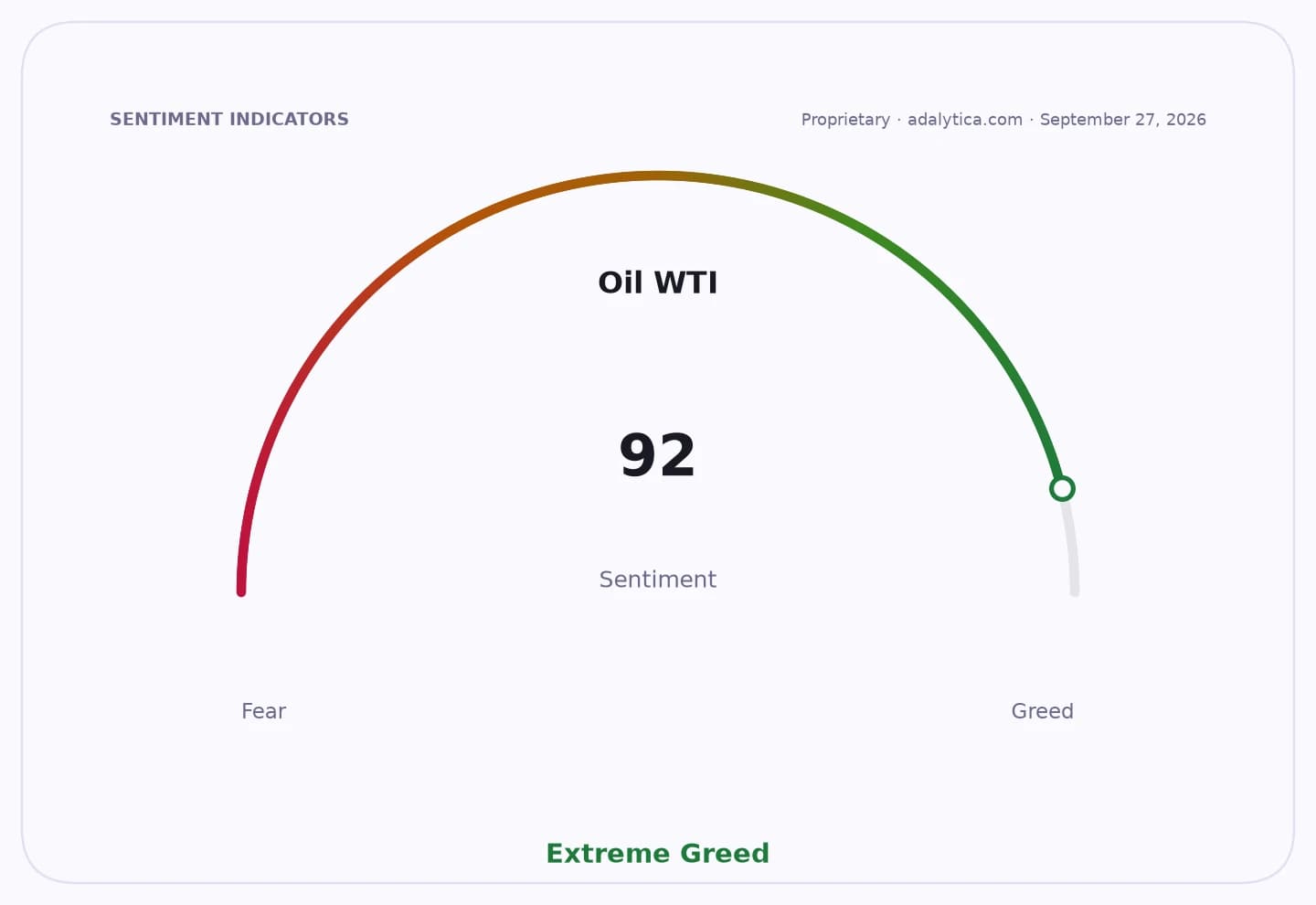
Sentiment IndicatorsⓘProprietary · adalytica.com · September 27, 2026
This is a snapshot — live sentiment, awareness and momentum for 130+ markets update continuously in the dashboard.Open AlphaPulse
The bank’s supply model is stark. Ex-China, 300,000 barrels a day of new refining capacity due in 2026 would be more than offset by 600,000 barrels a day of closures, leaving the world with another year of net capacity losses. If demand rises just 1% above 2025 levels while buyers try to replace only half of this year’s inventory drawdown, refinery utilization would need to hit levels Goldman says are not operationally realistic.
Bhandari said one way to keep utilization near this decade’s highs would be for demand to stay 1% below 2025 levels and for inventories to avoid rebuilding in 2027. That is an uncomfortable message for consumers and policymakers: the system may need high prices, not just efficient logistics, to prevent a deeper shortage.
The risk is compounded by geopolitics and outages already disrupting the market. Goldman said global refined-product inventories could fall to 2015-like days-of-use levels by the fourth quarter of 2026, with OECD stocks including strategic reserves slipping below their historical minimum days-of-use by the second quarter of 2027. Last week, the firm’s commodity team also warned that a diesel crisis is beginning to spill over into gasoline.
For investors, the implication is a clear split between winners and losers. Refiners with reliable crude access stand to generate unusually strong margins and cash flow, while consumers, airlines, trucking firms and fuel retailers face another extended period of cost pressure. Goldman pointed to Valero, Marathon Petroleum, S-Oil, Thai Oil, Repsol, Neste and Helleniq Energy as potential beneficiaries.
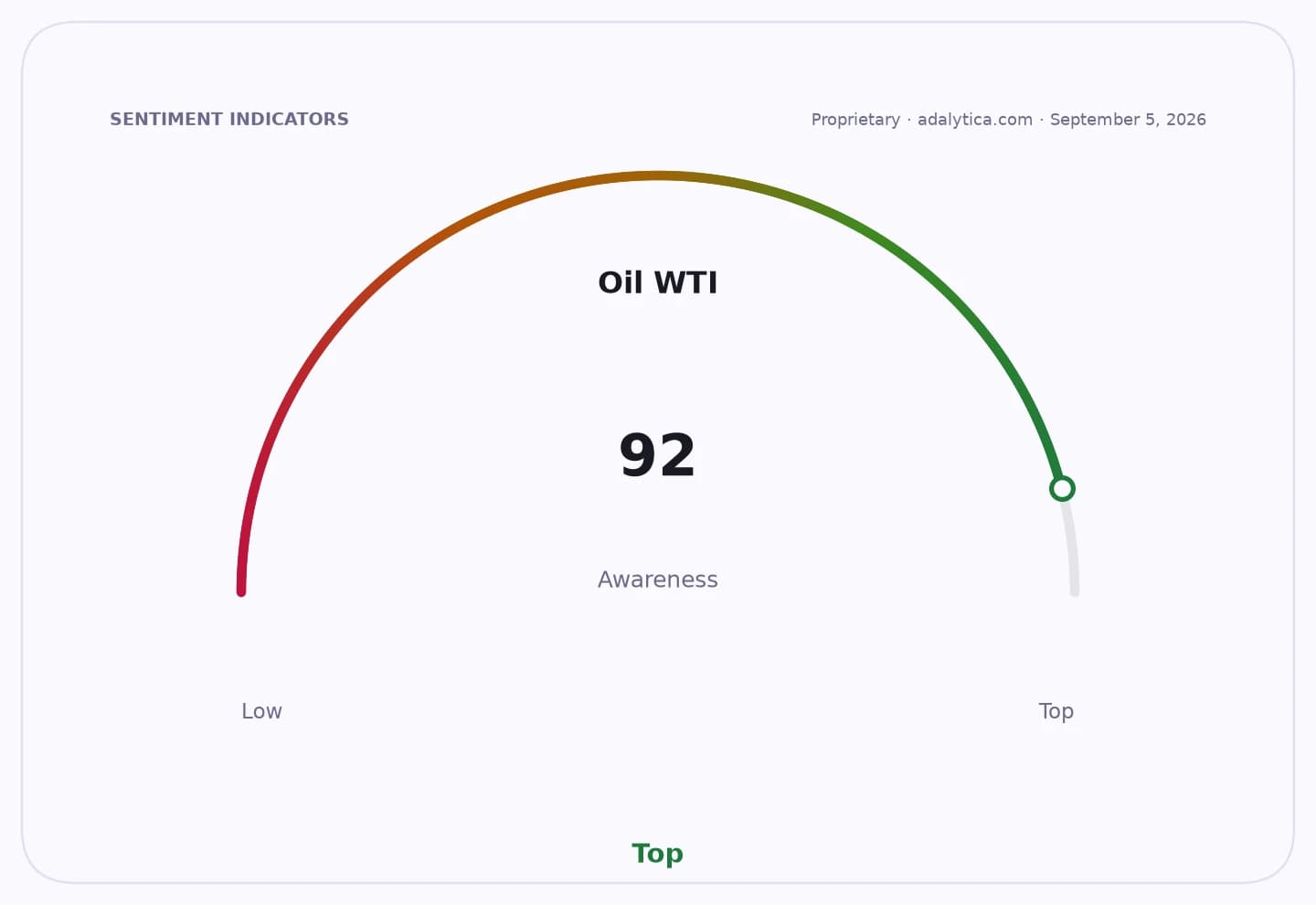
The broader market backdrop reinforces that view. Crude prices remain firm, US fuel-linked ETFs have been volatile, and technical indicators on energy funds point to elevated trading momentum rather than a cooling trend. Adalytica’s oil trade signals show extreme greed in the current tape, while the inflation backdrop remains sticky, limiting the room for fuel-cost relief to filter through to households.
If Goldman is right, the story is not just about expensive fuel — it is about a refining system that may need to stay tight to function at all. That would extend the squeeze on transport costs, complicate the inflation outlook and keep downstream energy equities in focus even if broader oil demand softens.
| Entity | Gains | Losses |
|---|---|---|
| Global refiners | ▲Wider margins | ▼Capacity shortages |
| Valero, Marathon Petroleum, S-Oil, Thai Oil, Repsol, Neste, Helleniq Energy | ▲Strong cash generation | ▼None if crude access holds |
| Consumers, airlines, trucking firms | ▲— | ▼Higher diesel and gasoline costs |
| Policymakers, importers | ▲— | ▼Inflation pressure, supply risk |