Gazprom’s forecast that global LNG demand will keep growing through 2035 lands at a moment when geopolitics, not economics alone, is determining who gets the fuel that powers factories, utilities and data centers.
LNG Demand Outlook and Infrastructure Winners
That matters because LNG has moved from a transition fuel story to an energy-security story. With roughly a fifth of LNG flows disrupted by Middle East tensions, buyers have been forced to chase cargoes from West Africa to Indonesia, while prices in Europe and Asia have spiked. Even after a weather-related rebound in Thailand’s LNG supply, the market remains fragile and highly responsive to every outage, shipping delay and regional shock.
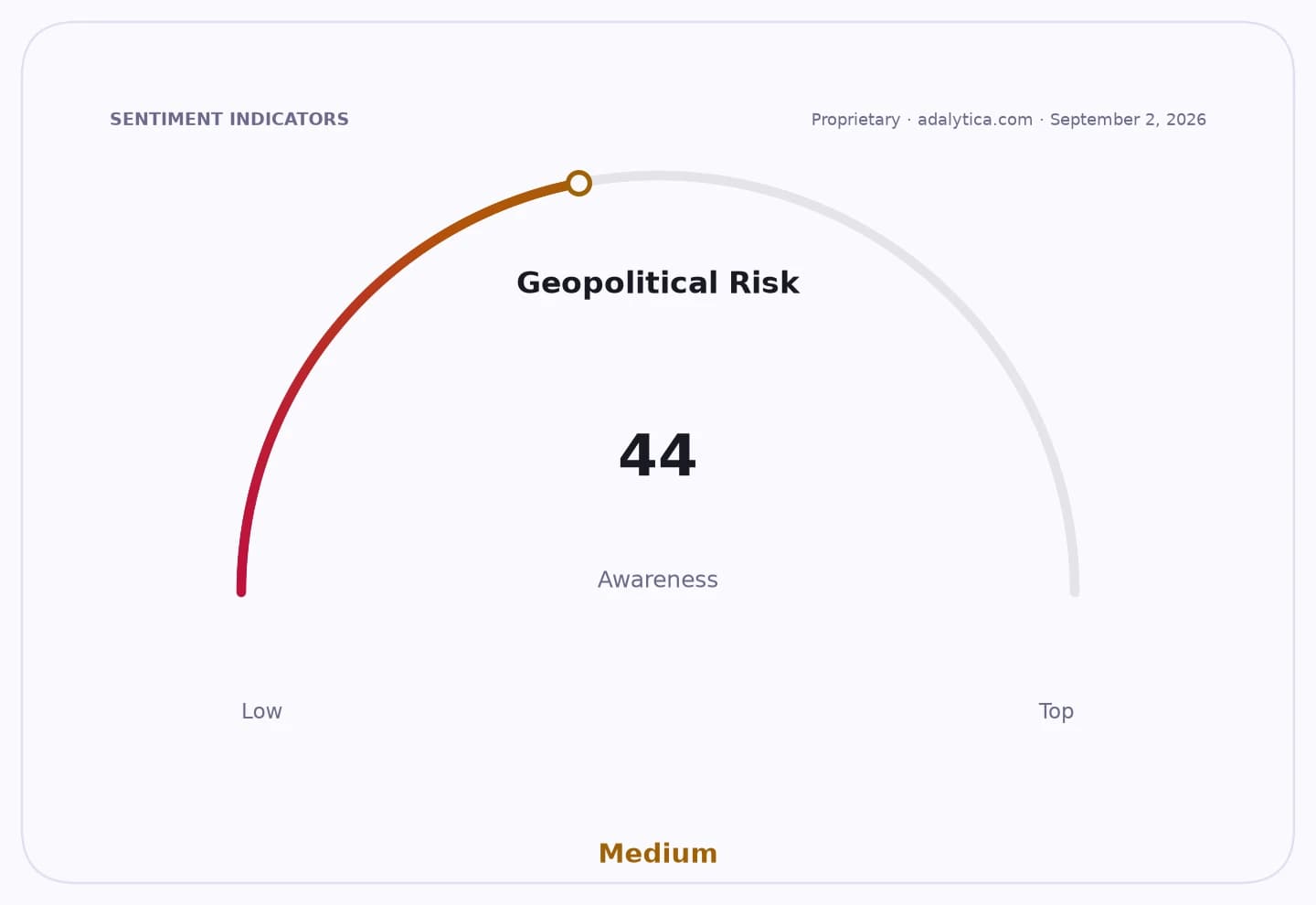
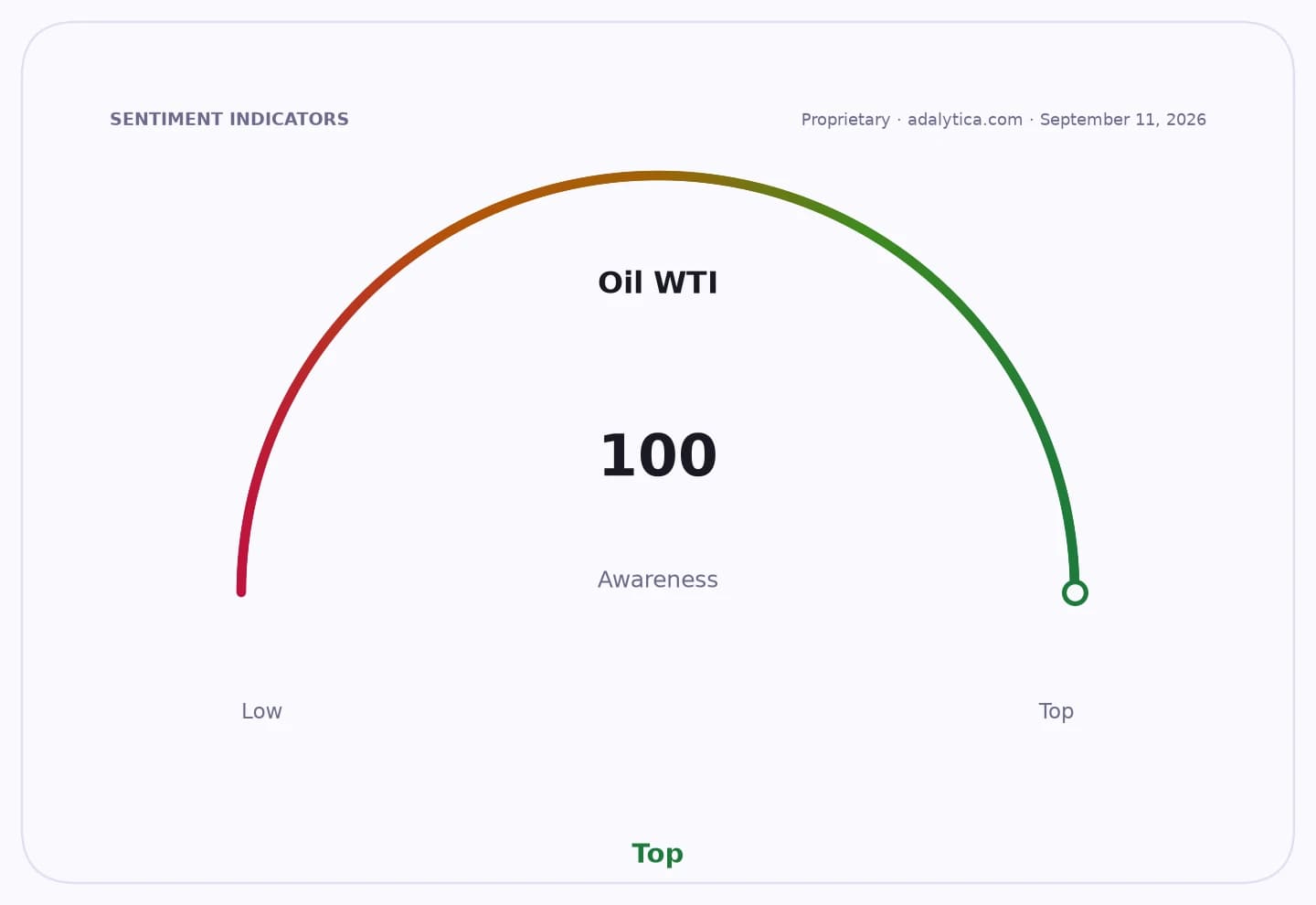
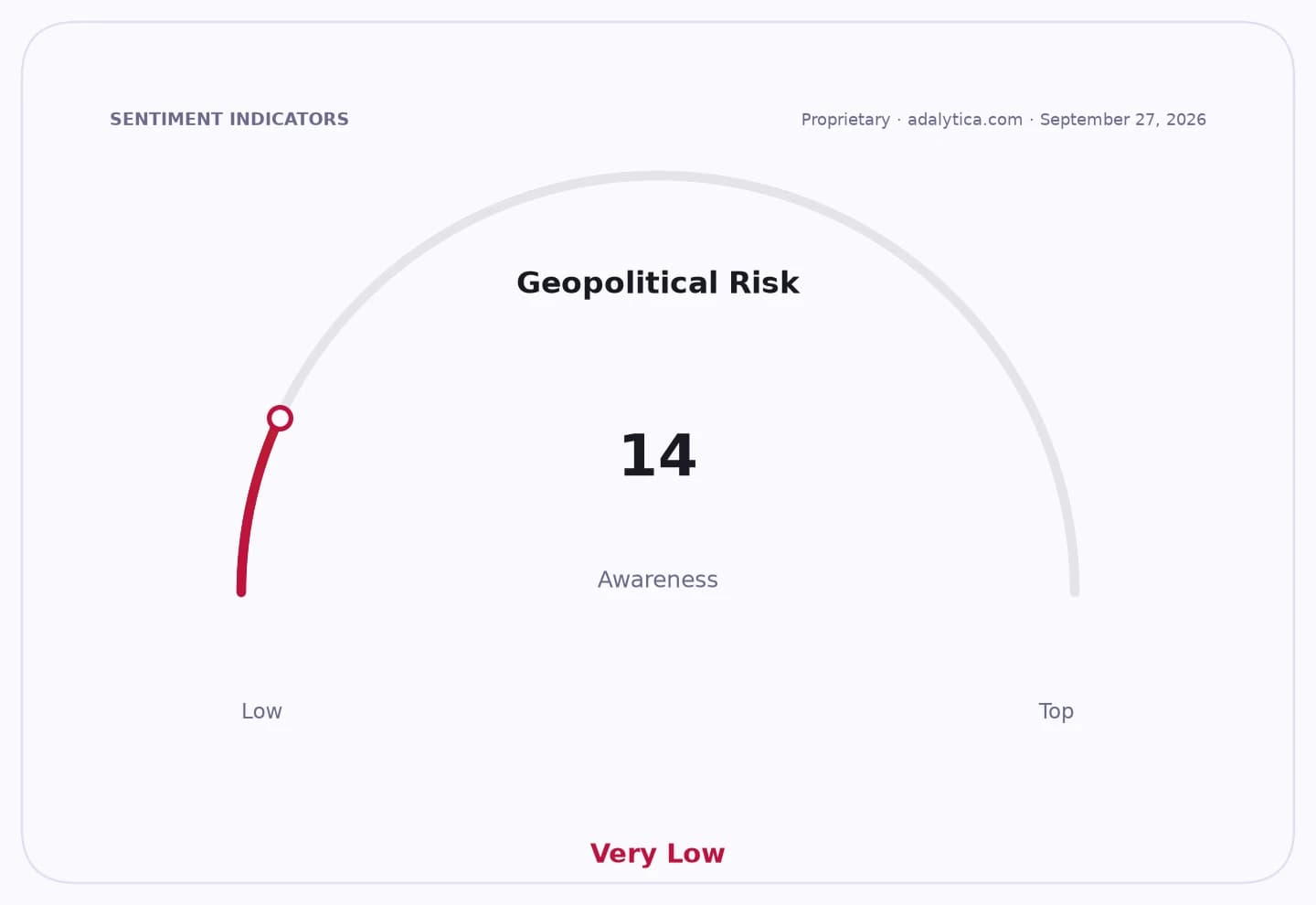
Sentiment IndicatorsⓘProprietary · adalytica.com · September 27, 2026
This is a snapshot — live sentiment, awareness and momentum for 130+ markets update continuously in the dashboard.Open AlphaPulse
For investors, that makes the LNG value chain one of the clearest ways to play the next decade of energy demand. The market is still underestimating the scale of the infrastructure buildout required to move gas across oceans, store it, regasify it and lock in long-term supply. That means liquefaction, shipping, import terminals and upstream gas exporters all stand to benefit, while countries and utilities without secured contracts remain exposed to price volatility.
The broader setup is bullish for the companies that own the bottlenecks. ExxonMobil, Shell and Orlen have already leaned into LNG infrastructure and new supply agreements as buyers seek redundancy after repeated geopolitical shocks. That’s the right response: in an energy system where one disruption can cut flows and triple prices, optionality is valuable. The winners are the firms with export capacity, shipping leverage and financing access; the losers are spot buyers and import-dependent economies forced to pay up when the market tightens.
The price action reflects that tension. Natural gas trade signals tracked by Adalytica.com show extreme fear in the market even as awareness remains elevated, a combination that often marks a sector where sentiment has yet to catch up with structural demand. LNG-related equities have also stayed well above their 200-day moving averages in recent months, a sign that investors are still paying for long-duration cash flows tied to global gas demand.
My takeaway is straightforward: the market is pricing LNG as a cyclical commodity trade, but the setup looks more like a long-cycle infrastructure and security theme. If Gazprom is right about demand growth into 2035, the best positioned investments are not just gas producers, but the toll roads of the LNG system — exporters, terminal operators, shipping names and the contractors building the next wave of capacity. For investors, the opportunity is to own the picks-and-shovels before the consensus fully catches up.
| Entity | Gains | Losses |
|---|---|---|
| LNG exporters | ▲higher long-term volumes | ▼supply bottlenecks risk |
| Terminal and shipping owners | ▲infrastructure premiums | ▼spot-price volatility |
| Europe and Asia importers | ▲diversified supply access | ▼higher procurement costs |
| Spot buyers | ▲flexibility in short runs | ▼exposure to price spikes |