Cameron Parish, Louisiana, has turned from hurricane-ravaged backwater into a frontline beneficiary of Europe’s scramble for secure gas, and that shift is reshaping global energy flows, local wealth and the investment case for U.S. LNG.
Cameron Parish Louisiana Gains From U.S. LNG Exports
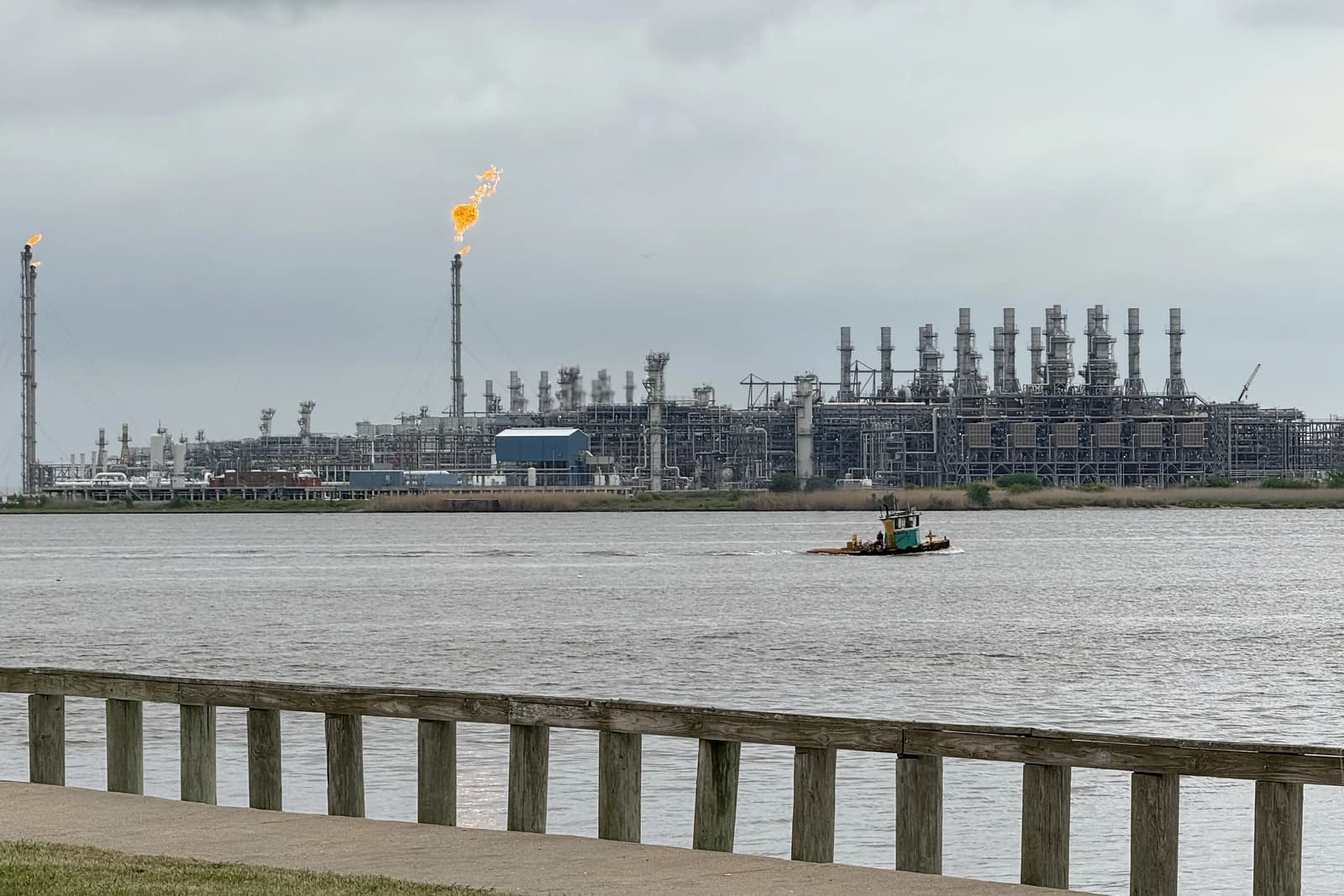
What matters economically is not just that a small Louisiana community is exporting liquefied natural gas — it is that the U.S. has become Europe’s anchor supplier at a time when geopolitics has made pipeline dependence a liability and LNG the premium route to energy security. Since Russia’s invasion of Ukraine in 2022, Europe has rebuilt its gas import mix around American cargoes, with the U.S. now supplying about two-thirds of Europe’s gas imports versus roughly 25% before the war. Analysts say that share could rise to as much as 80% of the EU’s LNG imports by 2030.
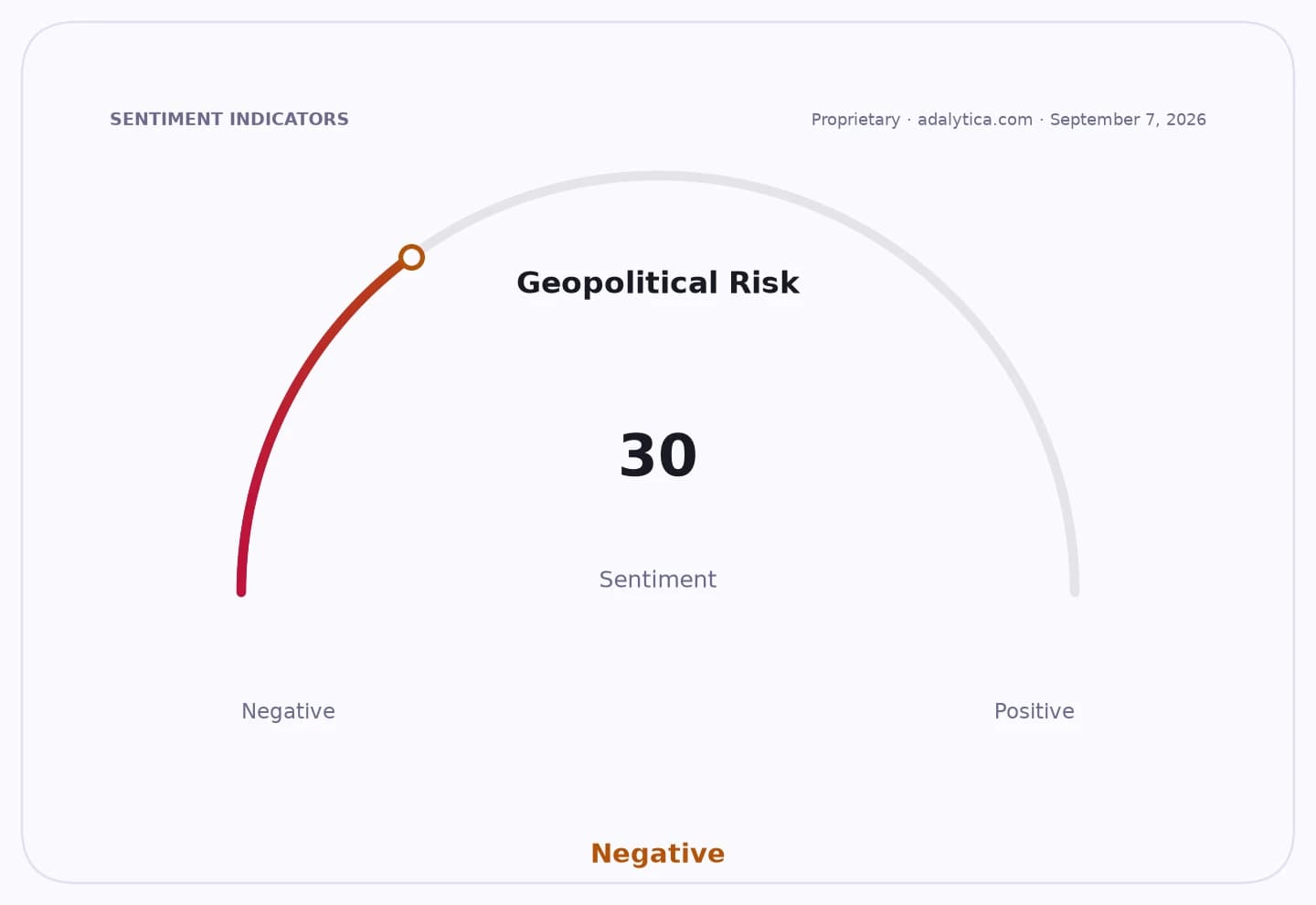
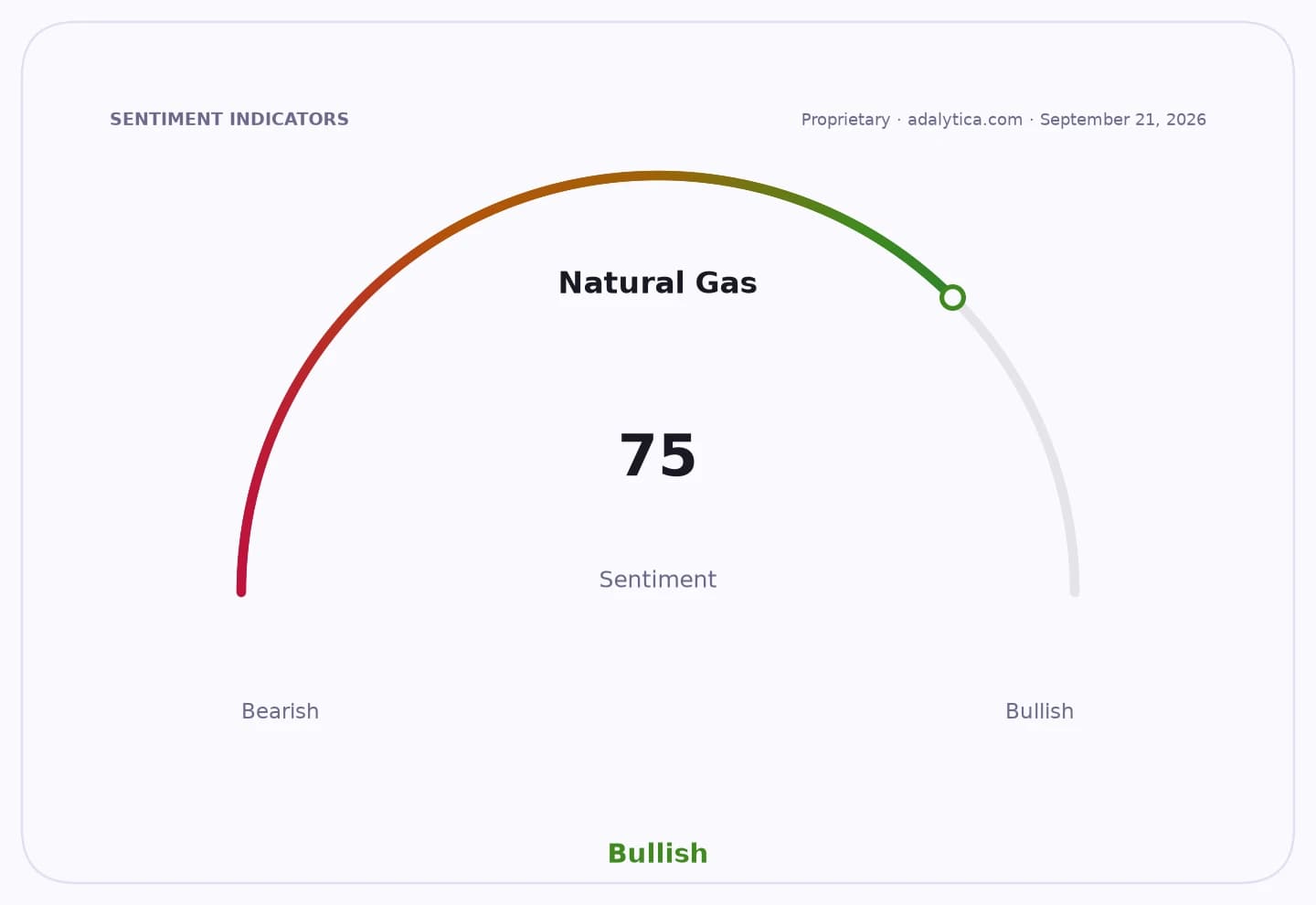
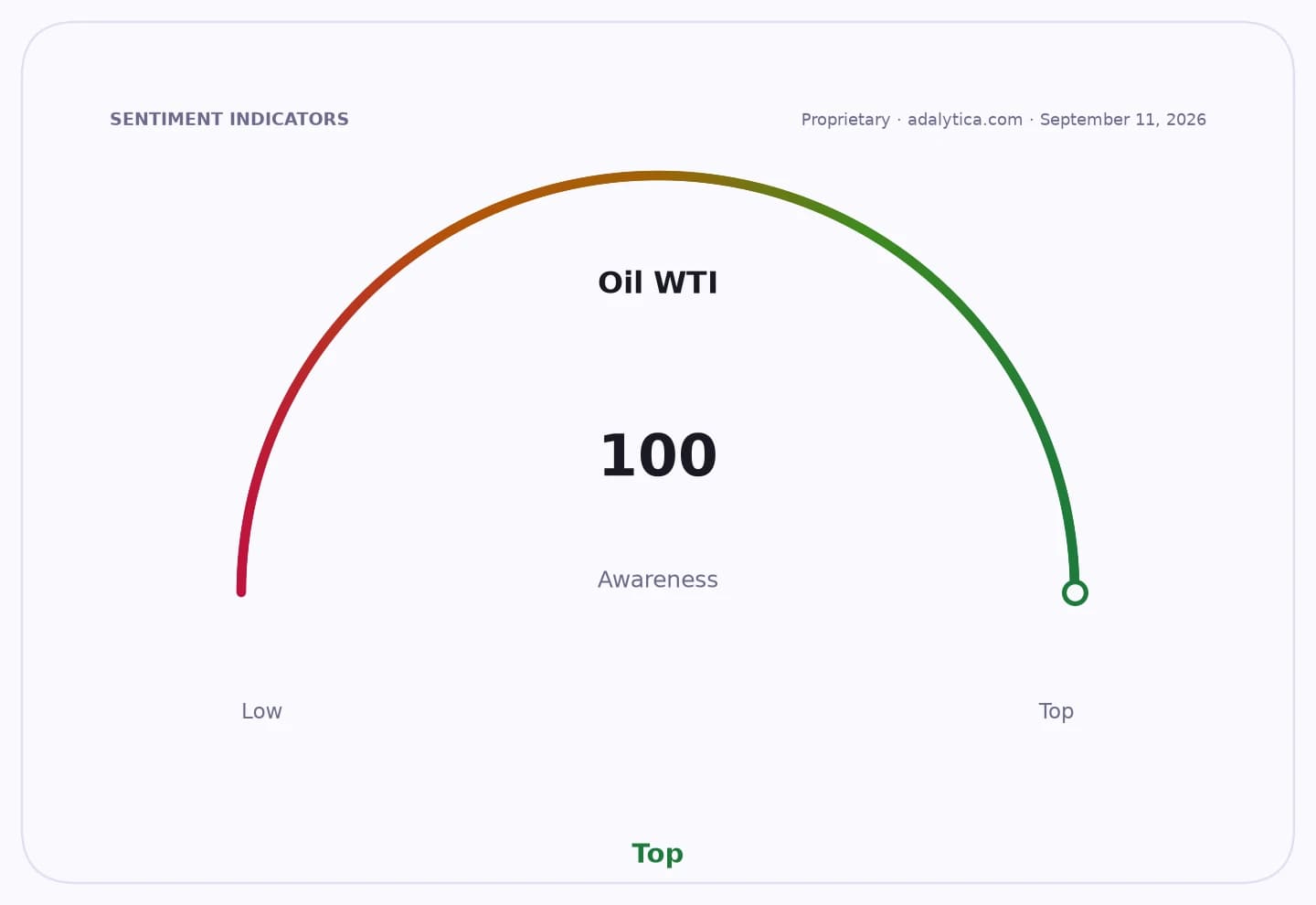
Sentiment IndicatorsⓘProprietary · adalytica.com · September 18, 2026
This is a snapshot — live sentiment, awareness and momentum for 130+ markets update continuously in the dashboard.Open AlphaPulse
That is a structural transfer of economic power. Cameron Parish alone handles about two-thirds of U.S. LNG exports, while Louisiana manages roughly 60% of the nation’s total LNG outbound capacity. The centerpiece is Cheniere’s Sabine Pass, the world’s largest LNG export terminal, which began shipments in 2016 and can move 29.5 million tons a year. A fourth plant, Commonwealth LNG, is now under construction with a $13 billion price tag and a planned 9.5 million-ton annual capacity by 2030, enough gas to heat about six million homes.
For investors, this is the kind of secular infrastructure buildout that can compound for years. LNG is no longer a niche trade; it is a strategic toll road on the new energy map. The market underestimates how durable that demand can be when Europe is paying up to de-risk supply, the Middle East remains unstable and shipping lanes like the Strait of Hormuz keep reminding buyers that optionality has value. Cheniere’s own shares, which have been volatile but remain above their 200-day moving average, reflect a sector that is still being repriced around long-duration cash flows rather than commodity headlines alone.
The macro backdrop supports the thesis. U.S. benchmark gas prices have been firm, the 10-year Treasury yield is hovering around 5%, and capital is still being directed toward assets with visible contracted revenues and geopolitical relevance. The latest wave of long-term LNG deals, including new supply agreements in Europe and Asia, shows buyers are locking in volumes well before the next supply crunch hits. That is bullish not only for exporters, but also for pipe, terminal, tanker and equipment makers tied to the buildout.
The local story is just as important. Cameron Parish’s median household income has climbed to about $75,000 from roughly $59,500 in 2010, a 25% increase, and the project pipeline could generate more than $4 billion in tax revenue over the next decade. That tells you LNG is not just an export business — it is a regional development engine that converts stranded geology into fiscal capacity.
The risks are real: dredging, environmental pushback and the politics of industrial expansion will continue to slow projects and add costs. But the strategic direction is clear. Europe needs secure molecules, the U.S. has them, and the communities sitting on the Gulf Coast are becoming the new gatekeepers of energy security. For investors, the cleanest way to play it remains the LNG export leaders, the midstream infrastructure names and the tanker and services companies feeding this long-cycle boom.
| Entity | Gains | Losses |
|---|---|---|
| Cameron Parish / Louisiana | ▲Tax revenue, jobs, higher incomes | ▼Local environmental burden |
| U.S. LNG exporters | ▲Long-term contracts, Europe demand | ▼Higher buildout and permitting costs |
| European buyers | ▲Supply security, diversification | ▼Higher energy bills |
| Russian pipeline gas | ▲— | ▼Market share, pricing power |