Russian liquefied natural gas is still reaching the European Union, and that matters because Europe’s energy market remains more exposed to Moscow than policymakers want to admit.
Russian LNG Still Reaches the EU
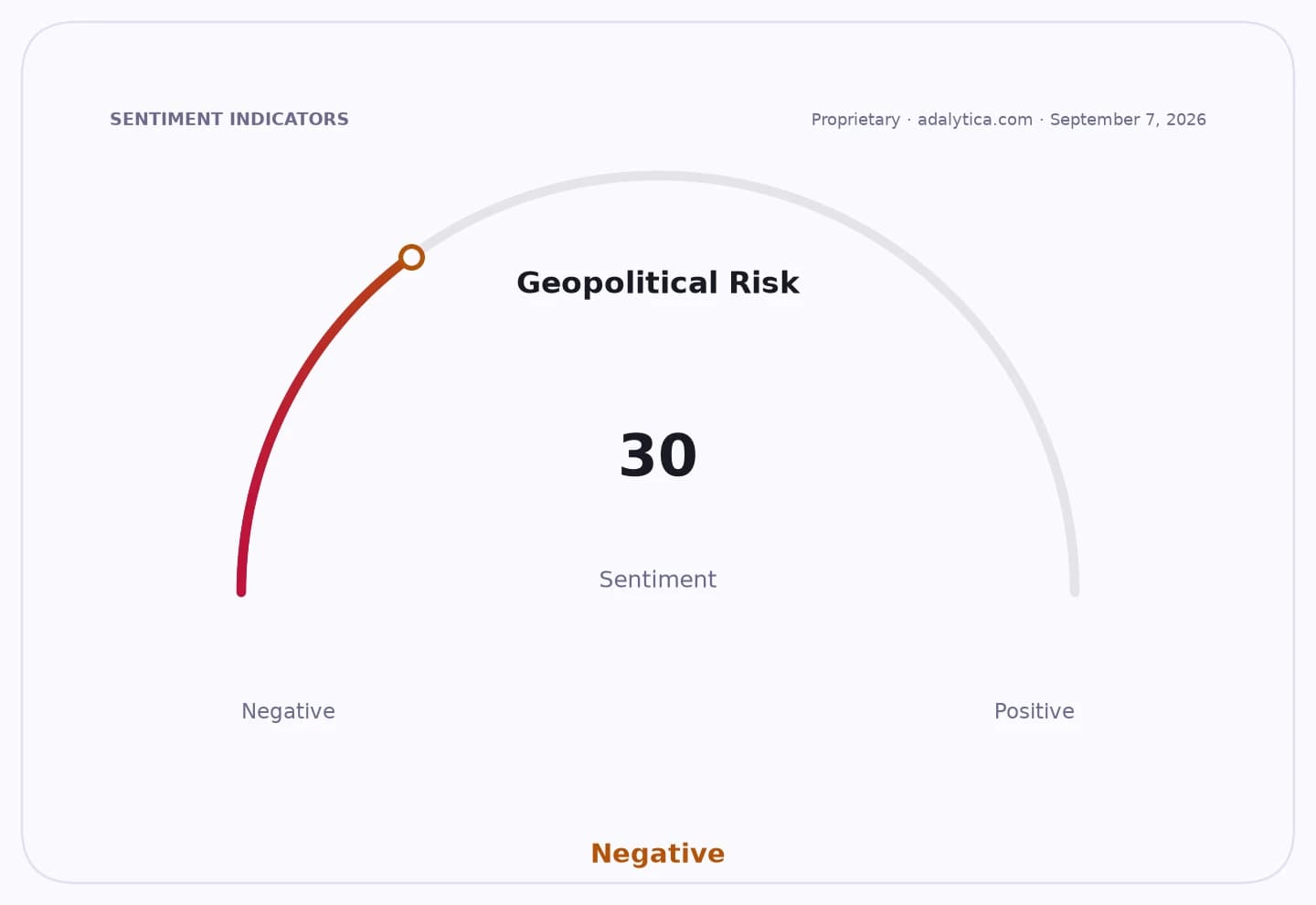
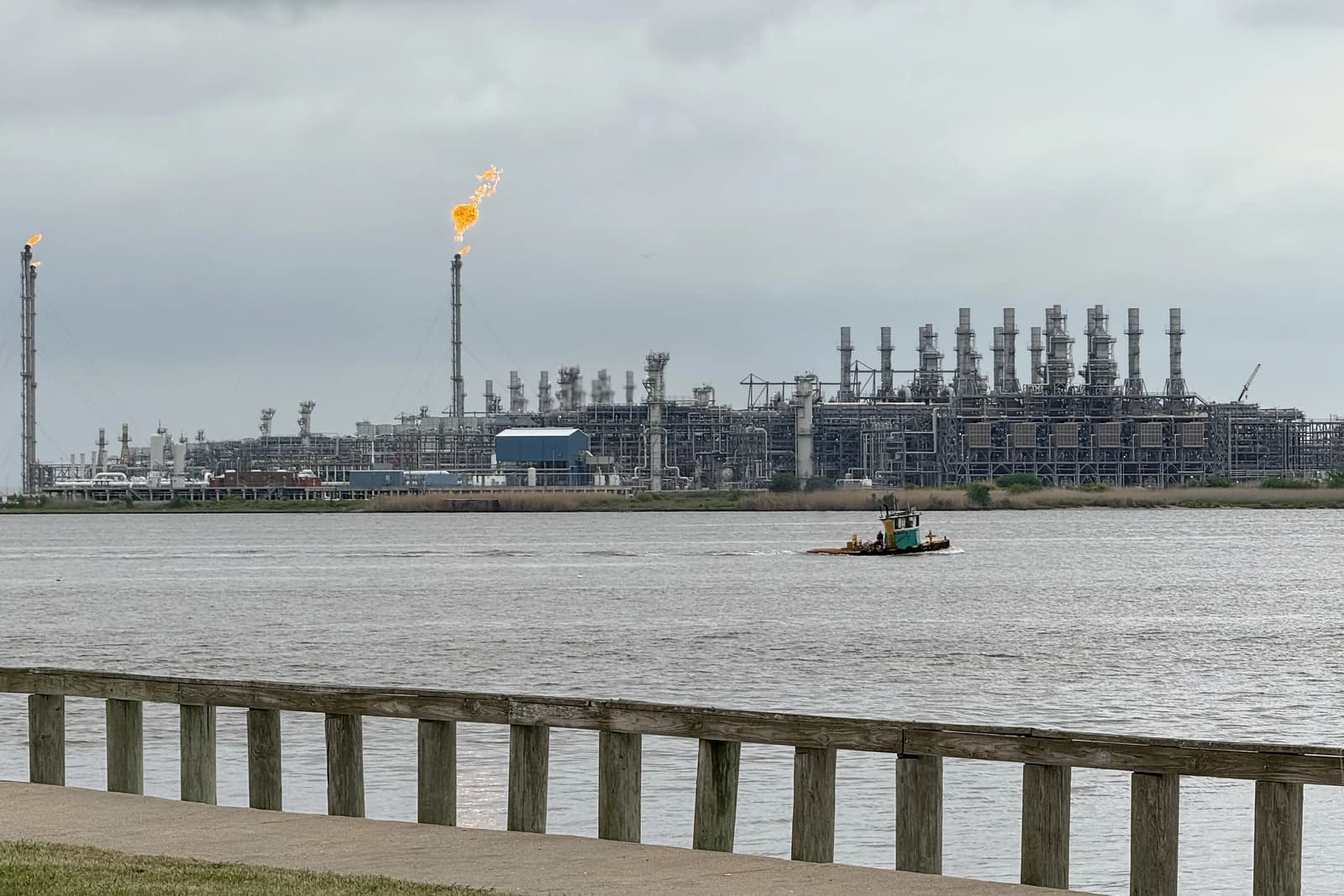
Deputy Foreign Minister Alexander Grushko said Russian LNG continues to be supplied to EU countries, though volumes are far below previous levels. The key point for investors is not the headline supply figure itself, but the persistence of the trade despite years of sanctions pressure and political vows to cut dependence on Russian energy. That lingering flow keeps Europe’s gas market structurally tied to a sanctioned supplier and leaves pricing vulnerable to geopolitical shocks.
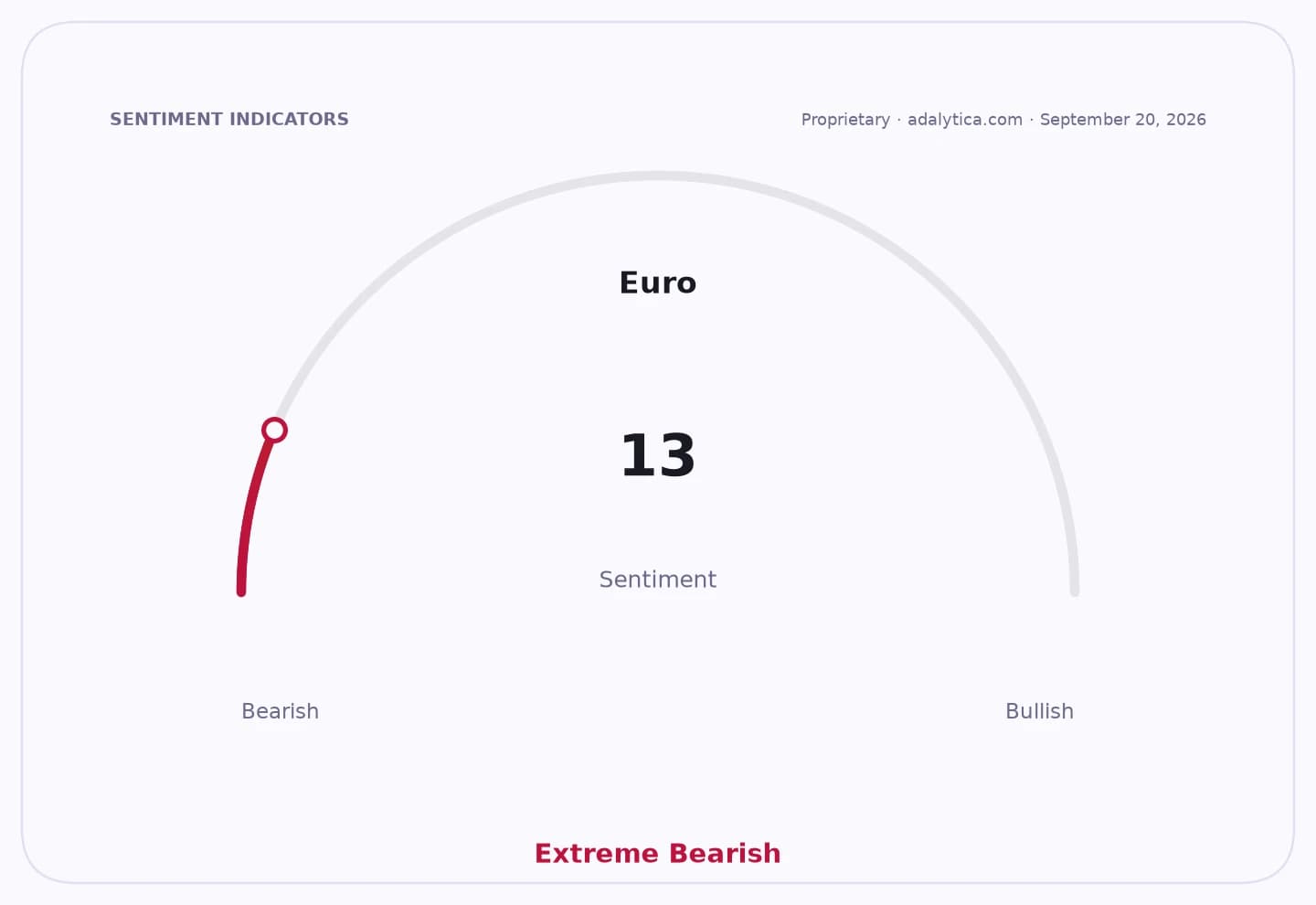
Sentiment IndicatorsⓘProprietary · adalytica.com · September 7, 2026
This is a snapshot — live sentiment, awareness and momentum for 130+ markets update continuously in the dashboard.Open AlphaPulse
The economic significance is straightforward: Europe still needs molecule security more than it needs clean political optics. CREA data cited in the report showed the EU was still Russia’s biggest LNG customer by the end of July, taking 49% of total exports. In June, combined Russian pipeline and LNG deliveries to the bloc were worth 1.35 billion euros, only slightly below May’s 1.5 billion euros. That means Russian gas is still helping shape the European supply stack, even if it no longer dominates the way it did when Moscow accounted for roughly 40% of the EU gas balance.
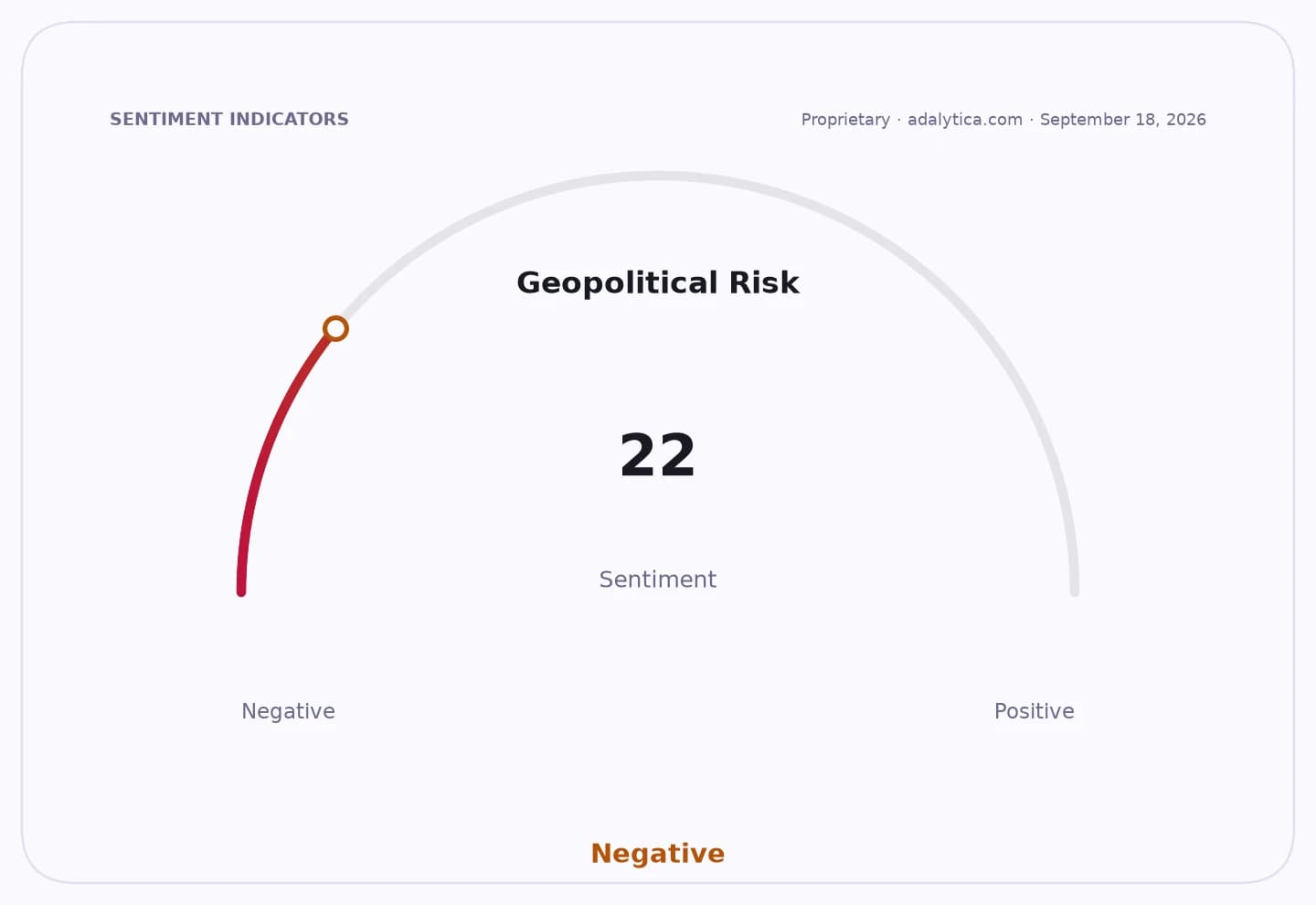
That creates a market reality the consensus often underestimates. Any disruption in LNG flows — whether from the Strait of Hormuz, project delays, shipping constraints or fresh sanctions — can push European gas prices higher fast. The region already sits in a fragile position, with gas markets reacting sharply to supply-risk headlines. Adalytica’s Global Stability Sentiment shows geopolitical fear has deepened even as awareness stays elevated, a sign investors are watching the same fault lines but still may not be fully pricing the next shock.
For investors, the implication is that LNG remains a toll-road trade, not just a commodity trade. Producers with export capacity, long-term contracts and exposure to European demand are better positioned than the market may be giving them credit for. Cheniere, for example, benefits from tight global LNG markets and Europe’s need to diversify away from Russian supply even as Russian cargoes continue to arrive. The broader winners are LNG exporters, shipping, regasification infrastructure and midstream operators. The losers are European industrial users, utilities and policymakers trying to force down energy costs while remaining dependent on external supply.
The message is not that Russian LNG is back in full force. It is that Europe has not escaped the energy arithmetic that keeps Russian molecules in the system and global LNG pricing supported. If geopolitical tensions rise again, the market is likely to rediscover just how thin the margin is between managed dependence and a new price spike. Investors should stay positioned for that asymmetry, with the real upside still in the infrastructure that moves LNG, not in the political promises that try to replace it.
| Entity | Gains | Losses |
|---|---|---|
| LNG exporters | ▲Higher European demand | ▼Supply bottlenecks |
| European utilities | ▲More optionality | ▼Higher fuel costs |
| Russian gas flows | ▲Continued market access | ▼Lower volumes than before |
| LNG infrastructure stocks | ▲Steady utilization | ▼Policy uncertainty |