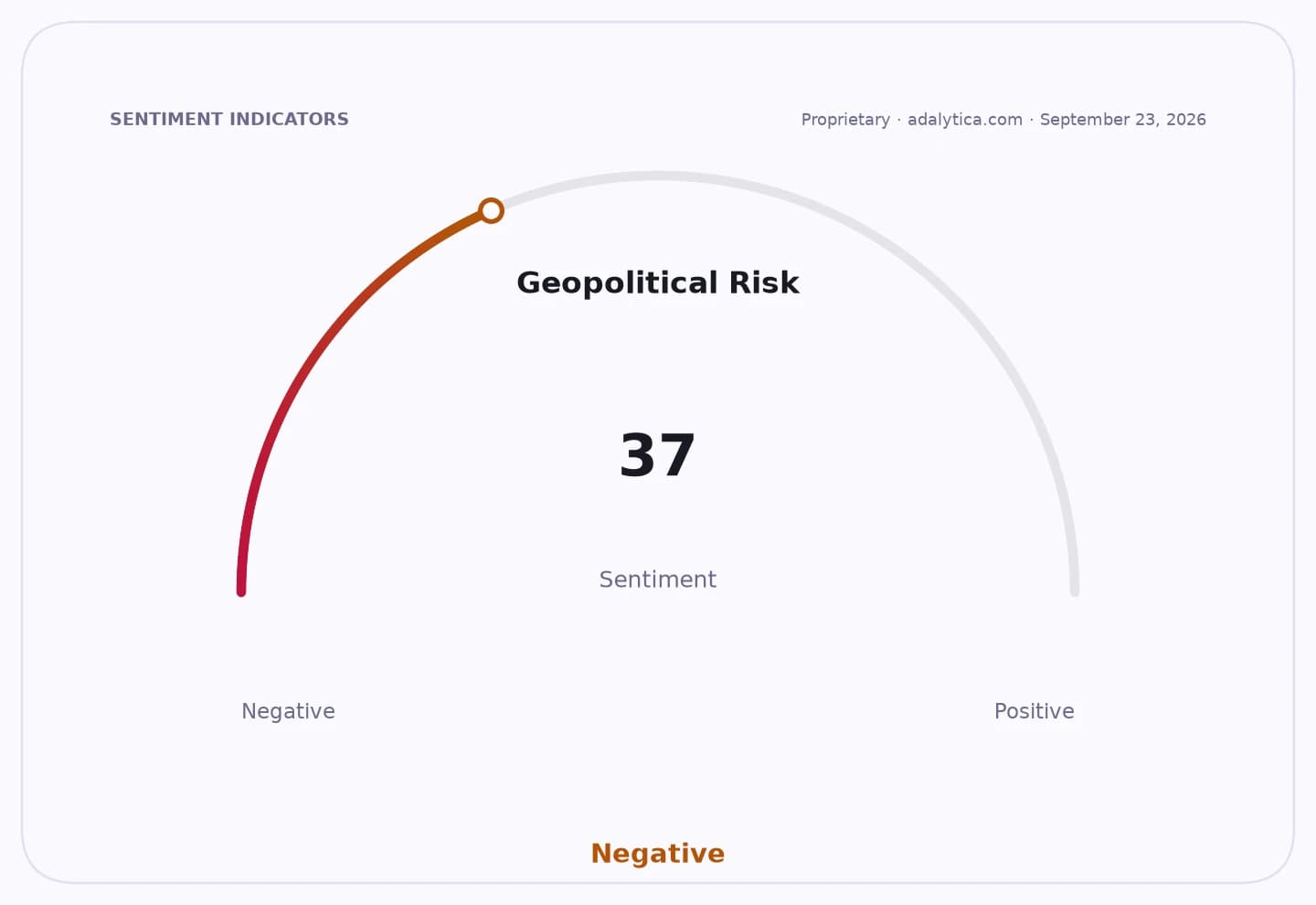
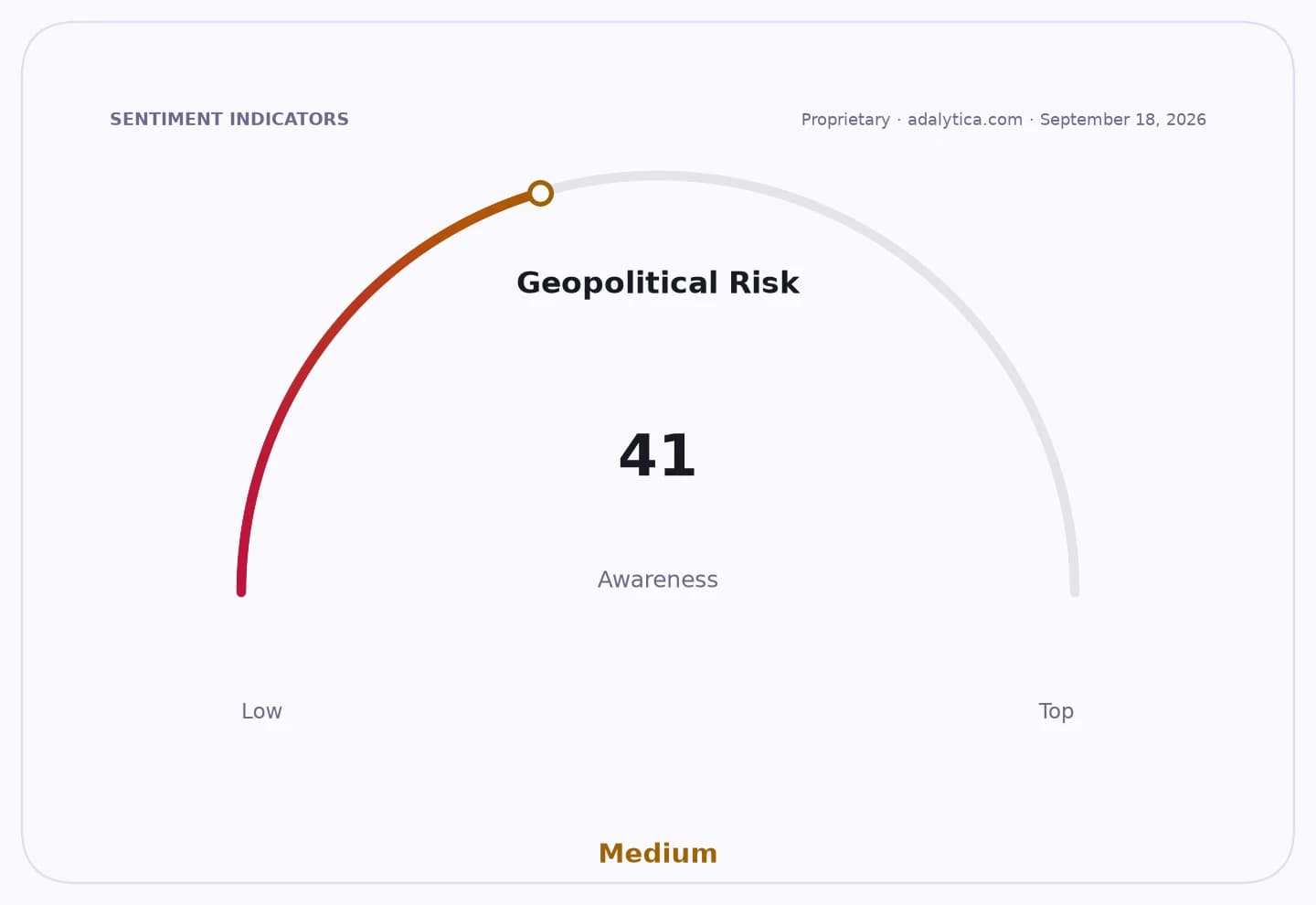
Russia’s president has sharpened the confrontation with Europe just as oil prices climb back above $107 a barrel and investors keep paying up for energy and defense exposure, underscoring how the war in Ukraine is feeding directly into market risk premia.
Oil Above $107 as Russia-Europe Tensions Rise
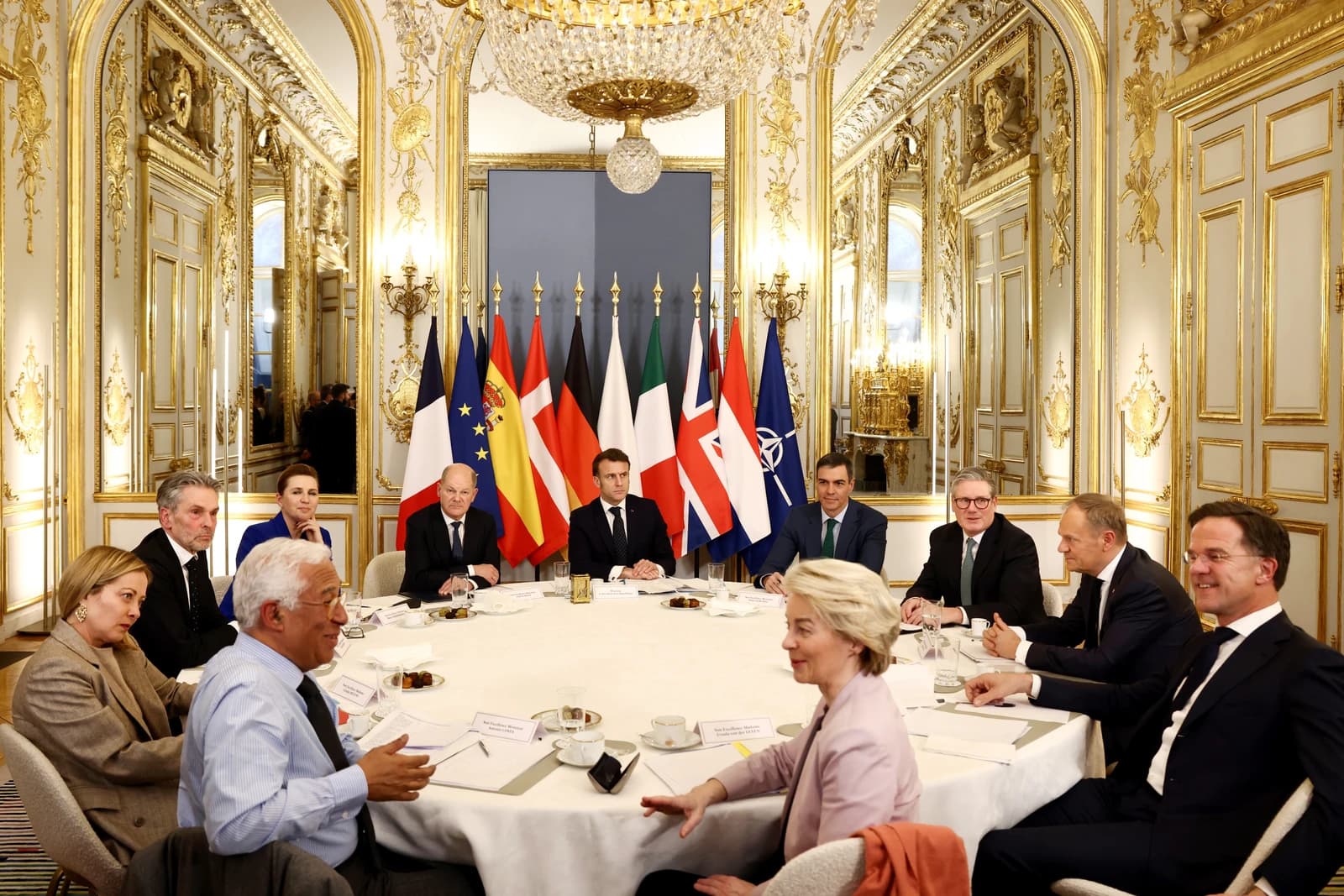
Vladimir Putin’s comment that European leaders are openly preparing for war with Russia adds to an already elevated geopolitical backdrop that is pushing crude, government bond yields and defense equities in the same direction. WTI settled at $107.02 on Sept. 15 and was forecast at $107.82 the next day, a level that keeps energy inflation in play and complicates the outlook for central banks already wrestling with sticky growth and rates.
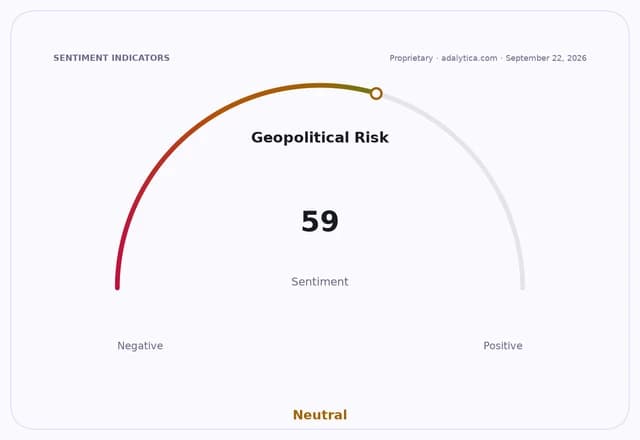
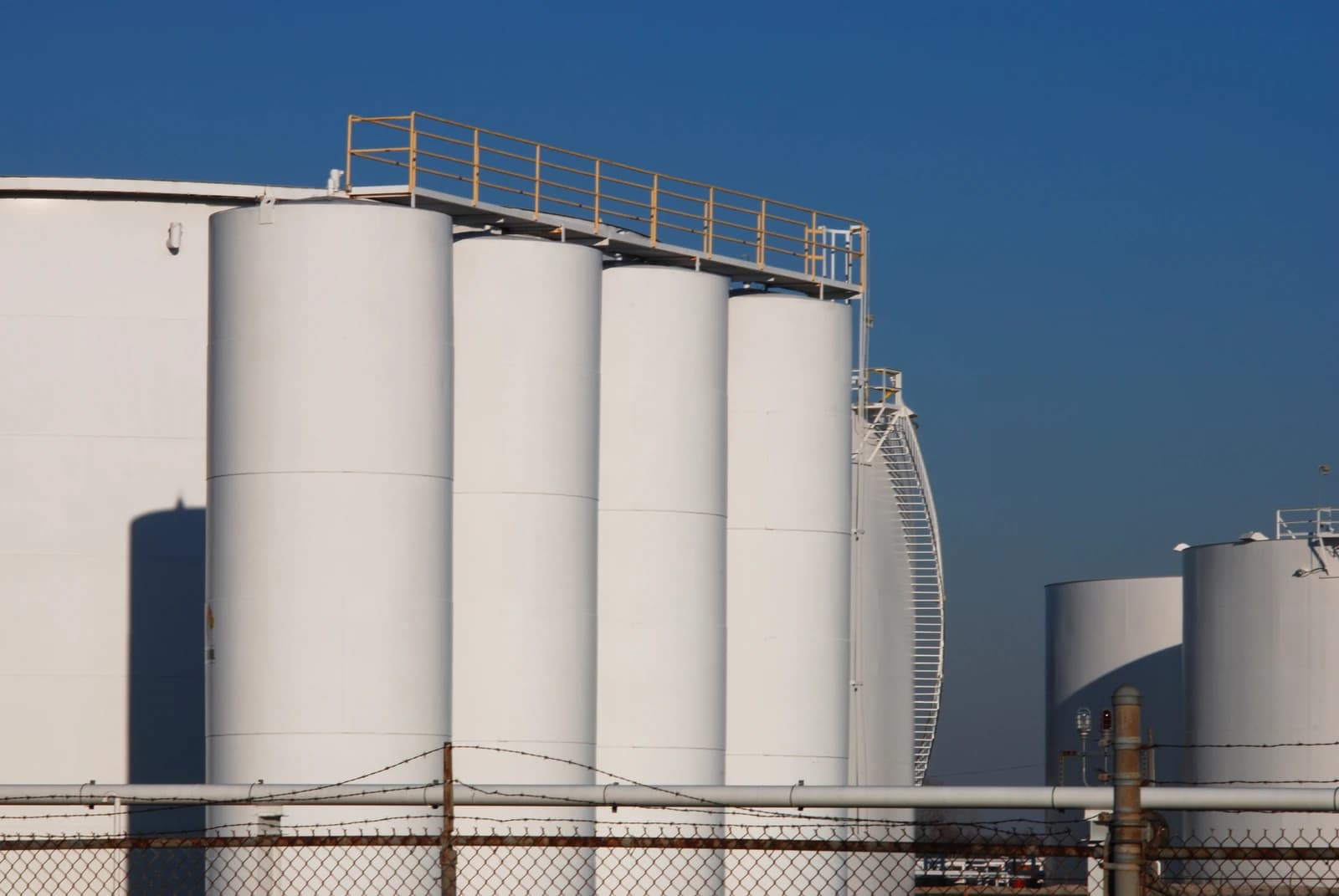
The move in oil matters because geopolitics is once again intersecting with a supply-sensitive commodity market. A sustained price around $107 leaves little cushion for refiners, airlines and consumer-facing businesses, while bolstering cash flow for producers and integrated oil groups. Chevron and ExxonMobil both highlight sanctions, shipping constraints and the Russia-Ukraine war as material operational risks in recent filings, a reminder that the conflict continues to reshape trade flows well beyond the battlefield.
For investors, the market response is telling. The Energy Select Sector SPDR fund, XLE, has rallied to $62.46 from $44.73 in mid-November, though the latest pullback has taken it back below its recent highs and brought the 50-day moving average down to $60.97, with the RSI easing to 44.4. That suggests the trade remains constructive but no longer stretched. Defense remains the other obvious refuge: the iShares U.S. Aerospace & Defense ETF, ITA, is still near $216, even after a sharp retreat from its June peak above $242, and it remains above both its 50-day and 200-day moving averages despite weak momentum readings.
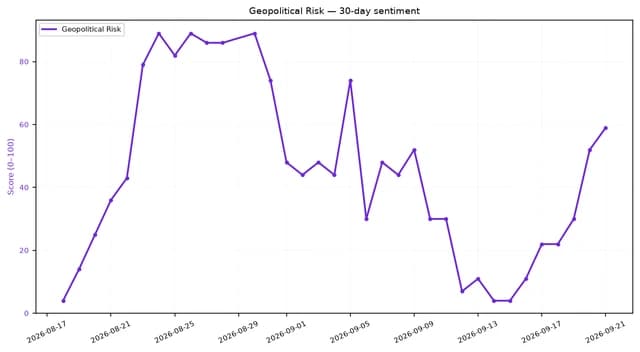
The underlying message is that markets are pricing in not just a longer war, but a broader European security reset. Moscow’s rhetoric, combined with the continuing flow of Western aid to Kyiv and the risk of further Russian mobilization, raises the odds of more sanctions, more military spending and more pressure on Europe’s energy bill. That supports energy producers and defense contractors, but it also keeps pressure on European consumers, importers and companies dependent on stable fuel and financing costs.
The near-term question for investors is whether the latest spike in geopolitical fear becomes a durable macro driver or another temporary shock. If rhetoric turns into fresh sanctions, energy infrastructure attacks or wider mobilization, crude could stay elevated and defense shares could regain leadership. If tensions cool, the trade becomes more vulnerable to profit-taking, especially in sectors already leaning on higher oil prices and wartime spending for support.
| Entity | Gains | Losses |
|---|---|---|
| Oil producers | ▲Higher crude prices | ▼Fuel demand sensitivity |
| Defense contractors | ▲More security spending | ▼Risk of policy delays |
| European consumers | ▲None | ▼Higher energy costs |
| Central banks | ▲None | ▼Sticky inflation pressure |