Germany is forcing its state-backed energy trader SEFE to buy gas this year for the first time as a supply shortfall and Middle East tensions leave Europe’s biggest economy with too little flexibility heading into winter.
Germany Forces SEFE to Buy Gas for Winter
The move marks a clear shift from Berlin’s earlier hands-off stance, when it relied on private traders to fill storage during the summer and avoided purchases that could have pushed up already elevated prices. That model is breaking down. German storage is only about 55% full, a level that would be adequate in a normal winter but could leave the country short by late January if severe cold hits or Norwegian pipeline flows are interrupted, according to local press reports cited in the Polish-language account.
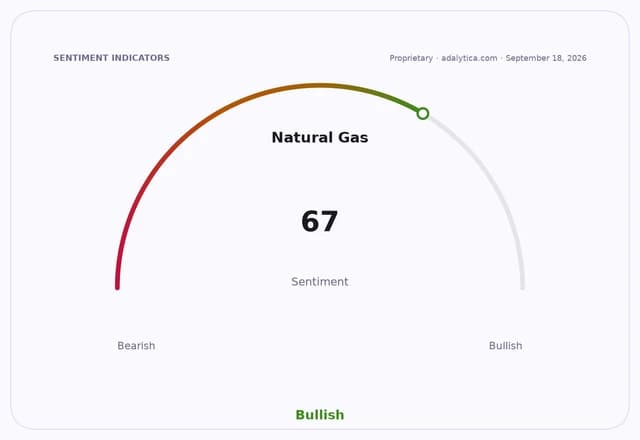
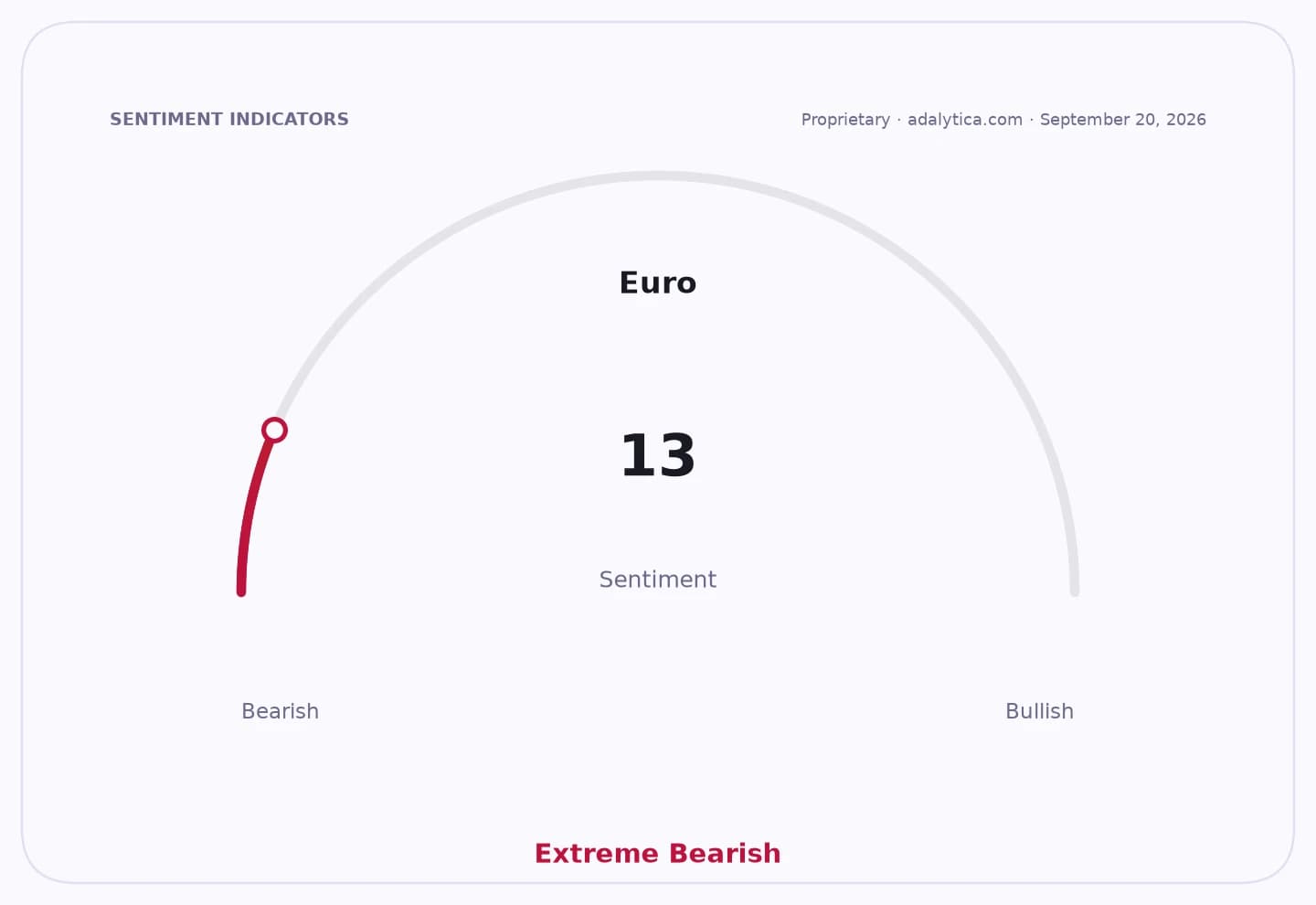
The intervention matters economically because gas is still one of the key marginal inputs for German industry, power generation and household heating. A supply squeeze would feed directly into utility bills, factory costs and inflation expectations across the euro area’s largest economy. Germany has already spent the past two years trying to protect consumers and industry from the aftershocks of Russia’s gas cutoffs; another winter scare would revive the same pressures at a time when growth is already fragile.
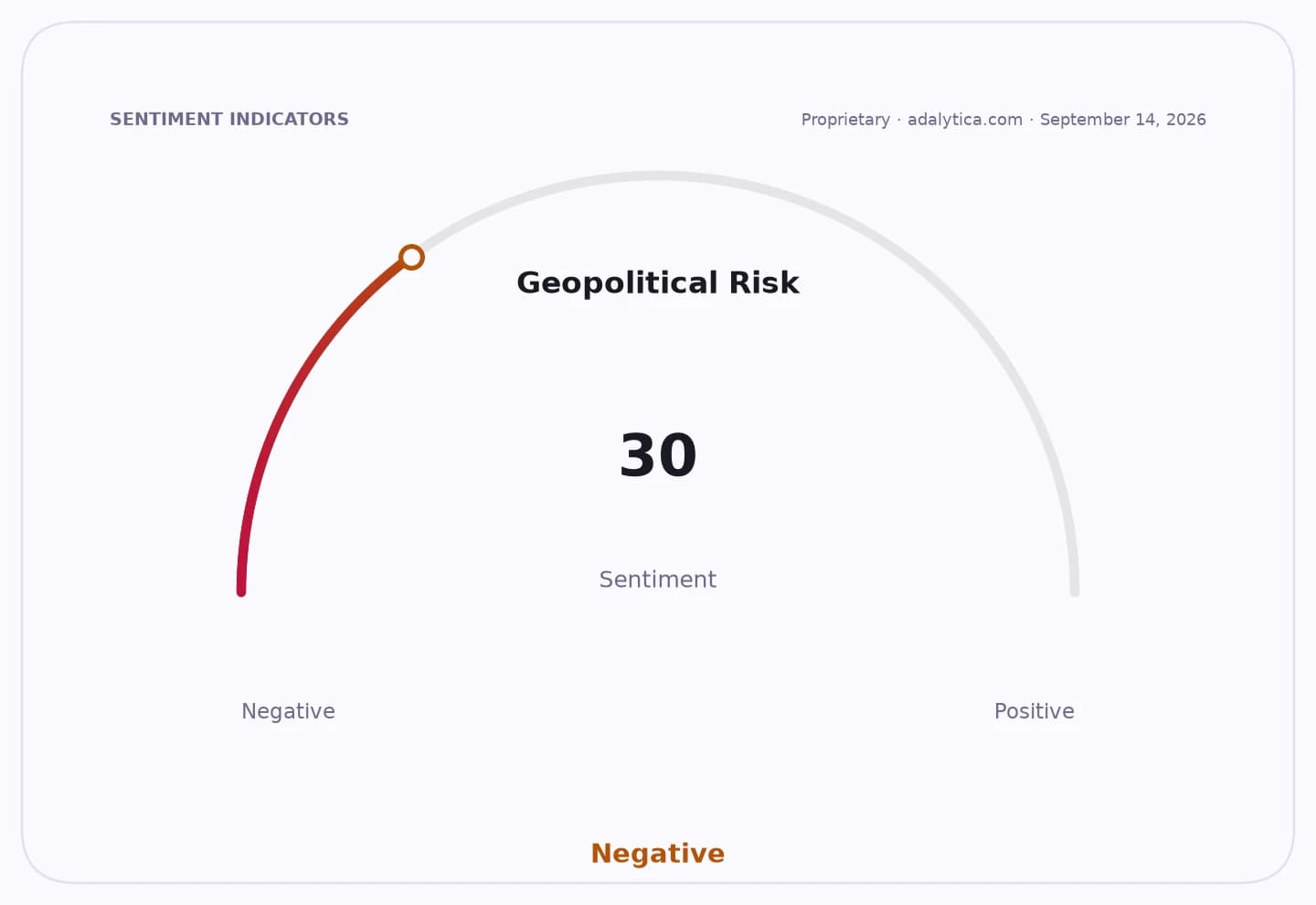
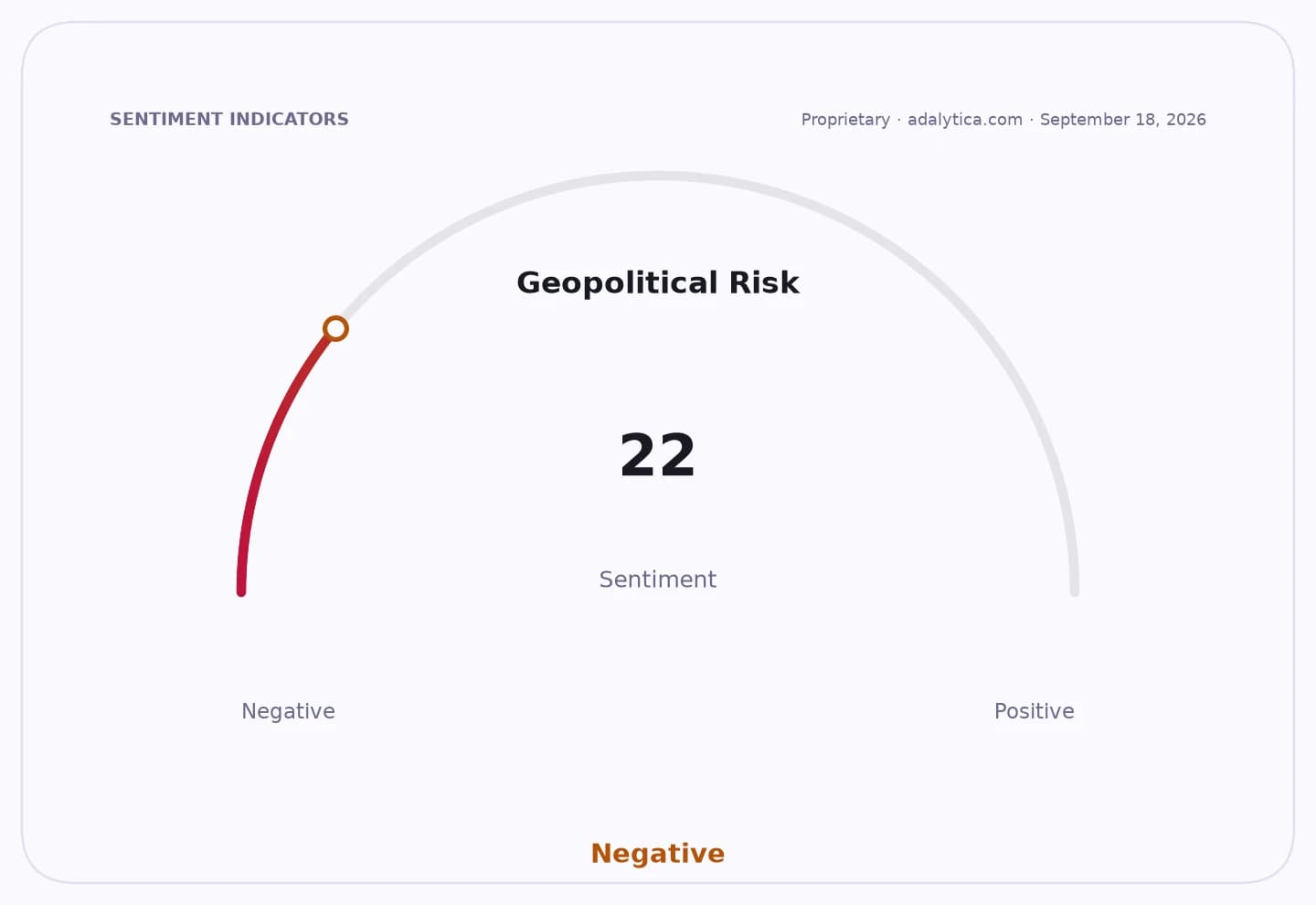
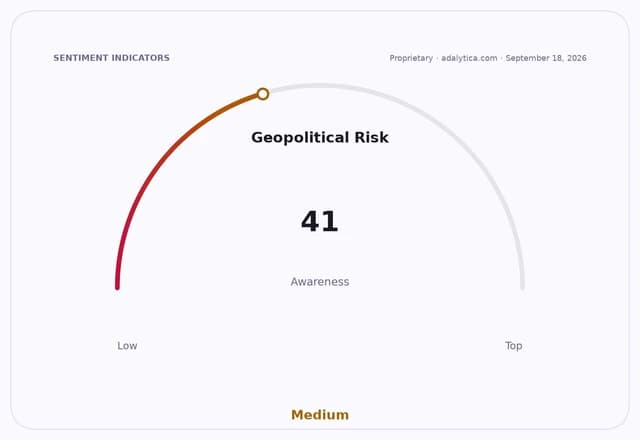
Berlin’s response also shows how geopolitics is again intruding on Europe’s energy balance. The escalation around the Persian Gulf has complicated LNG flows through the Strait of Hormuz, tightening a market that was already unwilling to stockpile because summer purchases were too expensive to make sense for private distributors. In normal years, traders would buy cheap gas in warmer months and release it in winter. This year, elevated prices have stripped out that incentive, pushing the burden onto the state.
SEFE, the former Gazprom Germania unit taken over after Russia’s invasion of Ukraine, will be tasked with buying in smaller batches to avoid giving the market a reason to bid prices even higher. It can source from the U.S. Henry Hub market, where gas is cheaper than on Europe’s TTF benchmark, a sign Berlin is trying to balance energy security with price discipline. The trade-off is not free: the company’s annual profit will take a hit of several tens of millions of euros and the state’s dividend stream will fall, but that is still cheaper than a broader emergency intervention through Trading Hub Europe.
For investors, the story is less about one procurement program than about Europe’s vulnerability to another winter price spike. German gas importers, utilities and storage operators stand to gain from state-backed buying, while consumers and energy-intensive manufacturers remain exposed to any tightening in supply. LNG suppliers and U.S. gas exporters may also benefit if Germany keeps leaning on Henry Hub-linked cargoes rather than relying solely on Europe’s more expensive spot market.
The immediate question is whether the 70% storage target by November can be met without forcing a broader market repricing. If weather turns cold early or Norwegian and LNG supplies are disrupted, Berlin may have to widen its intervention. That would be another sign that Europe’s gas market remains structurally less secure than pre-crisis assumptions suggest, even after the scramble to replace Russian pipeline volumes.
| Entity | Gains | Losses |
|---|---|---|
| SEFE / German state | ▲Energy-security role | ▼Profit and dividends |
| German consumers | ▲Fewer shortage risks | ▼No relief from high prices |
| LNG suppliers / U.S. gas exporters | ▲Extra demand | ▼Lower European pricing power |
| Energy-intensive industry | ▲Reduced winter rationing risk | ▼Higher input-cost pressure |