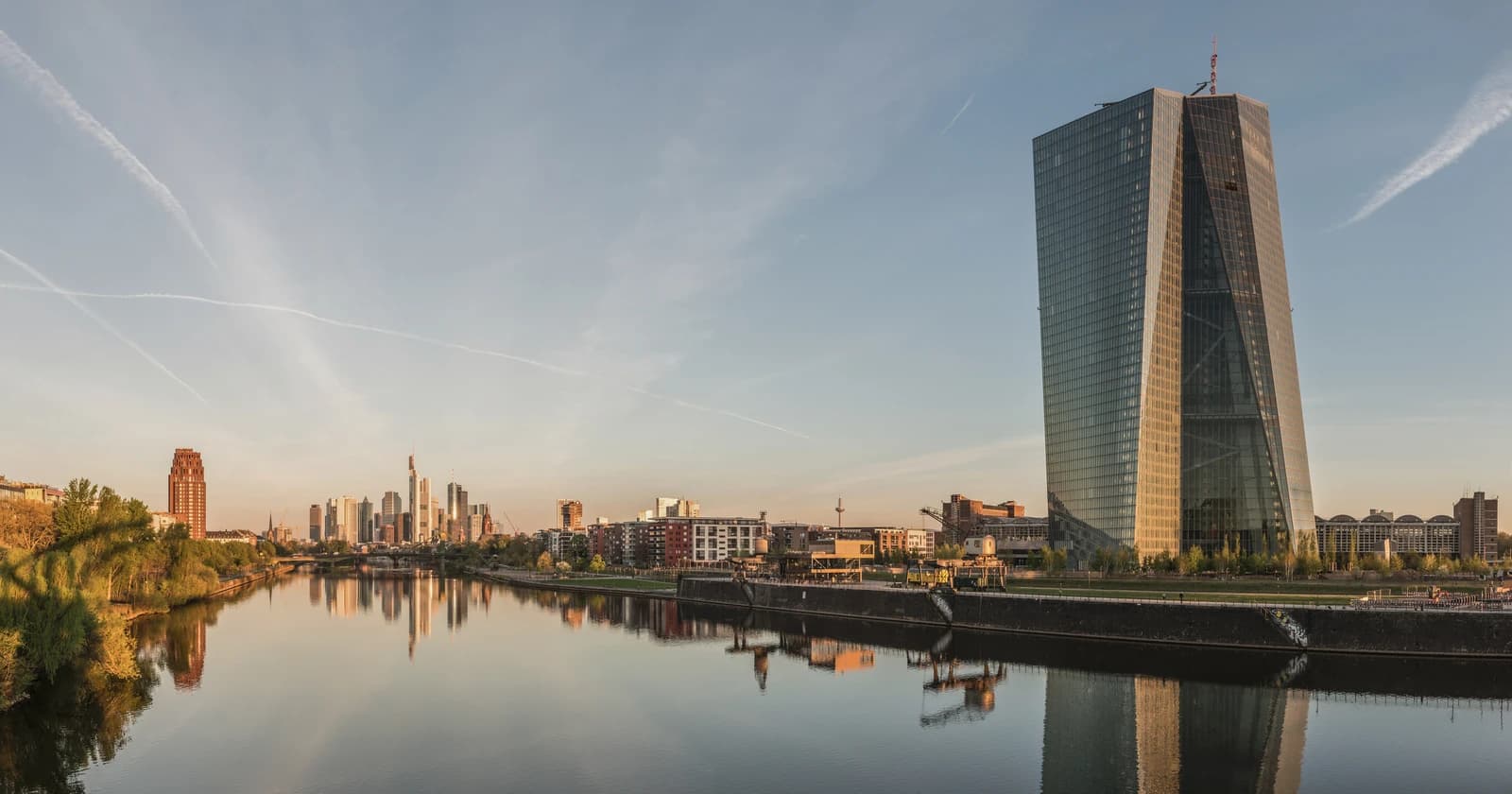
Brandenburg’s economy minister says the state has no indication of a gas shortage this winter, underscoring how Germany’s energy system has become less vulnerable to the kind of supply shock that rattled industry after Russia cut pipeline flows.
Germany Gas Supply Seen Stable This Winter
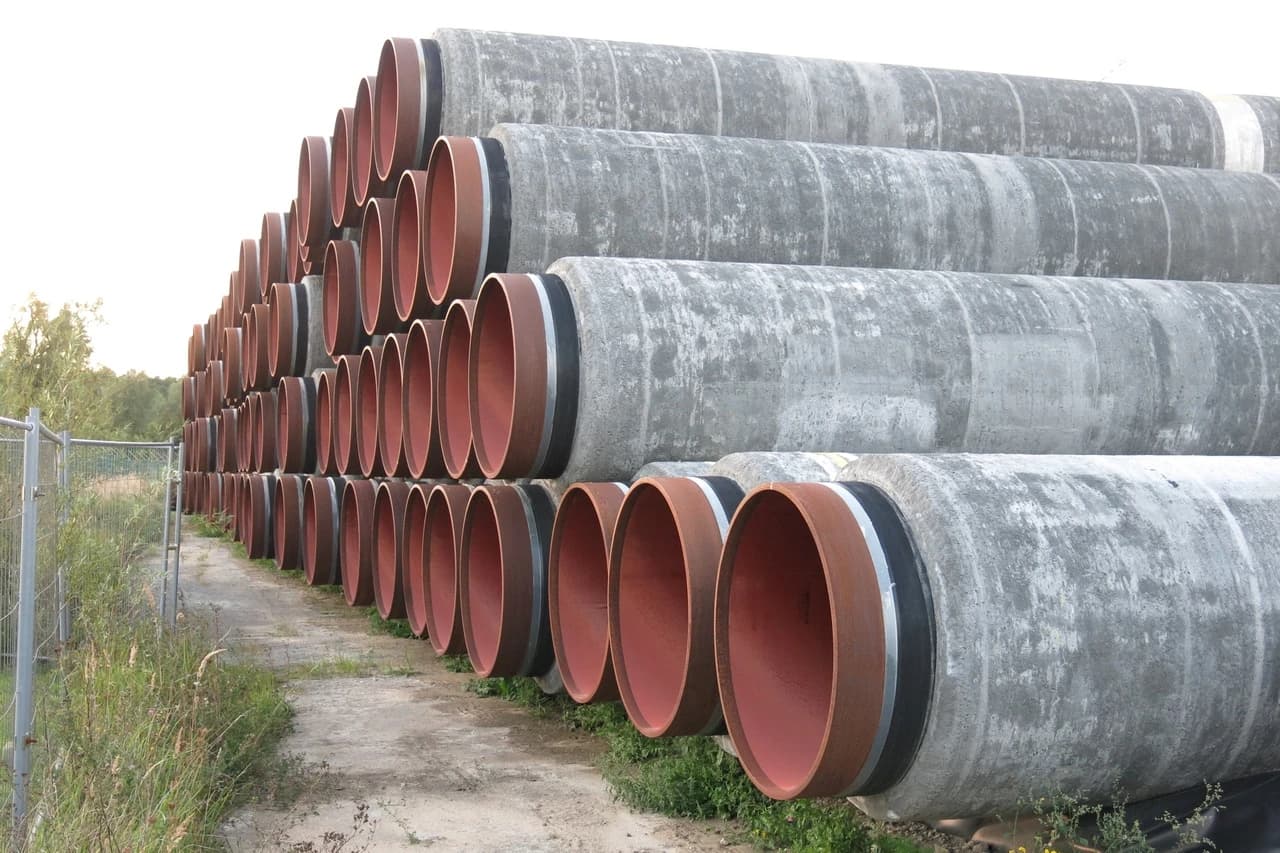
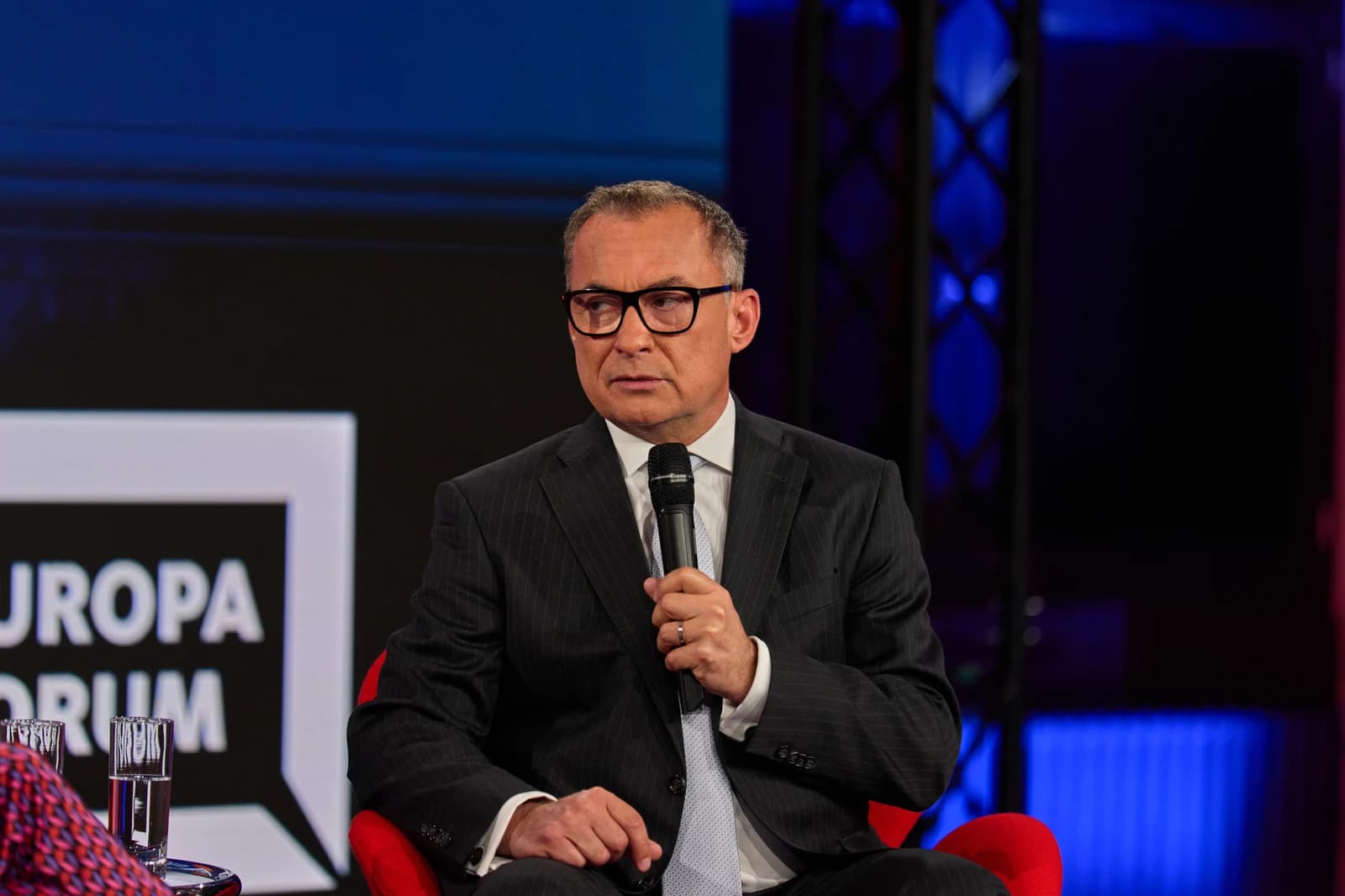
Martina Klement told the Potsdam state parliament’s economic committee that although Germany’s gas storage sites are only 53.6% full — well below the levels seen in recent years — the supply picture has changed materially because the country now has LNG import options, additional sourcing routes and lower gas consumption.
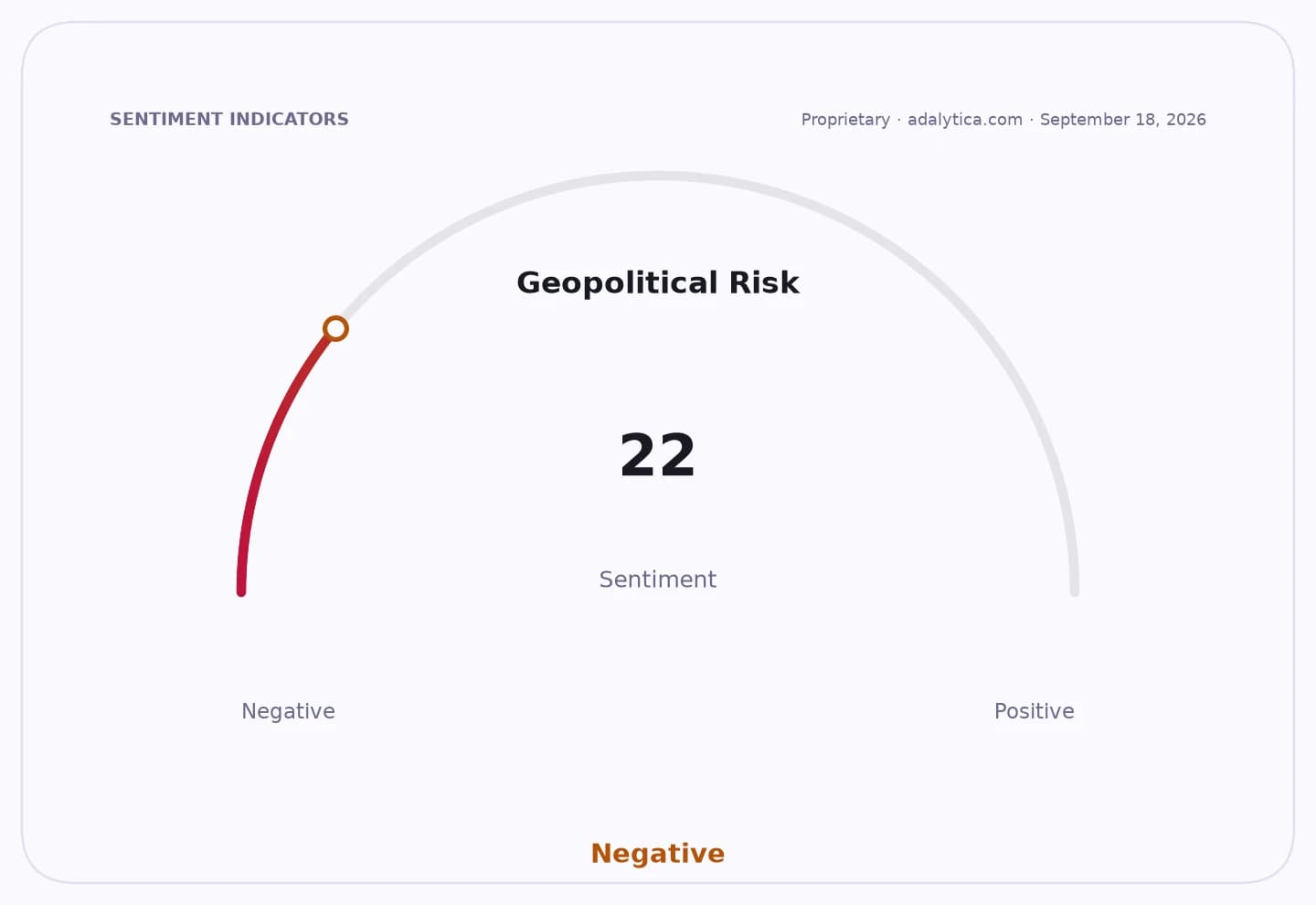
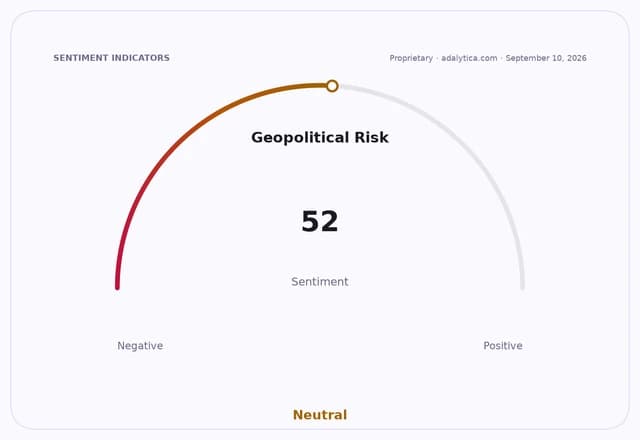
Sentiment IndicatorsⓘProprietary · adalytica.com · September 10, 2026
This is a snapshot — live sentiment, awareness and momentum for 130+ markets update continuously in the dashboard.Open AlphaPulse
That matters because winter shortages once posed a direct threat to industrial output, power generation and household heating costs across Europe’s largest economy. A tighter storage position would normally raise the risk of price spikes and emergency demand restraint, but Klement’s comments suggest Germany enters the heating season with more flexibility than in the early phase of the energy crisis.
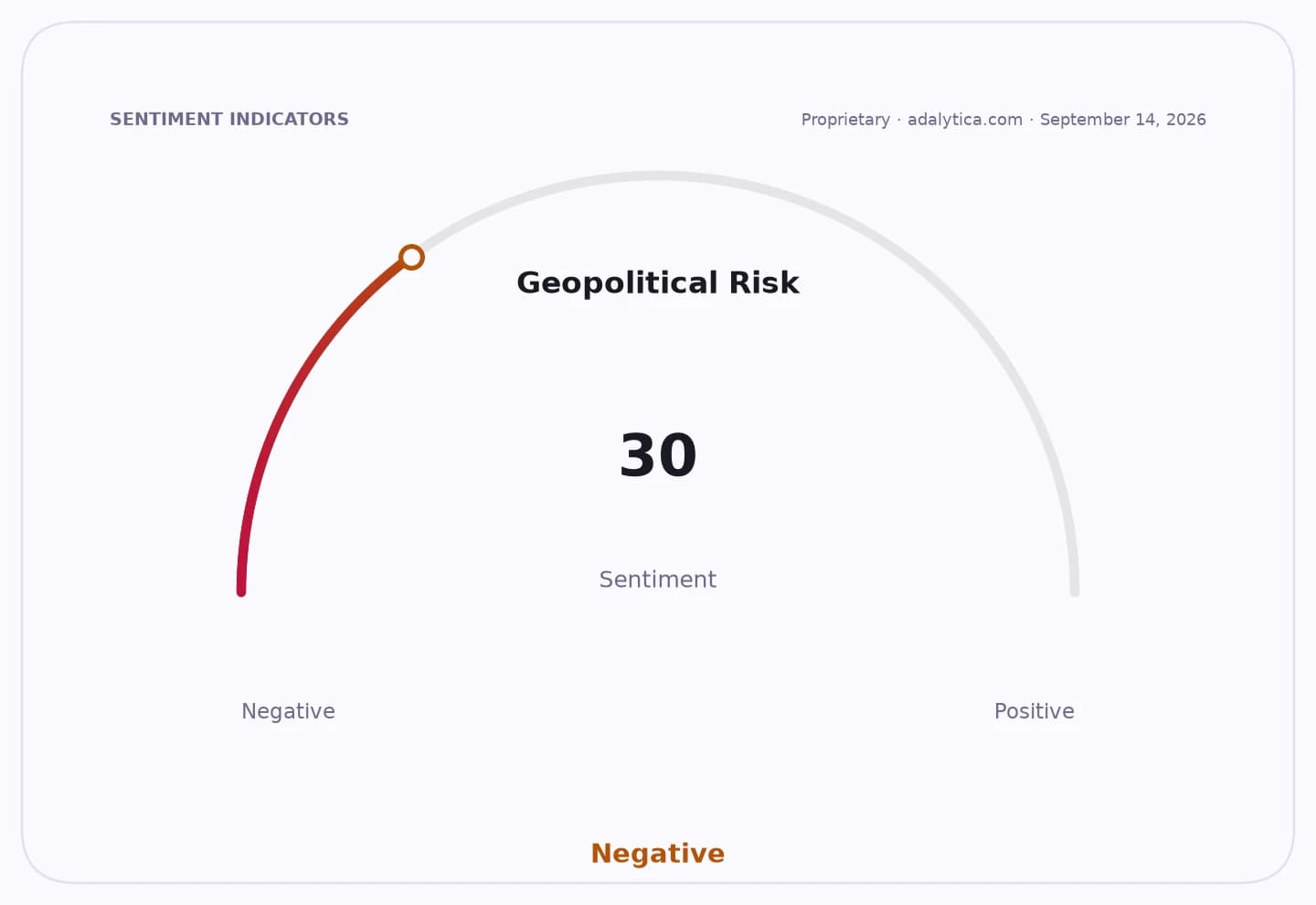
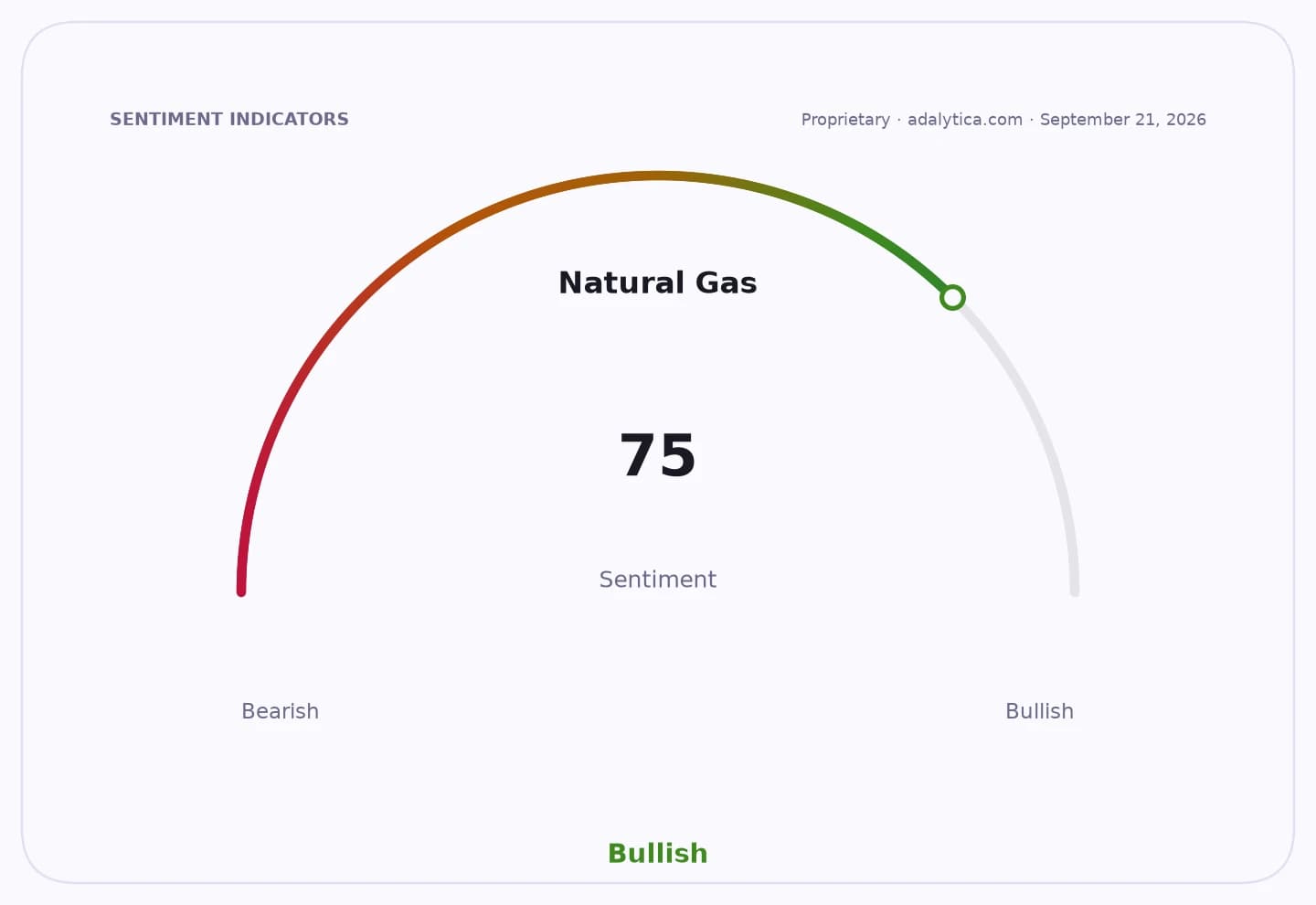
The market backdrop is still sensitive. European gas prices have been volatile and the broader energy complex remains exposed to geopolitical disruption, while the latest Adalytica Natural Gas Market Trade Signals show neutral sentiment but a sharp 30-day drop in the gauge, pointing to a more cautious near-term tone rather than outright panic. For investors, that means the issue is less about immediate scarcity and more about how well the market can absorb any weather-driven demand surge or outage at LNG terminals and transport infrastructure.
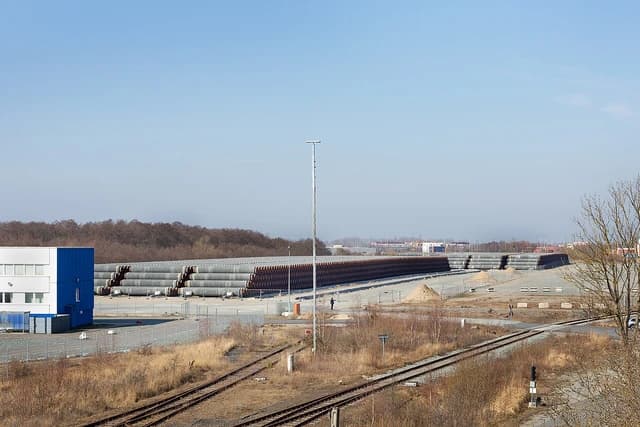
Germany’s lower gas usage is doing part of the work. Klement said consumption in both Germany and Brandenburg has fallen versus previous years, reducing the volume that must be covered from storage during cold spells. The country’s increased LNG capacity also gives utilities and industrial buyers more optionality than before, especially if pipeline supplies tighten or regional demand jumps.
The minister said there are also no signs of gasoline or jet-fuel shortages, although she described fuel availability as a price issue that needs to be handled at federal level. That distinction matters for inflation: even without physical shortages, higher fuel costs can still feed into transport, manufacturing and consumer prices.
Brandenburg’s own energy mix adds another layer. Klement called biogas an important part of the system because it can run continuously, unlike wind and solar. The state said it had 719 biogas plants with 370 MW of capacity last year and 30 biomethane upgrading facilities, ranking it second in Germany. With Berlin planning cuts to federal support, the state government is backing Bundesrat amendments to preserve funding.
For investors, the message is that Germany’s winter energy risk has shifted from acute shortage to structural resilience. That is supportive for industrial sentiment, limits the odds of emergency policy intervention and reduces tail risk for energy-intensive sectors. The main watchpoints now are weather, LNG terminal reliability, storage refill rates and whether political pressure over gas subsidies and biogas support changes the economics of domestic supply.
| Entity | Gains | Losses |
|---|---|---|
| German industry | ▲Lower shortage risk | ▼Less room for emergency relief |
| LNG importers / utilities | ▲More supply optionality | ▼Exposure to price volatility |
| Biogas producers | ▲Policy support debate | ▼Planned federal subsidy cuts |
| Consumers | ▲Fewer rationing fears | ▼Still face higher energy prices |