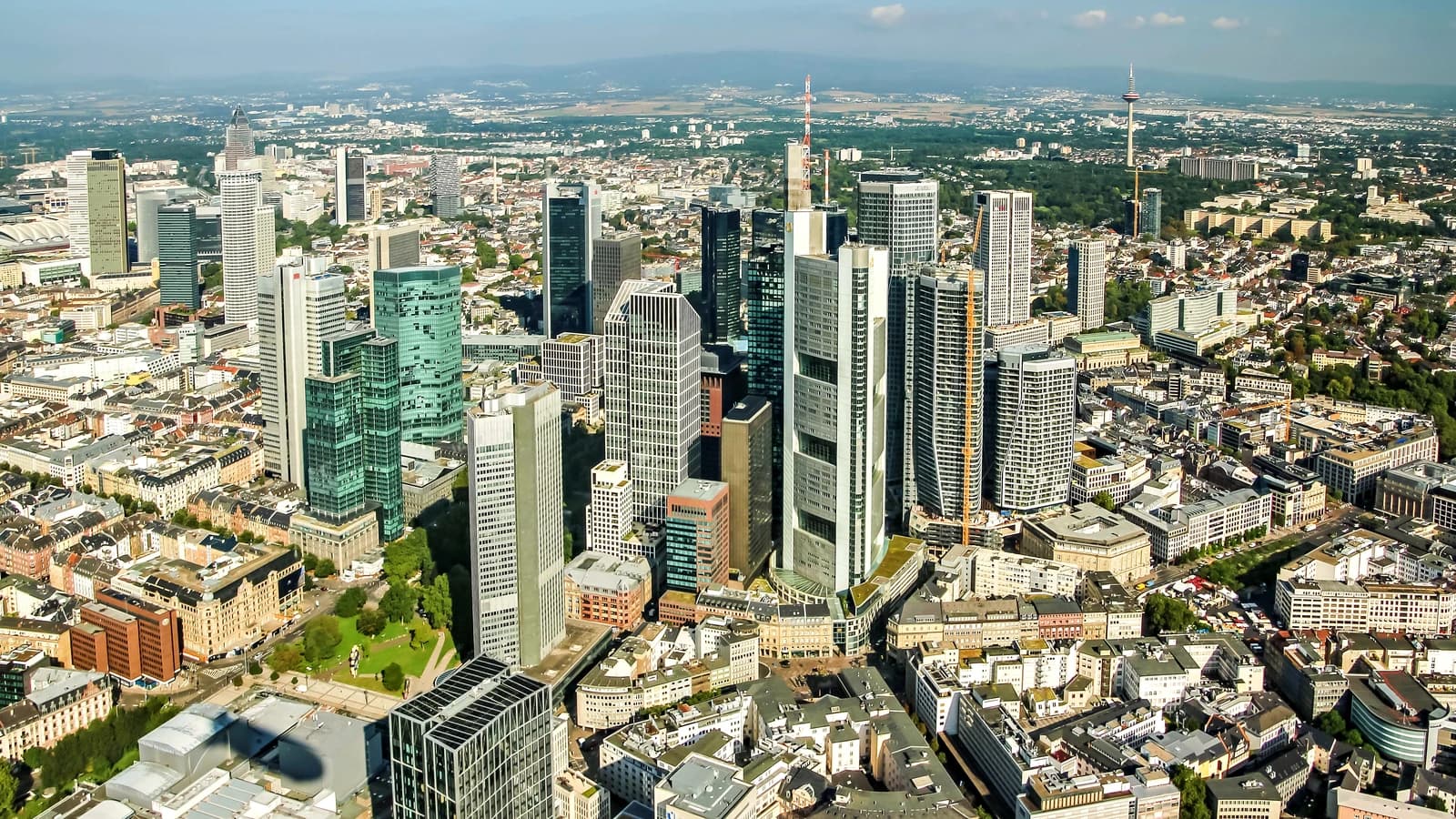
Germany’s central bank is warning investors that the country is facing an uncomfortable mix of sticky inflation and weak growth, with higher energy costs likely to keep prices elevated even as the economy struggles to regain momentum.
Germany inflation stays high as growth weakens
That matters because Germany is still the euro zone’s biggest economy and a key demand engine for Europe. When inflation stays firm while activity softens, policymakers get squeezed: the European Central Bank cannot easily cut rates to rescue growth, but keeping borrowing costs high risks extending the slowdown. For investors, that combination is usually toxic for cyclical stocks, industrials and rate-sensitive assets, while it can support select businesses with pricing power and defensively positioned balance sheets.
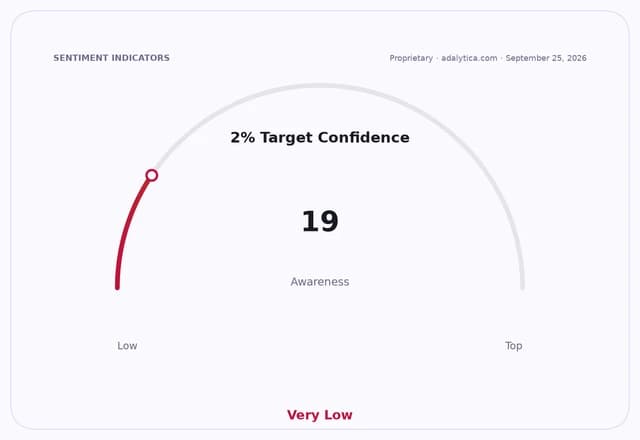
Sentiment IndicatorsⓘProprietary · adalytica.com · September 25, 2026
This is a snapshot — live sentiment, awareness and momentum for 130+ markets update continuously in the dashboard.Open AlphaPulse

Bundesbank said inflation in Germany was 2.9% in August and is likely to remain elevated for some time, driven by higher fuel prices, a sharp jump in gas ahead of the heating season and the risk that those costs spread into other parts of the economy. It also flagged low inventories of gas and refined products as an added inflation risk, a reminder that Europe’s energy market remains vulnerable to geopolitical shocks and supply bottlenecks.
At the same time, the bank said the economy weakened over the summer, hurt by softer exports and consumer spending, plus drought-related problems in transport and industry. The good news is that activity should improve modestly by year-end, helped by more upbeat manufacturing surveys and infrastructure investment supporting construction. Still, that rebound is not guaranteed: the Bundesbank said it depends in part on developments in the Middle East and how quickly water levels normalize on major shipping routes.
Long-term Inflation Expectations vs EWGadalytica.com
Explore this data interactively — full history, time series and cross-market comparisons.Open AlphaPulse
For long-term investors, the message is less about one month’s data than the shape of Germany’s next few quarters. A slow recovery with inflation still above target usually means lower operating leverage for exporters, weaker demand for discretionary spending and a more cautious stance from the ECB. That can weigh on Germany-focused assets such as the EWG ETF, while global diversified portfolios are better insulated.
There is also a subtle but important longer-term wrinkle. Bundesbank said healthcare reforms due to take effect in 2027, along with changes to pharmacy supply rules later this year, could temporarily lift inflation in the first half of next year by nearly half a percentage point. That suggests price pressures may prove stickier than many households and investors would like.
The takeaway for investors is straightforward: Germany is not in crisis, but it is still stuck in a low-growth, high-friction environment. Until energy costs stabilize and industrial activity turns decisively higher, patience and diversification look far more attractive than trying to call a quick turnaround.
| Entity | Gains | Losses |
|---|---|---|
| Energy producers | ▲Higher prices | ▼Consumers and manufacturers |
| German exporters | ▲A year-end recovery | ▼Softer global demand |
| ECB hawks | ▲Justification to stay cautious | ▼Rate-cut advocates |
| Germany-focused ETFs | ▲A modest rebound | ▼Near-term slowdown risk |