The far-right Alternative for Germany’s surge in Lower Saxony is adding pressure on Friedrich Merz and keeping investors focused on Germany’s political fault lines, even as the broader market impact remains limited for now.
Germany AfD Surge Pressures Merz, German Stocks Slip

The latest regional vote, in which the CDU held key areas but the AfD more than tripled its prior showing and emerged as the third-strongest force, underscores how economic unease is translating into political fragmentation in Europe’s biggest economy. For investors, that matters because a stronger AfD makes coalition-building more difficult and raises the odds of policy paralysis just as Germany faces weak growth, industrial strain and mounting pressure on Berlin to deliver fiscal and structural support.
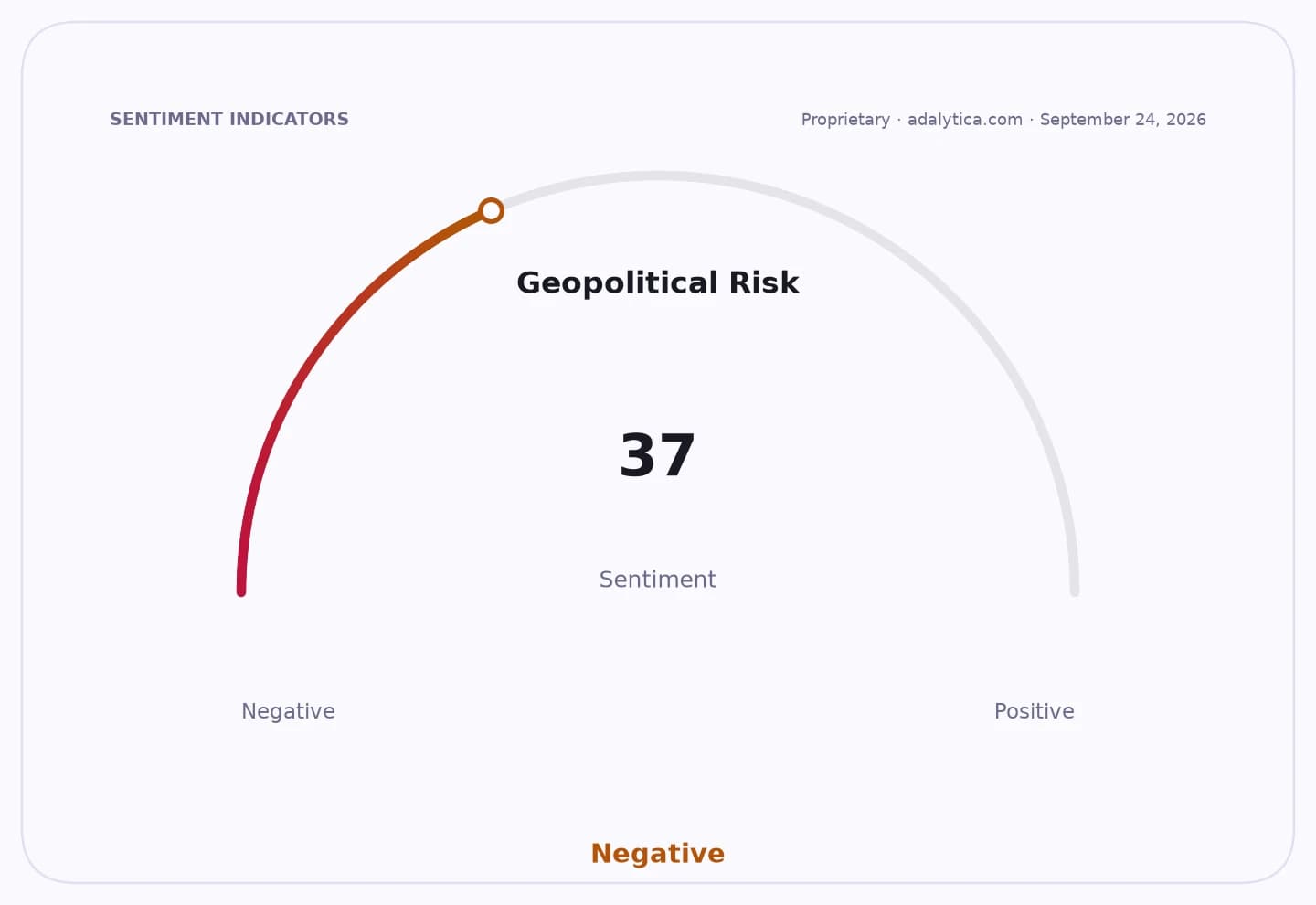
Sentiment IndicatorsⓘProprietary · adalytica.com · September 25, 2026
This is a snapshot — live sentiment, awareness and momentum for 130+ markets update continuously in the dashboard.Open AlphaPulse

The political backdrop is especially relevant for export-heavy German equities and for European assets tied to domestic demand, infrastructure spending and regulatory stability. Lower Saxony is home to Volkswagen’s core operations, so the regional result also lands in the middle of the auto industry’s crisis and the broader debate over Germany’s industrial model.
Market pricing has been relatively muted, but German risk assets have shown signs of strain. The German stock proxy EWG has slipped to $41.87 from $42.60 earlier in the week, while the DAX ETF DAX is little changed around $44.71 after a recent pullback. Both remain above their 200-day moving averages, but momentum has softened, with RSI readings in the low 30s and MACD lines still negative, suggesting investors are not chasing German exposure aggressively.
Euro — 30-day sentimentadalytica.com
Explore this data interactively — full history, time series and cross-market comparisons.Open AlphaPulse
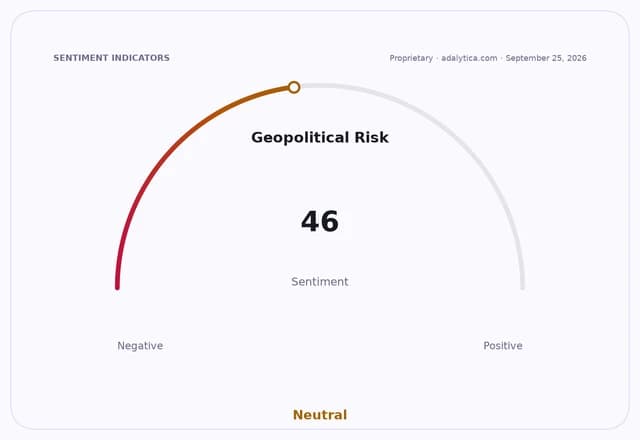
The euro has also stabilized rather than broken higher, with Adalytica’s Euro Trade Signals showing neutral sentiment at 47 and awareness at 68, while the global stability gauge sits at 46, also neutral but with elevated fear in attention metrics. That points to a market that is watching Germany’s politics as a medium-term risk rather than a fresh shock.
For Merz, the message is less about one regional ballot than about a national trend: the CDU can win, but the far right continues to broaden its base in economically stressed areas. The next test is whether Berlin can turn political dominance into policy momentum before investor patience — and voter patience — erodes further.
| Entity | Gains | Losses |
|---|---|---|
| AfD | ▲Voter momentum | ▼Mainstream resistance |
| CDU / Merz | ▲Regional control | ▼Political pressure |
| German equities | ▲Some stability | ▼Policy uncertainty |
| Eurozone investors | ▲Clarity on risks | ▼Confidence in Germany |