Germany has now put a price tag on the emergency response that kept Europe’s biggest economy from being knocked off course by Russia’s gas cutoff: 50.4 billion euros in direct federal spending to cushion households, support companies and steady energy markets.
Germany reports €50.4B gas crisis spending
The figure matters because it quantifies the scale of the policy response needed when Europe’s largest industrial economy lost access to a fuel source that had underpinned its power system and manufacturing base for years. It also shows that the damage from Moscow’s supply squeeze was not confined to a brief spike in prices. It forced Berlin into a prolonged, broad-based intervention that still carries fiscal consequences.
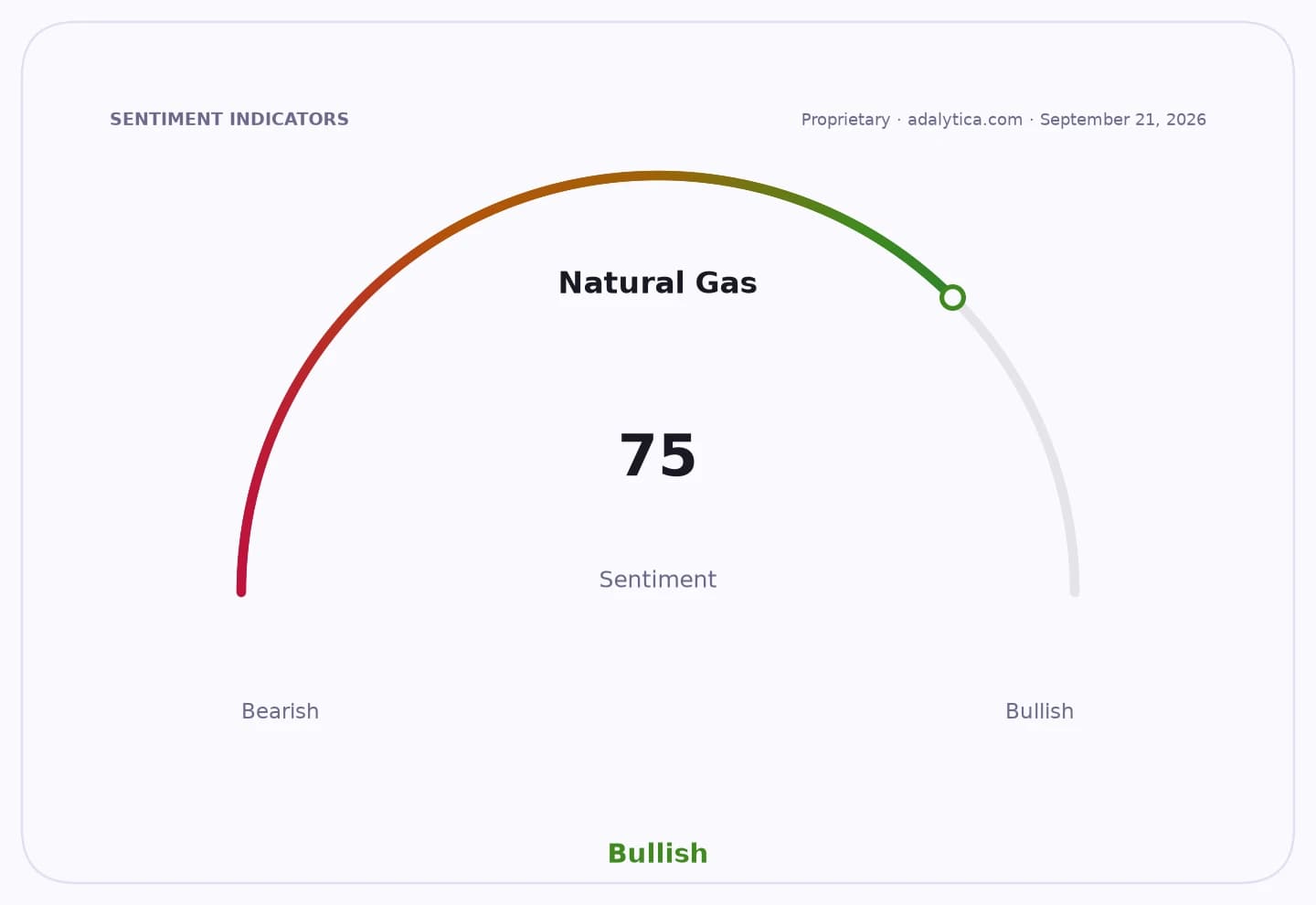
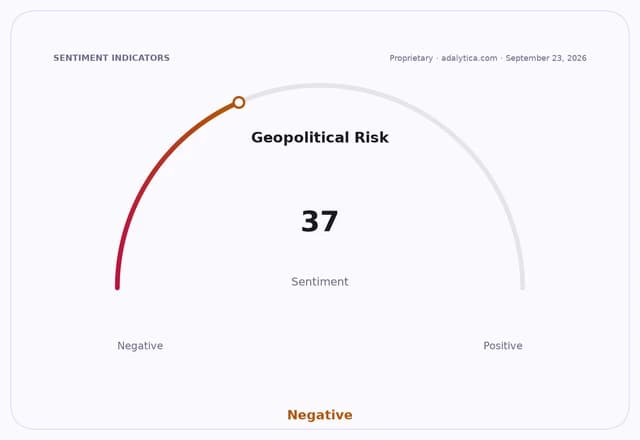
Sentiment IndicatorsⓘProprietary · adalytica.com · September 23, 2026
This is a snapshot — live sentiment, awareness and momentum for 130+ markets update continuously in the dashboard.Open AlphaPulse
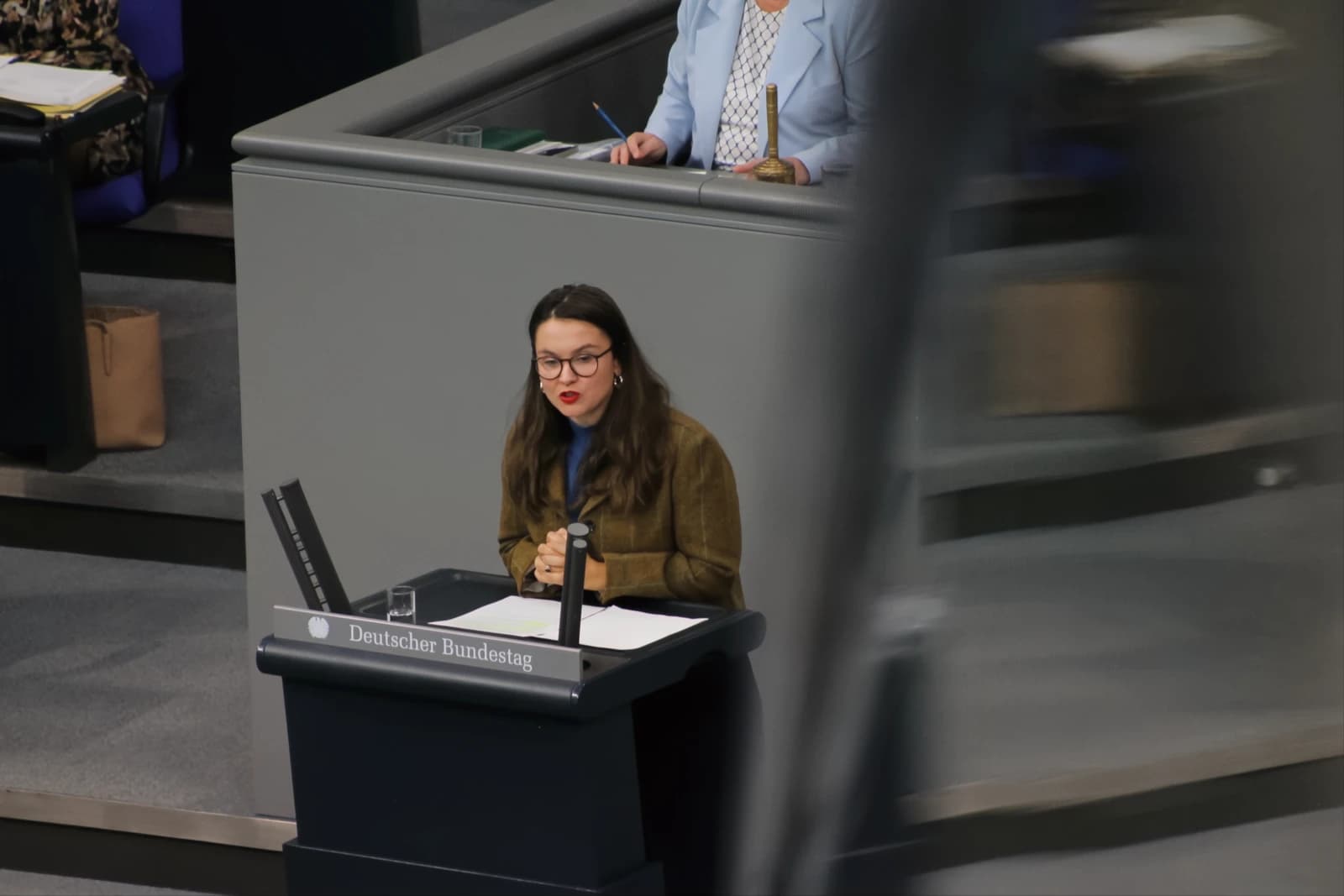
The Finance Ministry figure, disclosed in response to a parliamentary question from a Green lawmaker, covers 27 measures introduced during the crisis. The biggest line items were the electricity price brake, which cost 16.3 billion euros, and the gas price brake, which added 14.3 billion euros. Berlin also spent 8.5 billion euros on a December 2022 one-off subsidy when the state covered a month of households’ gas prepayments, and more than 6 billion euros on a 300-euro energy payment to pensioners and other targeted support.
The intervention was a direct answer to the shock that followed Russia’s invasion of Ukraine and the subsequent curtailment of gas deliveries. Prices for gas and power surged, with gas at one point above 300 euros per megawatt hour, as Germany rushed to replace supplies that had accounted for about 55% of its imported gas before the war. The country had to scramble for alternative cargoes, accelerate liquefied natural gas import capacity and refill storage ahead of winter at almost any cost.
Economically, the bill highlights how much of Germany’s industrial model had been built on cheap Russian gas. That dependence did not just affect households’ heating bills; it hit energy-intensive industries, power generation and utilities with contract obligations they could not immediately meet. The rescue of Uniper, the country’s biggest importer of Russian gas, underscored the systemic nature of the stress. Without state support, a cascade of losses could have spread through the corporate and banking system.
For investors, the story is a reminder that energy security is now a balance-sheet issue as much as a geopolitical one. The fiscal response reduced the odds of a deeper recession and a disorderly energy-market shock, but it did so by shifting risk onto the public sector. That means higher debt service, less fiscal room for other priorities and a lasting premium on European assets exposed to energy costs, supply disruption and policy intervention.
The numbers also suggest the crisis was less a one-off emergency than a structural reset. Germany’s original 200-billion-euro “defensive shield” was a ceiling, not an actual outlay, and the final direct spending came in below that limit. But even the 50.4 billion-euro figure is incomplete: it excludes the full hit from the temporary VAT cut on gas and does not fully capture the cost of rescuing firms such as Uniper. The Greens therefore put the broader cost at 71.7 billion euros, depending on whether corporate bailouts and other interventions are included.
For markets, the implications extend beyond Germany. Europe’s energy system is still more exposed than before 2022 to weather, geopolitics and global LNG pricing, even if the emergency has passed. Oil and gas prices remain central to inflation, industrial margins and currency flows, while the need to keep storage full ahead of winter continues to shape purchasing patterns and trading conditions. The crisis also showed how quickly government can become the buyer of last resort when market pricing threatens economic stability.
The lasting narrative is clear: Russia’s gas cutoff did not just trigger a temporary price shock, it forced Germany to pay tens of billions of euros to preserve the functioning of its economy and to buy time for a new energy architecture. That bill is now visible. The larger question for policymakers and investors is how much more Europe is still paying, indirectly, for the energy system it used to take for granted.
| Entity | Gains | Losses |
|---|---|---|
| German households | ▲lower energy bills | ▼higher taxes/debt burden |
| German industry | ▲avoided supply collapse | ▼higher long-term energy costs |
| Federal government | ▲prevented systemic crisis | ▼€50.4 billion direct outlay |
| Russian gas suppliers | ▲lost market access | ▼collapse of a major customer base |