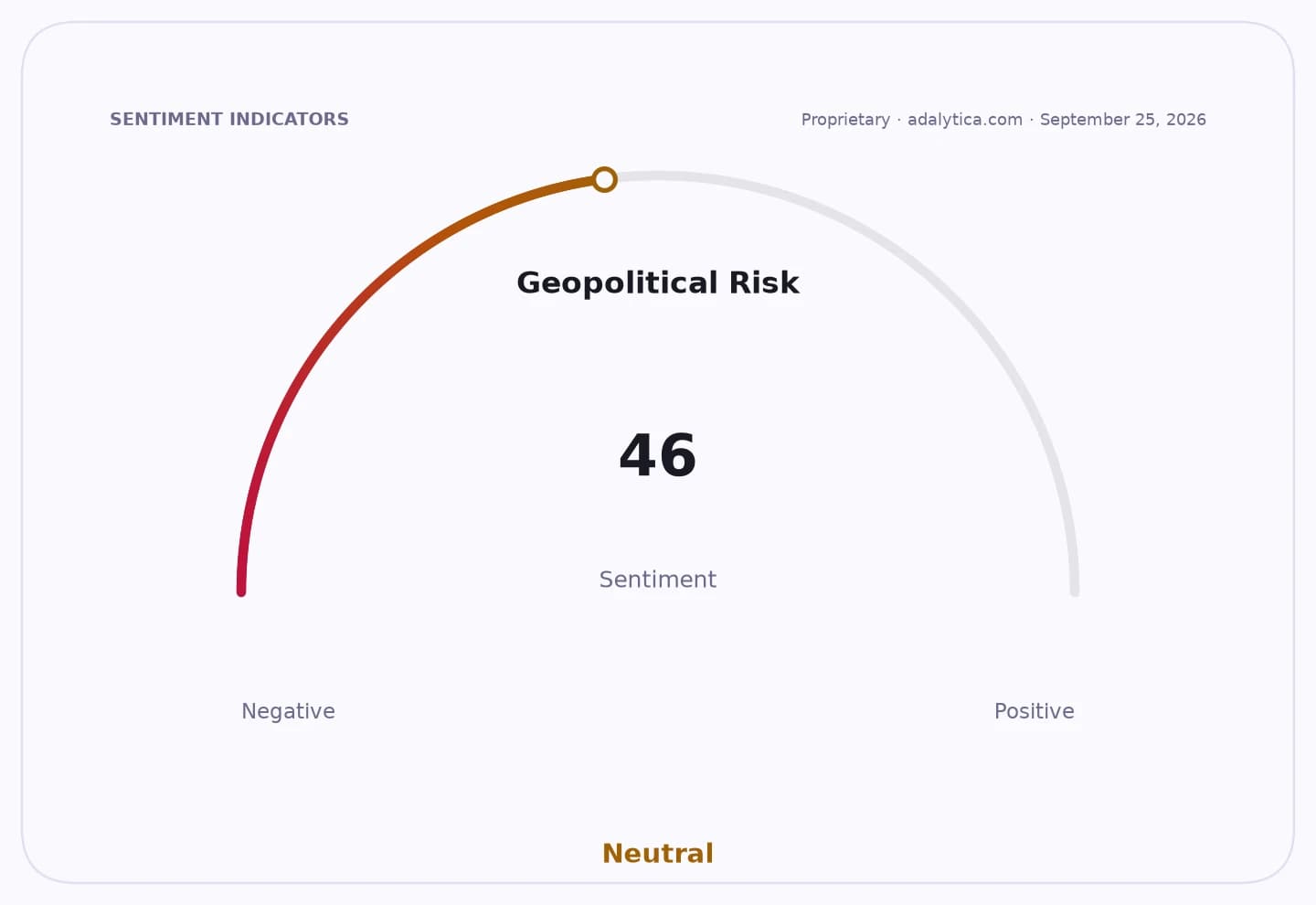
Germany is tightening its course against Russia after closing the Russian consulate in Bonn, a move that matters less as a diplomatic gesture than as a warning that hybrid attacks now carry economic and security consequences for Europe’s biggest economy.
Germany closes Russian consulate in Bonn
Berlin’s response comes after the drone incident near Leipzig/Halle airport and follows a broader package of sanctions aimed at Moscow. For investors, the significance is not the consulate itself but the direction of travel: Germany is preparing to lean harder on Russia’s vulnerable pressure points, from diplomatic presence to the so-called shadow fleet that keeps Russian oil moving through the Baltic Sea.
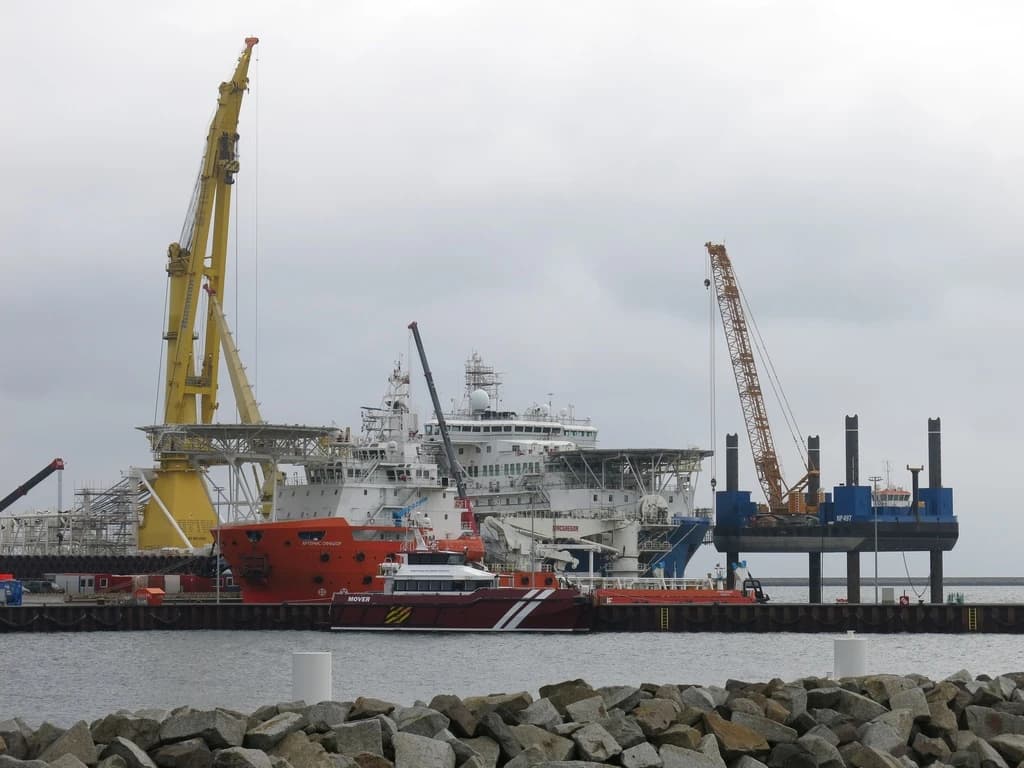
That raises the stakes for energy markets, shipping and Europe’s already fragile security backdrop. Russia still exports crude through aging tankers sailing under foreign flags to get around EU sanctions, and Berlin has said it wants to step up action against those vessels. Even if Germany and the EU cannot fully stop that trade, more inspections, restrictions or legal pressure could add friction to an oil route that remains central to Russia’s war economy.
The closure in Bonn also shows how the confrontation is widening beyond traditional sanctions. Germany has framed the move as retaliation for a hybrid threat, and Foreign Minister Johann Wadephul has made clear he wants Russia to understand that such actions will not go unanswered. That matters because the European response is shifting from passive deterrence to more active disruption, with Brussels also moving to tighten Schengen visa controls for Russian citizens.
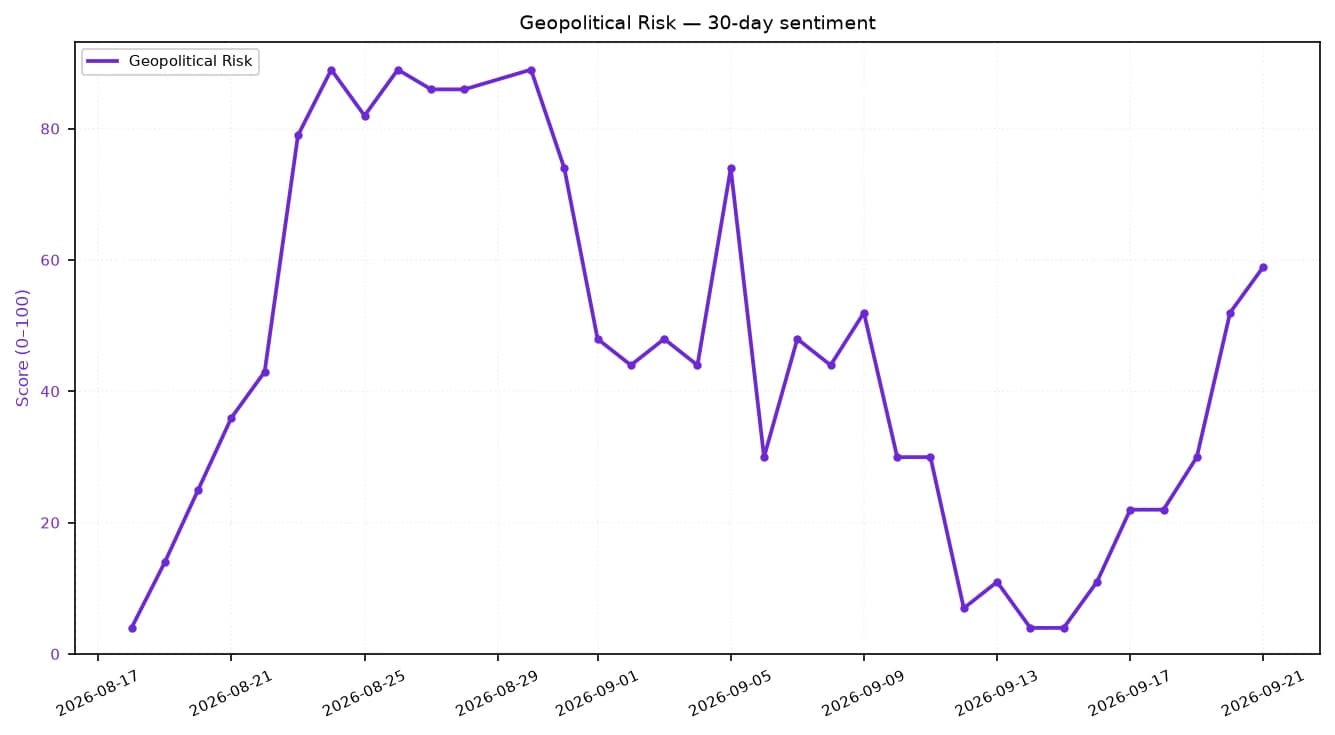
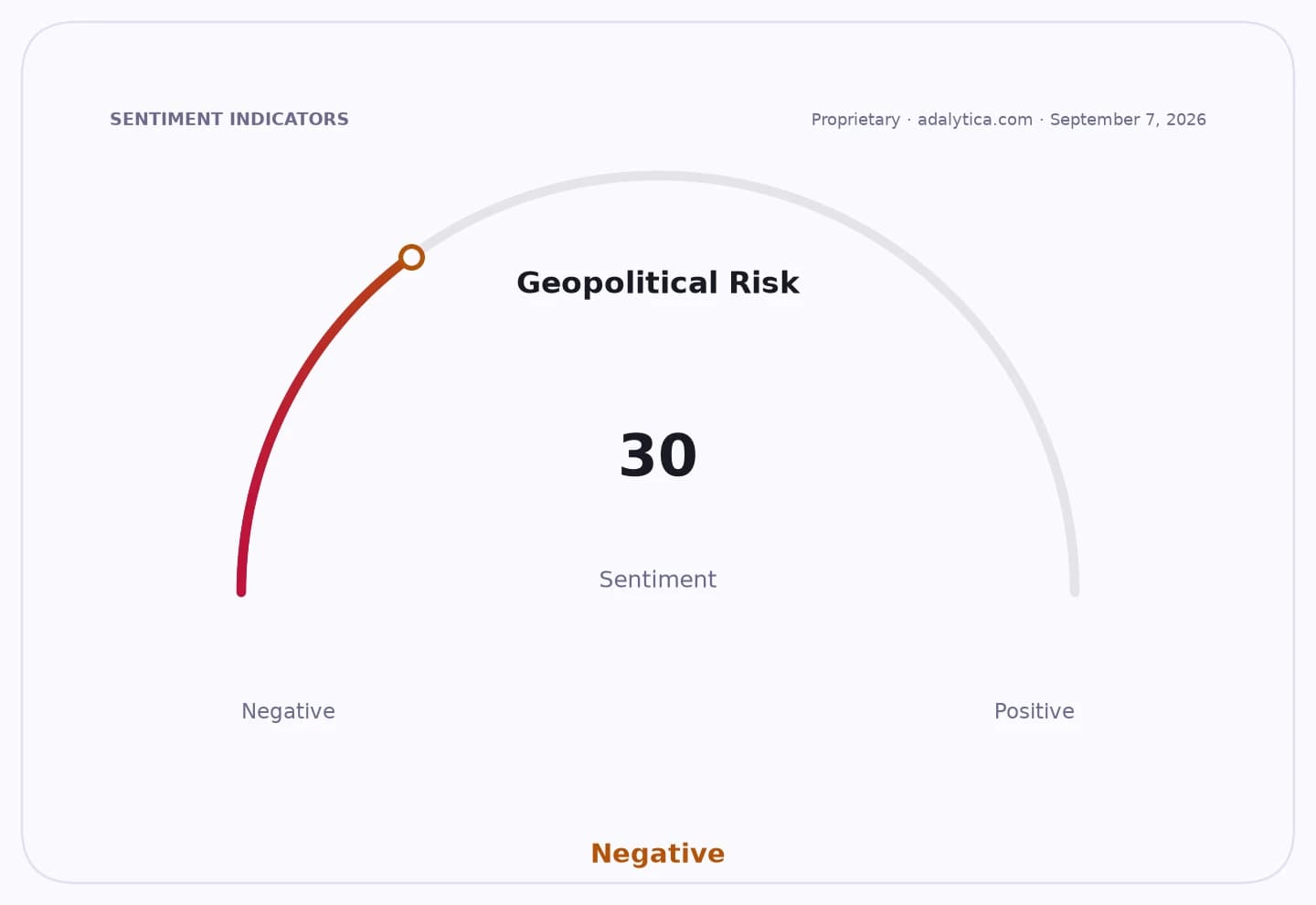
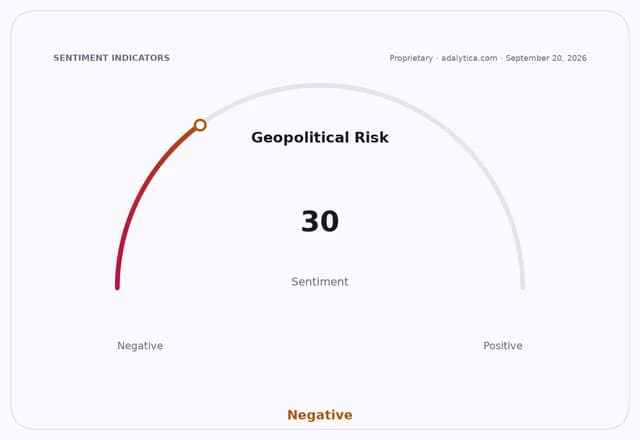
Geopolitical Risk — 30-day sentimentadalytica.com
Explore this data interactively — full history, time series and cross-market comparisons.Open AlphaPulse
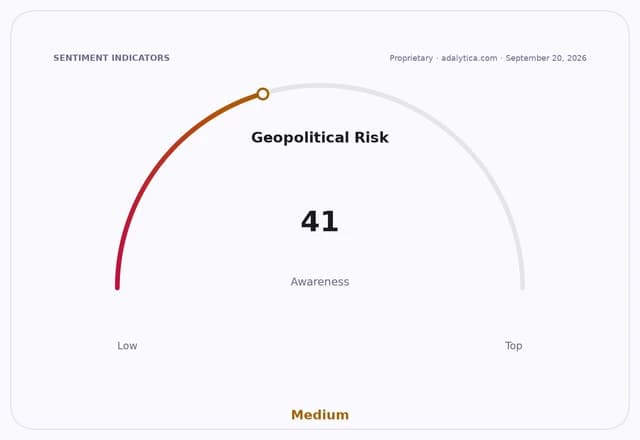
For long-term investors, the key question is not whether this makes headlines for a day, but whether it sustains a higher-risk environment across European defense, energy and logistics. A deeper rupture with Russia could keep support under defense spending, strengthen the case for energy-security investments and preserve volatility in oil-related assets. At the same time, any escalation that touches shipping or sanctions enforcement can lift compliance costs and complicate trade for companies exposed to Europe’s eastern flank.
The broader narrative is simple: Germany is trying to deter Russia without closing the door on dialogue, but the balance is getting harder to maintain. The closure of the Bonn consulate may be only one step, and investors should assume more pressure, more retaliation and more policy action are still ahead. That makes Europe’s Russia-facing sectors worth watching, and it reinforces the case for patience, diversification and a long-term view.
| Entity | Gains | Losses |
|---|---|---|
| German government | ▲stronger deterrence | ▼higher escalation risk |
| Russian state | ▲retaliatory leverage | ▼diplomatic access in Germany |
| EU security hawks | ▲tougher sanctions agenda | ▼more friction with Moscow |
| Shadow fleet operators | ▲continued oil shipments | ▼tighter enforcement pressure |