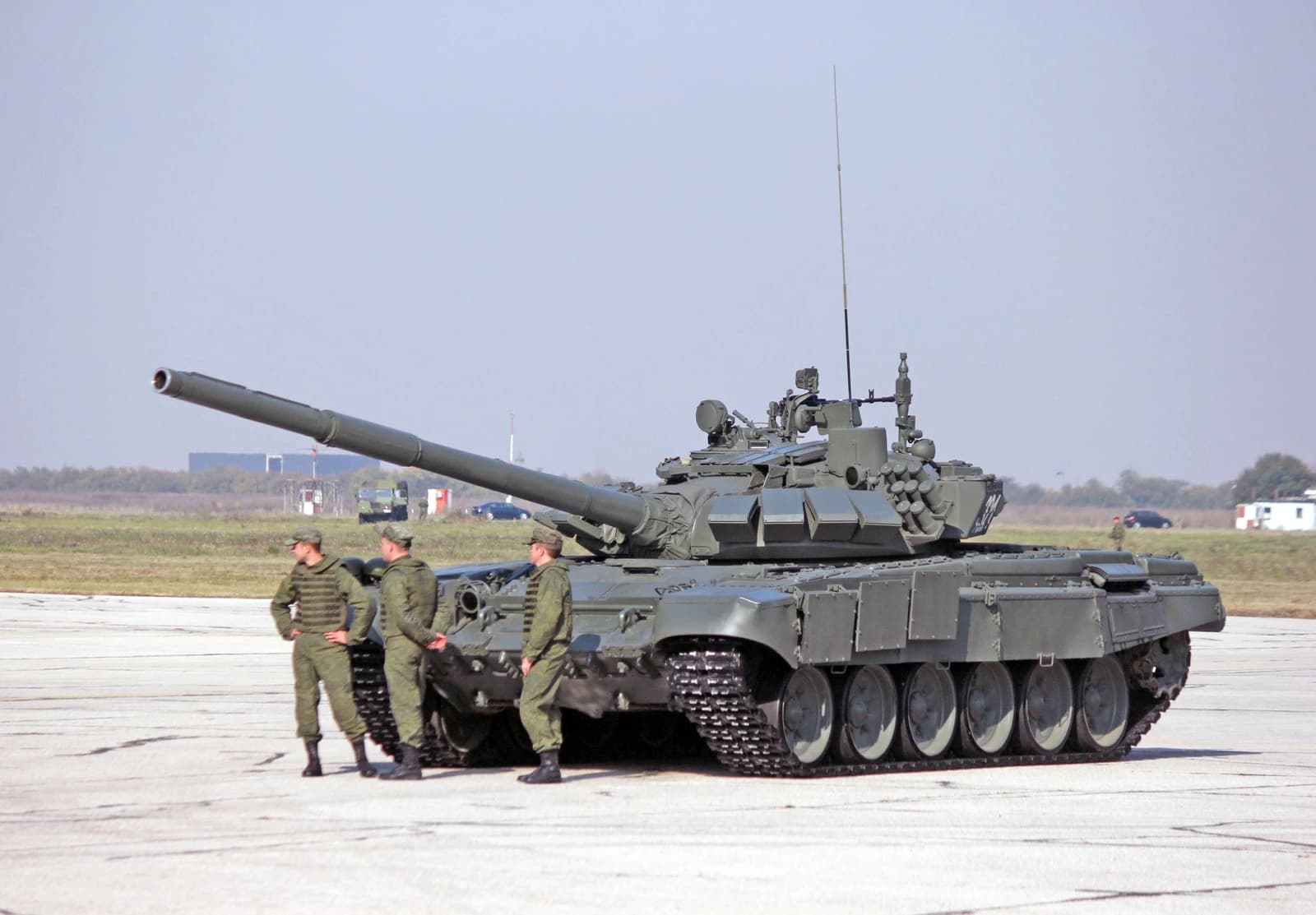
Europe’s security posture is hardening after Ukraine said Russia could prepare a new mobilization of as many as 300,000 people following parliamentary elections, a move that would deepen the war’s manpower demands and intensify pressure on NATO’s eastern flank.
Russia mobilization fears weigh on European assets
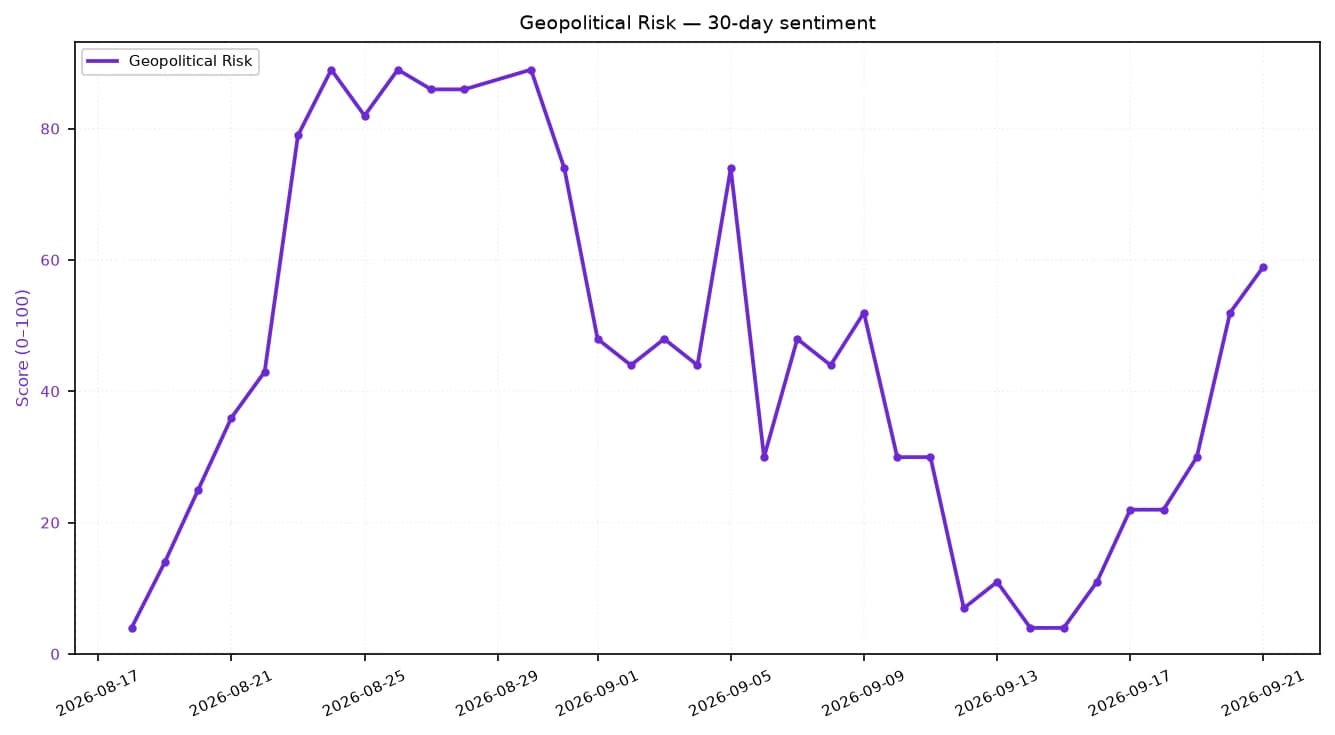
The allegation matters because a fresh draft drive would not only extend Russia’s ability to sustain combat operations in Ukraine, but also raise the odds of a broader cycle of escalation, border tensions and hybrid activity aimed at unsettling European governments. For investors, that combination usually means higher defense spending expectations, more pressure on sentiment-sensitive European assets and a renewed premium on safety in currencies, bonds and utilities that are vulnerable to energy and security shocks.
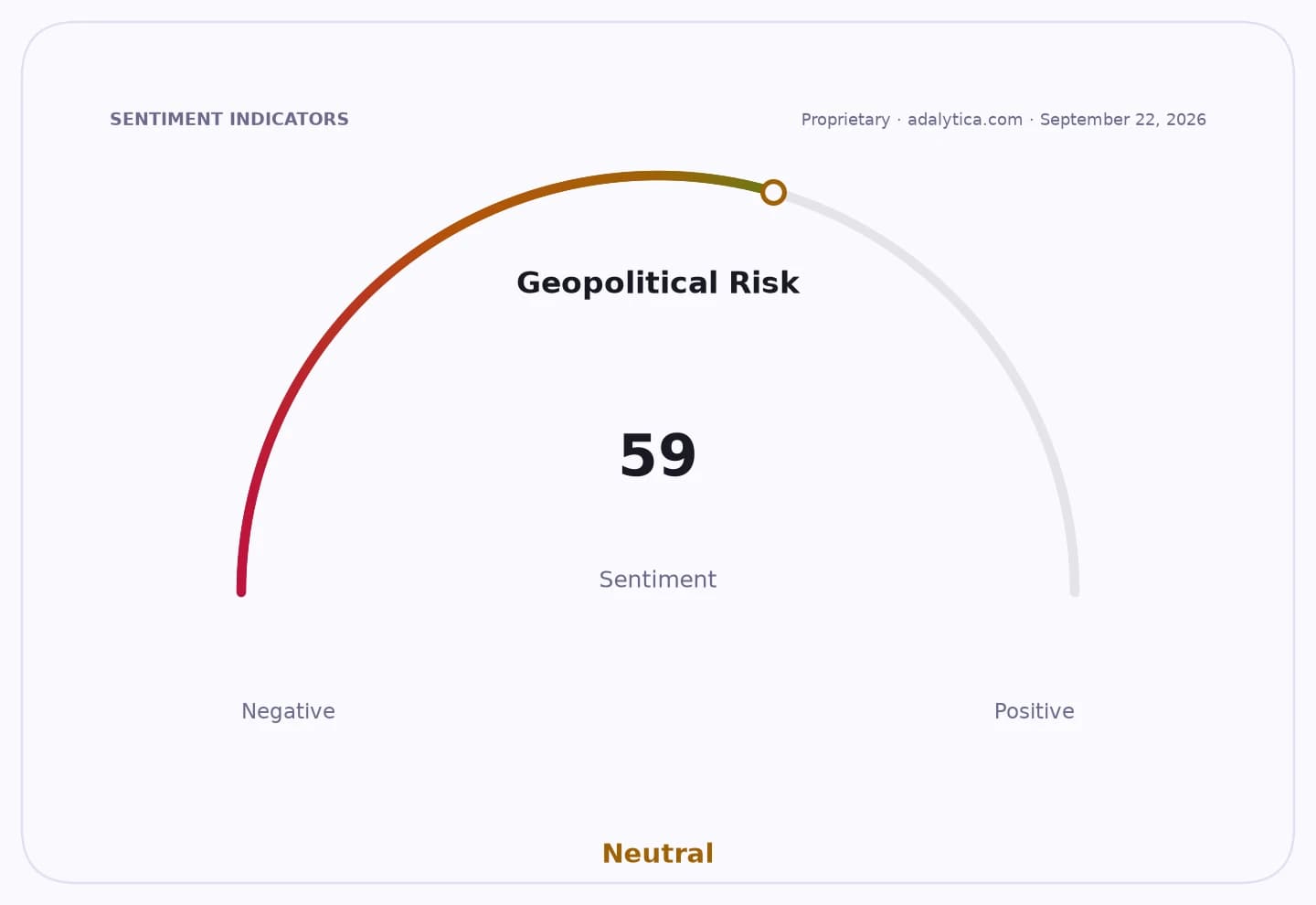
Sentiment IndicatorsⓘProprietary · adalytica.com · September 22, 2026
This is a snapshot — live sentiment, awareness and momentum for 130+ markets update continuously in the dashboard.Open AlphaPulse
Poland’s Prime Minister Donald Tusk said Russia could be testing NATO’s response by disguising missile and drone strikes on alliance territory as accidents, while French President Emmanuel Macron ordered work on a new plan to protect critical infrastructure against rising hybrid threats. Taken together, the comments point to a continent shifting from rhetorical concern to active contingency planning.
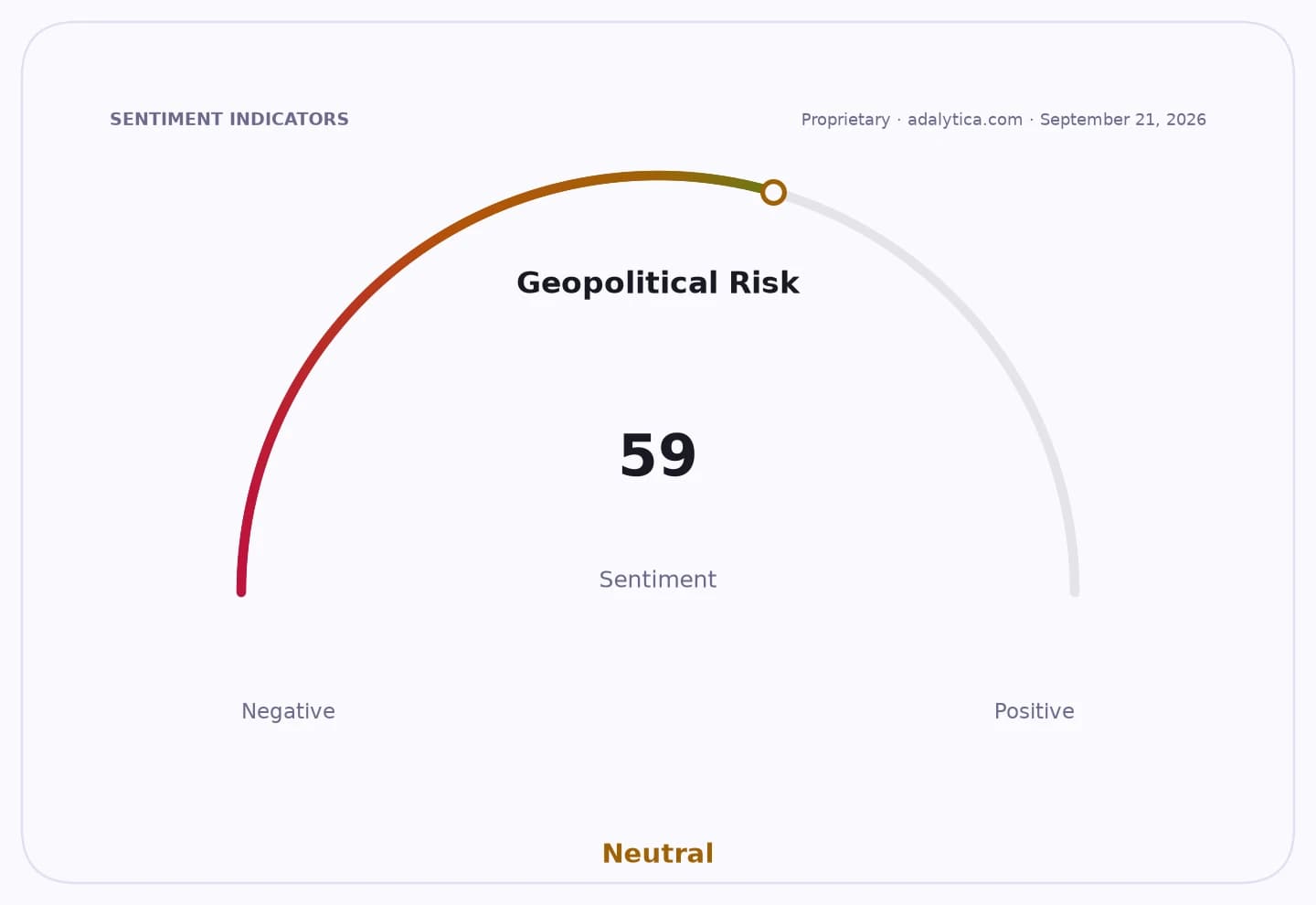
The market backdrop suggests the risk is being treated seriously even if no mobilization has been formally объявлено. Adalytica’s Global Stability Sentiment gauge remains at a neutral 59, but awareness is in fear territory at 26 and rose sharply over the past day and week, underscoring how quickly geopolitical stress can reprice risk. European equity proxies also show investors are not fully at ease: Germany’s EWG and France’s EWQ remain well below recent highs, with both trading under their 50-day moving averages and weak RSI readings consistent with cautious positioning. The broader Europe fund VGK is holding above its 200-day average, but momentum has softened and its 50-day average has rolled over.
That combination matters for the European economy in several ways. A mobilization would likely add to Russia’s internal labor shortages and could further disrupt energy, logistics and border trade dynamics if Moscow responds with tighter controls or if neighbors move to seal crossings. It could also reinforce Europe’s need to accelerate defense procurement, cyber protection and infrastructure spending at a time when growth is already fragile and fiscal room is limited.
For investors, the main question is not just whether Russia can field more soldiers, but whether the move would mark a new phase in the war in which political coercion, sabotage risk and frontier pressure become more persistent. That would be supportive for defense contractors and some industrials, but negative for airlines, transport, consumer cyclicals and broader European risk assets if confidence weakens.
The bull case is that Europe’s governments and NATO have already absorbed enough shocks to respond in a controlled way, limiting market damage. The bear case is that even a rumor of mobilization can trigger precautionary border closures, capital flight and sharper volatility, especially if it is paired with incidents that blur the line between military action and accident. For now, the story is less about an immediate market break than about a continent preparing for a more dangerous phase of confrontation.
| Entity | Gains | Losses |
|---|---|---|
| NATO defense contractors | ▲Higher spending demand | ▼No major downside |
| European governments | ▲Security urgency | ▼Budget strain |
| Russia | ▲More troop capacity | ▼Domestic unrest |
| European risk assets | ▲Safe-haven flows offset | ▼Higher volatility |