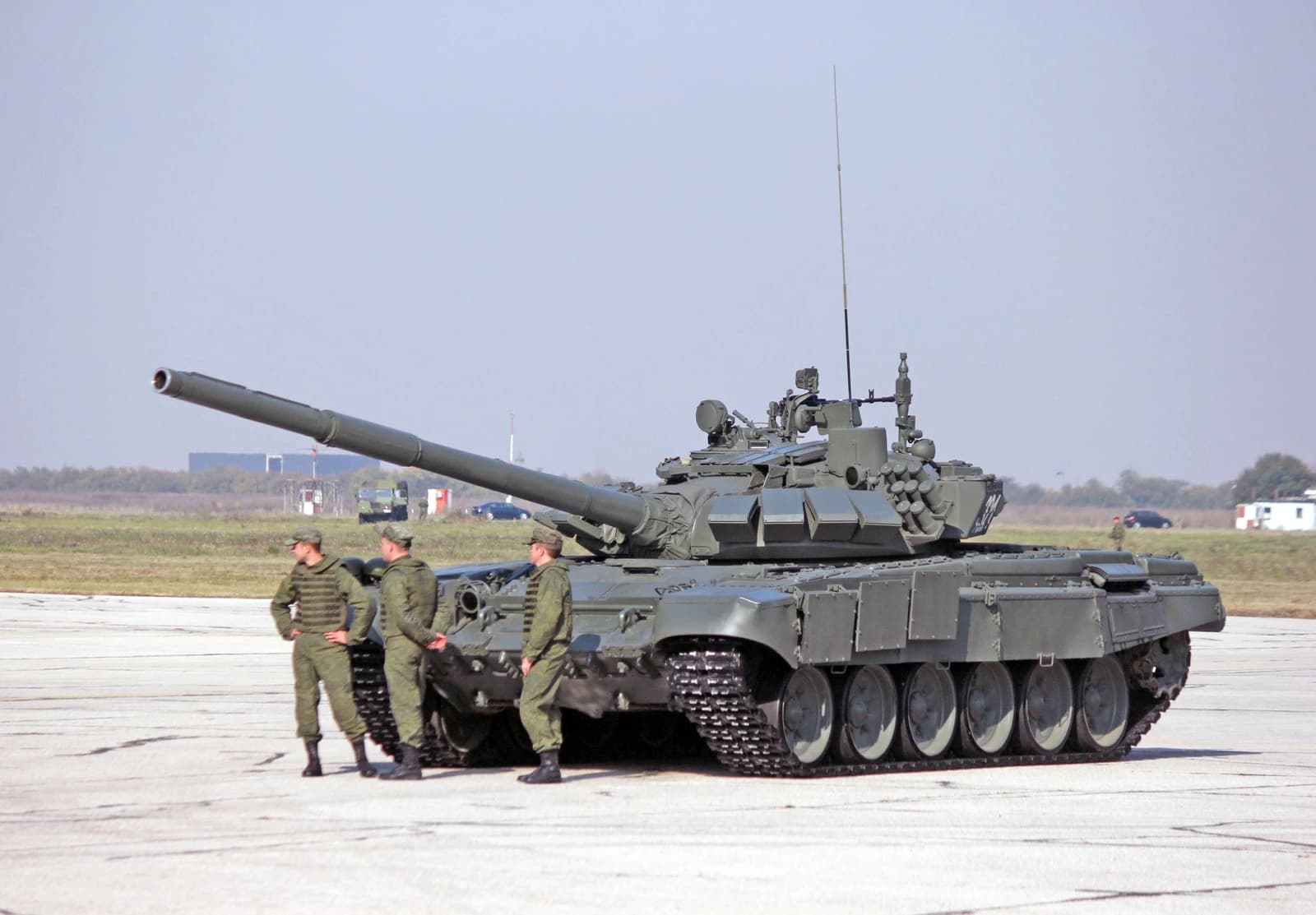
Russia may try to test NATO territory within months, not years, as European intelligence chiefs warn Moscow is stepping up sabotage planning, drone operations and other hybrid tactics that could hit critical infrastructure and force the alliance into a costly security response.
Russia sabotage risk raises Europe defense demand
The warning matters economically because it raises the risk premium across Europe at a time when governments are already spending more on defense, energy security and border protection. It also threatens transport hubs, power networks and industrial sites that underpin trade and output, while keeping pressure on already strained intelligence and security services.
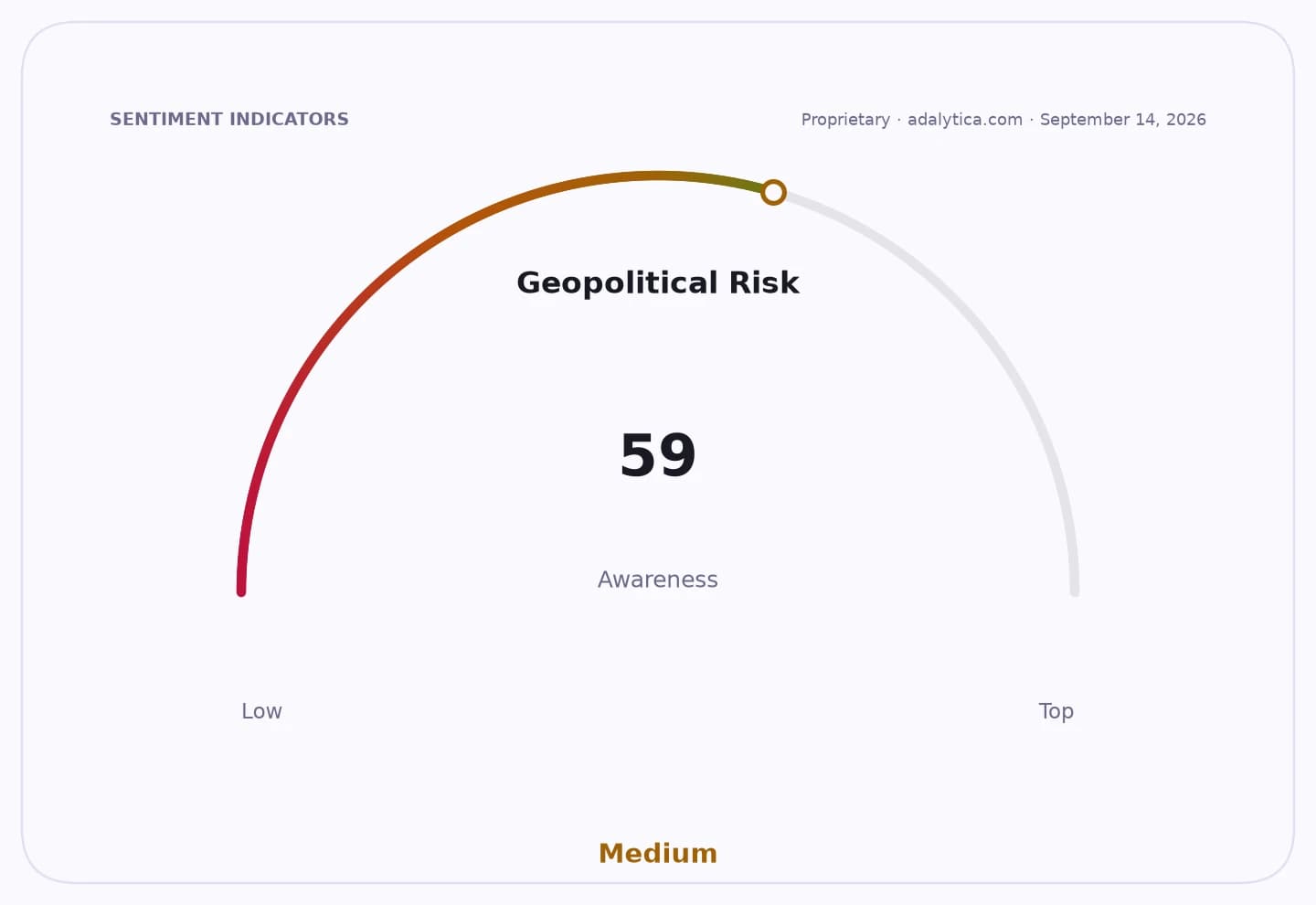
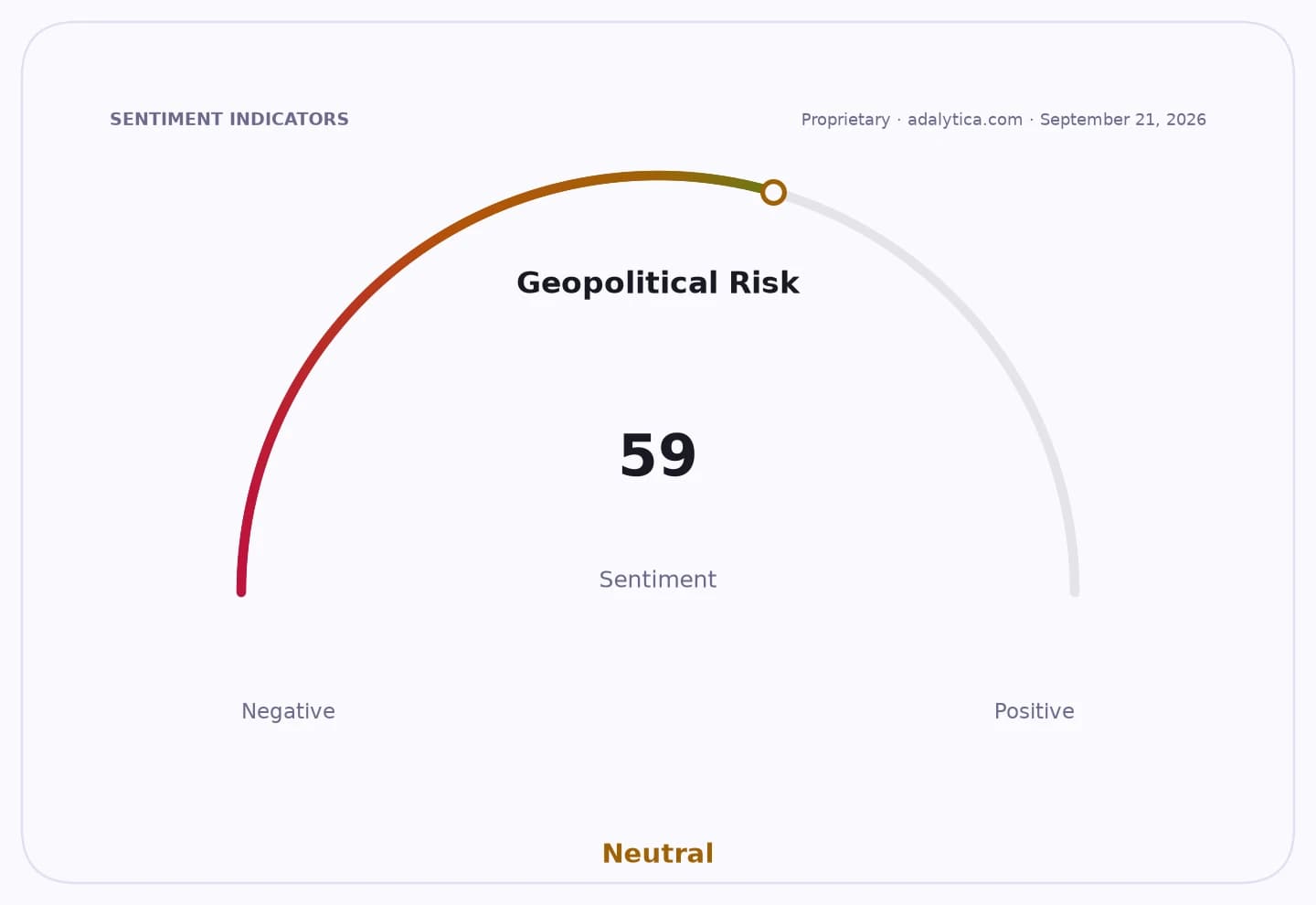
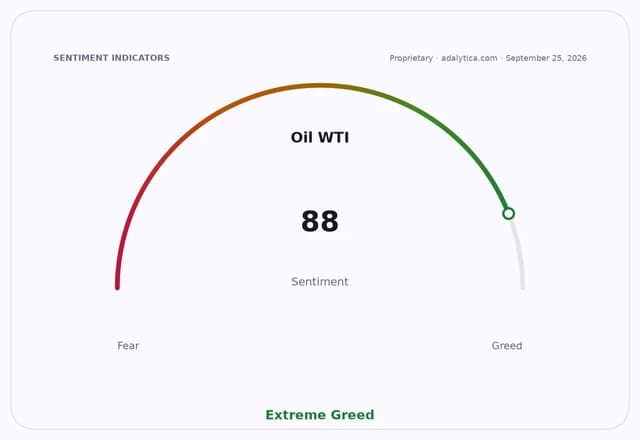
Sentiment IndicatorsⓘProprietary · adalytica.com · September 25, 2026
This is a snapshot — live sentiment, awareness and momentum for 130+ markets update continuously in the dashboard.Open AlphaPulse

Czech counterintelligence chief Michal Koudelka said the Kremlin could resort to a limited incursion, false-flag provocations or a mass influence campaign, and put the timeline at “months, not years.” Latvian security chief Normunds Mežviets said Moscow is preparing for something, though not necessarily an imminent strike, while Sweden’s Thomas Nilsson said Russia appears to want to expand its sabotage campaign.
The comments follow a German assessment that an armed drone sent toward Leipzig airport was linked to Russia, an incident Nilsson called a turning point because it showed how a single attack on a busy European airport could cause casualties or damage vital infrastructure. Koudelka said such campaigns also drain intelligence resources, forcing governments to spend more on surveillance, counter-drone defenses and resilience.
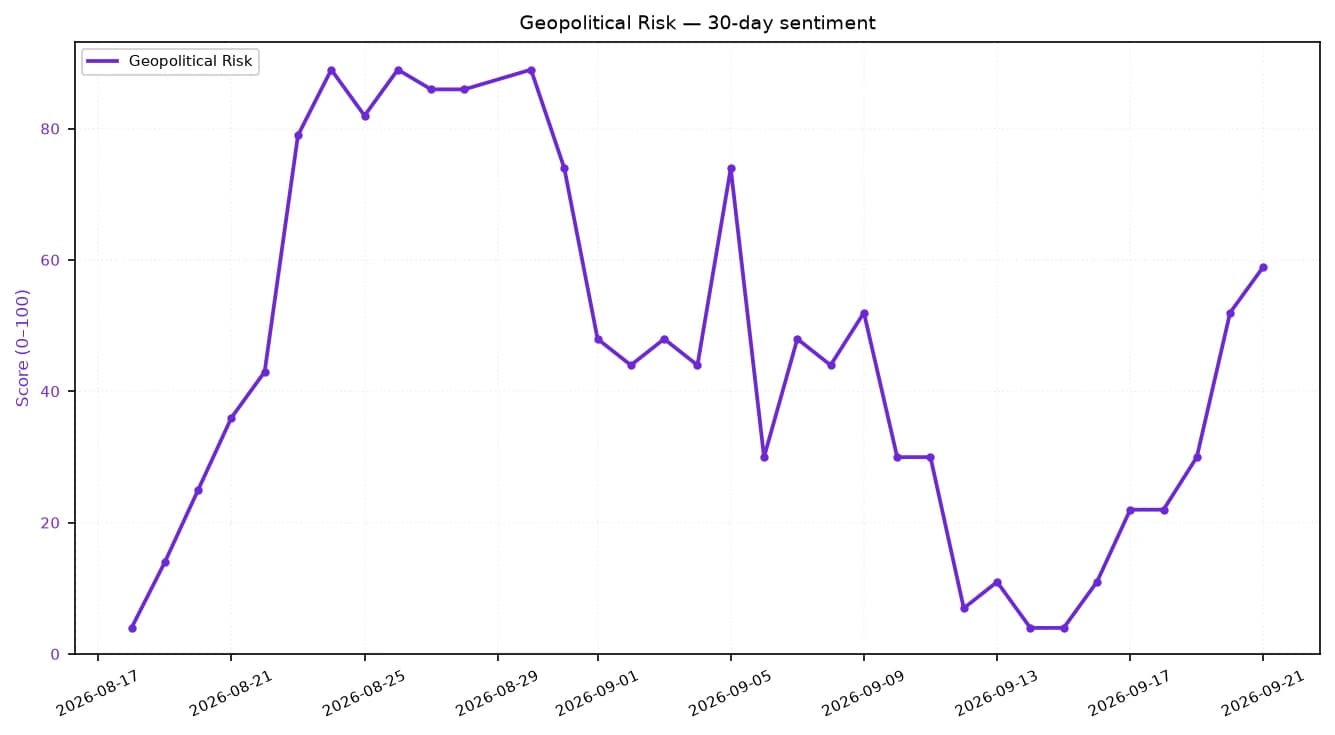
Geopolitical Risk — 30-day sentimentadalytica.com
Explore this data interactively — full history, time series and cross-market comparisons.Open AlphaPulse
For investors, the immediate implication is higher demand for defense contractors, cybersecurity groups and companies tied to border protection and critical infrastructure hardening. The flip side is greater risk for airlines, logistics firms, utilities and industrial operators across Europe, especially in the Baltics and other NATO front-line states.
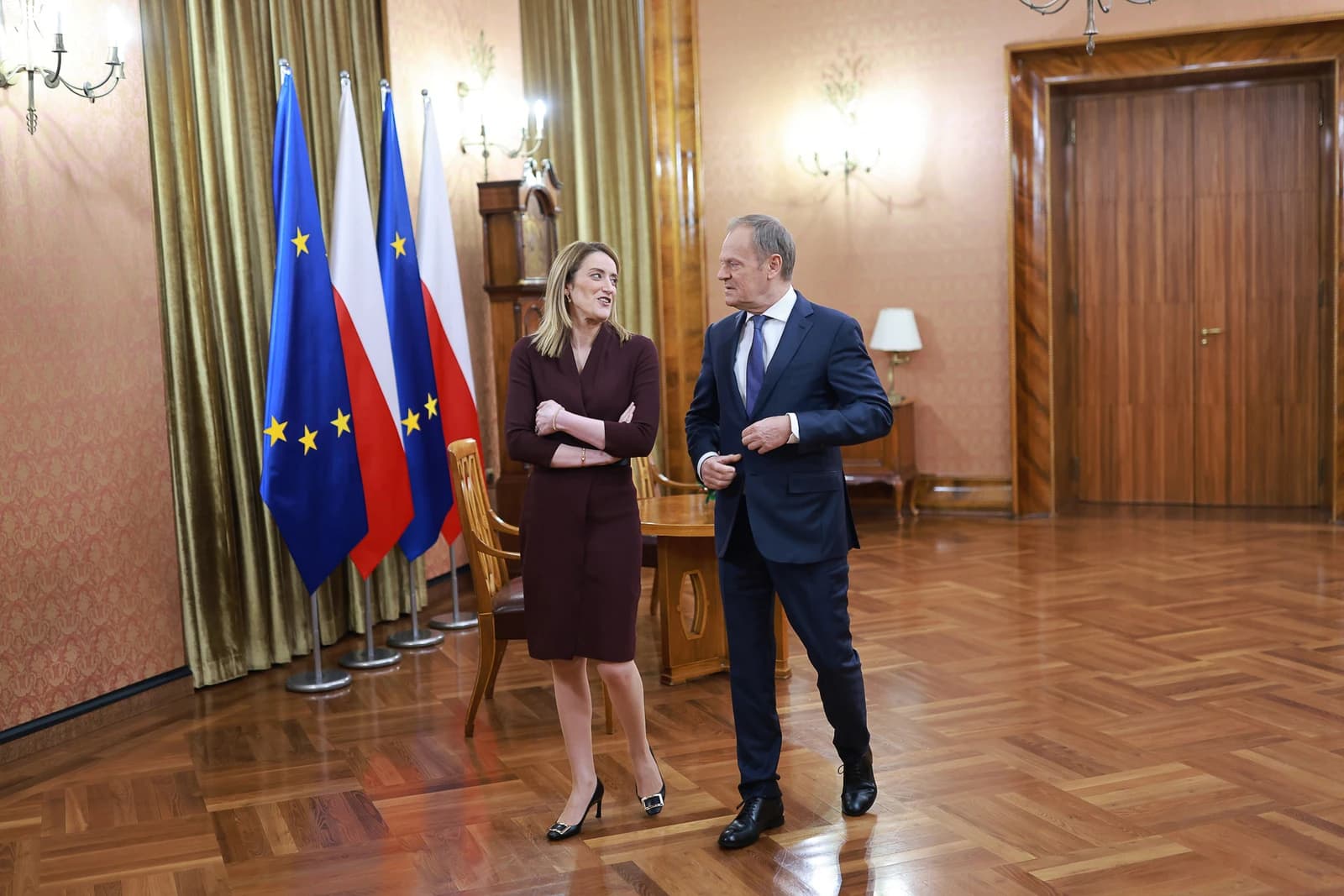
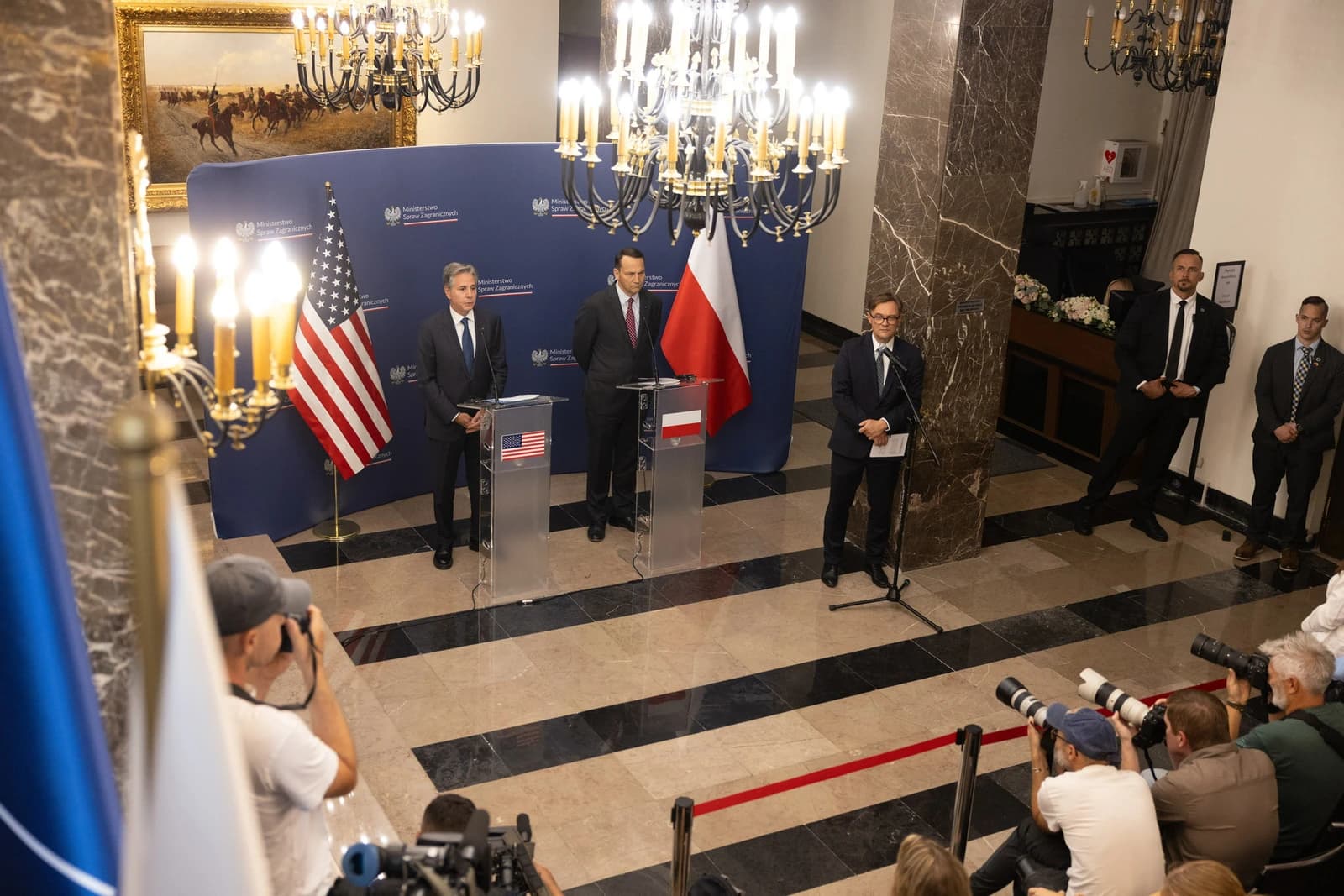
The geopolitical backdrop is reinforcing those concerns. Polish Prime Minister Donald Tusk has warned that Russia could launch drone or missile attacks on NATO territory in the coming months to expose the alliance’s Article 5 commitment, and French President Emmanuel Macron has backed those warnings as well founded. NATO’s recent welcome for the US-Denmark Greenland deal underscores how the alliance is still trying to tighten deterrence as it prepares for a more dangerous security environment.
Adalytica’s Global Stability Sentiment gauge sits in neutral territory at 46, but awareness is in fear mode at 22 after a 24-point jump in seven days, suggesting the market is increasingly alert to the risk of escalation. Oil trade signals are also flashing extreme greed, a sign that investors are already pricing in more geopolitical disruption and possible supply shocks.
The key catalyst now is whether NATO responds with more visible deterrence measures, including air defense, counter-drone systems and rapid-response planning, or whether Moscow keeps probing with deniable attacks that stop short of open conflict. Either way, the message from Europe’s intelligence chiefs is that the window for escalation is short, and the cost of being unprepared is rising.
| Entity | Gains | Losses |
|---|---|---|
| NATO defense firms | ▲Higher spending demand | ▼Budget uncertainty |
| European governments | ▲Stronger deterrence case | ▼Higher security costs |
| Russia | ▲Pressure on NATO resolve | ▼Greater sanctions risk |
| Airlines, utilities, logistics firms | ▲— | ▼Sabotage and disruption risk |