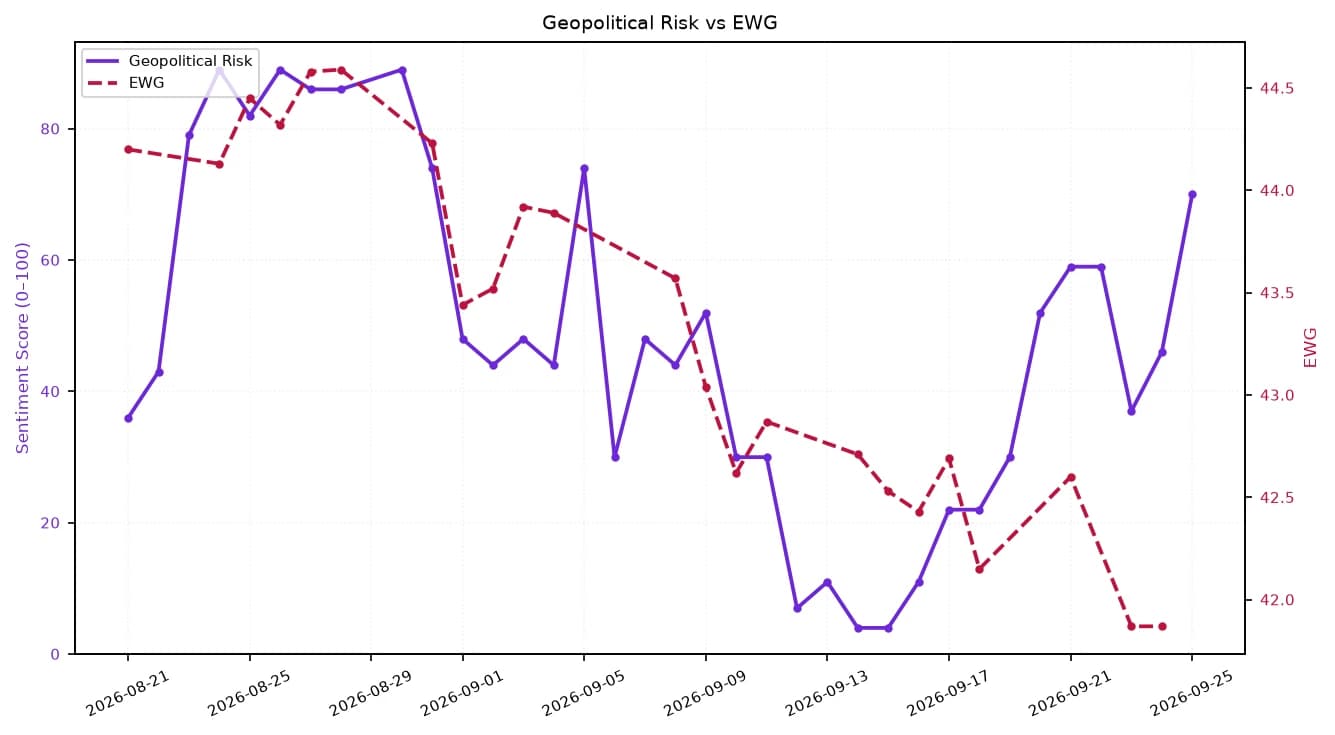
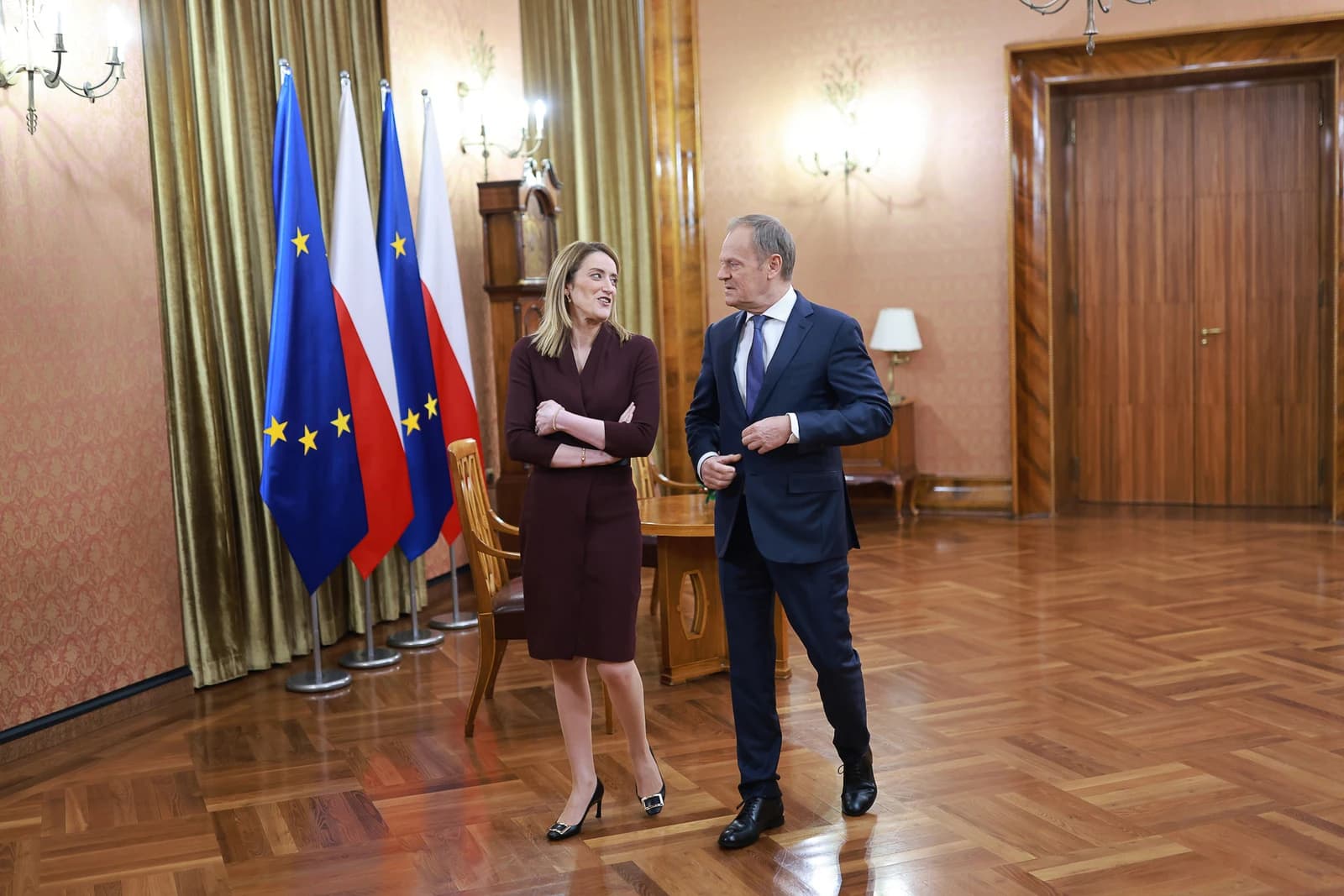
Russia is spending billions on disinformation to push Poles against the West and Ukraine, and that makes Poland’s role in Europe’s security architecture more economically and strategically important for investors.
Poland, NATO East Flank Defense Spending Rises
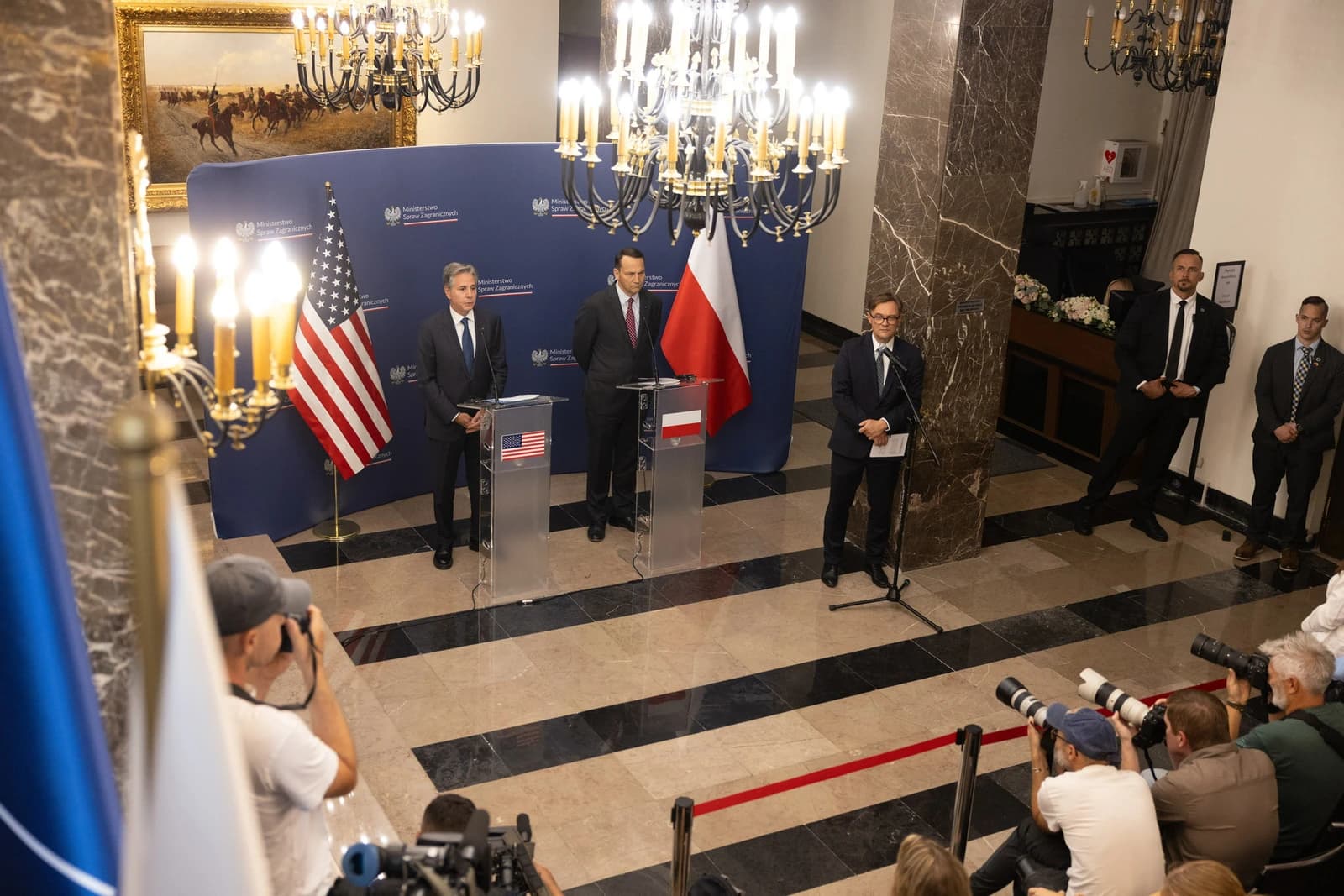
The message from Foreign Minister Radoslaw Sikorski is blunt: Moscow is not just fighting on the battlefield, it is trying to fracture the political consensus that has made Poland one of Ukraine’s most important backers and one of NATO’s most exposed eastern-flank states. For markets, that matters because the more Russia escalates pressure near Poland’s border, the more defense spending, border security and military logistics become durable budget priorities across Central and Eastern Europe.
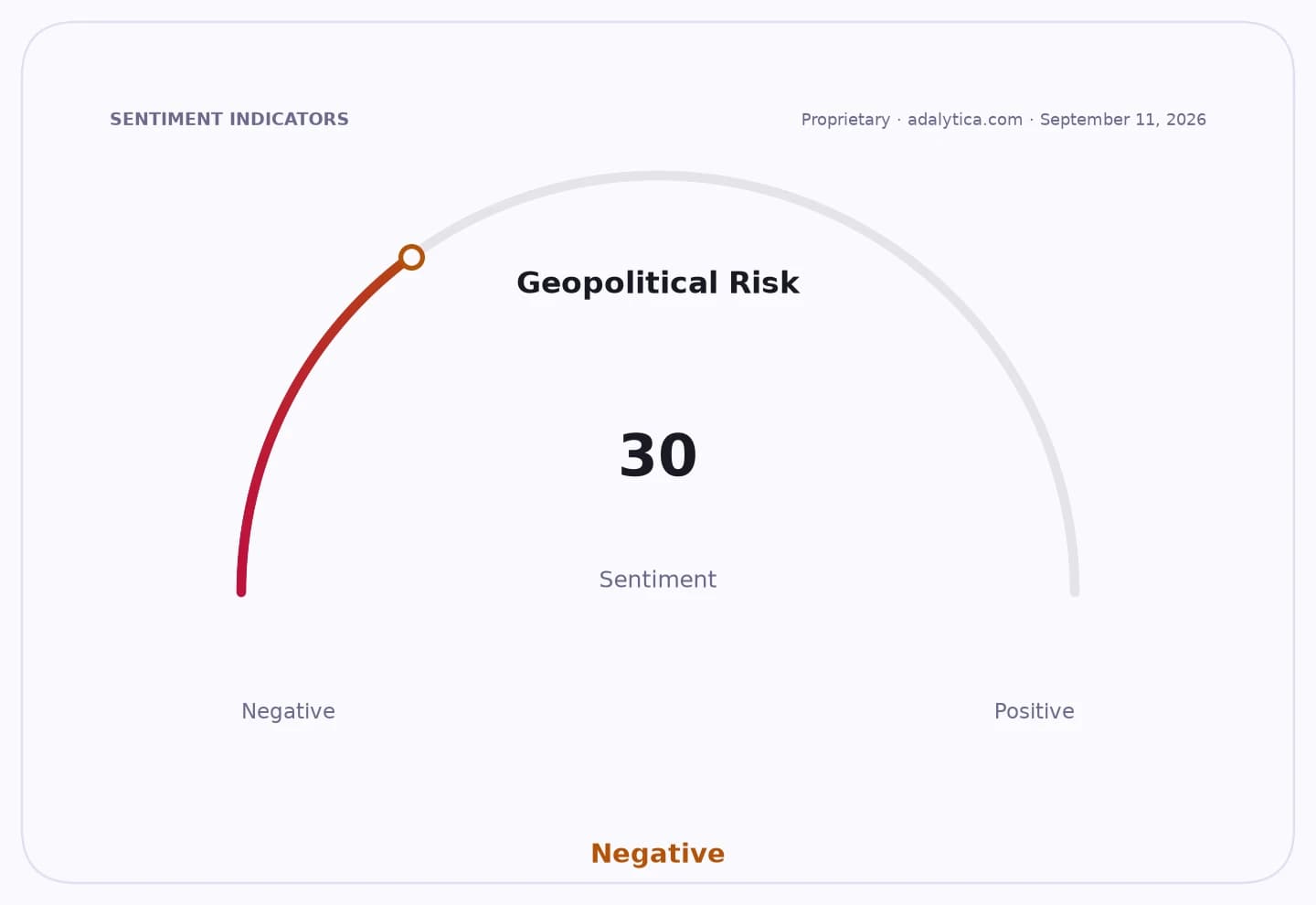
Sentiment IndicatorsⓘProprietary · adalytica.com · September 25, 2026
This is a snapshot — live sentiment, awareness and momentum for 130+ markets update continuously in the dashboard.Open AlphaPulse
Sikorski framed the choice for Poland as whether it stands with those fighting an aggressor or slips into accommodation with Russia. He said Ukraine is helping keep Russian forces away from Polish borders, underscoring a view that has growing policy and market consequences: the war is no longer a distant conflict, but a direct driver of procurement, infrastructure and deterrence spending inside NATO.
That is where the investment case gets asymmetric. Europe’s rearmament cycle is still early, and the market continues to underprice the second-order beneficiaries of a more militarized eastern flank — defense contractors, missile makers, surveillance providers, drone and counter-drone systems, and logistics and industrial firms tied to military readiness. The latest warning from Warsaw reinforces that spending on air defense, ammunition, command systems and border hardening is becoming structural, not episodic.
Poland has already signaled it is preparing a larger military aid package for Kyiv, and Sikorski has said Warsaw should be ready for further incidents. That combination points to a multi-year tailwind for European defense names and U.S. suppliers with NATO exposure. It also raises the strategic premium on energy security, transport corridors and critical infrastructure protection, all of which become more valuable as Russia leans harder on hybrid tactics.
The market is also likely to keep rewarding countries and companies that sit on the front line of deterrence. Poland’s defense buildup supports local industrial capacity, but it also strengthens the case for global contractors such as RTX, Lockheed Martin and Northrop Grumman, while broadening demand for the kinds of systems that can intercept drones, protect borders and keep supply lines open. In parallel, logistics and industrial players tied to Eastern Europe may see rising demand as governments harden facilities and routes.
The bigger narrative is that Russia’s campaign is not only a geopolitical threat — it is a capital-allocation catalyst. The more Moscow tries to split Poland from the West and Ukraine, the more it pushes Europe toward higher and longer defense spending. Investors should treat that as a buy signal for the defense and security supply chain, not as a temporary headline.
| Entity | Gains | Losses |
|---|---|---|
| Poland / NATO east flank | ▲Higher defense budgets | ▼Greater security risk |
| Defense contractors | ▲More orders | ▼None short-term |
| Ukraine | ▲Continued Polish support | ▼Political pressure from disinformation |
| Russia | ▲Short-term propaganda leverage | ▼Long-term NATO rearmament |