Ukraine’s worsening budget gap is turning into a direct test of how far Western military aid can be stretched — and that makes the war economy, not just the battlefield, the key market story now.
Ukraine budget gap lifts defense spending outlook
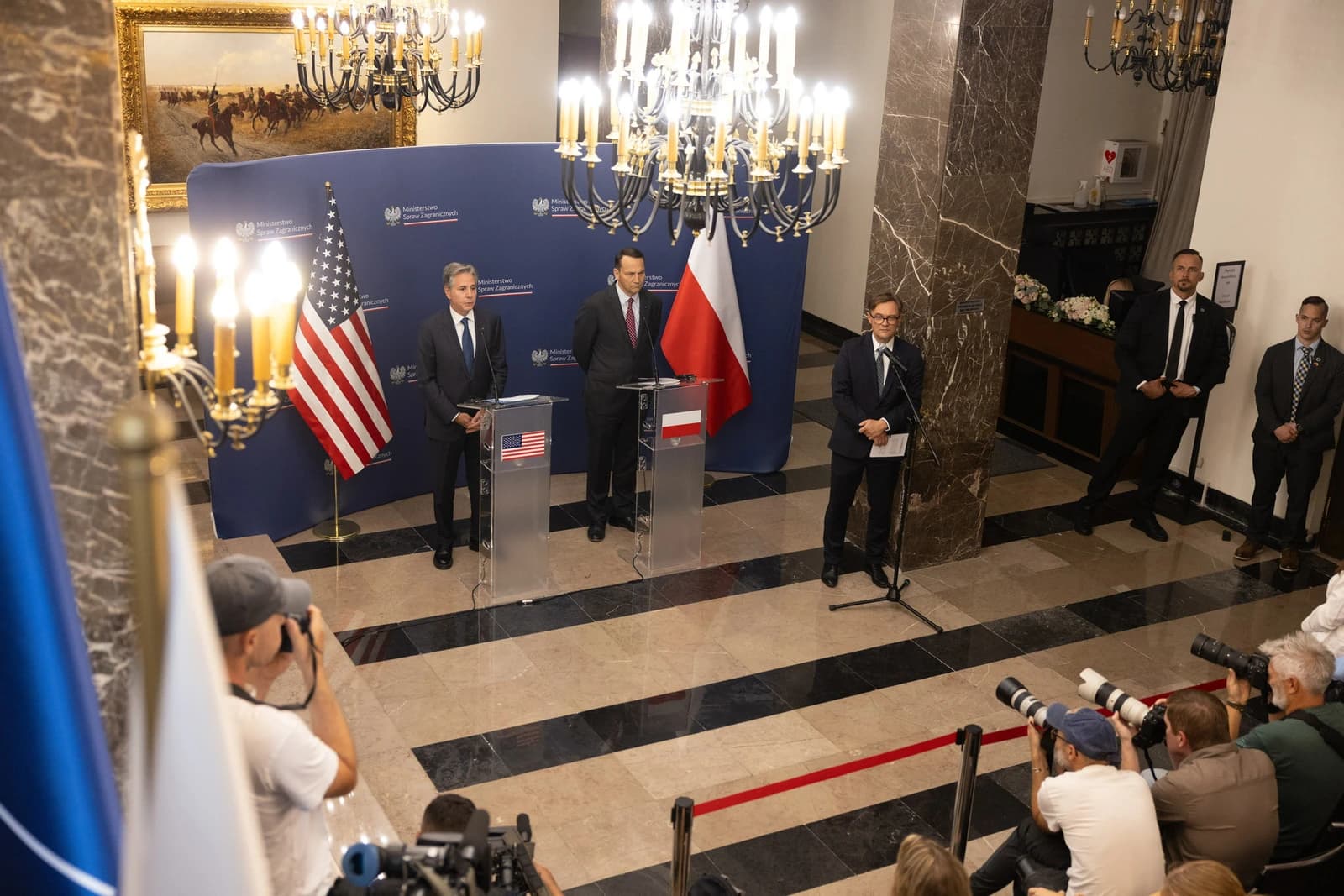
Kyiv is confronting its most severe fiscal squeeze since Russia’s 2022 invasion, with Finance Minister Serhiy Marchenko warning the deficit could reach as much as $32.6 billion. That scale of shortfall is large enough to force delays in non-military spending and, more troubling for the war effort, threatens army pay as early as October if fresh financing does not arrive. In other words, Ukraine’s ability to keep fighting is increasingly a function of cash flow, not just weapons flow.
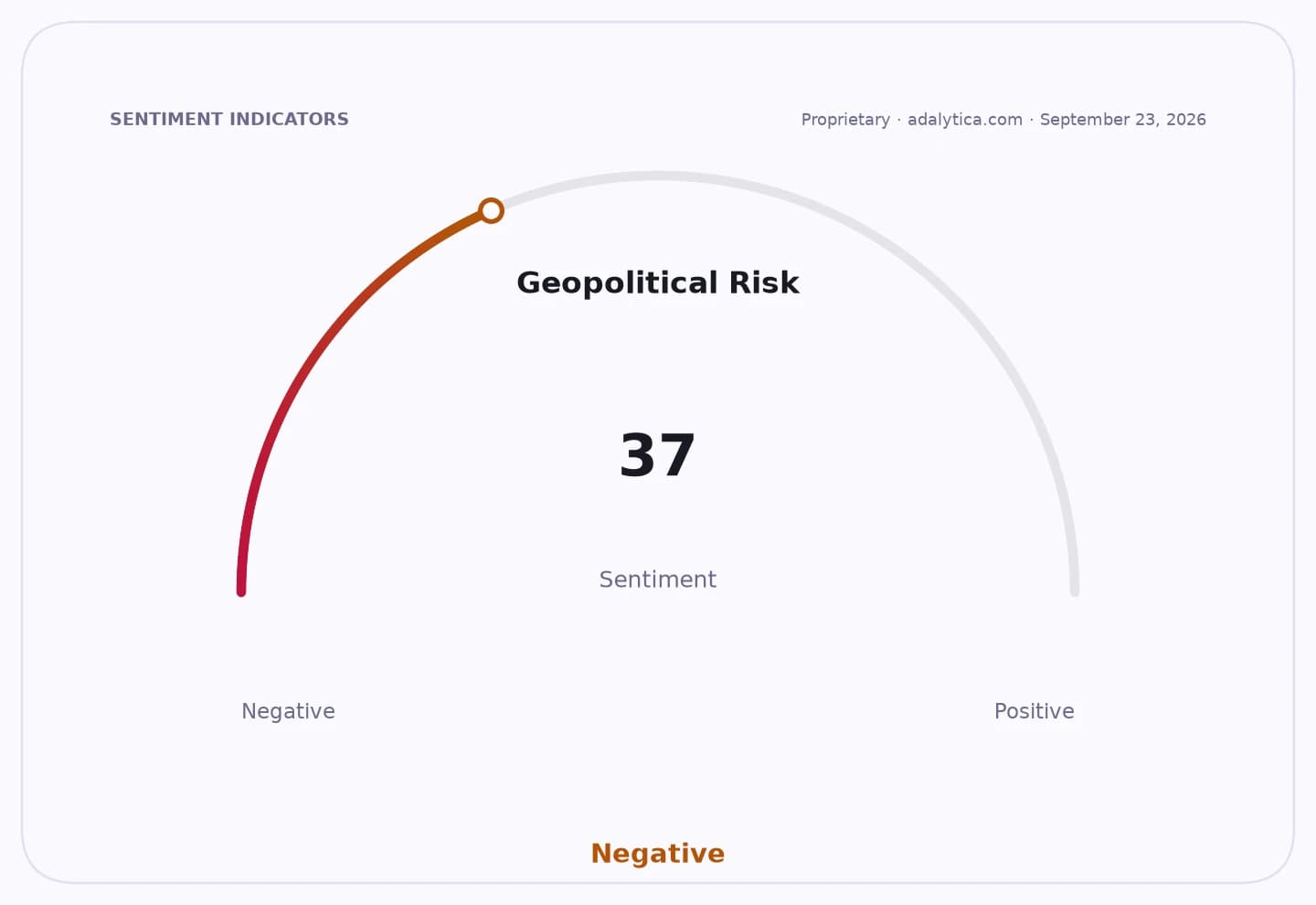
Sentiment IndicatorsⓘProprietary · adalytica.com · September 8, 2026
This is a snapshot — live sentiment, awareness and momentum for 130+ markets update continuously in the dashboard.Open AlphaPulse
That is why the debate around aid is shifting from generosity to design. Sarah Knafo of Reconquest argues that “our spending undermines our defense,” yet still wants military aid to continue — a line that captures the political tension now building across Europe. For policymakers, the question is no longer whether to help Ukraine, but how to do it without blowing up domestic budgets, weakening social spending, or exhausting public patience. For investors, that is a signal that defense appropriations in Europe and the U.S. are likely to stay elevated even if rhetoric around Ukraine support becomes more constrained.
The economic stakes are bigger than one country’s wartime balance sheet. Ukraine’s fiscal hole risks pushing more of the burden onto the EU, where officials are again under pressure to seize frozen Russian assets or expand emergency financing. If those options stall, the fallback is more sovereign support from member states — which tends to favor defense contractors, logistics firms and ammunition suppliers, while adding stress to bond markets and budget-sensitive sectors. The war’s financing structure has become a capital-allocation story for Europe.
That is where the investment asymmetry becomes clearer. U.S. and European defense names remain the obvious beneficiaries of continued aid flows and replenishment spending. Lockheed Martin, Northrop Grumman and RTX sit closest to the munitions, air defense and missile systems that Ukraine and NATO allies keep demanding, while the broader supplier base should keep seeing order support as inventories are rebuilt. By contrast, sectors exposed to tighter public finances — from consumer-facing spending to rate-sensitive sovereign borrowers — face a less favorable backdrop if governments keep redirecting fiscal resources toward defense.
The market has already started to recognize that defense spending is not fading back to prewar norms. Lockheed Martin’s shares have climbed well above their 50-day moving average, while Northrop Grumman and RTX have also seen strong gains this year, even after recent pullbacks. That kind of price action suggests investors are still pricing a multi-year rearmament cycle, not a one-off Ukraine trade. Technical readings show recent volatility, but the bigger picture is unchanged: defense remains a secular capex theme, and Ukraine’s funding crisis is another reason that theme stays intact.
My view is simple: the market underestimates how much this war is now financed by fiscal improvisation, and that makes defense spending more durable than many expect. As Ukraine’s deficit widens and winter approaches, Europe will be forced to choose between larger aid commitments, creative asset seizures or politically costly austerity. None of those outcomes reduce demand for missiles, air defense and ammunition. If anything, they extend it. Investors should continue to favor the defense primes and their suppliers on weakness, because the next catalyst is not peace — it is more funding pressure and more procurement.
| Entity | Gains | Losses |
|---|---|---|
| Lockheed Martin / defense primes | ▲Higher order flow | ▼Budget uncertainty |
| Ukraine | ▲Continued military support | ▼Fiscal flexibility |
| EU governments | ▲Geopolitical leverage | ▼Domestic budget room |
| Taxpayers / welfare spending | ▲— | ▼More defense allocation |