Marine Le Pen and Jordan Bardella have sharply criticized Russia and backed continued support for Ukraine, a shift that matters because it narrows the political room in France for any abrupt break with Kyiv assistance while reinforcing calls to protect the country’s critical infrastructure from hybrid attacks.
France National Rally backs Ukraine aid, criticizes Russia
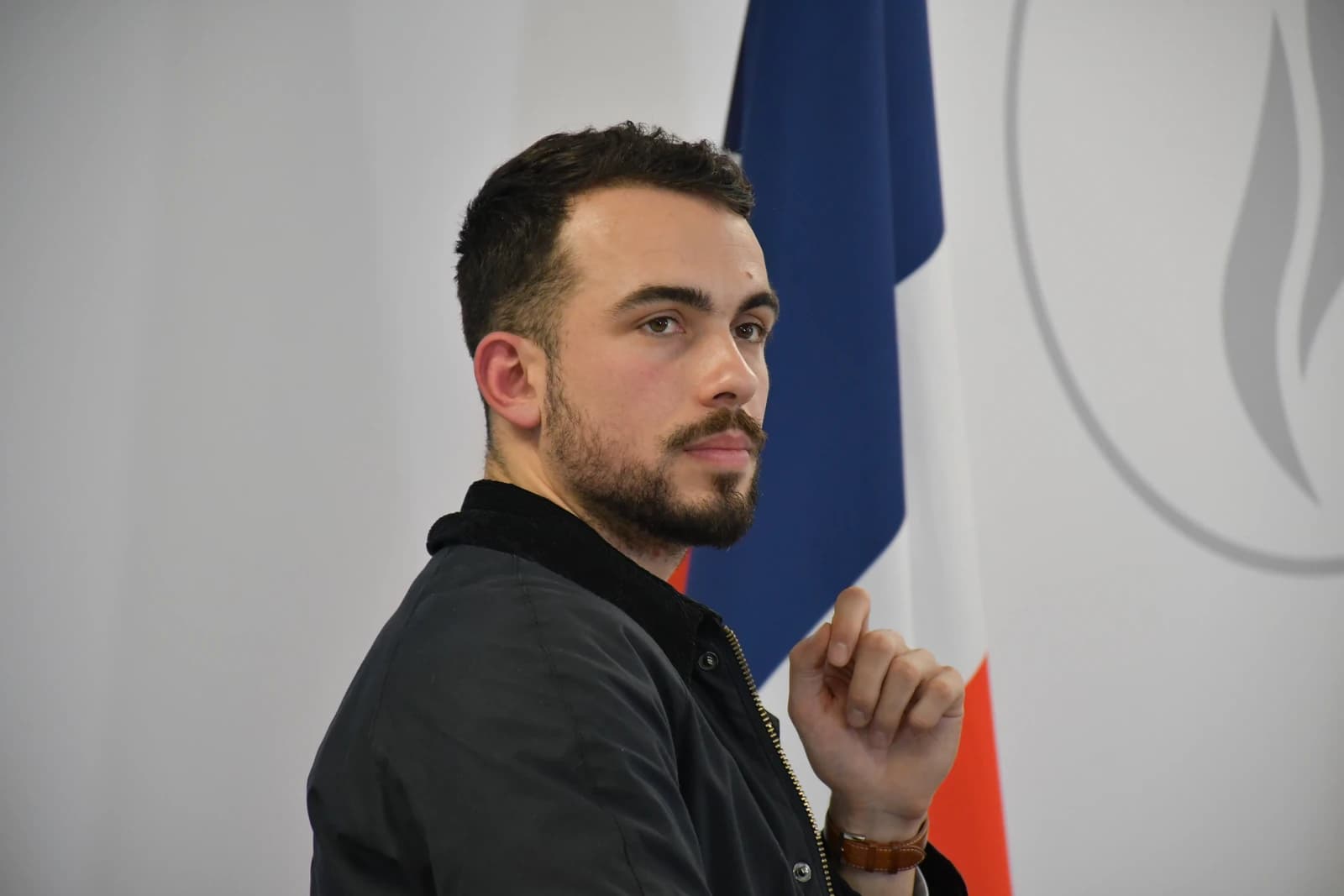
In a joint statement released after a meeting at the Elysee Palace, the leaders of the far-right National Rally said Moscow’s threats, covert operations and attempts at destabilization should not push Paris to serve Russian war aims in Ukraine. They also said France should debate the scale and terms of financial aid to Kyiv democratically, rather than under pressure from abroad.
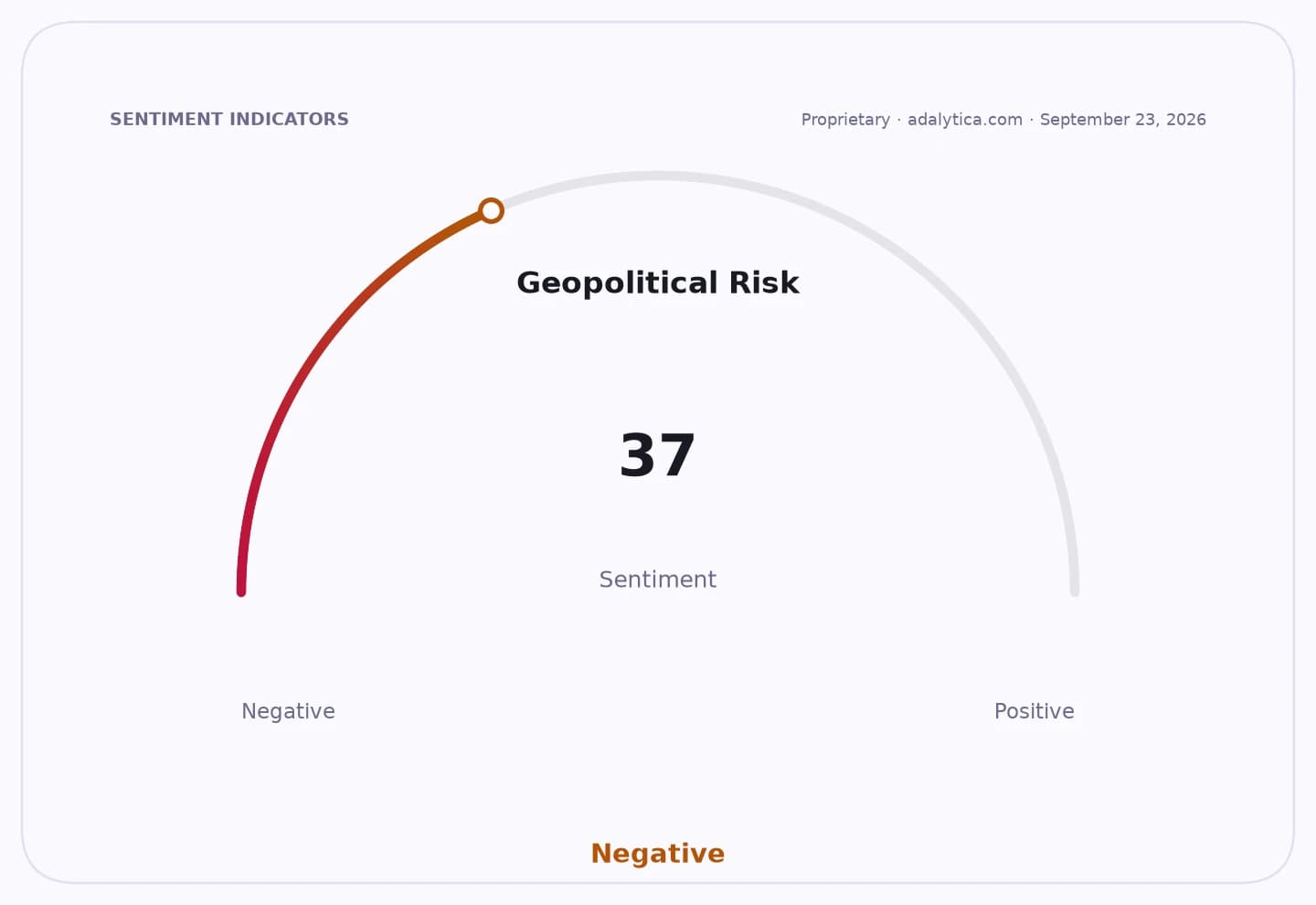
Sentiment IndicatorsⓘProprietary · adalytica.com · September 22, 2026
This is a snapshot — live sentiment, awareness and momentum for 130+ markets update continuously in the dashboard.Open AlphaPulse
The message is significant for investors and policymakers because National Rally has long been suspected by opponents of being softer on the Kremlin. A more overtly critical line reduces one source of political uncertainty in France, even if it does not resolve the broader debate over budget discipline and military spending.
That debate remains live. Bardella has previously argued that France should seek economic returns on military and financial aid to Ukraine, citing high public debt and a wide budget deficit. The latest position keeps that fiscal argument in play while stopping short of calling for an aid cutoff, a stance that could help RN appeal to voters wary of rising state spending without signaling a wholesale policy reversal.
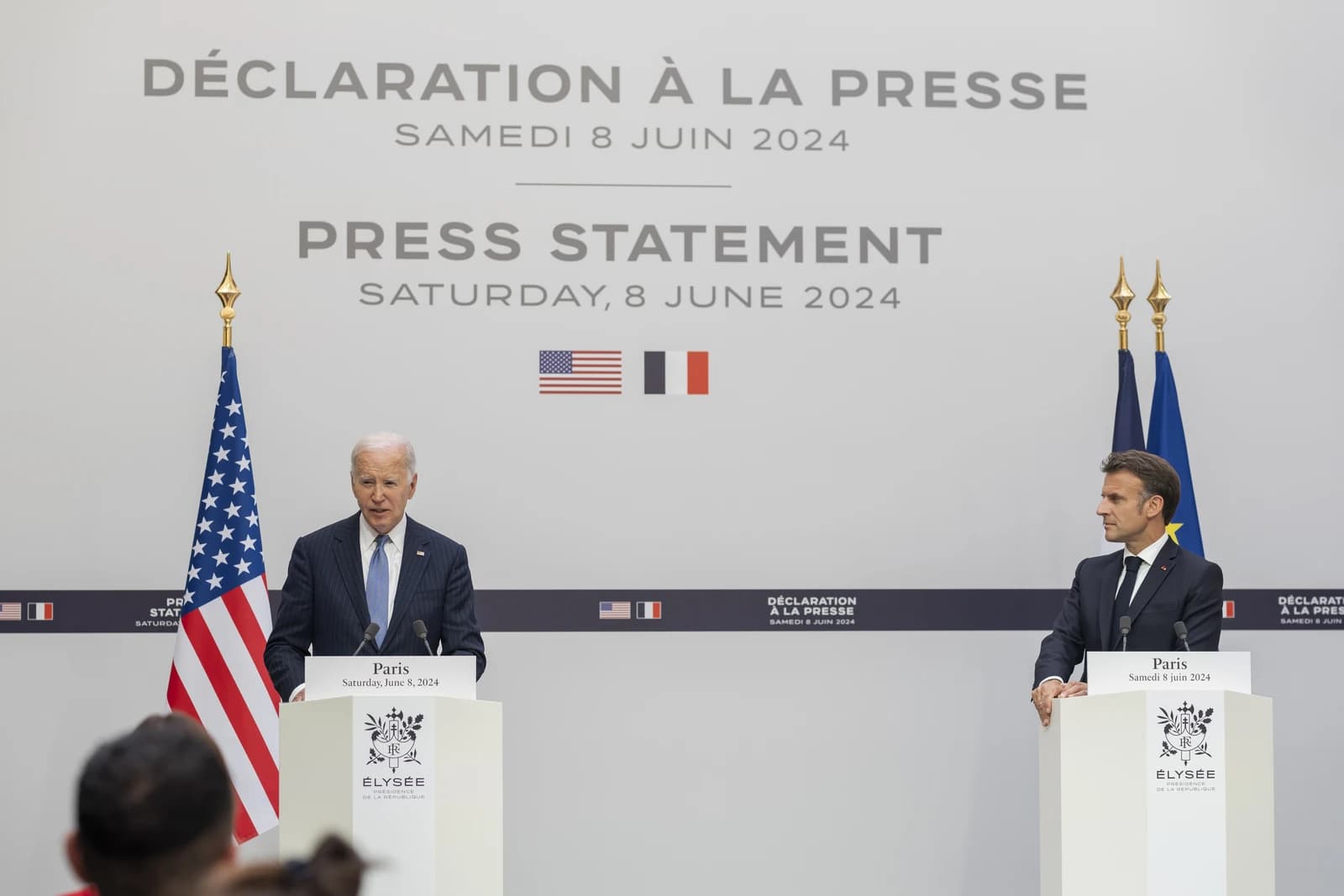
The statement also backed tougher protection for French strategic assets after President Emmanuel Macron ordered the government to prepare a plan against possible Russian hybrid attacks. That aligns France’s main opposition force with the Elysee on one of the most immediate economic risks from the war: disruption to infrastructure, energy assets, logistics and corporate operations.
RN’s warning comes as French political debate over Ukraine aid continues to sharpen. Louis Aliot, one of the party’s vice presidents, recently called for stopping support for Kyiv, drawing criticism from other parties and underscoring internal divisions inside RN over how far to go on Russia and Ukraine.
The issue has financial weight. According to the Kyiv School of Economics’ Ukraine Support Tracker, France has provided 26.2 billion euros in aid to Ukraine since the full-scale invasion, including 7.9 billion euros in direct bilateral support and 18.3 billion euros through EU programs. That averages about 6 billion euros a year, or roughly 4% of France’s annual budget deficit, making the war a real line item in domestic fiscal politics.
For investors, the key takeaway is that France’s support for Ukraine appears politically durable even as pressure builds for stricter scrutiny of costs. That lowers the risk of a sudden policy shock, but it leaves open the possibility of tougher conditions, more debate over burden-sharing and continued volatility around European defense, infrastructure and Russia-exposed businesses.
Adalytica’s Global Stability Sentiment gauge remains in neutral territory, though awareness of geopolitical risk is elevated, suggesting markets are still pricing in fragility rather than easing tension. The next catalyst is whether Macron’s anti-hybrid-attack plan turns into specific defense spending measures and whether RN continues to moderate its Russia stance as France moves deeper into budget and security debates.
| Entity | Gains | Losses |
|---|---|---|
| France’s defense sector | ▲More security spending | ▼Budget flexibility |
| Ukraine | ▲Aid remains politically viable | ▼Risk of tougher conditions |
| National Rally | ▲Broader centrist credibility | ▼Anti-Russia ambiguity |
| Russia | ▲Fewer signs of French political sympathy | ▼Greater Western unity |