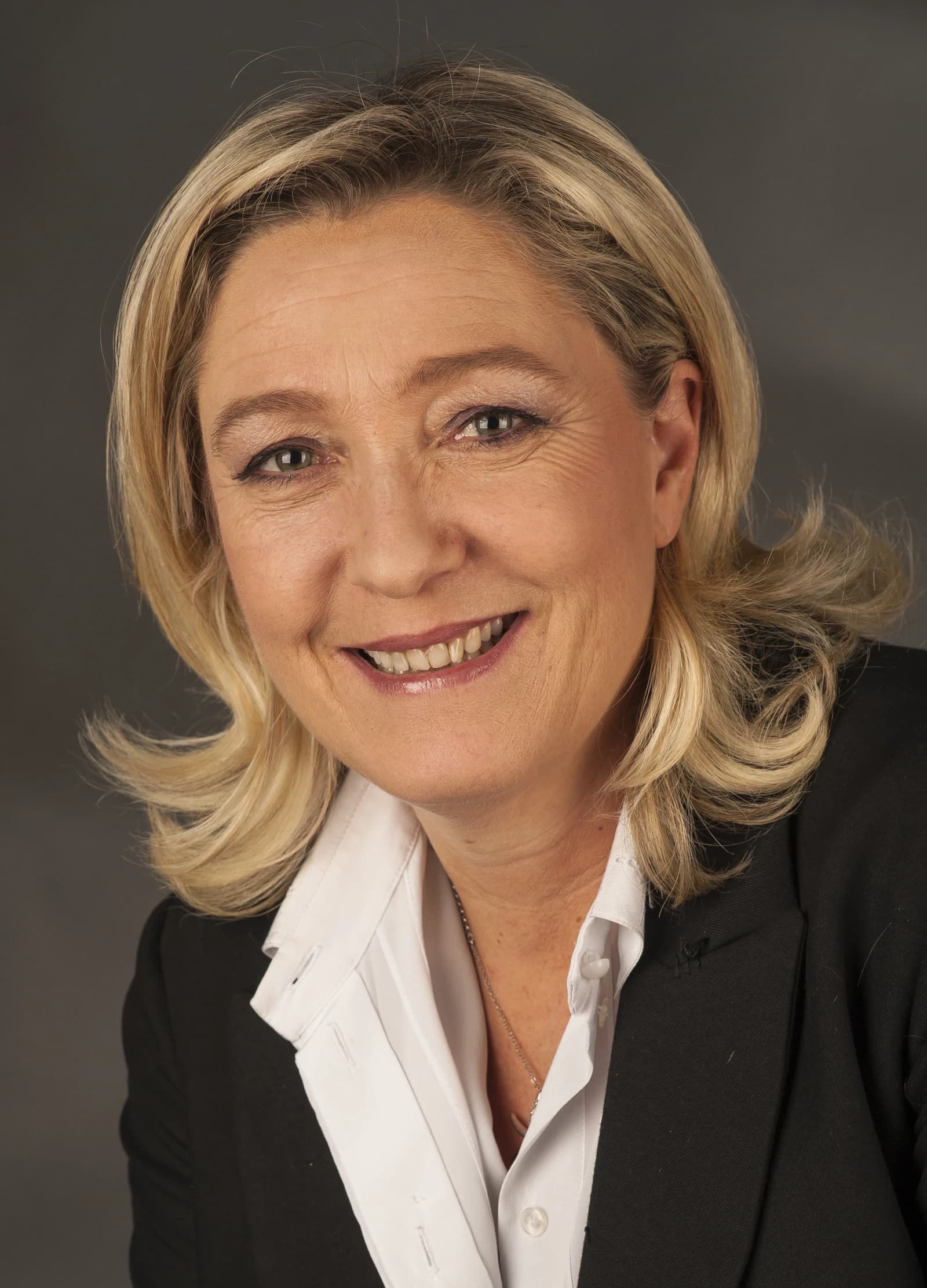
Marine Le Pen’s renewed push to end French financial aid to Ukraine is reigniting one of the most politically fraught questions in France’s election season: whether the far-right National Rally is prepared to back Kyiv or aligned too closely with Moscow.
France RN Pushes to End Ukraine Aid
The issue matters well beyond domestic politics because France is one of Europe’s core military and diplomatic powers, and any shift in its stance on Ukraine could ripple through EU sanctions, defense spending and investor views on geopolitical risk across the region.
Le Pen said on LCI that France can no longer fund Ukraine because of strained public finances, while insisting Paris could still train Ukrainian troops and supply equipment. Her line echoed remarks last week by RN deputy leader Louis Aliot, who called for the money “tap” to Ukraine to be shut off.
The comments triggered a sharp response from Foreign Minister Jean-Noël Barrot, who said the RN was “playing into the Kremlin’s hands” and warned that treating Kyiv and Moscow as equals was “irresponsible.” Former Prime Minister Gabriel Attal and centrist ally Édouard Philippe also attacked the party, reviving accusations over Le Pen’s past ties to Russia, including a 2017 Kremlin meeting and a Russian bank loan in the 2010s.
For investors, the direct market impact is less about immediate asset moves than about the policy path France could take if Le Pen or the RN gains more power. A harder line on Ukraine aid would raise questions over France’s commitment to European security, defense procurement and the durability of EU unity just as the war remains a central market risk factor for energy, currencies and sovereign spreads.
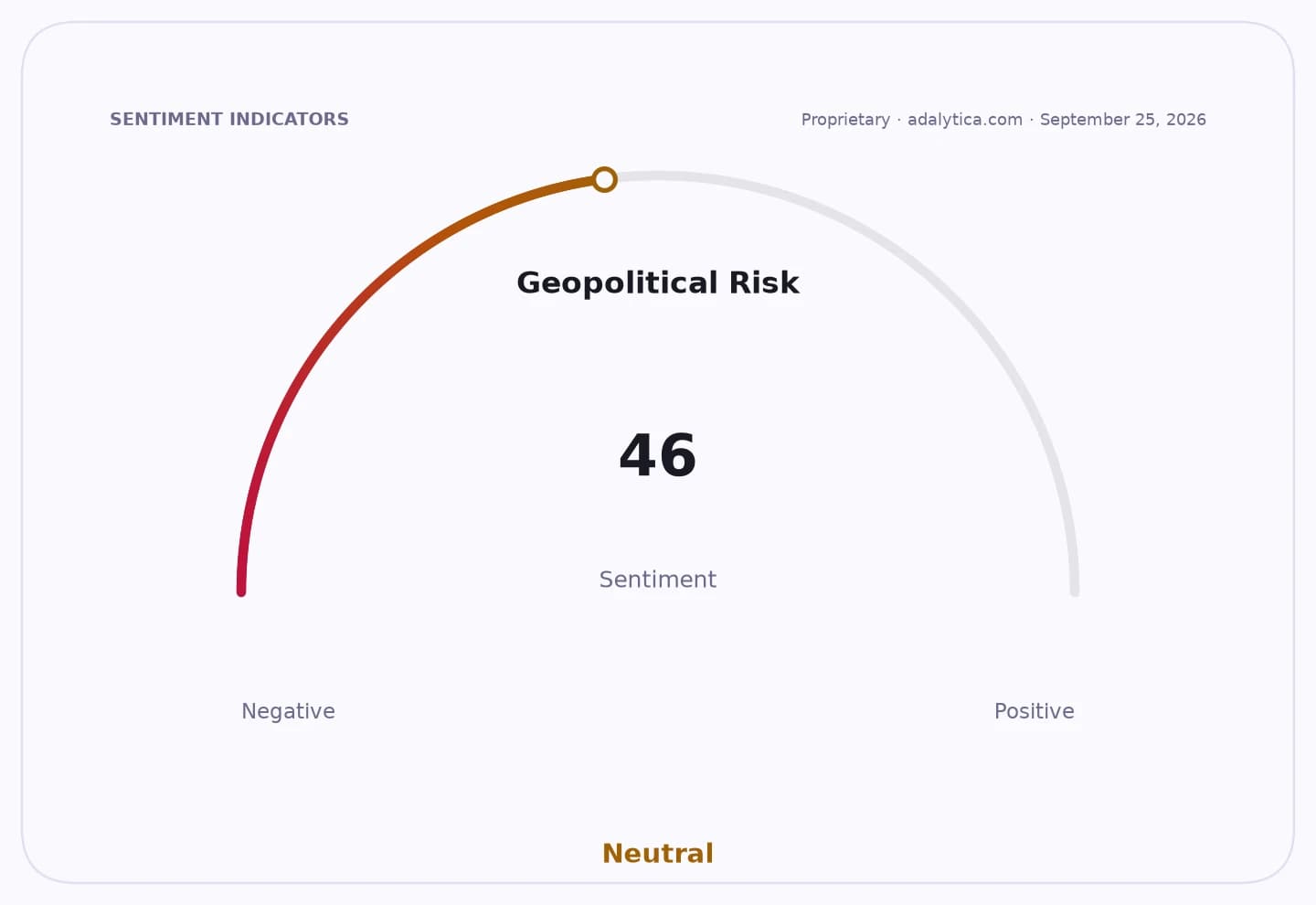
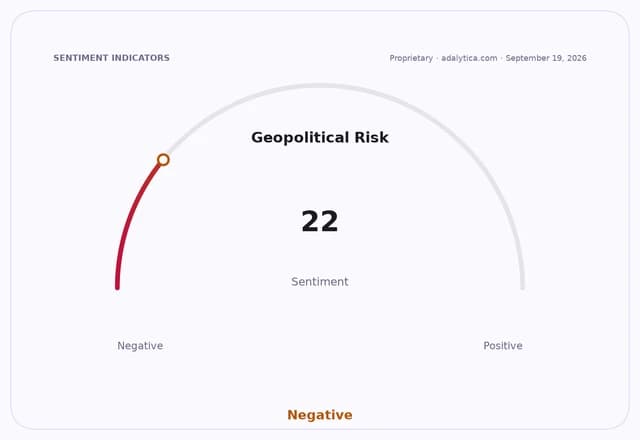
The broader backdrop is a continent already on edge over the conflict, with geopolitical risk gauges elevated even as attention shifts between Ukraine, sanctions and fiscal strain. The RN’s argument also taps into a domestic budget debate, pitting aid to Kyiv against pension and spending pressures at home.
Le Pen, the frontrunner in polls for next year’s presidential election, has long argued for a negotiated peace conference since Russia’s invasion. The next test is whether her party’s line on Ukraine hardens further in the campaign or is softened under pressure from rivals warning that France cannot afford to appear neutral between Moscow and Kyiv.
| Entity | Gains | Losses |
|---|---|---|
| RN / Marine Le Pen | ▲Fiscal-populist support | ▼Pro-Ukraine credibility |
| French government / centrists | ▲Foreign-policy contrast | ▼Political pressure on budget |
| Ukraine / EU hawks | ▲Continued aid and unity | ▼Funding uncertainty |
| Russia / Kremlin | ▲Diplomatic opening | ▼Isolation narrative |