Marine Le Pen, Bardella Rift Weighs on National Rally
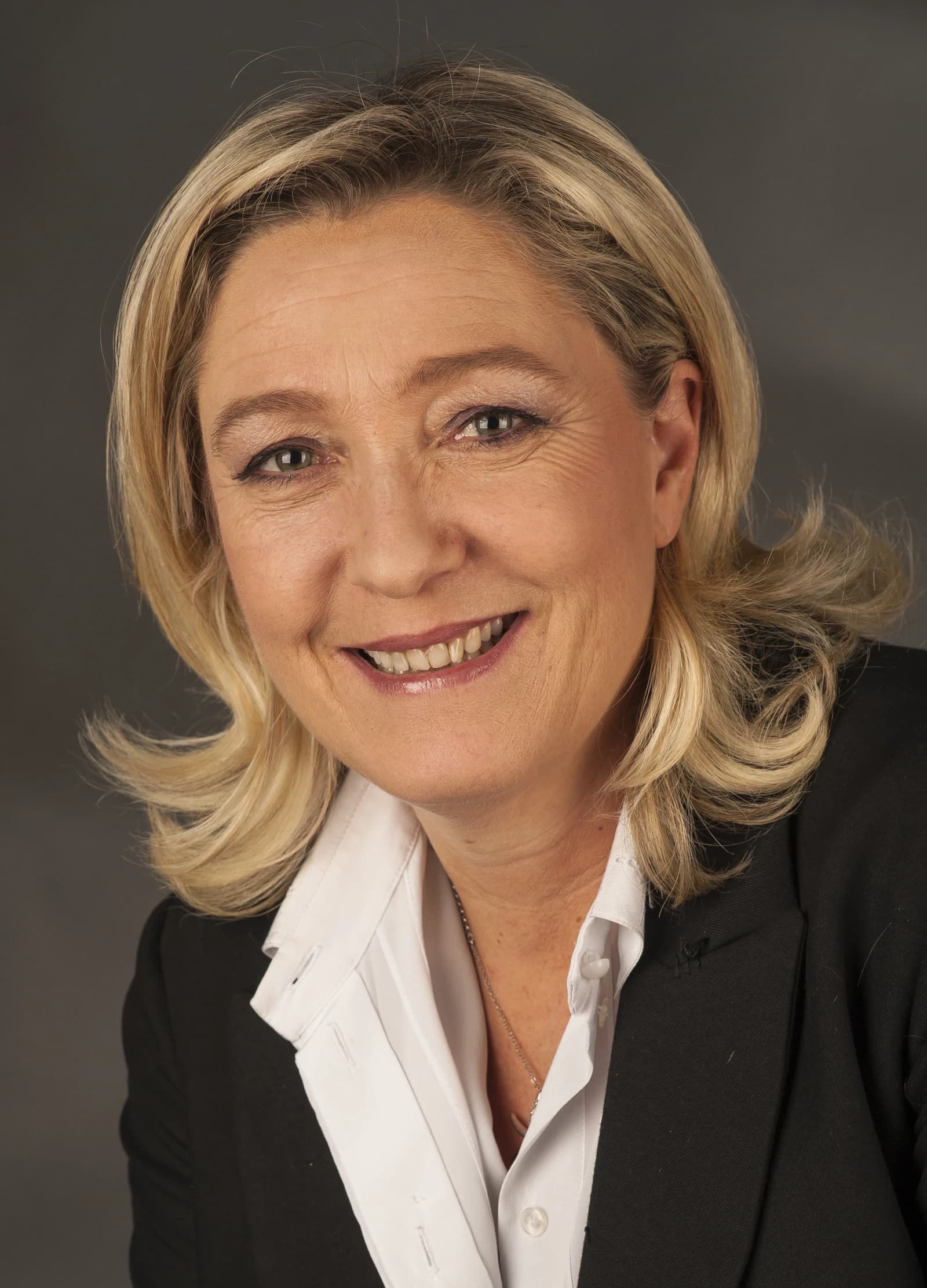
Marine Le Pen’s feud with Jordan Bardella is turning the French far right’s most important political asset — unity — into a liability, just as the National Rally remains the front-runner in the race for power.
That matters because the party is not fighting from weakness. Le Pen still leads first-round polling at roughly 31% to 34% and remains in contention to win a runoff. But in a country where presidential elections often hinge on discipline, image and the ability to broaden a base beyond core supporters, visible infighting can be costly. Investors watching France have learned that political instability quickly spills into markets, from government bonds to the euro, and a far-right campaign that looks fragmented raises the odds of policy uncertainty if the party gets closer to office.
The immediate problem is personal as much as political. Le Pen’s relationship with Bardella, her 31-year-old lieutenant and heir apparent, has been fraying since her legal troubles forced the question of succession. Bardella had prepared for a possible run of his own, then found Le Pen reasserting control after her July conviction in a European Parliament misuse-of-funds case, which did not bar her from running. Since then, she has pushed back hard against anything that looks like a parallel power center.
That clash has spilled into the party’s family network, which has long been one of its strengths and now looks like a source of tension. Le Pen moved to sideline François Durvye, a Bardella adviser who had tried to strengthen ties with business elites. Then came the return of Marion Maréchal, Le Pen’s niece and another potential contender for the movement’s future. Bardella has openly bristled at her influence, even warning the party to choose between them. For a movement that thrives on the appearance of certainty and hierarchy, that is not a small crack.
The policy differences matter too. Bardella has tried to soften or at least recalibrate parts of the party line, distancing himself from the push to ban the Muslim veil in public and from lowering the retirement age to 62. Those moves may be aimed at making the RN more acceptable to conservative voters and business interests, but they also expose a deeper question: is the party a disciplined protest force built around Le Pen, or a broader governing machine that can survive succession?
For investors, the answer will matter well beyond the campaign. A more market-friendly RN, if it ever reached power, could look less disruptive on some economic issues than its older populist image suggested. But a party entering the final stretch divided between Le Pen loyalists, Bardella loyalists and family rivals would face a harder path to credibility with voters, coalition partners and markets alike. France does not need another source of political noise, and the National Rally appears to be generating one on its own.
The bigger takeaway is that Le Pen’s best chance to win has always depended on making her movement look inevitable and orderly. The more the campaign looks like a family business in open dispute, the more it invites doubt about whether the far right is ready to govern — and whether investors should prepare for a cleaner path to power, or a messier one.
| Entity | Gains | Losses |
|---|---|---|
| Marine Le Pen | ▲tighter control | ▼party cohesion |
| Jordan Bardella | ▲profile as successor | ▼freedom to define strategy |
| Marion Maréchal | ▲reentry into RN politics | ▼Bardella’s support |
| French markets | ▲clearer outcome if unity returns | ▼higher uncertainty from infighting |