Populist politics is taking a beating across the US, Europe and Latin America, and investors are treating the turn as more than an electoral curiosity: a weaker populist right could mean less tariff risk, fewer confrontations with central banks and a steadier policy backdrop for markets.
Populist setbacks ease tariff risk for markets
S&P 500
The clearest signal is the Republican setback in the US midterms, where Democrats took both chambers of Congress. That outcome lands after a run of losses for populist leaders and parties elsewhere, from Viktor Orban’s defeat in Hungary to setbacks for Flávio Bolsonaro in Brazil and Aleksandar Vucic in Serbia, while Nigel Farage’s Reform UK has also given back support in the polls.
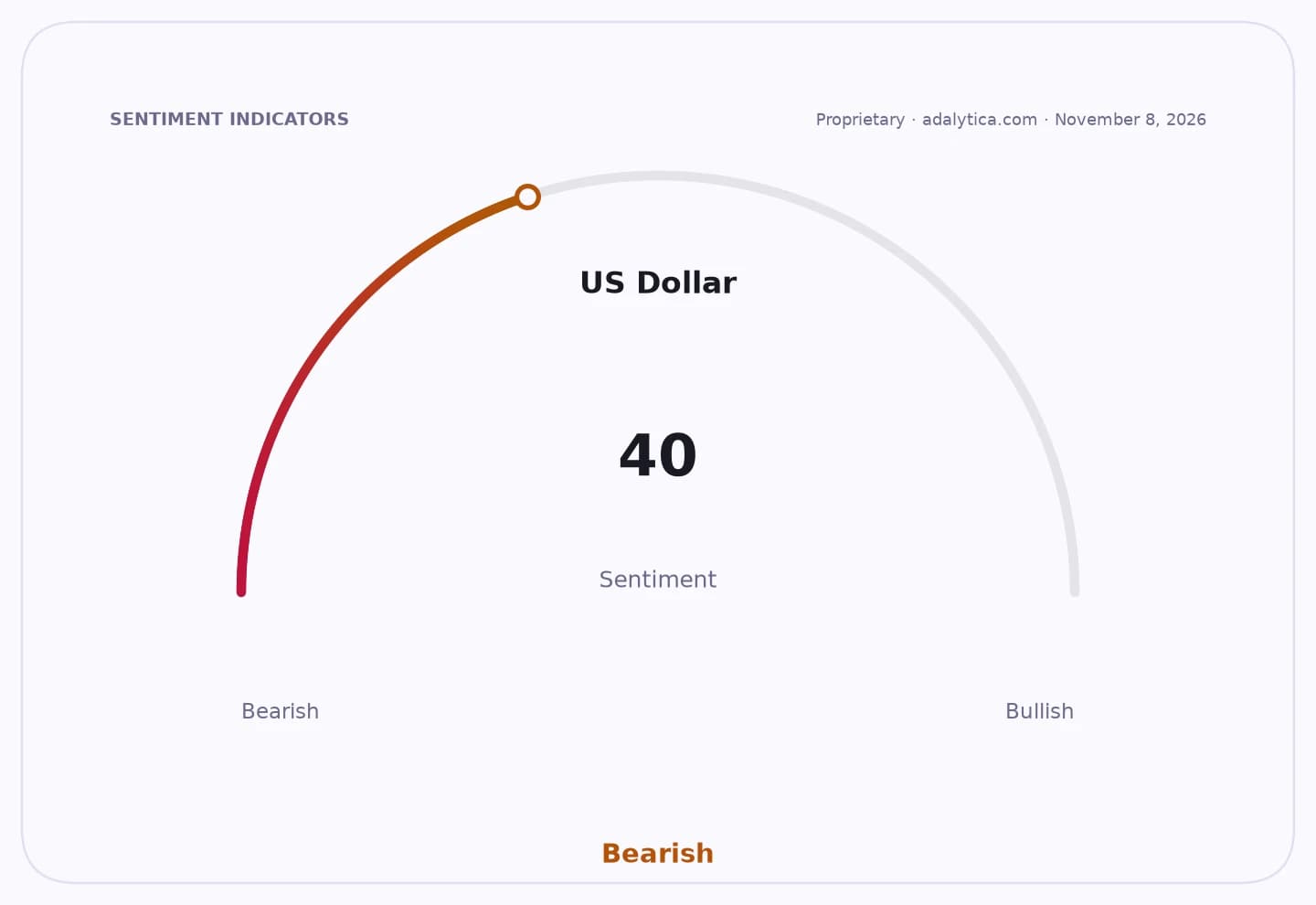
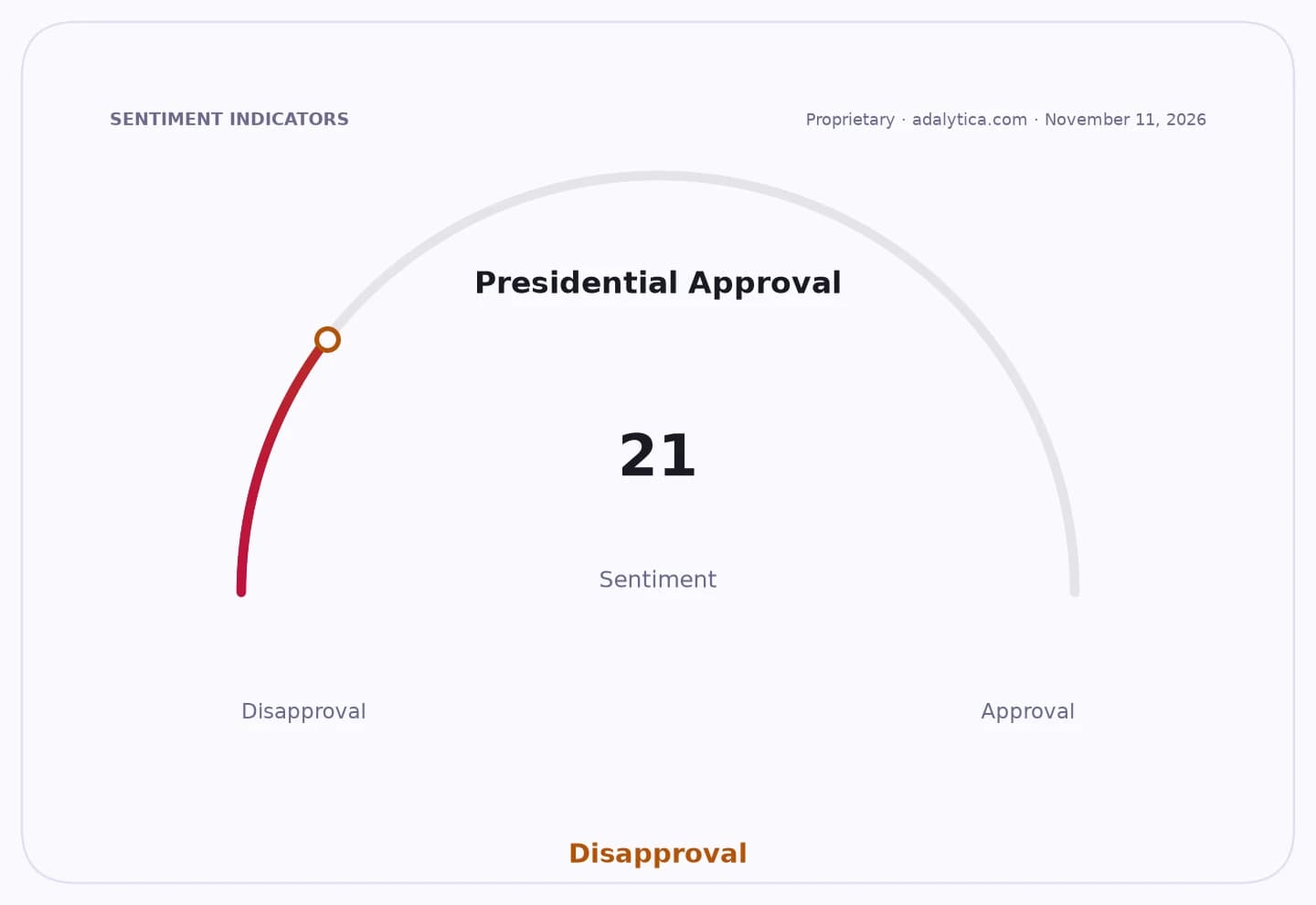
Sentiment Indicators
For investors, the economic relevance is straightforward. Populist campaigns often thrive on anti-establishment economics — tariffs, fiscal expansion, pressure on institutions and hostility to technocrats — all of which can lift volatility in bonds, currencies and equities. Trump’s own politics were especially tied to tariff rhetoric, and the loss of congressional control reduces the odds of another sharp turn in Washington that would unsettle trade, inflation and Federal Reserve expectations.
That matters at a time when the US economy is cooling but not breaking. The latest data show unemployment around 4.1% to 4.2% and CPI still running above the Fed’s comfort zone, leaving markets sensitive to any policy shock that could push inflation higher or delay rate cuts. A more divided Congress typically lowers the odds of sweeping fiscal or trade surprises, which tends to favor duration assets, multinational earnings visibility and broader risk appetite.
Equity markets have already been leaning in that direction. The S&P 500 ETF SPY has recovered to about 752.69 after a sharp drawdown earlier this year, with its 200-day moving average at 727.99 and RSI readings back in the low 40s, while Adalytica’s S&P 500 snapshot shows sentiment at 60 with awareness at 95, implying traders are highly focused on the shift.
Brazil’s EWZ has been far more volatile, but the broader message is similar: the fund dropped to 32.61 from 42.59 earlier in the period, underscoring how political disappointment can quickly hit country risk premiums. China’s FXI is steadier, but it too reflects how markets are rotating toward policy predictability over ideological disruption.
The narrative linking these events is not that populism is finished, but that its easiest route to power is becoming harder to sustain when voters are reacting to inflation, institutional fatigue and economic uncertainty. If that pattern holds into the next round of elections, investors may continue to reward governments that look predictable, market-friendly and less inclined to upend trade and monetary policy.
| Entity | Gains | Losses |
|---|---|---|
| Mainstream parties | ▲More stable governing coalitions | ▼Populist challengers |
| Equities and bonds | ▲Lower policy shock risk | ▼Tariff and inflation volatility |
| Exporters and multinationals | ▲More predictable trade policy | ▼Protectionist rhetoric |
| Populist leaders | ▲Little immediate gain | ▼Electoral momentum |