The clearest verdict from the 2026 midterms is that voters still like growth, but they dislike the price of getting it.
U.S. Growth, Inflation, and Tariffs Shape Markets

The U.S. economy is expanding at a solid clip — gross domestic product grew at a 3.4% annualized pace in the third quarter, topping forecasts — yet households are still grappling with sticky inflation and the extra costs that tariffs can pass through to store shelves. That mismatch between a strong headline economy and a strained consumer is exactly the kind of environment that can trigger a political backlash, and it helps explain why Trump’s economic message ran into resistance.
Sentiment Indicators
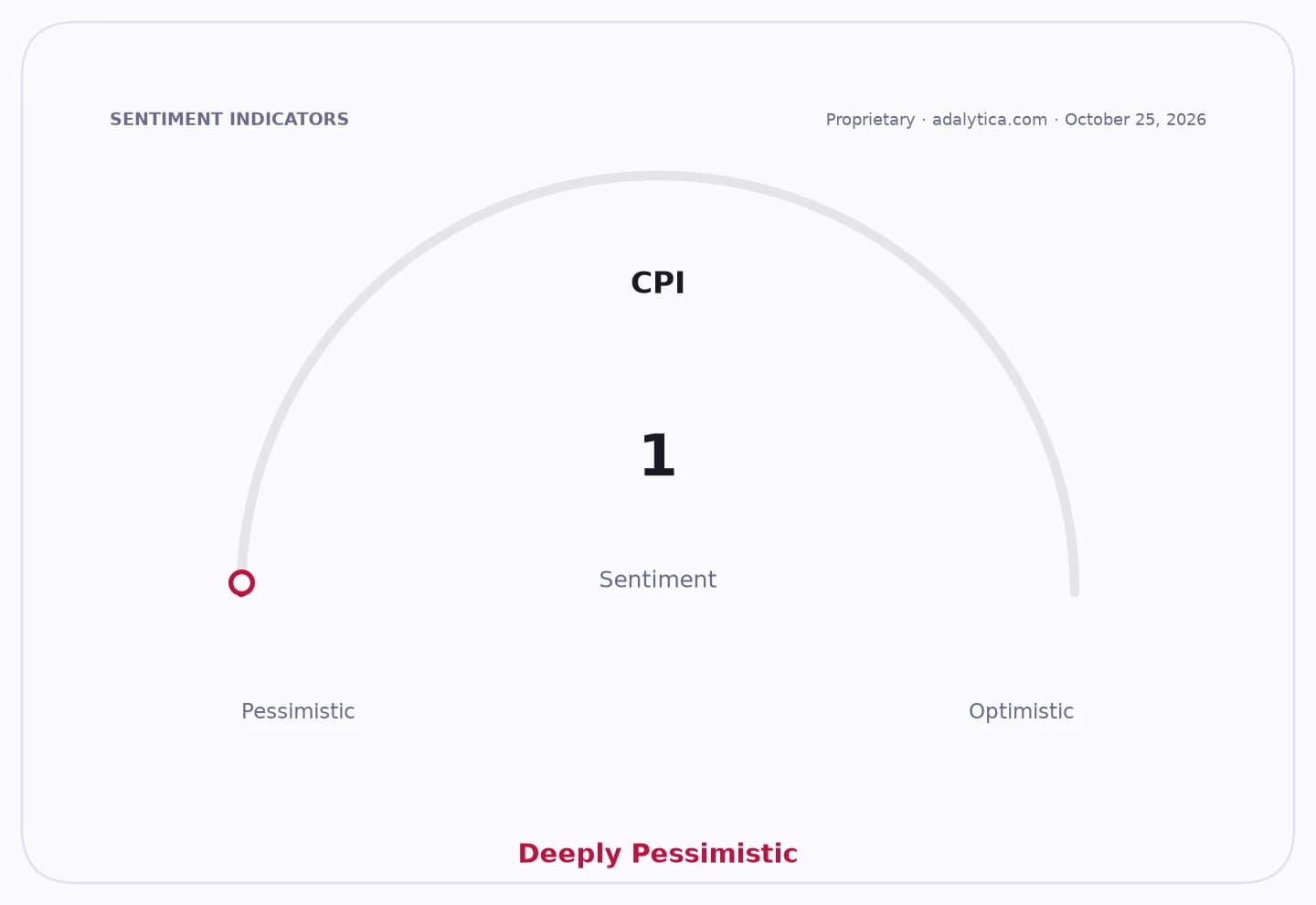
CPI
That tension matters far beyond election-night headlines. For investors, it is a reminder that markets do not trade on GDP alone. They trade on margins, borrowing costs, consumer demand and whether inflation stays high enough to keep the Federal Reserve cautious. The 10-year Treasury yield, at about 4.85% in the latest readings, shows that the bond market still demands a meaningful premium for inflation risk. High-yield credit spreads, while not in crisis territory, have also widened from earlier lows, signaling that lenders are becoming a little less forgiving about the economic outlook.
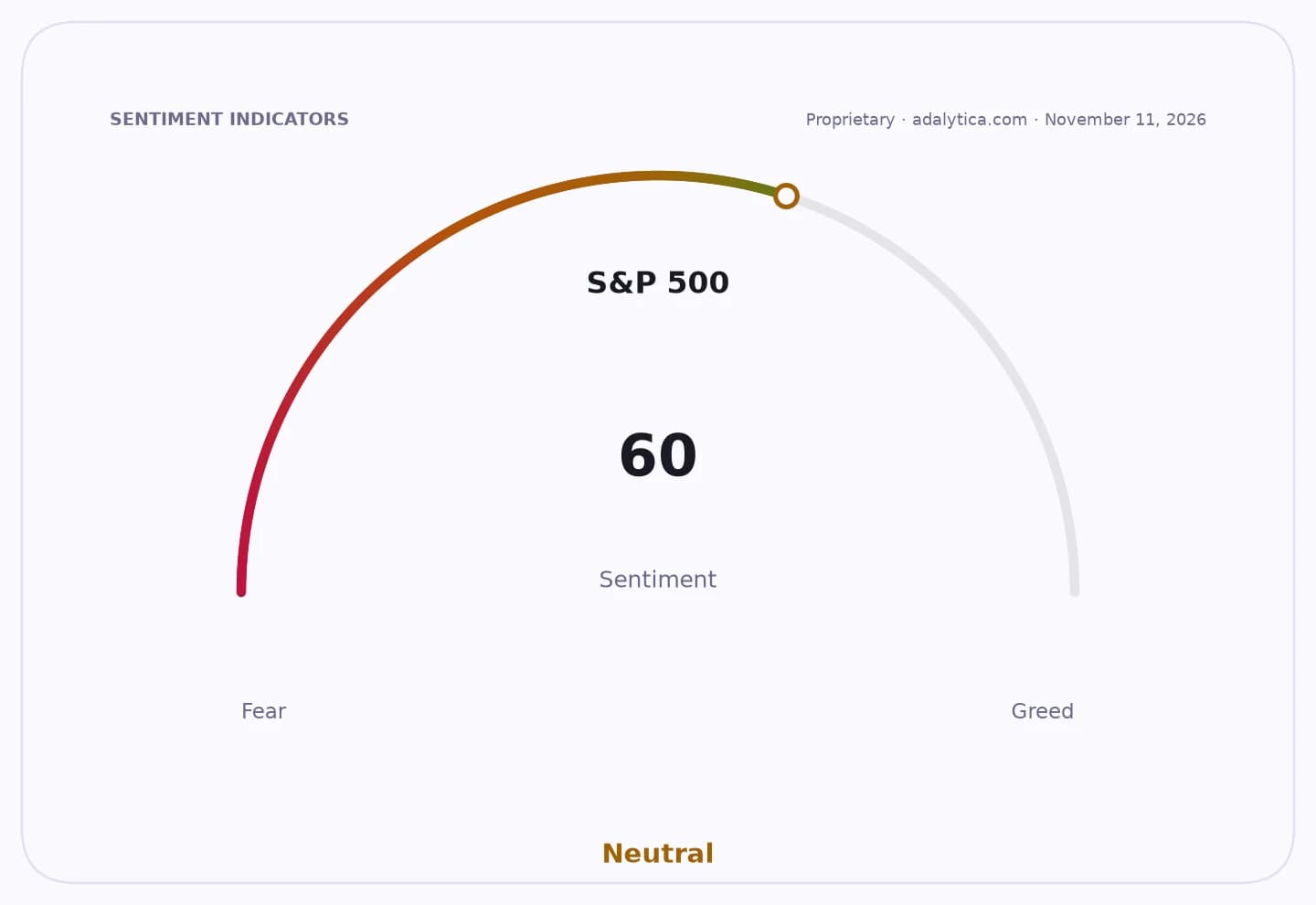
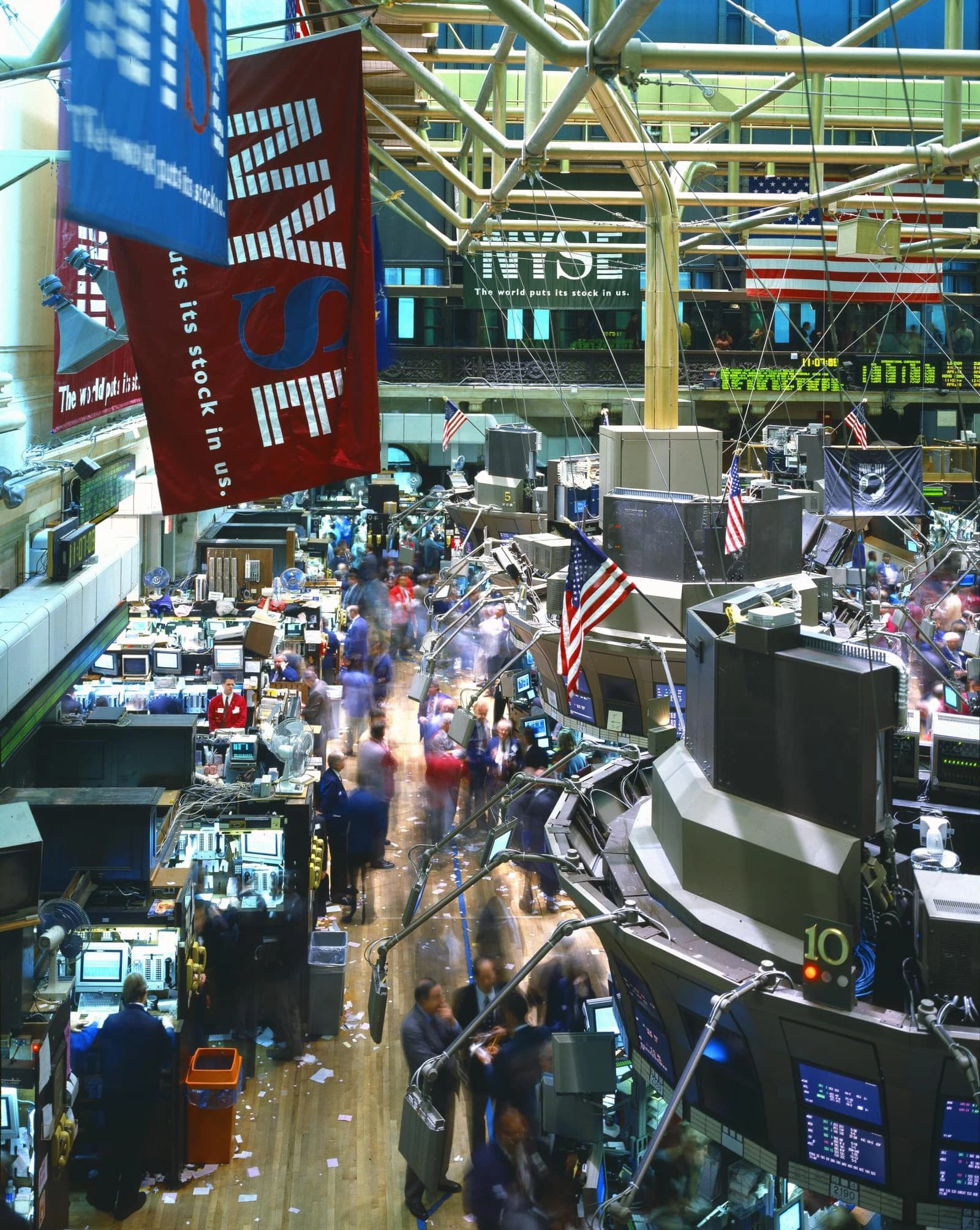
Stocks have been trying to digest that reality in real time. The S&P 500 remains well above its 200-day moving average, which tells you the long-term uptrend is intact, but the index has become choppier, with recent price action slipping below its 50-day moving average and momentum softening. In plain English: the market still believes in the U.S. economy’s earning power, but it is no longer assuming that growth will come with easy policy or benign inflation. Industrial stocks have shown similar push-and-pull behavior, while consumer-discretionary shares have been more vulnerable as households grow more selective about spending.
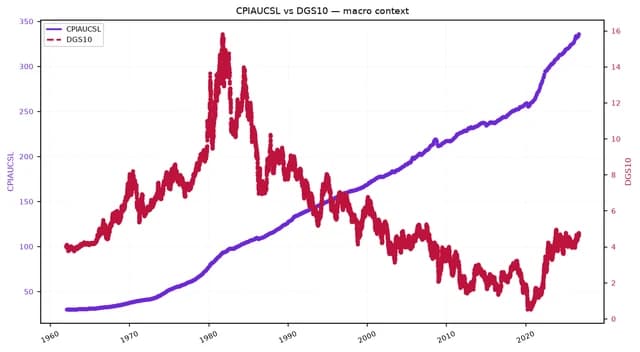
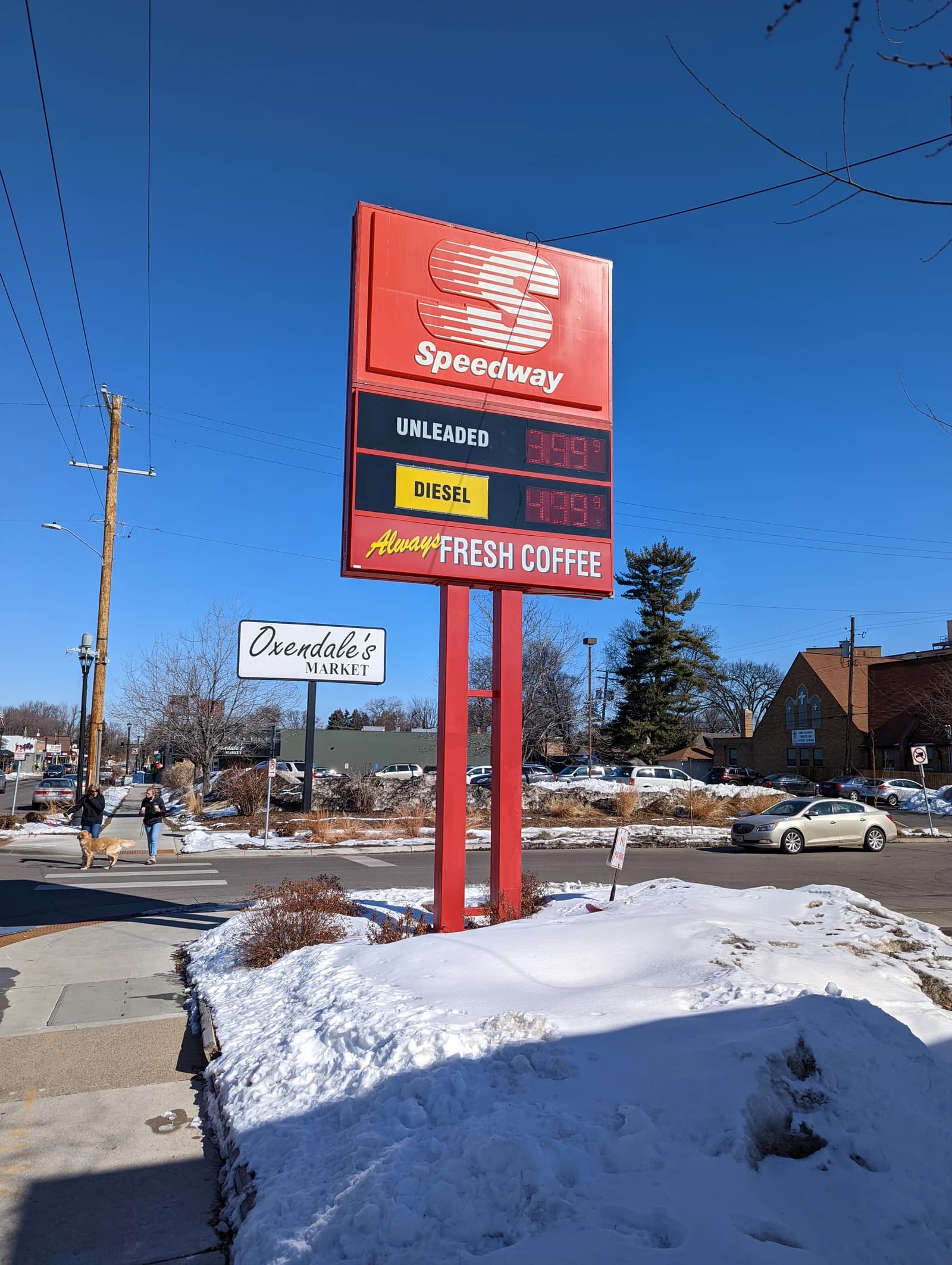
That split is important because tariffs tend to hit the consumer in a very uneven way. Companies with pricing power can absorb some of the hit or pass it through, but retailers, import-heavy brands and lower-income shoppers often feel the pressure first. Wal-Mart has already warned that it operates in a “highly dynamic tariff environment,” while other major retailers have flagged the risk that higher input costs could squeeze profits or force more price hikes. If tariffs keep feeding inflation, voters notice at the checkout line long before economists see the full effects in the data.
For long-term investors, the lesson is not to panic over one election cycle. It is to recognize that inflation is still the most politically toxic force in the economy, and it also remains the biggest risk to valuations. When prices stay elevated, the Fed has less room to cut, bond yields stay stubborn, and cyclical parts of the market can struggle to sustain multiple expansion. That tends to favor companies with durable cash flow, strong balance sheets and the ability to raise prices without losing customers.
So the midterm verdict is not that the economy is weak. It is that strength is not enough when voters feel poorer. If inflation cools, tariff pressure eases and the Fed gets more flexibility, the political and market backdrop could improve quickly. Until then, investors should expect a more selective market and keep leaning toward businesses that can compound through higher costs, not just survive them.
| Entity | Gains | Losses |
|---|---|---|
| Consumers | ▲Some wage gains and jobs | ▼Higher prices and tariff pass-through |
| Treasury bulls | ▲Inflation hedge demand | ▼Rising yields risk remains |
| Pricing-power retailers | ▲Ability to protect margins | ▼Small import-heavy rivals |
| Trump economic message | ▲Growth headline support | ▼Voter anger over living costs |