Wall Street is treating the U.S. election result as secondary to inflation, with investors more focused on what sticky prices mean for interest rates, bond yields and earnings than on Donald Trump’s loss of Congress.
Inflation Keeps Wall Street Focused After Election

Futures pointed to a softer open after Democrats regained the House of Representatives and the Senate, but the move was restrained: Euro Stoxx 50 and S&P 500 futures were down 0.2%, while Nasdaq 100 futures slipped 0.3%. The muted reaction suggests the market sees the political shift as important for policy oversight, but not enough to change the more immediate macro driver — inflation.
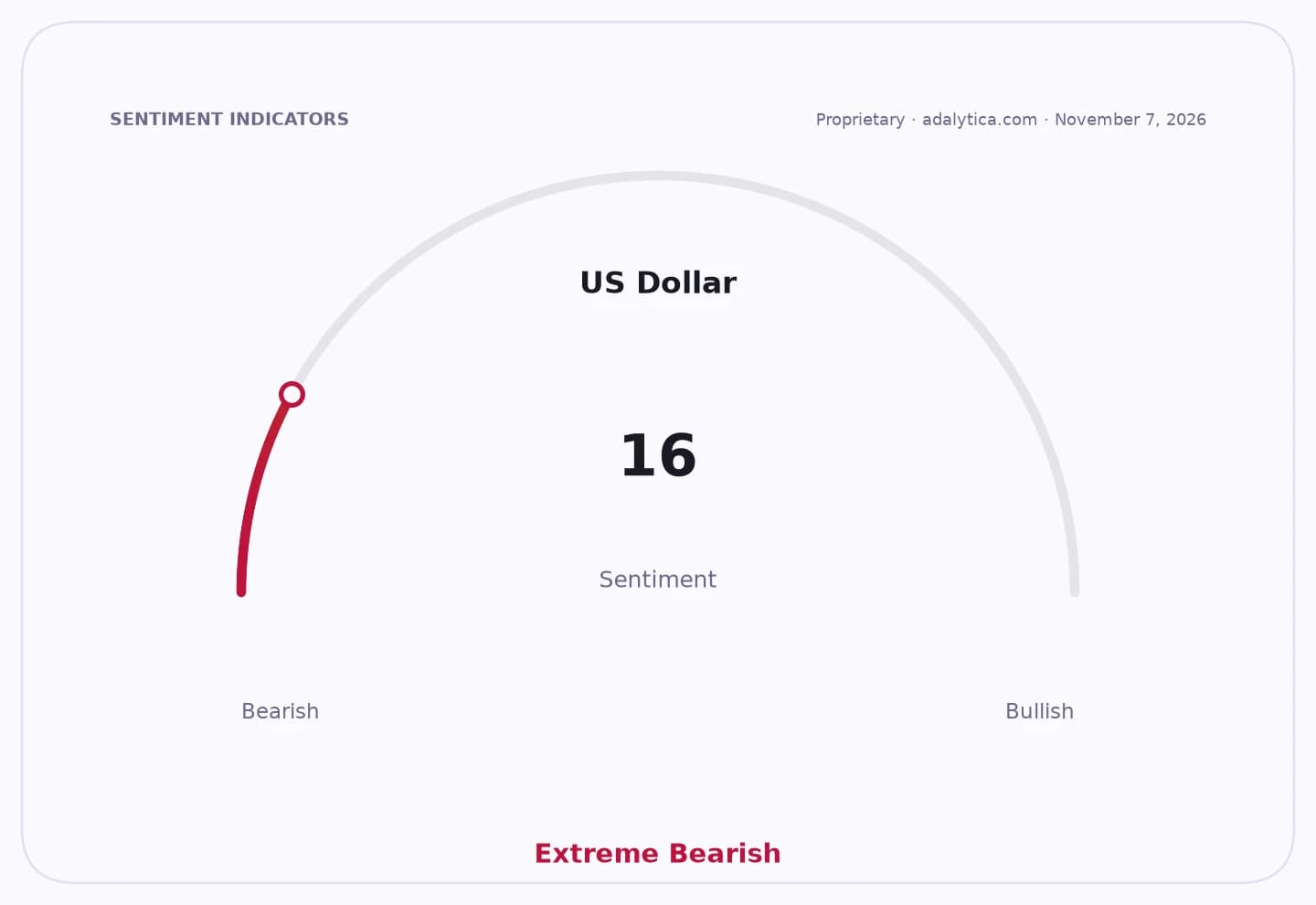
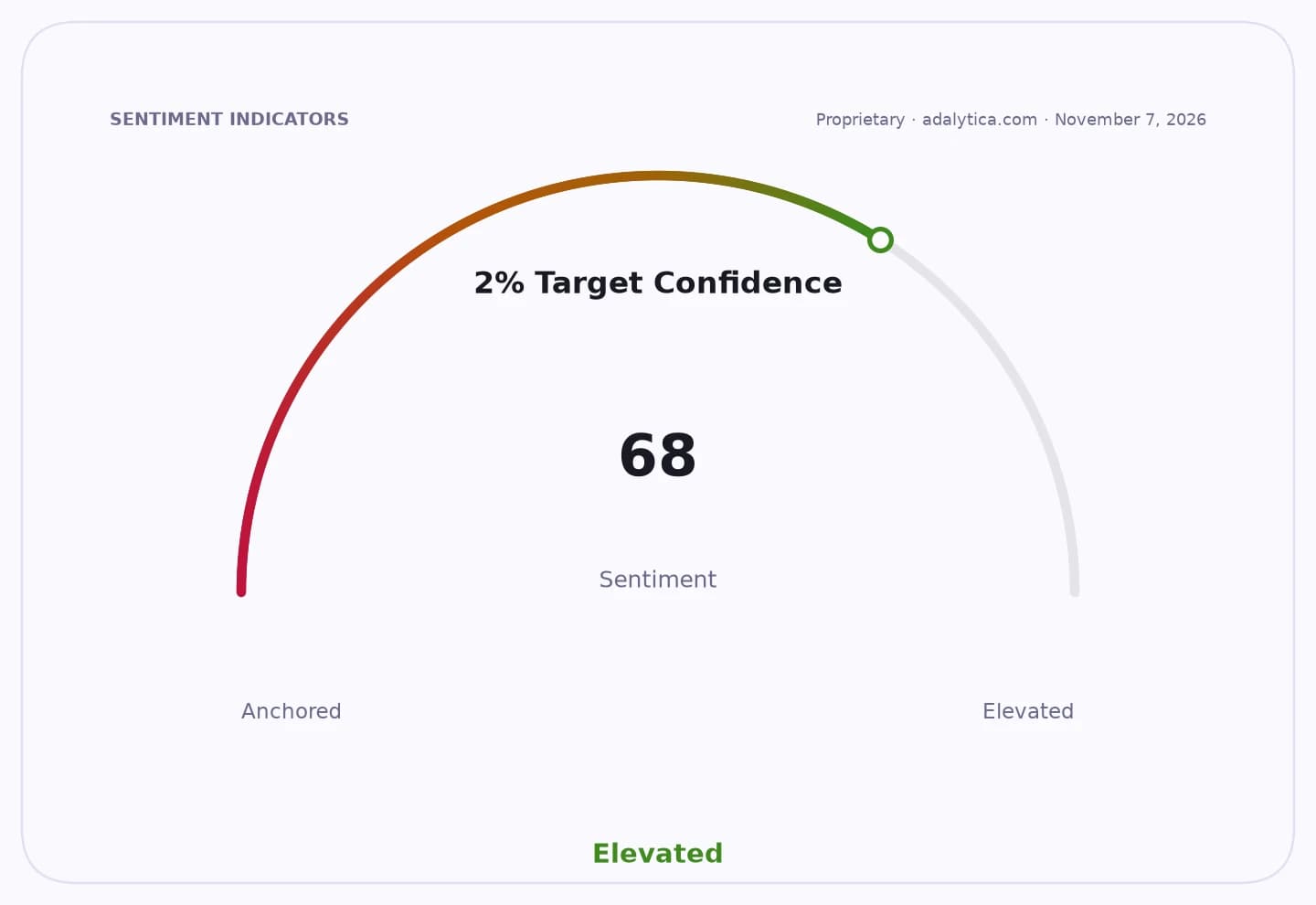
Sentiment Indicators
CPI
That is the point investors are wrestling with. Higher living costs helped erode Trump’s approval and shape the vote, but they also leave the Federal Reserve and other central banks in a tighter bind. In the U.S., the market is looking for the ISM services index at 54.8, with its prices-paid component seen jumping to 75, while ADP private payrolls are expected to slow to 66,000 from 90,000. Those numbers matter because they feed directly into the debate over whether disinflation is stalling or whether growth is simply cooling without enough relief on prices.
Bond markets are already signaling caution. Two-year Treasury yields were around 4.6%, with the 10-year near 4.9%, a level that keeps financial conditions tight and leaves equities vulnerable to any upside surprise in inflation or activity data. The dollar was little changed, but gold gained about 2%, while Brent rose 0.4% to $104 a barrel and European gas added 2% to 94 euros per megawatt hour, reinforcing the broader message that energy remains a live inflation risk.
CPIAUCSL vs FEDFUNDS — macro contextadalytica.com
Explore this data interactively — full history, time series and cross-market comparisons.
CPI
In Europe, the inflation backdrop is even more immediate. The market is pricing an 86% probability of a 25-basis-point ECB rate increase on Dec. 17, after October euro-zone inflation was expected to reaccelerate to 4.0% from 3.8%, with core pressure holding at 2.5%. That mix — headline inflation rising, core steady, growth still only moderately positive — argues for a central bank that is not yet ready to pivot. For equities, it means valuation support is still constrained by bond yields even as earnings remain uneven.
The political shift in Washington does matter at the margin. A divided government raises the odds of more scrutiny on spending, regulation and trade, while leaving Trump’s executive powers on foreign policy and commerce intact. That combination could limit fresh fiscal surprises, but it does little to remove the inflation theme that now dominates market pricing.
Corporate news offered some support to risk appetite, especially around artificial intelligence. AMD and Super Micro Computer both beat forecasts and raised guidance, with shares jumping after the close, a reminder that earnings can still overpower macro anxiety in select parts of the market. But the broader trade remains hostage to inflation data and central-bank response.
For investors, the near-term message is straightforward: the election may have changed the balance of power, but it has not changed the market’s main variable. If inflation keeps running hot, yields stay elevated and rate-cut hopes recede, equities will struggle to extend gains beyond the AI-heavy winners.
| Entity | Gains | Losses |
|---|---|---|
| Bond yields | ▲Higher income for lenders | ▼Equities and duration assets |
| Gold | ▲Safe-haven demand | ▼Risk sentiment |
| Central banks | ▲Greater policy room to stay tight | ▼Rate-sensitive borrowers |
| AI stocks | ▲Earnings momentum | ▼Broader market rotation |