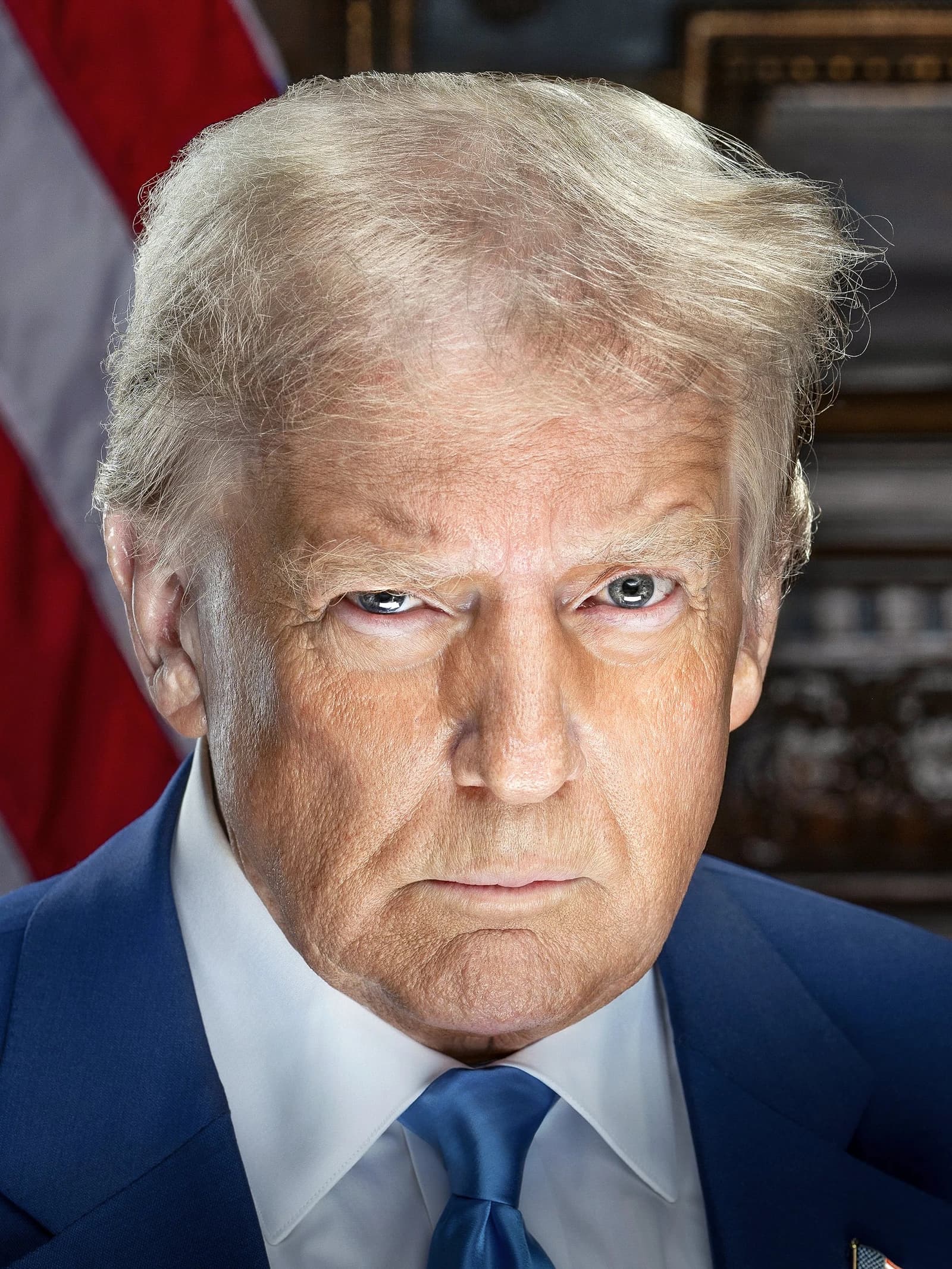
Donald Trump’s second lame-duck period may be more dangerous for markets than his first because it begins with weaker domestic constraints, deeper personal grievance and fewer obvious diplomatic wins left to chase.
Trump lame-duck risks for markets and oil
That matters economically because a cornered president can still move global prices, even when Congress is about to flip against him. The biggest risk is not legislation but sudden foreign-policy escalation — especially around Iran, where the text points to fresh strike planning, and Cuba, where regime-change pressure could trigger refugee flows, sanctions churn and new stress in the Western Hemisphere. Those are not abstract geopolitical risks. They can hit shipping lanes, energy prices, the dollar and risk appetite in one shot.
Sentiment Indicators
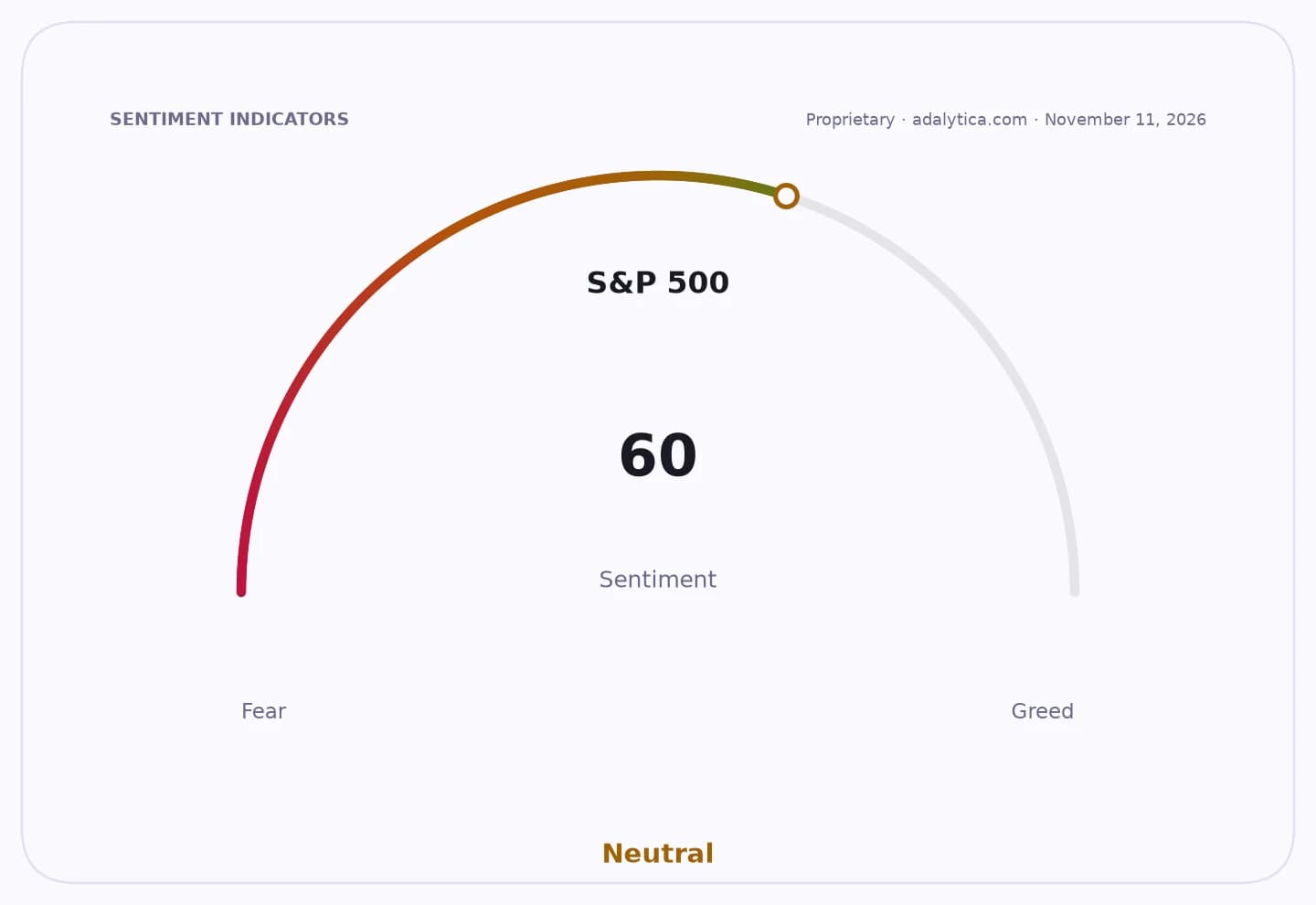
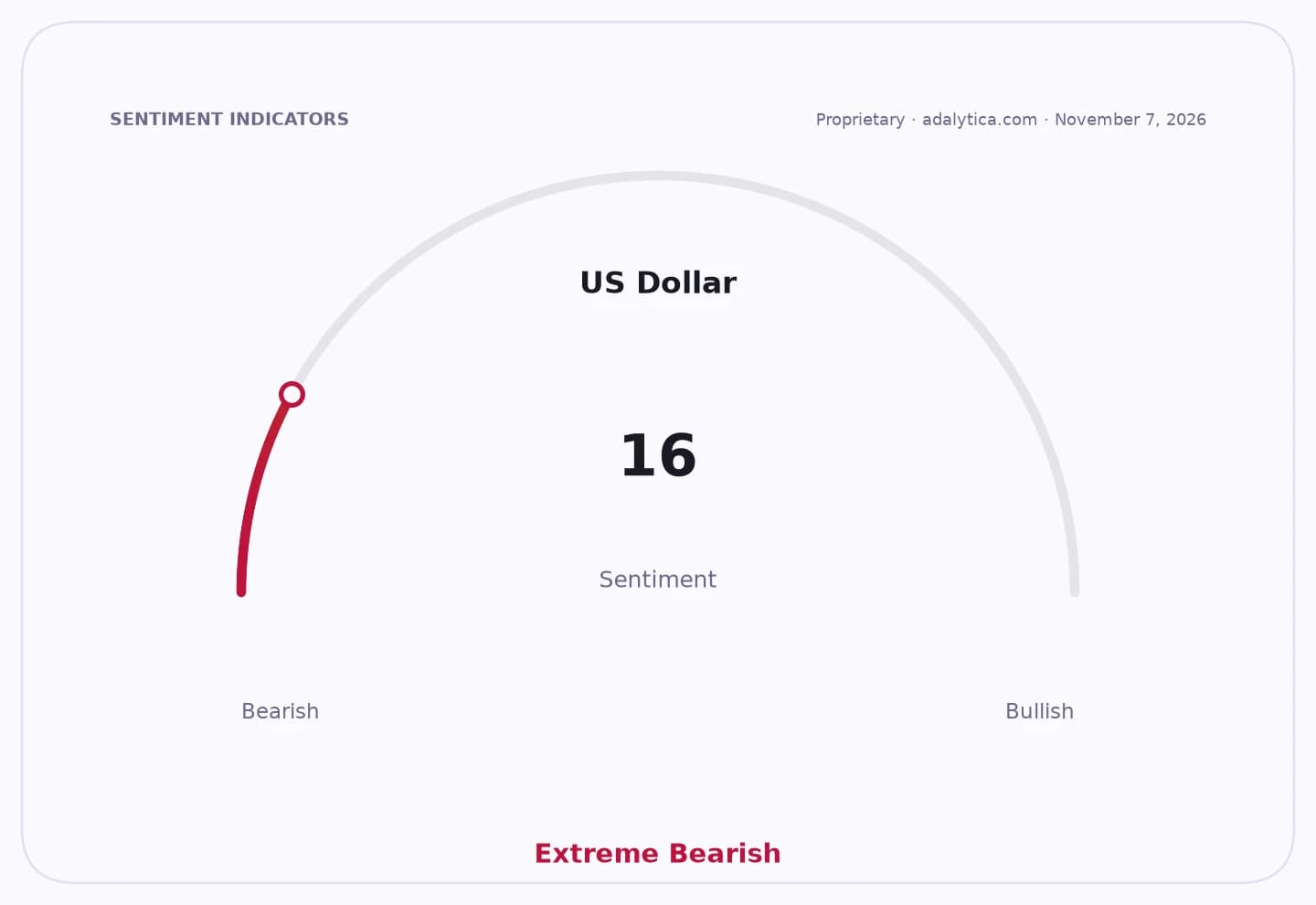
Investors have reason to care because the current market backdrop already shows how sensitive assets are to political shocks. The S&P 500, tracked by SPY, has been volatile, with the fund slipping to $735.29 on Nov. 6 from $766.81 two days earlier. Its 50-day moving average sits at $765.15, while RSI readings in the mid-30s suggest the market has cooled after a sharp run. That is the sort of setup where a foreign-policy surprise can land hard. The dollar, meanwhile, has firmed, with UUP rising to 29.13 and Adalytica’s U.S. Dollar Trade Signals flashing greed, suggesting investors are already seeking shelter. Geopolitical fear is elevated too: Adalytica’s Global Stability snapshot shows extreme greed in sentiment but extreme fear in awareness, a classic sign of complacency sitting atop real-world fragility.
The narrative here is simple: when Trump cannot easily legislate at home, he may reach abroad for a legacy-defining win — or a distraction. But the article argues he has already burned through many of the easy spectacle-driven moves from his first term, from North Korea outreach to the Iran deal exit and Middle East normalization. That leaves riskier choices with worse odds of success. Military action against Iran could invite retaliation against commercial shipping and Gulf allies, threatening the global economy. An attack on Cuba could produce unpredictable blowback, including migration pressure on the U.S. If he instead pursues vanity projects, pardons or self-enrichment, the best-case scenario may simply be inaction.
S&P 500 — 30-day sentimentadalytica.com
Explore this data interactively — full history, time series and cross-market comparisons.
For long-term investors, the takeaway is not to try to trade every headline, but to recognize where the tail risks sit. Oil, defense, shipping, the dollar and broad equity multiples can all react to a more impulsive White House, while bonds could catch a safe-haven bid if escalation hits growth expectations. The smartest posture is diversification, patience and a focus on companies with real pricing power and durable cash flow. Trump’s lame-duck years may not produce his most meaningful domestic policy, but they could still create some of the biggest market swings. Worth watching, and worth respecting.
| Entity | Gains | Losses |
|---|---|---|
| Energy and shipping assets | ▲Higher volatility premium | ▼Trade routes and margins |
| U.S. dollar | ▲Safe-haven demand | ▼Emerging-market currencies |
| Defense contractors | ▲More geopolitical spending | ▼Risk assets |
| Global equities | ▲— | ▼Geopolitical risk premium |