Donald Trump is signaling he may expand U.S. military action against Iran, a move that could jolt crude markets, intensify Middle East instability and raise the odds of broader retaliation across the region.
Trump Iran Comments Raise Oil and War Risk
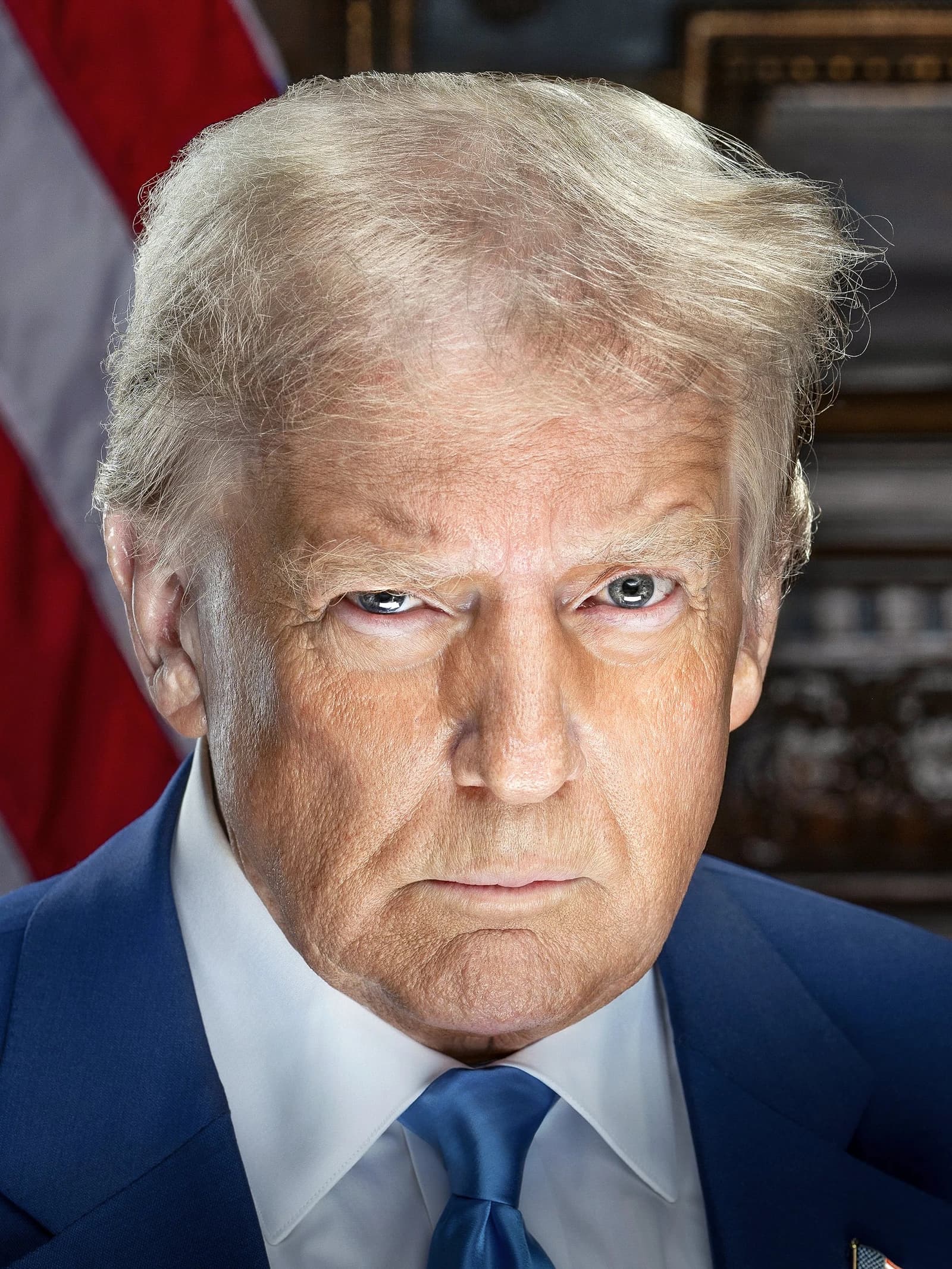
Speaking from the White House after Republicans’ election setback, Trump said Washington would decide “soon” on Iran and suggested the U.S. may have to go further if it wants to make sure Tehran’s nuclear activity “never happens again.” He added: “I don’t want to destroy the remainder of the country if possible, but maybe I’ll have to do that. You’ll find out soon.”
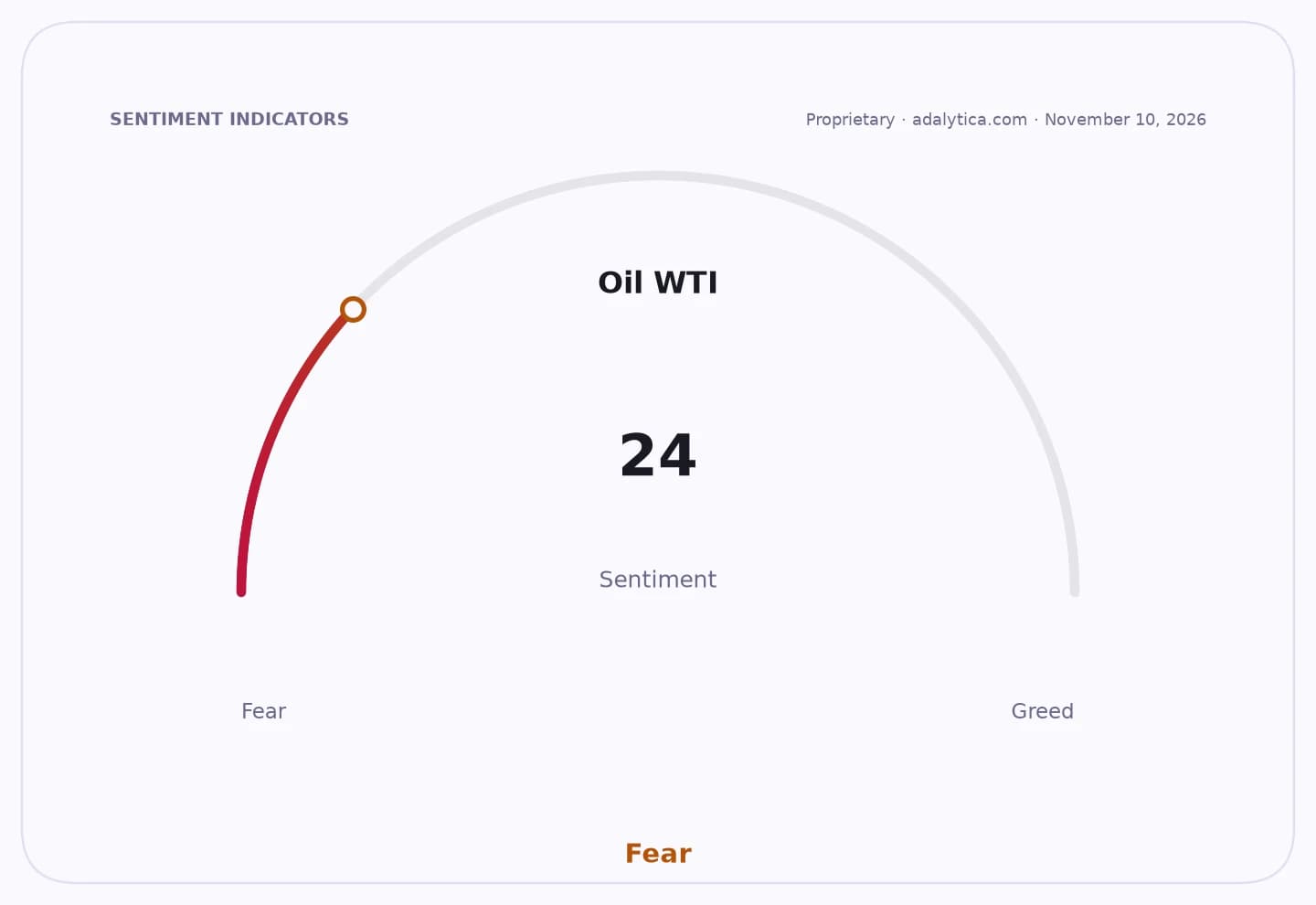
Sentiment Indicators
The comments matter because they turn a policy dispute into an immediate market and security risk. Any widening of U.S. operations against Iran would threaten shipping lanes, energy infrastructure and diplomatic channels just as investors are already watching for renewed volatility in oil, defense shares and risk assets.
The remarks followed consultations with national security advisers on options that reportedly included renewed military strikes, stepped-up economic pressure and continued negotiations. U.S. military planning for a larger attack is said to be under way, though no fresh strike order has been issued yet.
Trump also said Iran’s rebuilding could take 25 years, underscoring how little room he sees for compromise on Tehran’s nuclear program. That stance increases pressure on Iran’s regional partners and on countries trying to keep talks alive.
Diplomatic activity has accelerated in the Middle East, with Iranian Foreign Minister Abbas Araghchi holding calls with counterparts in Turkey, Qatar, Saudi Arabia, Oman and other states. Qatar and Pakistan are still trying to mediate, but so far have not produced a breakthrough.
For investors, the key question is whether Trump’s threat stays rhetorical or turns into a new military campaign. Energy traders, defense contractors and emerging-market assets with Middle East exposure are likely to react first, while any escalation would also keep pressure on the S&P 500 as geopolitical risk rises.
| Entity | Gains | Losses |
|---|---|---|
| U.S. defense sector | ▲Higher demand for contracts | ▼Policy uncertainty remains |
| Iran hardliners | ▲Rally domestic support | ▼Greater military pressure |
| Oil bulls | ▲Geopolitical risk premium | ▼Demand shock fears |
| Diplomats and mediators | ▲Greater relevance | ▼Less room for compromise |