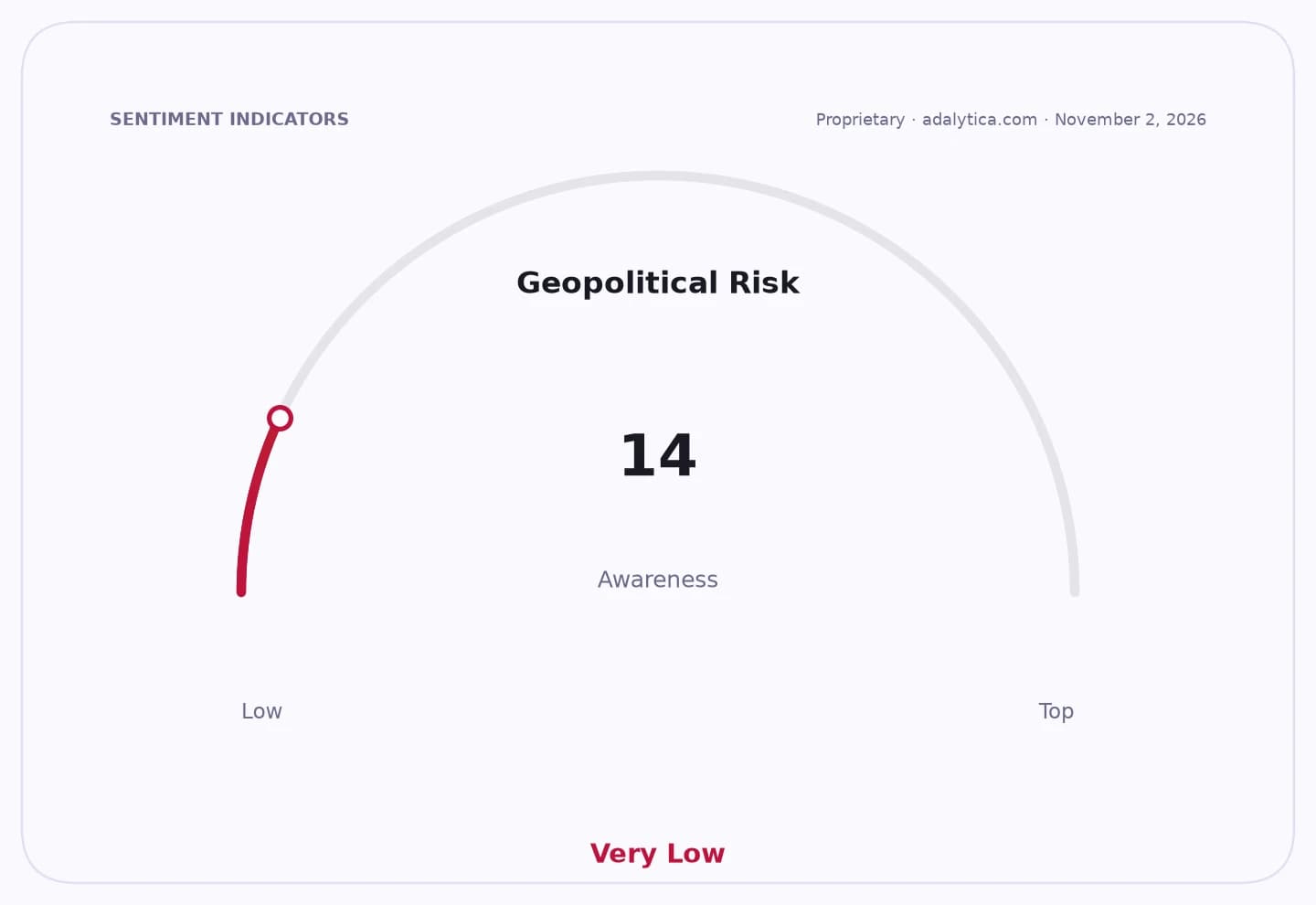
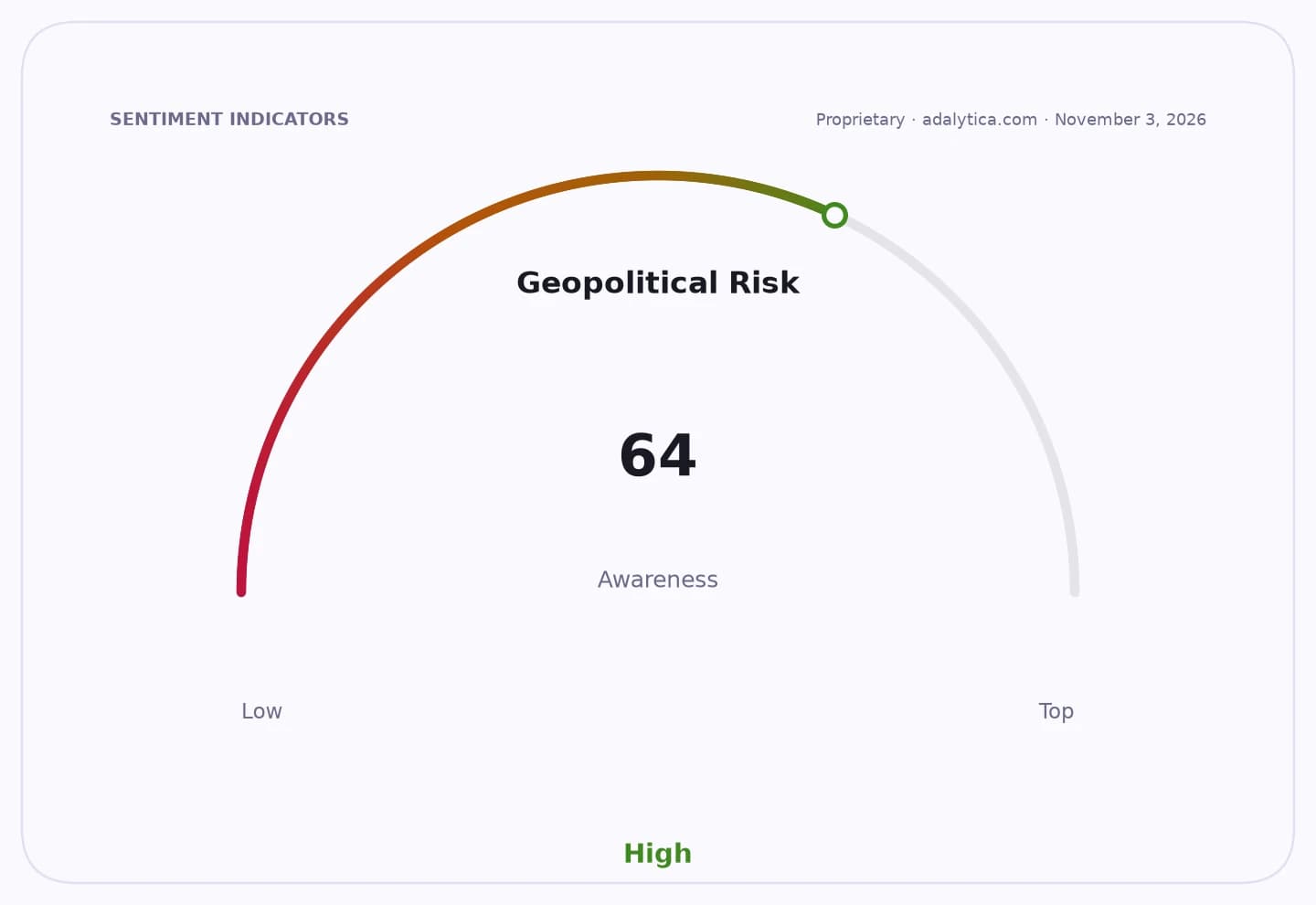
Oil prices rebound after a brutal selloff as traders weigh whether the US election makes a wider conflict with Iran more or less likely, keeping the market on edge ahead of any policy shift from Washington.
Oil prices rebound on Iran conflict worries
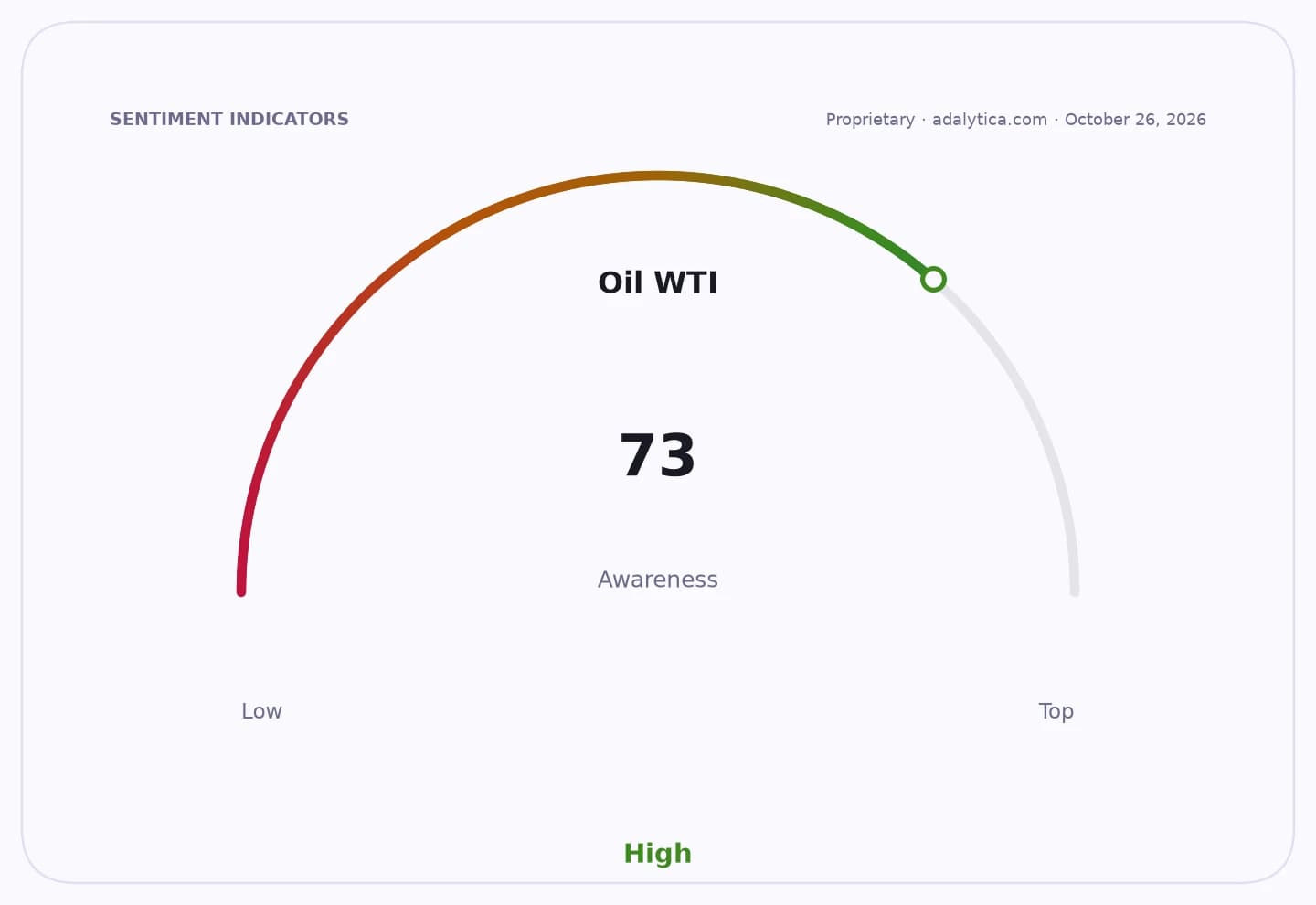
Brent crude rose $2.94, or 3.1%, to $97.56 a barrel, while West Texas Intermediate gained 2% to $89.85, after both benchmarks fell more than 8% in the previous session to their lowest since Aug. 31. The bounce underscores how quickly geopolitics is now driving crude, with the market swinging on each new signal from the Middle East and from US politics.
Sentiment Indicators
The key issue for investors is not just the price move itself, but the possibility that Washington’s response to the election could alter the trajectory of the conflict with Iran. Traders had been pricing in a greater chance of de-escalation after Republicans took a hit in the midterms, yet the odds of renewed strikes, a prolonged standoff or a breakdown in diplomacy remain high enough to keep a war premium embedded in crude.
“Markets are assessing the impact of the midterm elections on Donald Trump’s next steps on the war with Iran,” said Jun Goh, senior oil analyst at Sparta Commodities. She said the market was assigning a higher probability that the conflict could end, but warned more volatility was likely because the route to full diplomacy remains uncertain and global strategic reserves are heavily depleted.
UBS analyst Giovanni Staunovo said the Middle East situation was still unresolved, allowing for only a “moderate” recovery in prices. Citi has also flagged concern that the White House could lean more heavily on executive powers in foreign policy after the vote, potentially intensifying the conflict rather than easing it.
Eurasia Group cut its estimate of renewed US strikes on Iran to 60% from 65%, but also reduced the odds of a deal to 20% and raised the chance of a drawn-out confrontation to 30%. It said any escalation could push Brent into a $110 to $125 a barrel range, a move that would ripple through fuel costs, inflation expectations and margins for airlines, refiners and other energy-intensive industries.
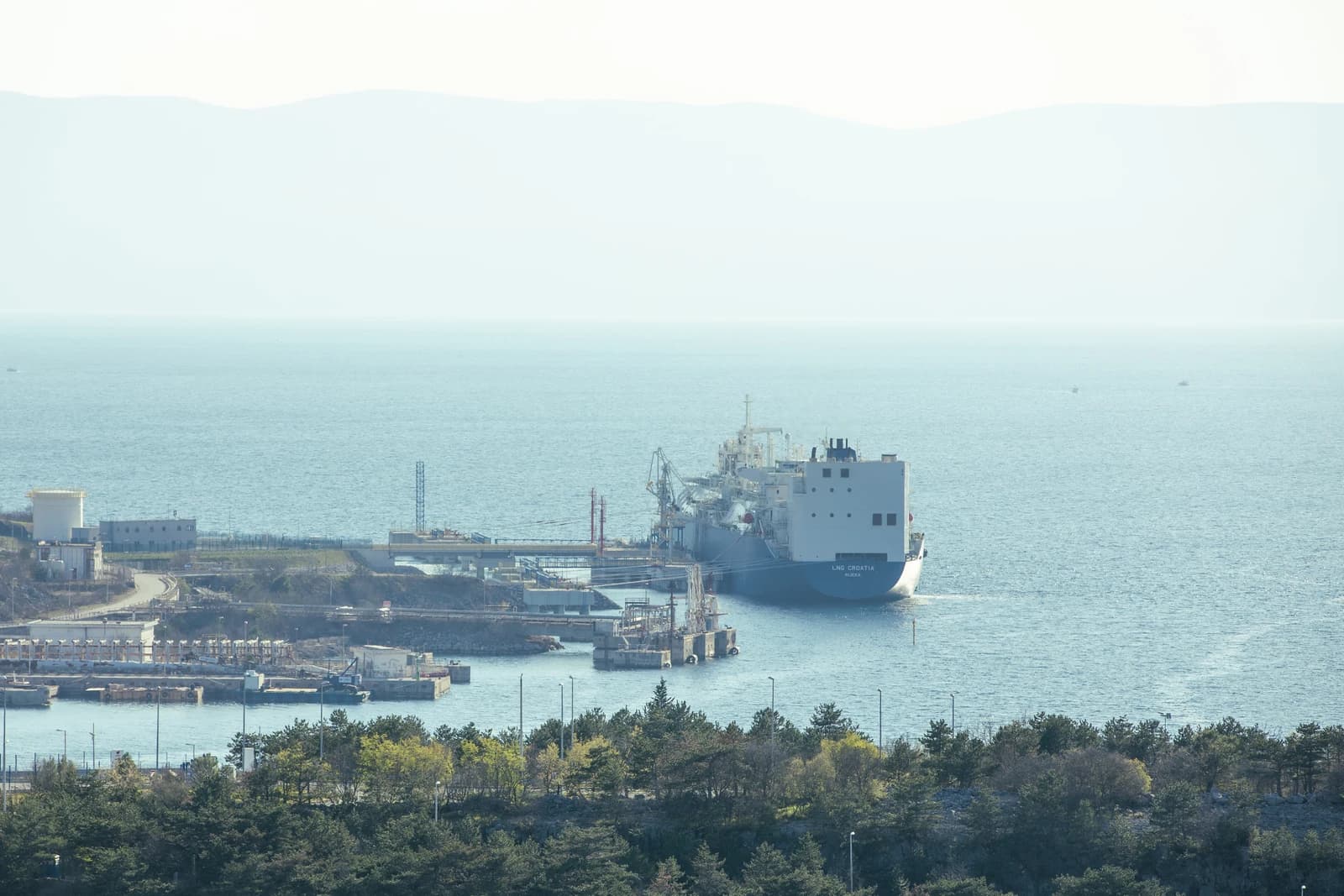
The market is also watching the Strait of Hormuz after Iran said the Revolutionary Guard reported two oil tankers and a tug caught fire in separate incidents tied to unauthorized routes through the chokepoint. Any sustained disruption there would threaten a critical artery for Gulf crude shipments, even as analysts say flows have recovered close to prewar levels.
For investors, the immediate takeaway is that oil remains hostage to headlines rather than fundamentals. Until the US political response and the scope of any Iran diplomacy become clearer, Brent and WTI are likely to keep posting outsized swings, with energy producers, shipping firms and broader inflation-sensitive assets all vulnerable to the next escalation or reprieve.
| Entity | Gains | Losses |
|---|---|---|
| Oil producers | ▲Higher realized prices | ▼Demand hit if conflict widens |
| Consumers/importers | ▲Potential de-escalation relief | ▼Higher fuel and freight costs |
| Energy stocks | ▲Support from war premium | ▼Sharp reversals on peace hopes |
| Airlines/refiners | ▲Cheaper crude if tensions ease | ▼Margin pressure if Brent heads higher |