Donald Trump is unlikely to become a lame duck after the midterm elections, and investors should be prepared for a president who may actually act with fewer restraints if Republicans lose control of Congress.
Trump Midterm Loss Could Raise Policy Volatility
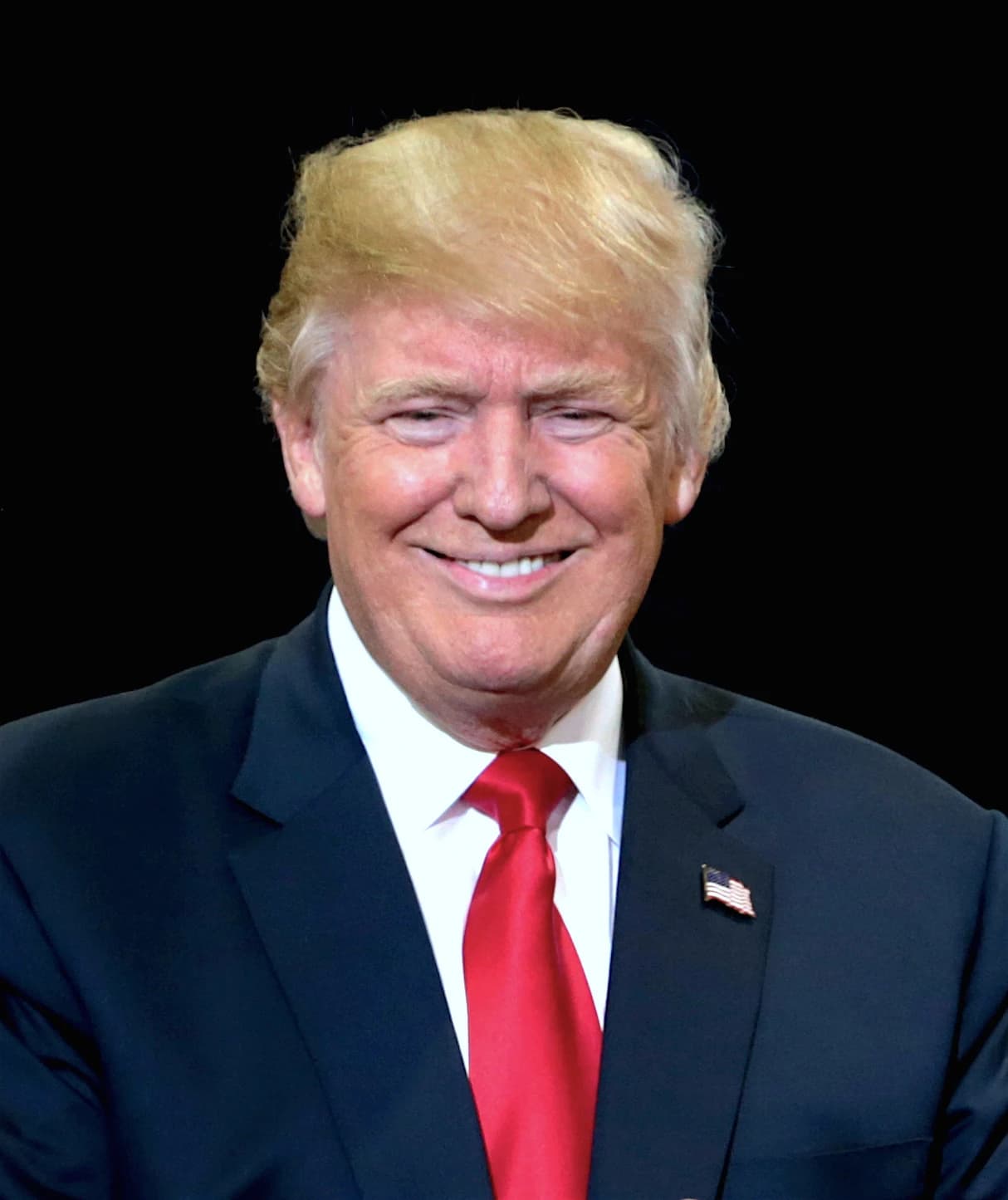
The most important economic implication is that Trump’s core tools on trade, sanctions and foreign policy already sit largely in the White House, and a weaker Congress may do little to slow them. Analysts and former advisers say the president has spent much of his first two years steering around Capitol Hill anyway, relying on vetoes, national security authorities and executive action to push through tariffs, block scrutiny and shape policy.
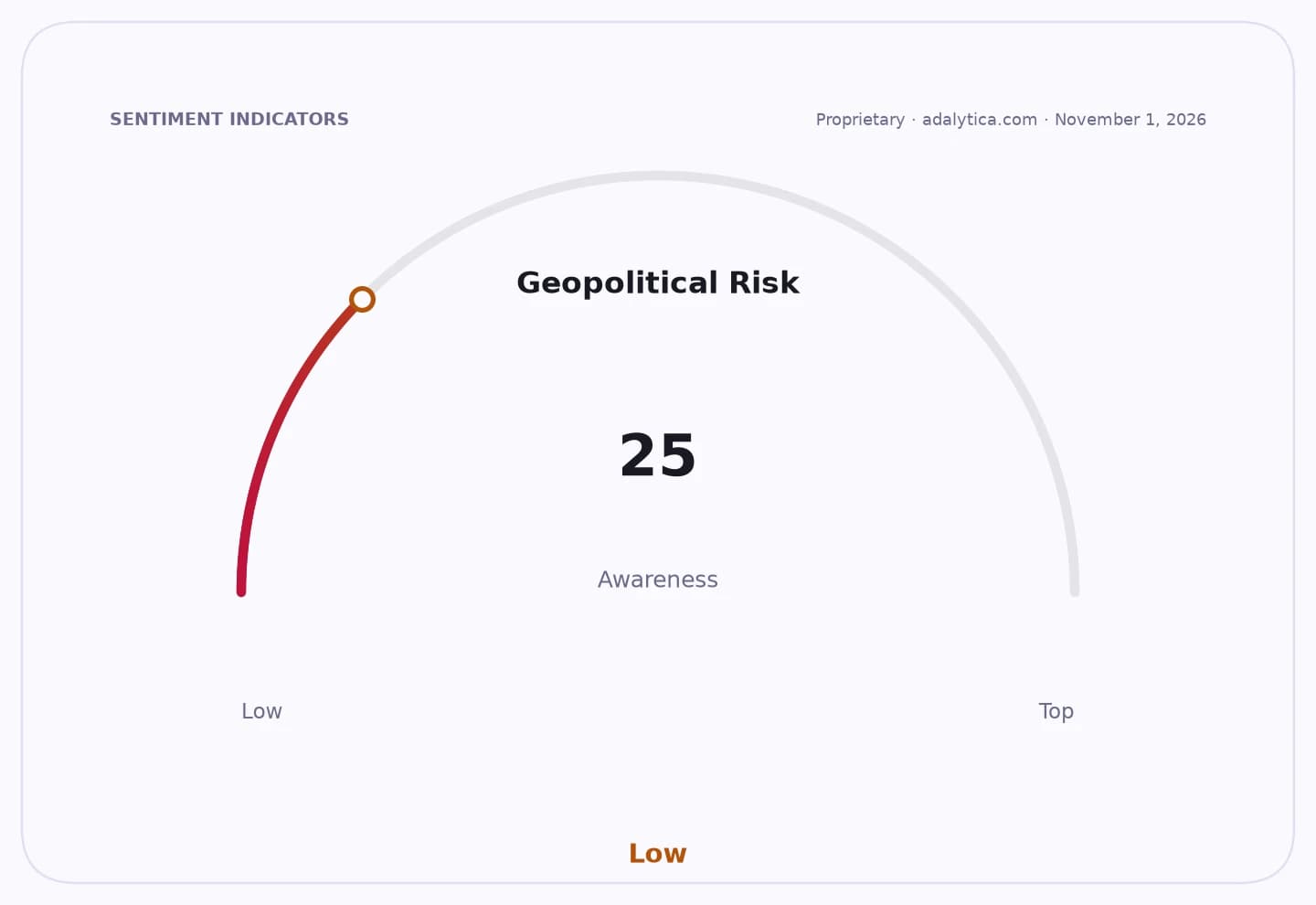
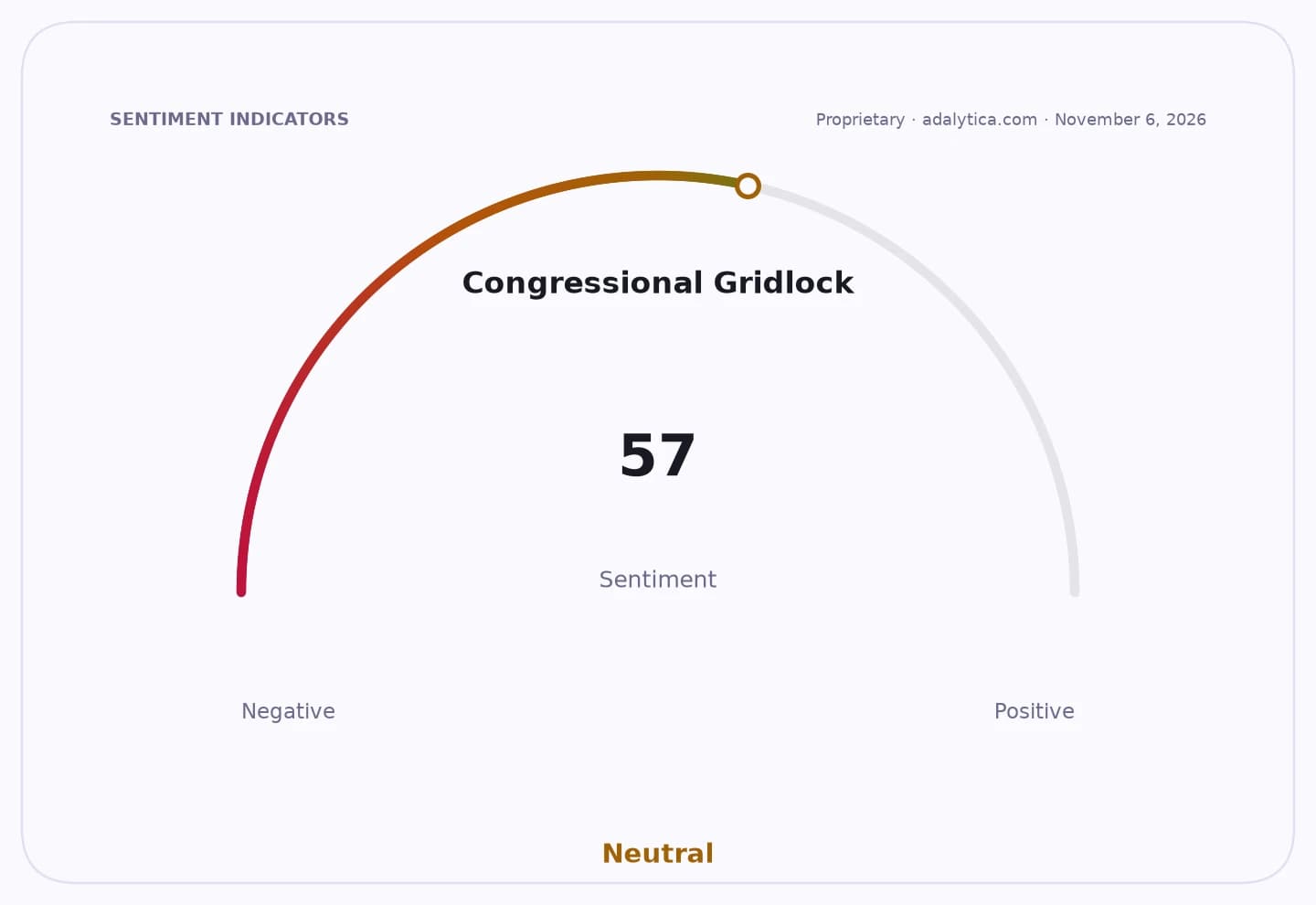
Sentiment Indicators
That matters for markets because the next phase could mean more policy volatility, not less. Trump still has direct influence over the China tariff truce, which is due to expire Nov. 10 and could be extended for two months, while the prospect of a tougher stance on Iran has also risen, with the Wall Street Journal reporting Gulf states are bracing for a short, intense U.S. strike after the vote.
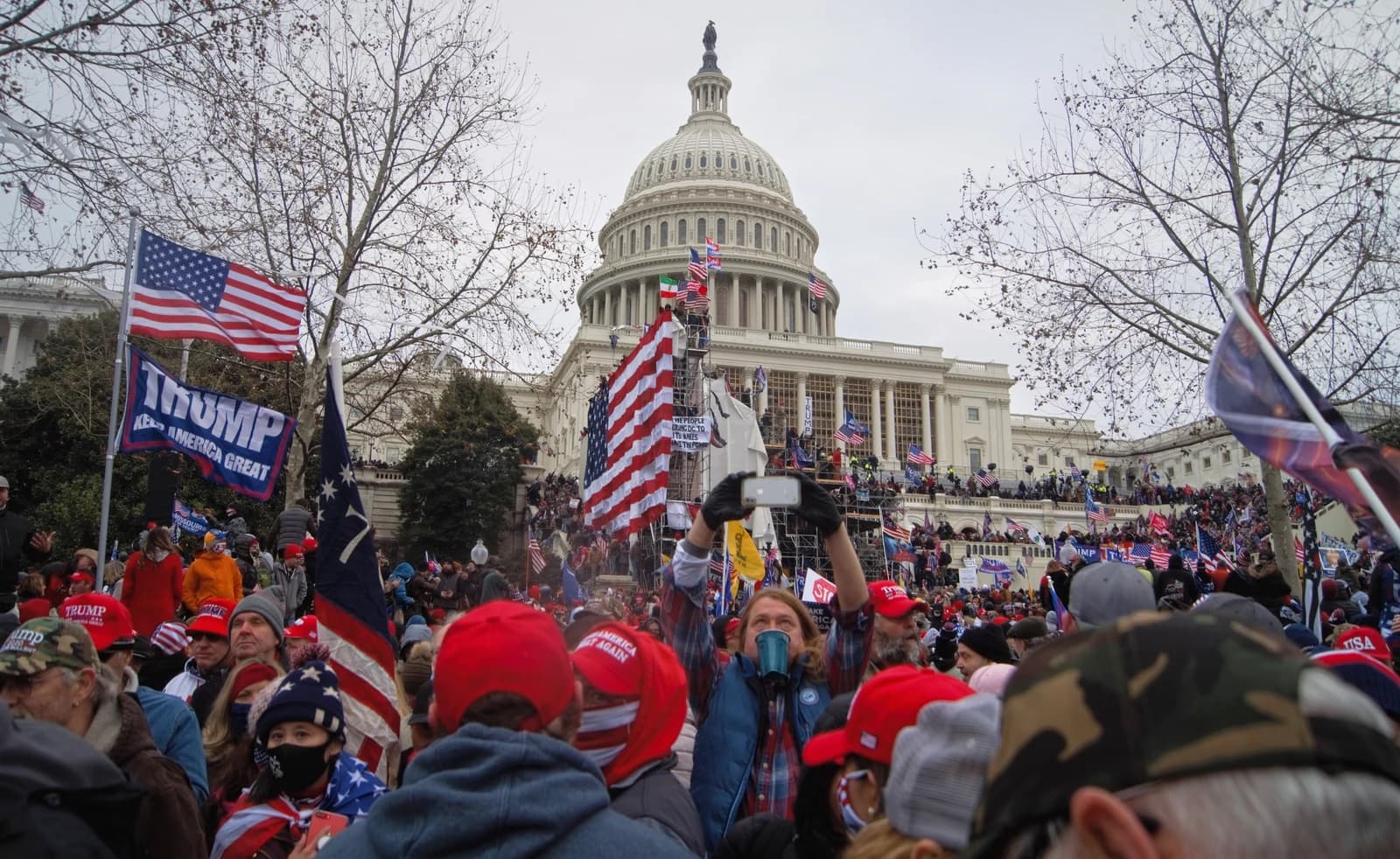
A Democratic takeover would give lawmakers the power to launch investigations into corruption, the Iran war and tariffs, but it would not necessarily change the White House’s day-to-day power. In practice, the larger market issue is that a defeated Trump could become more aggressive domestically and more unilateral abroad, even as Republican lawmakers in vulnerable races begin to distance themselves from him.
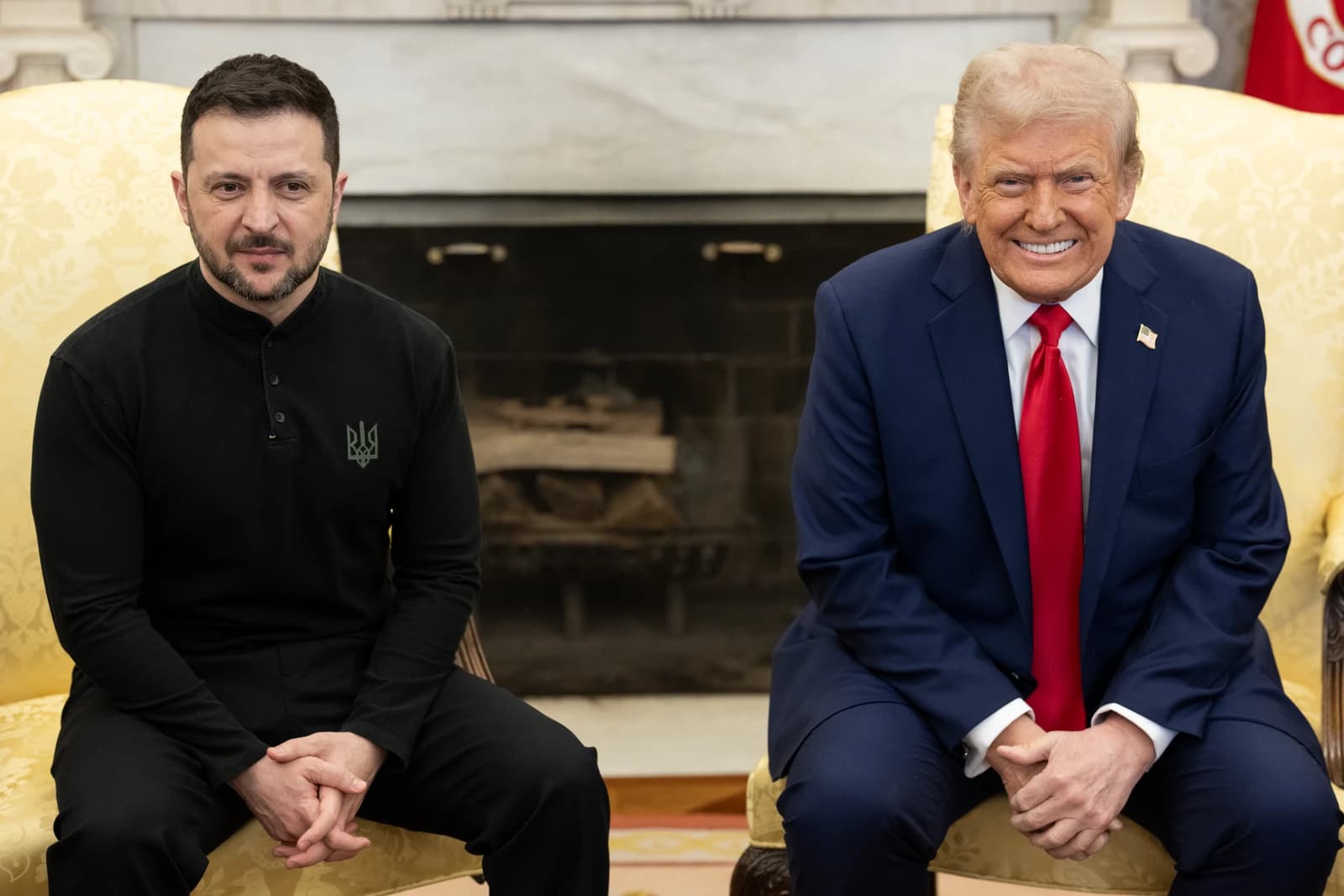
The political backdrop is already feeding into policy expectations. Russian President Vladimir Putin has pushed back a planned U.S.-Russia-Ukraine meeting in Abu Dhabi until after the election, suggesting the Kremlin is waiting to see whether Trump’s leverage is strengthened or weakened by the result.
For investors, the message is that the election may not bring the policy reset some have hoped for. If anything, the next two years could bring a more unpredictable White House, with implications for defense, energy, industrials, Chinese exporters and the broader risk premium on U.S. assets.
| Entity | Gains | Losses |
|---|---|---|
| Trump White House | ▲More unilateral room | ▼Congressional restraint |
| Democrats | ▲Investigations, oversight power | ▼Legislative leverage if margins fall short |
| China exporters | ▲Less immediate tariff relief | ▼Higher risk of fresh trade pressure |
| Defense and energy stocks | ▲Potential geopolitical spending tailwind | ▼Policy uncertainty if strikes escalate |