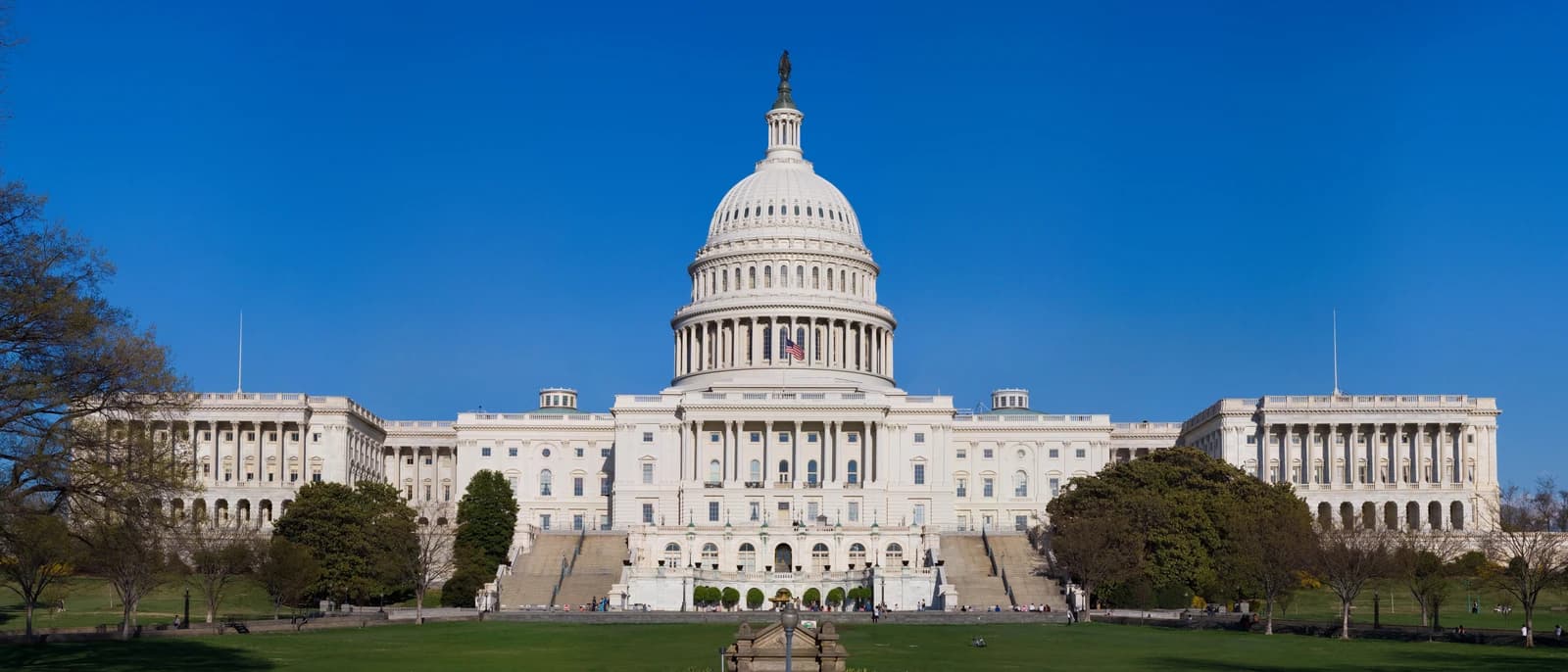
The US midterm election is set to leave Donald Trump with a weaker hand in Congress, with Republicans likely to lose their grip on both chambers and Democrats positioned to block more of the White House agenda. That matters because control of the House and Senate will determine whether Trump can push legislation through, confirm nominees and keep his administration moving at speed.
US midterm election leaves Trump with weaker Congress
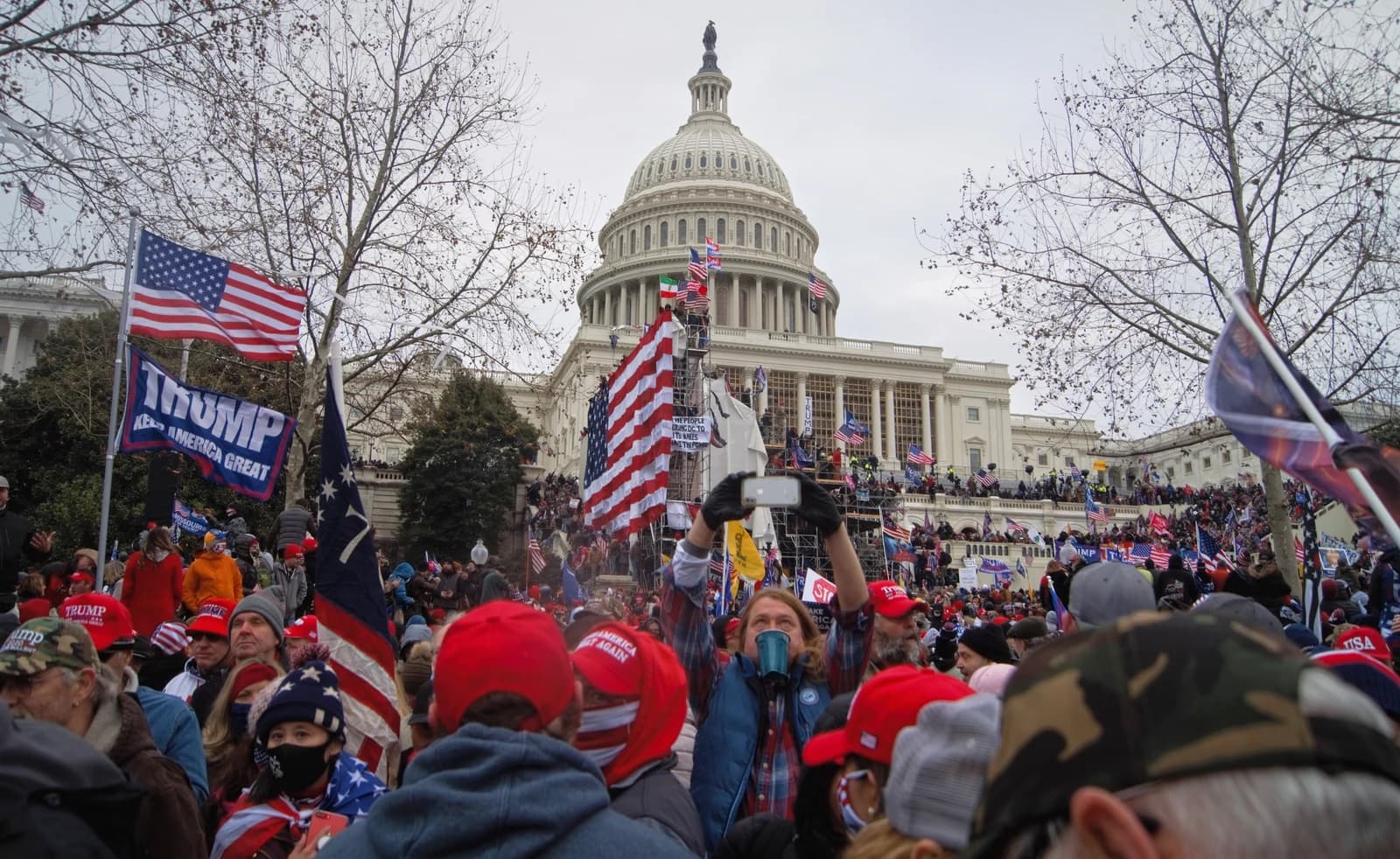
Early returns and race calls point to Democrats holding the House and potentially gaining ground in the Senate after flipping a Republican seat in North Carolina and defending other vulnerable contests. The outcome would end the current Republican majority and force the White House into a more defensive posture just as Trump seeks to keep momentum on tax, spending and policy priorities.
Sentiment Indicators
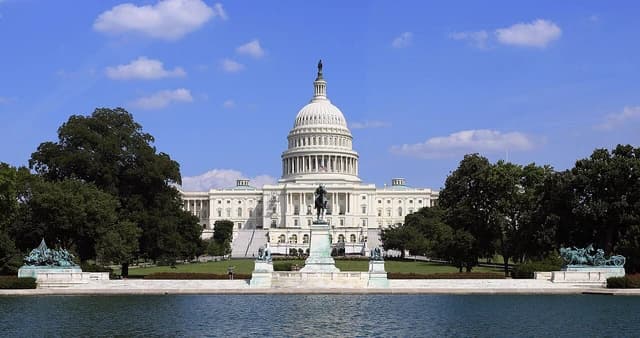
Markets are watching the result not for its symbolism but for what it means for policy gridlock. A divided Congress typically slows major fiscal changes, reduces the odds of sweeping regulation shifts and limits the scope for large new spending packages, while making executive action and judicial appointments harder to advance.
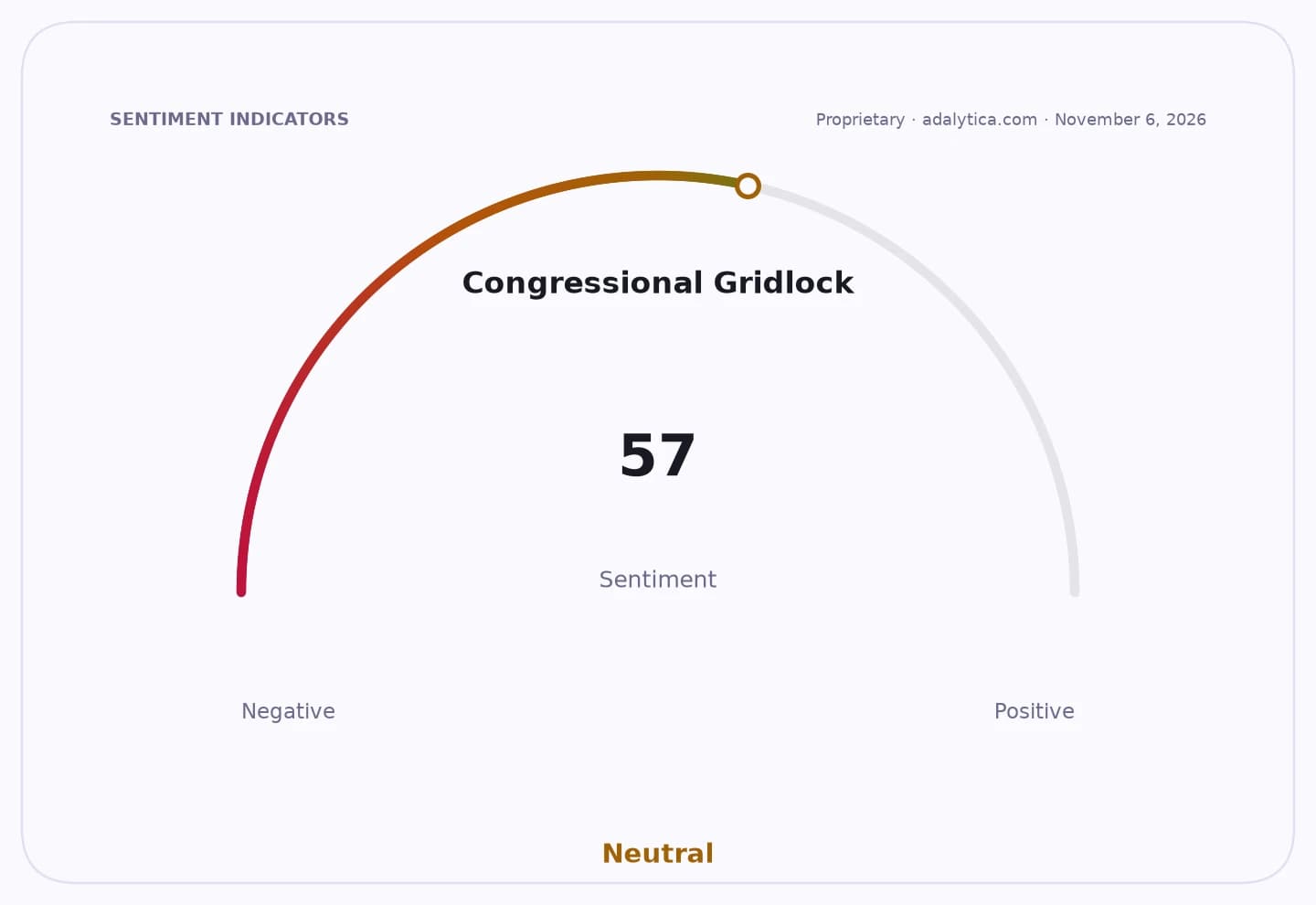
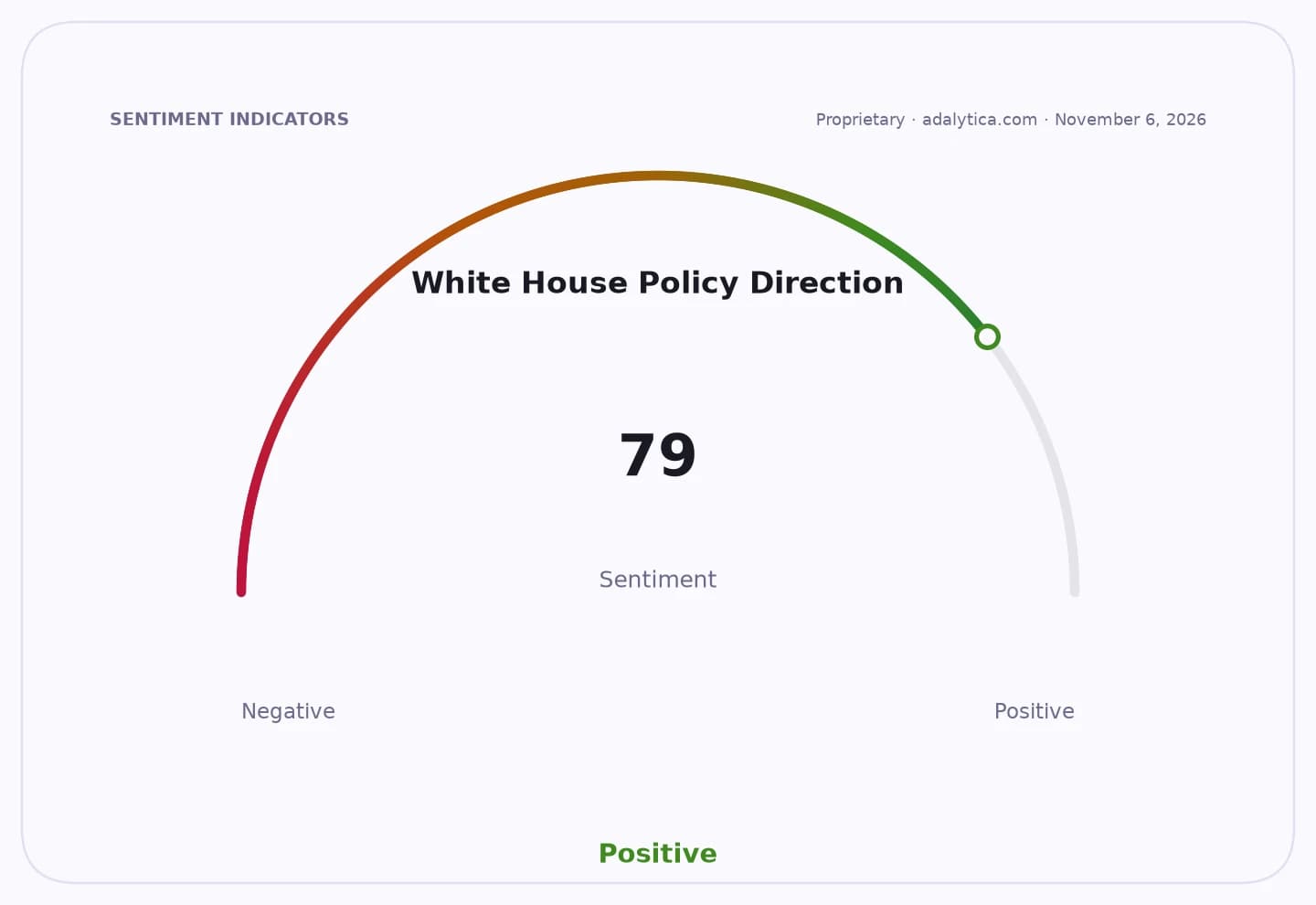
That political backdrop has fed into broader market positioning around Washington risk. Adalytica’s US Congressional Gridlock Sentiment stands at 64, with awareness at an “extreme greed” reading of 96, suggesting investors are actively pricing a more constrained legislative environment. Separate Adalytica data on US presidential approval shows sentiment at 79, also in “greed,” as the election becomes a referendum on Trump’s standing rather than just congressional math.
Congressional Gridlock
The stock market reaction has been more muted than the political rhetoric, but the S&P 500 ETF SPY has been volatile around the vote. It closed at 733.00 on Nov. 5 after trading as high as 765.97, well below its 50-day moving average of 765.83 and with RSI at 35.5, a technical setup that points to weakening momentum as investors wait for clarity on policy and earnings.
The dollar has also been under pressure, with USD at 50.27 after a sharp slide from 69.21 on Nov. 3 and 66.02 on Nov. 2, while its 50-day moving average sits much higher at 85.41. That kind of move can reflect shifting expectations for rates, fiscal policy and political stability, all of which matter for currencies, Treasury yields and risk assets.
With ballots still being counted in some races, the next catalyst is the final Senate and House breakdown. If the projected Republican losses hold, investors are likely to lean further into the idea of Washington gridlock — a setup that can constrain policy but also cap the odds of abrupt legislative surprises.
| Entity | Gains | Losses |
|---|---|---|
| Democrats | ▲House control, leverage in Senate | ▼Less room for compromise pressure |
| Trump White House | ▲Harder to blame Congress for all setbacks | ▼Legislative agenda, nominations |
| Investors in gridlock trades | ▲More policy predictability | ▼Fewer fiscal-policy upside bets |
| SPY longs | ▲Potentially less policy shock | ▼Near-term political volatility |